
Progress in Biomaterials
metrics 2024
Connecting Researchers to Shape the Future of Biomaterials
Introduction
Progress in Biomaterials is a premier journal published by Springer Heidelberg, dedicated to advancing the field of biomaterials through the dissemination of high-quality research articles, reviews, and case studies. The journal, with an ISSN of 2194-0509 and an E-ISSN of 2194-0517, holds an esteemed position within both the Biomaterials and Chemical Engineering fields, as evidenced by its rankings in the Q2 and Q1 quartiles, respectively. With its convergence over the years from 2013 to 2023, it has maintained a strong impact on scientific discourse, ranking #15 in Chemical Engineering and #30 in Biomaterials according to Scopus metrics. The journal is based in Heidelberg, Germany, and aims to provide an open platform for interdisciplinary collaboration amongst researchers, professionals, and students alike, fostering innovation and progress in biomaterials research. As a crucial resource for those engaged in this dynamic field, it empowers authors and readers to explore the latest trends, technologies, and applications in biomaterials development.
Metrics 2024
 0.824.407.3034
Metrics History
Rank 2024
Scopus
IF (Web Of Science)
JCI (Web Of Science)
Quartile History
Similar Journals

Biomaterials Science
Connecting science and application in the realm of biomaterials.Biomaterials Science is a premier journal published by the Royal Society of Chemistry that serves as a leading platform for researchers and professionals in the fields of Biomedical Engineering and Materials Science. With an impressive impact factor bolstered by its Q1 quartile ranking in both disciplines, this journal has positioned itself at the forefront of cutting-edge research, showcasing innovative materials and applications that drive advancements in healthcare and technology. Since its inception in 2013, Biomaterials Science has been committed to disseminating high-quality, peer-reviewed articles that promote scientific knowledge and collaboration among academia and industry. With a global readership and a focus on open access, researchers are encouraged to share their findings to facilitate the development of transformative biomaterials and their applications. Join a vibrant community of scholars as we explore the future of biomaterials through this esteemed publication, enhancing both scientific inquiry and practical application.
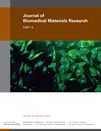
JOURNAL OF BIOMEDICAL MATERIALS RESEARCH PART A
Pioneering research in biocompatible materials for medical innovation.JOURNAL OF BIOMEDICAL MATERIALS RESEARCH PART A, published by WILEY, is a leading journal in the field of biomaterials and biomedical engineering, showcasing cutting-edge research that bridges the gap between material science and healthcare applications. With a robust 2023 impact factor reflecting its high-quality contributions, this journal is classified in the Q2 quartile for Biomaterials, Biomedical Engineering, and Ceramics and Composites, while achieving an impressive Q1 ranking in Metals and Alloys. The journal caters to a diverse readership, including researchers, professionals, and students, aiming to facilitate innovation and advancements in biocompatible materials and their applications in medical devices and tissue engineering. Access options for readers are available, ensuring the latest studies and findings are readily accessible to all stakeholders in this dynamic field. As it progresses towards its 2024 target, the JOURNAL OF BIOMEDICAL MATERIALS RESEARCH PART A continues to be an essential resource for anyone involved in the development and application of biomedical materials.
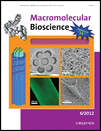
MACROMOLECULAR BIOSCIENCE
Driving Discovery in Polymers and BiotechnologyMACROMOLECULAR BIOSCIENCE, published by WILEY-V C H VERLAG GMBH, is a leading journal in the fields of bioengineering, biomaterials, biotechnology, materials chemistry, and polymers and plastics. With a convergence of scientific inquiry since its inception in 2001, the journal has established itself as a vital resource for researchers and professionals exploring the interface of molecular sciences and biosystems. It boasts impressive Scopus rankings, including Q1 status in multiple categories, reflecting its significant contribution to advancing knowledge and innovation in the polymer and biomaterials domains. While the journal does not currently offer open access options, its rigorous peer-review process ensures the publication of high-quality research that fuels academic discourse. Positioned in Weinheim, Germany, MACROMOLECULAR BIOSCIENCE aims to bridge theoretical understanding with practical applications, making it an essential reference for students, academics, and industry practitioners dedicated to the evolving landscape of macromolecular bioscience.

Biomaterials Advances
Exploring the Future of Bioengineering with BiomaterialsBiomaterials Advances is a premier journal published by Elsevier, dedicated to the rapidly evolving field of biomaterials. Established in the United Kingdom, this open-access journal aims to disseminate high-quality, peer-reviewed research that explores innovative biomaterial designs and their applications in bioengineering and biomedical engineering. With an impressive 2023 impact factor reflected in its Q1 rankings across multiple categories—including Bioengineering, Biomaterials, and Biomedical Engineering—Biomaterials Advances stands out as a critical platform for scholars and practitioners faced with advancing technologies and methodologies in the realm of materials science. Covering a broad range of topics, from biocompatibility to tissue engineering, this journal provides an inclusive forum for researchers seeking to contribute to the field. Its Scopus rankings further affirm its position as a leading resource, with notable standings in Biomedical Engineering (Rank #13), Biomaterials (Rank #8), and Bioengineering (Rank #11), all within the top percentiles. Researchers and students alike are encouraged to contribute and engage with the latest findings and innovations in biomaterials through this valuable publication.

Regenerative Biomaterials
Elevating Standards in Regenerative BiomaterialsRegenerative Biomaterials, published by Oxford University Press, serves as a premier platform for the dissemination of innovative research in the rapidly evolving field of biomaterials. Since its inception in 2014, this esteemed open-access journal has fostered a collaborative and diverse scientific community, providing free access to impactful articles that enhance our understanding of regenerative medicine and tissue engineering. With a commendable impact factor and ranking within the top quartiles of both Biomedical Engineering and Materials Science, it is recognized for its rigorous peer-review process and high-quality publications. The journal aims to bridge the gap between fundamental research and applied sciences, promoting advanced studies that contribute to clinical applications and regeneration strategies. Researchers, practitioners, and students alike are encouraged to engage with the journal’s content to foster interdisciplinary collaboration and drive future innovations in the biomaterials domain.

JOURNAL OF BIOMEDICAL MATERIALS RESEARCH PART B-APPLIED BIOMATERIALS
Advancing the Frontiers of Biomaterials InnovationJOURNAL OF BIOMEDICAL MATERIALS RESEARCH PART B-APPLIED BIOMATERIALS, published by Wiley, is a leading journal in the field of biomaterials and biomedical engineering, with an impact factor reflected in its relevant Scopus rankings—including a Q2 position in Biomedical Engineering and Q3 in Biomaterials for 2023. This journal, with ISSN 1552-4973 and E-ISSN 1552-4981, serves as a vital platform for disseminating pioneering research and innovative applications of biomaterials. Positioned in the United States, it aims to bridge the gap between material science and biological applications, fostering collaboration among researchers, professionals, and students dedicated to advancing technology in healthcare. With a convergence of studies from 2003 to 2024 and a growing focus on open access, the journal ensures greater visibility and accessibility for groundbreaking research. Join us in exploring the dynamic field of biomaterials, as we push the boundaries of science and engineering for improved patient outcomes.

Frontiers in Bioengineering and Biotechnology
Driving Breakthroughs in Biomedical Engineering and BeyondFrontiers in Bioengineering and Biotechnology, published by FRONTIERS MEDIA SA in Switzerland, stands as a leading platform for innovative research and developments in the fields of bioengineering and biotechnology. Since its inception in 2013, this Open Access journal has garnered significant recognition, reflected in its impressive category rankings: Q1 in Biomedical Engineering and Q2 in Bioengineering, Biotechnology, and Histology for 2023. With a focus on fostering collaboration and knowledge sharing, it aims to provide researchers, professionals, and students with access to pioneering studies that push the boundaries of science and technology. The journal, which is indexed in prominent databases, boasts high visibility and impact, evidenced by its impressive rankings across various categories in Scopus. As it continues to converge from 2013 to 2024, Frontiers in Bioengineering and Biotechnology is dedicated to shaping the discourse in its field and promoting advancements that have the potential to transform healthcare and environmental sustainability.
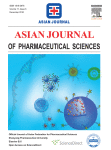
Asian Journal of Pharmaceutical Sciences
Advancing pharmaceutical knowledge for a healthier tomorrow.Asian Journal of Pharmaceutical Sciences is a prestigious open-access journal published by Shenyang Pharmaceutical University, dedicated to advancing research and developments in the field of pharmaceutical sciences. Since its inception in 2009, the journal has successfully converged a wealth of knowledge and innovation, demonstrating an impressive track record with its open access model adopted in 2013, ensuring global dissemination of crucial research findings. With an outstanding impact factor and consistently ranked in the Q1 category for both Pharmaceutical Science and Pharmacology in 2023, it ranks among the top journals in its field, as evidenced by its impressive Scopus rankings—4th out of 183 in Pharmaceutical Science and 10th out of 313 in Pharmacology, showcasing its high relevance and credibility (98th and 96th percentiles respectively). Researchers, professionals, and students can access a diverse array of articles that encompass groundbreaking studies, reviews, and reports, solidifying the journal's position as a vital resource for anyone engaged in pharmaceutical research. With its commitment to quality and accessibility, Asian Journal of Pharmaceutical Sciences plays an essential role in fostering innovation and collaboration within the global scientific community.
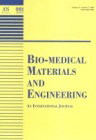
BIO-MEDICAL MATERIALS AND ENGINEERING
Transforming healthcare through cutting-edge research.BIO-MEDICAL MATERIALS AND ENGINEERING, published by IOS PRESS, serves as a vital platform for advancing the fields of biomaterials and biomedical engineering. With its ISSN 0959-2989 and E-ISSN 1878-3619, the journal has been consistently disseminating high-quality research since its inception in 1991, covering a diverse range of studies on the development and application of biomedical materials. Although currently classified in the Q4 quartile in several categories including biomaterials and biomedical engineering, the journal aims to appeal to a broad audience of researchers and professionals, fostering collaboration and innovation in translating new materials into clinical practice. Located in the Netherlands, it emphasizes the importance of interdisciplinary approaches and provides a forum for new ideas and findings that could significantly impact healthcare solutions. While not an open-access journal, it provides various access options to maximize the reach and engagement of its research. Researchers, practitioners, and students alike will find valuable insights and comprehensive studies within its pages, contributing to the continued evolution of biomedical sciences.

VIEW
Fostering Collaboration for a Healthier Tomorrow.VIEW is a prestigious journal published by WILEY that focuses on the rapidly evolving fields of Biomaterials and Biomedical Engineering. Since its inception in 2020, VIEW has established itself as an open-access platform dedicated to disseminating high-quality research and innovation within these disciplines. With an impressive impact factor that places it in the Q1 category of both Biomaterials and Biomedical Engineering, VIEW ranks among the top journals in its field, boasting a 91st percentile ranking in Biomedical Engineering and an 85th percentile ranking in Materials Science. Researchers, professionals, and students are encouraged to utilize this invaluable resource, as it provides a comprehensive view of current advancements and future trends in biomaterial science and engineering. Positioned in the United Kingdom, VIEW operates as a vital scholarly communication link, fostering collaboration and knowledge sharing within an ever-growing global community.