PRZEMYSL CHEMICZNY
Scope & Guideline
Advancing Chemical Knowledge Through Innovative Research
Introduction
Aims and Scopes
- Sustainable Chemistry and Green Technology:
Research on environmentally friendly processes and materials, focusing on reducing waste and energy consumption in chemical production. - Chemical Innovations and Applications:
Studies on new chemical processes, materials, and technologies that improve efficiency and effectiveness in various industrial applications. - Biotechnology and Chemical Engineering:
Exploration of biotechnological advances and their integration into chemical engineering practices to enhance production processes and product quality. - Waste Management and Recycling:
Research on methods for recycling and managing chemical waste, including innovations in biogas and biomethane production. - Hydrogen Economy and Energy Transition:
Studies related to hydrogen production, storage, and utilization, particularly in the context of renewable energy and transition to a low-carbon economy. - Patents and Intellectual Property in Chemistry:
Discussion and analysis of recent patent applications and the implications for innovation and development in the chemical sector.
Trending and Emerging
- Sustainable Energy Solutions:
There is an increasing focus on research related to sustainable energy sources, particularly hydrogen production and utilization, as industries aim to transition to greener practices. - Bioplastics and Eco-Friendly Materials:
Research into biodegradable and eco-friendly materials is gaining traction, highlighting the industry's shift towards sustainable alternatives to conventional plastics. - Artificial Intelligence in Chemistry:
Emerging studies on the application of AI and machine learning in chemical processes and research are becoming more prevalent, indicating a technological shift in the industry. - Advanced Recycling Techniques:
Innovations in recycling processes, especially concerning complex materials such as composites and electronic waste, are trending as the need for circular economy solutions grows. - Chemical Innovations in Agriculture:
Research linking chemical innovations to agricultural applications, particularly in fertilizers and biopesticides, is gaining prominence, reflecting the increasing importance of agricultural sustainability.
Declining or Waning
- Traditional Chemical Processes:
Research focusing on conventional chemical processes and methodologies appears to be less prominent, as the industry shifts towards more innovative and sustainable practices. - Fossil Fuel-Based Technologies:
Papers related to technologies primarily based on fossil fuels are declining, reflecting a broader industry trend towards renewable and sustainable energy sources. - General Chemical Education:
Topics centered on basic chemical education and general chemistry principles are becoming less frequent, possibly overshadowed by more applied and industry-specific research. - Chemical Safety Regulations:
Discussions solely focused on chemical safety regulations without a direct link to technological advancements or industry applications are waning. - Basic Research on Inorganic Compounds:
Publications that delve into basic research on inorganic compounds without direct industrial application are decreasing, as the focus shifts to applied research with immediate impact.
Similar Journals
Journal of Chemistry and Technologies
Fostering Collaboration in Chemical Research.The Journal of Chemistry and Technologies, published by OLES HONCHAR DNIPROPETROVSK NATIONAL UNIVERSITY, is an open access journal dedicated to advancing knowledge in the broad fields of chemistry and chemical engineering since its inception in 2013. With ISSN 2663-2934 and E-ISSN 2663-2942, this journal provides a vital platform for researchers and professionals, particularly in Ukraine and beyond, to share innovative research findings and contemporary technological advancements. Currently ranked in the Q4 quartile in both Chemical Engineering and General Chemistry for 2023, it serves as an enriching resource for those interested in emerging trends and interdisciplinary studies within these domains. The journal adheres to high academic standards while fostering collaboration in the scientific community by offering open access articles that ensure visibility and accessibility to a global audience. As an important part of the academic landscape, the Journal of Chemistry and Technologies aims to inspire future research and development, paving the way for new discoveries and applications in chemistry-related fields.
CHEMIE INGENIEUR TECHNIK
Advancing the Frontiers of Chemical Engineering and Technology.CHEMIE INGENIEUR TECHNIK, published by WILEY-V C H VERLAG GMBH, stands as a significant academic journal in the fields of Chemical Engineering, Chemistry, and Industrial and Manufacturing Engineering. With an ISSN of 0009-286X and an E-ISSN of 1522-2640, this esteemed journal has been contributing to the body of knowledge since 1949 and plans to continue its legacy until 2024. Notably, the journal holds a Q2 quartile ranking in 2023 across various categories, illustrating its recognized impact and relevance within the scientific community, with Scopus ranks indicating it falls within the top 60th to 51st percentiles of its respective fields. Although currently not open access, CHEMIE INGENIEUR TECHNIK provides readers with comprehensive insights into contemporary research, technological advancements, and practical applications, making it an essential resource for researchers, professionals, and students who are keen to stay abreast of developments in chemical processes and engineering advancements.
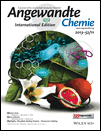
ANGEWANDTE CHEMIE-INTERNATIONAL EDITION
Shaping the Future of Chemical SciencesANGEWANDTE CHEMIE-INTERNATIONAL EDITION, published by WILEY-V C H VERLAG GMBH, stands as a leading journal in the fields of Chemistry and Catalysis, holding a prestigious position with a Q1 ranking in both categories as of 2023. With an ISSN of 1433-7851 and an E-ISSN of 1521-3773, this esteemed publication has been an invaluable resource for the global scientific community since its inception in 1962. The journal's impact is further underscored by its remarkable Scopus rankings, where it occupies the 13th place among 408 journals in General Chemistry and the 4th place among 68 in Chemical Engineering - Catalysis, marking it in the 96th and 94th percentiles, respectively. Although it does not offer Open Access, ANEWANDTE CHEMIE-INTERNATIONAL EDITION remains essential for researchers, professionals, and students seeking to stay abreast of cutting-edge developments and innovations in chemical sciences. Its comprehensive scope and rigorous peer-review process ensure that only the highest quality research finds its way to publication, contributing significantly to the advancement of chemistry worldwide.
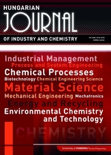
Hungarian Journal of Industry and Chemistry
Charting New Frontiers in Industry and ChemistryHungarian Journal of Industry and Chemistry, published by UNIV PANNONIA, has long been a cornerstone in the fields of industrial and chemical research since its inception in 1974. With a focus on integrating innovative studies and applications within the chemical industry, this journal serves as a vital platform for researchers and practitioners aiming to disseminate their findings and advancements in both theoretical and practical domains. Although its coverage in Scopus has been discontinued post-2002, it continues to be an essential resource for students and professionals seeking insights into the transformative practices and developments in chemistry and industry. The journal's commitment to fostering academic discourse is reflected in its compelling array of articles, making it indispensable for anyone engaged in the evolving landscape of industrial chemistry.

ACS ES&T Engineering
Elevating Knowledge in Engineering and Environmental Chemistry.ACS ES&T Engineering, published by the American Chemical Society, stands as a leading journal in the realm of Chemical Engineering, Environmental Chemistry, and related fields, with a notable Impact Factor indicative of its scholarly influence. Emerging from 2021 with a vision to address contemporary challenges in engineering and environmental health, this Journal not only covers critical studies in Chemical Engineering but also excels in areas such as Process Chemistry and Technology, aligning with its Q1 status across several categories in 2023. With exceptional rankings in Scopus, including a percentile rank in the 90th for Chemical Health and Safety, it offers a significant platform for researchers, educators, and practitioners to disseminate innovative research and practices. Although the journal maintains a subscription model, its commitment to rigorous peer review and high-quality content ensures that readers gain access to pivotal findings essential for advancing knowledge and practice in a rapidly evolving scientific landscape. For those dedicated to tackling global engineering challenges, ACS ES&T Engineering is an invaluable resource.
Trends in Chemistry
Redefining the Landscape of Chemical KnowledgeTrends in Chemistry, published by CELL PRESS, stands at the forefront of the multidisciplinary field of chemistry, offering cutting-edge research and insights that shape contemporary scientific discourse. With its impressive rank of #12 out of 408 in the General Chemistry category of Scopus—placing it in the 97th percentile—this journal represents the pinnacle of academic excellence and innovation. Since its inception in 2019, it has provided a platform for sharing pivotal developments and trends in the chemical sciences, making it an invaluable resource for researchers, professionals, and students alike. Although it operates under subscription access, Trends in Chemistry is dedicated to expanding the frontiers of knowledge and fostering a vibrant academic community. Its Q1 quartile ranking underscores its significance and authority in the field, ensuring that it remains an essential reference point for anyone engaged in the ever-evolving world of chemistry. With its impactful contributions, Trends in Chemistry not only reflects current advancements but also drives future innovation in the discipline.
Applied Chemistry for Engineering
Transforming Research into Engineering ExcellenceApplied Chemistry for Engineering, published by the Korean Society of Industrial and Engineering Chemistry, is a vital resource for researchers and professionals engaged in the realms of chemical engineering and applied chemistry. With an ISSN of 1225-0112 and an E-ISSN of 1228-4505, this journal serves as a platform for innovative research that spans diverse applications within these fields. Although currently not classified under open access, it provides critical insights and advancements to its audience, contributing to the ongoing discourse in the industry. The journal's significance is underscored by its rankings in Scopus, where it resides in the Q4 category for both Chemical Engineering and Chemistry, evidencing its commitment to publishing relevant studies despite its emerging status. As it continues to grow through the converged years from 2007 to 2024, Applied Chemistry for Engineering aims to bridge the gap between theoretical research and practical engineering solutions, making it an essential tool for students, researchers, and professionals alike.
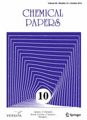
CHEMICAL PAPERS
Pioneering Research for a Sustainable FutureChemical Papers is a distinguished scientific journal published by Springer International Publishing AG, catering to the fields of Biochemistry, Chemical Engineering, and Materials Chemistry. With an ISSN of 0366-6352 and an E-ISSN of 2585-7290, this journal has been a pivotal platform for the dissemination of research findings since its inception in 1973. Over the years, it has maintained a strong academic presence, as evidenced by its Q2 and Q3 rankings in several pertinent categories as of 2023, including Chemical Engineering and Industrial and Manufacturing Engineering. Although the journal is not currently Open Access, it remains an invaluable resource for researchers and professionals across its scope, promoting the advancement of knowledge in chemical sciences and fostering innovation within the industry. The publication is headquartered in Cham, Switzerland, contributing to a global dialogue on chemical research and its applications.
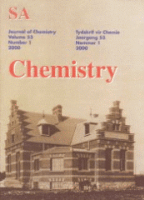
SOUTH AFRICAN JOURNAL OF CHEMISTRY-SUID-AFRIKAANSE TYDSKRIF VIR CHEMIE
Elevating South African Chemistry on the Global StageSouth African Journal of Chemistry (Suid-Afrikaanse Tydskrif vir Chemie), published by Bureau Scientific Publications, is a pivotal open-access journal that has been disseminating groundbreaking research in the field of chemistry since its inception in 1996. With an ISSN of 0379-4350 and an E-ISSN of 1996-840X, this journal serves as a vital platform for researchers and professionals seeking to share their work and engage with the global chemistry community. Recognized for its significant contributions, the journal holds a Q3 quartile ranking in the miscellaneous chemistry category as of 2023 and ranks #216 out of 408 in General Chemistry according to Scopus. The South African Journal of Chemistry is dedicated to advancing knowledge in the discipline by publishing a wide array of articles, reviews, and studies that address pertinent chemical research and applications. With open access options available since 2000, it fosters a collaborative environment, ensuring that research is accessible to all, thereby enhancing the visibility and impact of chemists' work across South Africa and beyond.
ACS Sustainable Chemistry & Engineering
Elevating sustainable practices in chemical sciences.ACS Sustainable Chemistry & Engineering is a premier journal published by the American Chemical Society, dedicated to advancing knowledge and innovation in the fields of sustainable chemistry and engineering. With an impressive impact factor and a consistent ranking in the Q1 category across various disciplines such as Chemical Engineering, Chemistry, Environmental Chemistry, and Renewable Energy, this journal serves as a vital resource for researchers, professionals, and students alike. Since its inception in 2013, the journal has been committed to publishing high-quality, peer-reviewed articles that address the critical challenges of sustainability in chemistry and engineering. With no open-access option currently available, the journal emphasizes the importance of premium scholarly communication. As the field continues to evolve, ACS Sustainable Chemistry & Engineering remains at the forefront of providing cutting-edge research that impacts our understanding and application of sustainable practices in the chemical sciences.