Psychoanalytic Social Work
Scope & Guideline
Unpacking Human Behavior in Social Contexts
Introduction
Aims and Scopes
- Integration of Psychoanalysis and Social Work:
The journal focuses on how psychoanalytic theory can enhance social work practices, particularly in understanding client narratives and therapeutic relationships. - Exploration of Marginalized Populations:
There is a consistent emphasis on addressing the mental health needs of marginalized and vulnerable populations, including LGBTQ+ individuals, racial minorities, and those experiencing homelessness. - Clinical Practice and Supervision:
The journal frequently discusses the dynamics of clinical practice, including countertransference, supervision, and the therapeutic relationship, providing insights into the complexities of therapy. - Cultural and Social Contexts of Mental Health:
Papers often examine the impact of cultural, social, and political factors on mental health and therapy, highlighting the importance of context in psychoanalytic practice. - Emerging Psychological Theories:
The journal contributes to the evolution of psychoanalytic theory by incorporating contemporary psychological insights, including neuroscience and intersectionality.
Trending and Emerging
- Intersectionality in Therapy:
Emerging discussions around intersectionality emphasize the importance of considering various social identities and their impacts on mental health, highlighting the need for inclusive therapeutic practices. - Trauma-Informed Care:
Increased focus on trauma-informed approaches in therapy reflects a broader recognition of the impact of trauma on mental health, particularly among marginalized populations. - Community Psychoanalysis:
There is a notable trend towards community psychoanalysis, emphasizing the role of psychoanalysis in addressing social issues and fostering communal healing. - Neuroscience and Psychotherapy:
Recent papers explore the integration of neuroscience with psychoanalytic practice, suggesting a trend towards empirical validation of therapeutic methods and understanding the brain's role in psychological processes. - Affirmative and Inclusive Practices:
A growing emphasis on affirmative practices in therapy, particularly concerning LGBTQ+ identities, indicates a shift towards more inclusive and supportive therapeutic environments.
Declining or Waning
- Traditional Psychoanalytic Techniques:
There appears to be a diminishing emphasis on classical psychoanalytic techniques and theories, as the journal increasingly favors integrative and contemporary approaches. - Focus on Individual Pathologies:
There is less frequent discussion of individual pathologies in isolation, with a shift towards understanding mental health issues in broader social and relational contexts. - Historical Psychoanalytic Figures:
The reference to historical figures in psychoanalysis, such as Freud and Klein, has decreased, suggesting a move towards more current and relevant theories that address modern societal issues. - Strictly Clinical Case Studies:
While clinical case studies remain important, there is a noticeable reduction in papers that focus solely on individual clinical cases without broader social implications. - Biological Determinism in Psychoanalysis:
The journal has moved away from discussions that heavily emphasize biological determinism, favoring a more holistic view that incorporates social, cultural, and psychological factors.
Similar Journals

Alternativas. Cuadernos de Trabajo Social
Innovative Insights into Social Sciences and HealthAlternativas. Cuadernos de Trabajo Social, published by Universidad de Alicante, serves as a vital platform for scholarly discourse in the fields of Social Sciences, Sociology, and Health, with a focus on emerging social welfare issues. This Open Access journal has been committed to disseminating vital research since 2010, allowing researchers, professionals, and students from around the globe to access invaluable insights into contemporary social challenges. Based in Spain, it has carved out its niche within the academic landscape, achieving Q4 rankings in Health (Social Science) and Q3 in both Social Sciences (Miscellaneous) and Sociology and Political Science for the year 2023. Although the journal's H-index remains undisclosed, its Scopus rankings indicate a growing presence within the academic community, particularly notable is its rank within the 31st percentile for Sociology and Political Science. As the journal continues to converge its efforts towards innovative social solutions from 2019 to 2024, it remains an essential resource for advancing knowledge and fostering informed debate within the critical sectors it addresses.
CONTEMPORARY PSYCHOANALYSIS
Unraveling Complexities of the Human Psyche.CONTEMPORARY PSYCHOANALYSIS is a prestigious peer-reviewed journal dedicated to advancing the fields of psychoanalysis, clinical psychology, and psychiatry. Published by Routledge Journals, Taylor & Francis Ltd, this journal has been a cornerstone of scholarship since its inception in 1964, facilitating a rich dialogue among researchers, practitioners, and academicians alike. With its current standing in the Q3 quartile for both Clinical Psychology and Psychiatry and Mental Health, it serves as a crucial platform for innovative research and theoretical exploration. Although it does not offer Open Access options, CONTEMPORARY PSYCHOANALYSIS remains essential for those seeking cutting-edge insights and rigorous analyses in psychoanalytic frameworks and their applications. The journal's commitment to high academic standards ensures that it continues to be relevant and impactful in the evolving landscape of mental health and psychoanalytic thought.

INTERNATIONAL JOURNAL OF PSYCHOANALYSIS
Advancing the Boundaries of Psychoanalytic KnowledgeINTERNATIONAL JOURNAL OF PSYCHOANALYSIS is a distinguished academic journal published by Taylor & Francis Ltd, focusing on the evolving field of psychoanalysis and its intersections with clinical psychology, psychiatry, and mental health. Established in 1945, the journal has maintained a commitment to advancing theoretical and practical knowledge in psychoanalytic research and practice. With a commendable impact factor and categorized in the Q2 quartile for Clinical Psychology, Medicine, and Psychiatry and Mental Health, it positions itself among the forefront of scholarly contributions in these disciplines. Featuring a diverse array of studies and articles, the journal provides a vital platform for researchers, professionals, and students to engage with contemporary psychoanalytic discourse. Although it does not offer open access, the journal remains a crucial resource for those seeking to deepen their understanding of psychological theories and practices. Its well-curated content encourages rigorous examination and dialogue on the intricacies of human behavior, making it a significant reference point for anyone invested in the mental well-being of individuals.
PSYCHOANALYTIC INQUIRY
Exploring the Depths of the Human PsychePSYCHOANALYTIC INQUIRY is a distinguished journal published by Routledge Journals, Taylor & Francis Ltd, dedicated to advancing the field of psychoanalysis in the context of clinical psychology. Since its inception in 1981, the journal has served as a vital platform for scholars, practitioners, and students to exchange innovative ideas and research findings. With its Q4 category ranking in the 2023 Clinical Psychology quartile, the journal reflects a diverse array of psychoanalytic perspectives and their practical applications in contemporary psychology. Although it operates under a traditional access model, its content is invaluable for those seeking to deepen their understanding of clinical psychoanalysis and its implications for therapeutic practices. Aiming to foster intellectual discourse and enhance clinical practices, the journal navigates through the complexities of the human psyche, making it an essential resource for anyone committed to the nuanced study of psychoanalysis.

Ljetopis Socijalnog Rada
Exploring contemporary challenges in social work research.Ljetopis Socijalnog Rada is a distinguished open-access journal published by the University of Zagreb, Faculty of Law, Department of Social Work. Since its inception in 1994, the journal has been committed to advancing knowledge in the fields of social work, developmental and educational psychology, and sociology. With its ISSN 1846-5412, Ljetopis Socijalnog Rada contributes vital insights through peer-reviewed articles that encourage scholarly dialogue and practical application. Although currently positioned in the fourth quartile, it plays a critical role in disseminating research that informs policy and practice in social services within Croatia and beyond. This journal encourages submissions from researchers, practitioners, and students interested in exploring contemporary challenges and innovations within social work and related disciplines. Access to articles is free, ensuring broad dissemination of research findings and fostering an inclusive academic community.
SOCIAL WORK IN HEALTH CARE
Advancing the Integration of Social Work and Health CareSOCIAL WORK IN HEALTH CARE is a premier peer-reviewed journal published by Routledge Journals, Taylor & Francis Ltd, focusing on the dynamic intersection of social work practices and health care systems. With an impressive track record spanning from 1975 to 2024, this journal plays a pivotal role in advancing the scholarship and practice of social work within medical settings. It is recognized for its strong impact in the field, reflected in its commendable positioning in multiple categories, achieving Q1 status in Community and Home Care and Q2 rankings in both Psychiatry and Mental Health and Social Work. Researchers and professionals will find valuable insights and current trends that address crucial issues such as mental health support, community care strategies, and health policy implications, thereby enhancing their understanding and effectiveness in the field. While currently not offering open access options, the rigorous standards of this publication ensure that each contribution is a reliable resource for advancing knowledge and practice. Join a global community of scholars dedicated to improving the integration of social work in health care settings, and contribute to this vital discourse.
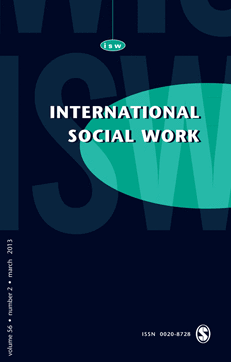
INTERNATIONAL SOCIAL WORK
Elevating Social Work: Research, Practice, ImpactINTERNATIONAL SOCIAL WORK, a leading journal published by SAGE PUBLICATIONS LTD, offers an essential platform for disseminating high-quality research and practices in the field of social work and social sciences. With a strong impact factor and a distinguished presence in the Q1 quartile ranking for Social Sciences, Social Work, and Sociology and Political Science, this journal has established itself as a key resource for academics, practitioners, and students alike. The journal welcomes diverse perspectives and innovative approaches to social issues, promoting critical discussions and evidence-based solutions. Since its inception in 1959, INTERNATIONAL SOCIAL WORK has committed to enhancing professional practice and advancing theoretical developments, making it indispensable for anyone dedicated to research and practice in international social work. Readers can access current and past issues, which together reflect the journal's ongoing contribution to the field and its commitment to fostering global dialogue on social justice and welfare.

PSYCHE-ZEITSCHRIFT FUR PSYCHOANALYSE UND IHRE ANWENDUNGEN
Connecting Scholars and Practitioners in Psychoanalytic DialoguePSYCHE-ZEITSCHRIFT FUR PSYCHOANALYSE UND IHRE ANWENDUNGEN, published by Klett-Cotta Verlag, is a distinguished journal in the field of psychoanalysis, dedicated to exploring the intricate intersections of psychology, clinical practice, and theoretical applications. With a rich history dating back to 1951, this journal offers a platform for innovative research and discourse, contributing significantly to both the clinical psychology and psychiatry domains. While the journal's coverage in Scopus has been discontinued since 2017, it remains an essential resource for scholars and practitioners seeking insights into psychoanalytic theory and its real-world applications. Although it is not currently an open-access journal, its rigorous peer-reviewed articles provide invaluable knowledge and foster academic dialogue that is crucial for advancing the field. With Scopus rankings indicating its relevance and impact within the fields of psychology and mental health, PSYCHE continues to hold a prominent position for those dedicated to the advancement of psychoanalytic thought.
CLINICAL SOCIAL WORK JOURNAL
Bridging Research and Real-World Impact in Clinical Social WorkCLINICAL SOCIAL WORK JOURNAL is a premier publication in the fields of health and social work, published by Springer. This renowned journal, with an ISSN of 0091-1674 and an E-ISSN of 1573-3343, has been a vital resource since its inception in 1973, offering insights until 2024. With a commendable impact factor and ranked in the Q1 category for Health (Social Science), Public Health, and Social Work, it stands as a significant contributor to evidence-based practices and research dissemination in social work. Researchers, professionals, and students alike can benefit from its rigorous peer-reviewed articles that address contemporary issues and innovations within clinical social work. While the journal currently does not offer open access, it maintains a high pedigree with a Scopus rank of #55 in Social Sciences (Health Social Science) and #146 in Medicine (Public Health, Environmental and Occupational Health), reflecting its crucial role in shaping scholarly discourse and informing practice.
JOURNAL OF SOCIAL WORK PRACTICE
Advancing Evidence-Based Approaches in Social WorkJOURNAL OF SOCIAL WORK PRACTICE, published by Routledge Journals, Taylor & Francis Ltd, is a premier publication in the field of social work, aiming to bridge the gap between theory and practice. With ISSN 0265-0533 and E-ISSN 1465-3885, this journal has established itself as a vital resource since its inception in 1983, catering to a diverse audience of researchers, practitioners, and students alike. The journal holds significant rankings, achieving Q1 status in Drug Guides and Q2 status in Social Sciences (miscellaneous), demonstrating its academic excellence and relevance. Although it does not currently offer open access, the impactful content published here contributes to a better understanding of complex social issues and innovative practices in social work. With an engaging scope that encompasses various aspects of social work practice, the JOURNAL OF SOCIAL WORK PRACTICE plays a crucial role in elevating the discourse within the field and promoting evidence-based approaches for practitioners.