Science China-Earth Sciences
metrics 2024
Advancing Knowledge in Earth and Planetary Sciences.
Introduction
Science China-Earth Sciences, published by SCIENCE PRESS, stands as a leading journal in the field of Earth and Planetary Sciences, currently holding a prestigious Q1 ranking in the 2023 category and positioned at Rank #12 out of 195 in Scopus, reflecting its significance with an impressive 94th percentile. Specializing in a wide array of topics including geological processes, environmental science, and planetary studies, the journal serves as a vital resource for researchers, professionals, and students alike, fostering interdisciplinary collaboration and advanced scientific discourse. With a commitment to accessibility and knowledge dissemination, Science China-Earth Sciences offers an Open Access model, ensuring that high-quality research is available to a global audience. Situated in Beijing, China, this journal is dedicated to promoting innovative scientific advancements and understanding the complexities of our planet from 2010 to 2024 and beyond. As such, it remains essential for anyone engaged in the dynamic and evolving field of Earth sciences.
Metrics 2024
 1.656.006.20119
Metrics History
Rank 2024
Scopus
IF (Web Of Science)
JCI (Web Of Science)
Quartile History
Similar Journals
NEW ZEALAND JOURNAL OF GEOLOGY AND GEOPHYSICS
Advancing Knowledge in Geology and Geophysics.NEW ZEALAND JOURNAL OF GEOLOGY AND GEOPHYSICS, published by Taylor & Francis Ltd, stands as a prominent forum dedicated to the interdisciplinary exploration of geological and geophysical phenomena. With an impact factor that situates this journal in the prestigious Q1 category across key subjects—namely Earth and Planetary Sciences, Geology, and Geophysics—it is a critical resource for researchers, professionals, and students alike. The journal has been operational since 1958 and continues to contribute valuable insights into the complexities of the Earth's processes. Although it does not currently offer Open Access options, its broad readership benefits from an extensive archive of high-quality research findings that span from 1958 to 2024. Located in the United Kingdom, the journal remains a pivotal player in advancing the understanding of Earth's systems, making significant contributions to both academic inquiry and practical applications in the field.

All Earth
Advancing Knowledge for a Sustainable PlanetAll Earth is an esteemed open-access journal published by Taylor & Francis Ltd, dedicated to multidisciplinary research in the fields of Earth and Planetary Sciences, Global and Planetary Change, as well as Management, Monitoring, Policy, and Law. Since its inception in 2021, All Earth has swiftly positioned itself in the academic community, achieving notable rankings such as Q2 in Earth and Planetary Sciences and Q3 in related fields, showcasing its commitment to high-quality interdisciplinary scholarship. Researchers and professionals can benefit from its accessible content, which contributes to the ongoing discourse on critical environmental issues and innovative solutions for sustainable development. The journal is based in the United Kingdom and continues to be a vital source of information and inspiration for students and scholars aiming to tackle the pressing challenges of our planet through rigorous scientific inquiry and policy analysis.
Journal of Earth Science
Advancing knowledge in Earth and Planetary Sciences.Journal of Earth Science, published by the China University of Geosciences, Wuhan, is a leading journal in the field of Earth and Planetary Sciences, recognized for its significant contributions to the understanding of geological processes and environmental challenges. With an impressive Q1 ranking among Earth and Planetary Sciences journals and a strong position at Rank #39/195 in Scopus, this journal not only showcases high-quality research but also serves as a crucial platform for disseminating innovative findings, spanning a broad spectrum of topics from geophysics to climate change. The journal adopts an open access model, which enhances the visibility and accessibility of research articles published from 2009 to 2024, thereby facilitating collaboration and knowledge sharing among the global scientific community. With its commitment to advancing geosciences, Journal of Earth Science is invaluable for researchers, professionals, and students alike, eager to stay informed and contribute to ongoing discussions in this dynamic field.
Environmental Earth Sciences
Fostering impactful research for environmental sustainability.Environmental Earth Sciences is a prestigious journal published by Springer, dedicated to advancing knowledge in the multifaceted fields of Earth Sciences, including Earth-Surface Processes, Environmental Chemistry, Geology, and Soil Science. With an ISSN of 1866-6280 and an E-ISSN of 1866-6299, this journal occupies a notable position in the academic landscape, consistently ranked in the Q2 category across multiple disciplines in 2023. It supports open access to foster wider dissemination of impactful research, enhancing visibility and accessibility for authors and readers alike. The journal's ongoing commitment to publishing innovative studies and reviews makes it an essential resource for researchers, professionals, and students alike. With a strong focus on addressing contemporary environmental challenges, Environmental Earth Sciences invites contributions that are both original and interdisciplinary, making a significant impact in understanding Earth dynamics and sustainability.
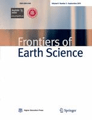
Frontiers of Earth Science
Exploring the Depths of Earth and BeyondFrontiers of Earth Science is a prominent academic journal in the field of Earth and Planetary Sciences, published by Springer. With an ISSN of 2095-0195 and an E-ISSN of 2095-0209, this journal serves as a significant platform for researchers and professionals to disseminate their findings from 2007 to 2024. It is recognized for its impactful contributions within the category of Earth and Planetary Sciences, boasting a respected Q2 ranking in 2023. With a Scopus ranking of 64 out of 195, placing it in the 67th percentile, Frontiers of Earth Science continues to drive academic dialogue and innovation. The journal is dedicated to exploring a diverse range of topics, including geology, meteorology, and environmental science, and amplifying the understanding of Earth systems through rigorous research. Located in New York, USA, this journal embraces an Open Access model, ensuring that groundbreaking research is readily available to the global scientific community, thereby enhancing its accessibility and impact.
Journal of the Korean Earth Science Society
Exploring the Depths of Earth's MysteriesJournal of the Korean Earth Science Society is a leading peer-reviewed publication dedicated to advancing research in the dynamic field of Earth sciences. Published by the Korean Earth Science Society, this journal serves as a vital platform for disseminating original research, reviews, and significant advancements in areas such as geology, mineralogy, geophysics, and environmental science. With its ISSN 1225-6692 and E-ISSN 2287-4518, the journal is recognized for its commitment to quality and rigor. Although it does not provide open access options at present, it continues to play a crucial role in informing the scholarly community and enhancing the understanding of Earth science phenomena, thus bridging knowledge gaps and fostering collaboration among researchers, professionals, and students alike. For those interested in the latest developments and innovative research findings in Earth sciences, the Journal of the Korean Earth Science Society remains an indispensable resource.
GEUS Bulletin
Advancing Knowledge in Earth and Atmospheric Sciences.GEUS Bulletin is a prominent open-access journal published by the Geological Survey Denmark & Greenland, serving as a vital platform for the dissemination of high-quality research in the fields of Atmospheric Science, Earth and Planetary Sciences, Geology, and Geophysics. With an ISSN of 2597-2154, this journal has established a noteworthy presence since its inception in 2020, particularly noted for its impressive categorizations and Scopus rankings—placing it within the top halves of its respective categories. Researchers and professionals alike are encouraged to contribute to its diverse scope that embraces advancing knowledge and innovative methodologies within the Earth sciences. With a current impact factor and the accessibility of articles to a global audience, the GEUS Bulletin seeks to engage the scholarly community through the rigorous scrutiny of peer-reviewed research while ensuring that critical insights are readily available to students and professionals in the field. Join us in exploring the dynamic interplay between the Earth's systems and their atmospheric interactions in this essential academic resource.
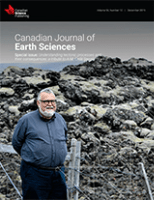
CANADIAN JOURNAL OF EARTH SCIENCES
Advancing Knowledge in Earth and Planetary SciencesCanadian Journal of Earth Sciences, published by Canadian Science Publishing, serves as a leading platform for the dissemination of cutting-edge research in the field of Earth and Planetary Sciences. Since its inception in 1968, the journal has contributed significantly to the advancement of knowledge through its rigorous peer-reviewed articles and has established itself within the Q2 category in Earth and Planetary Sciences, reflecting its strong academic reputation and research impact. With an impactful ranking of #87 out of 195 in Scopus, it is positioned within the 55th percentile, showcasing its relevance and quality in the scientific community. The journal caters to a diverse readership ranging from seasoned researchers to emerging scholars, providing vital insights into geoscience disciplines and fostering discussions on significant environmental issues. While it is not an open-access publication, the Canadian Journal of Earth Sciences remains committed to accessible research, ensuring that high-quality findings are shared widely within the Canadian and global scientific communities.
Earth Sciences Research Journal
Advancing Knowledge for a Sustainable PlanetThe Earth Sciences Research Journal, published by the UNIV NACIONAL DE COLOMBIA, serves as a pivotal platform for the dissemination of knowledge in the diverse field of Earth and Planetary Sciences since its inception. With an ISSN of 1794-6190 and an E-ISSN of 2339-3459, this Open Access journal has been committed to providing unrestricted access to high-quality research since 2004. Located in Bogotá, Colombia, it has gained recognition within the academic community, achieving a Q3 quartile ranking in Earth and Planetary Sciences and notable Scopus rankings, which further underscores its relevance and reach. Its scope encompasses varied research topics, making it an essential resource for researchers, professionals, and students alike, seeking to contribute to or stay informed on the latest developments in the Earth sciences up to the year 2024. The journal not only anticipates cutting-edge research but also emphasizes collaborative dialogues among global experts, driving forward the conversation on critical issues facing our planet.
Vietnam Journal of Earth Sciences
Fostering Collaborations for a Greener TomorrowThe Vietnam Journal of Earth Sciences, ISSN 0866-7187, is a premier publication from the Publishing House Science and Technology based in Viet Nam, dedicated to fostering advancements in the field of Earth and Planetary Sciences. Operating under a Q2 ranking in the 2023 category of Earth and Planetary Sciences (miscellaneous) and positioned at Rank #62 out of 195 in its general category on Scopus, this journal serves as a critical platform for researchers, professionals, and students seeking to disseminate and engage with high-quality scientific findings. Despite being part of the non-open access model, the journal is committed to providing compelling content, encompassing a range of topics from geological hazards to environmental sustainability, ensuring its relevance and contribution to both local and international scientific communities. With coverage that spans from 2018 to 2024, the journal is poised to continue its role in addressing pressing Earth science issues and fostering collaborations among scholars in an increasingly interconnected world.