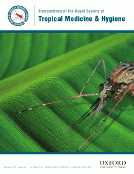
TRANSACTIONS OF THE ROYAL SOCIETY OF TROPICAL MEDICINE AND HYGIENE
Scope & Guideline
Connecting Knowledge to Combat Infectious Diseases
Introduction
Aims and Scopes
- Tropical Infectious Diseases:
Research on the epidemiology, diagnosis, treatment, and prevention of tropical infectious diseases such as malaria, schistosomiasis, leprosy, and neglected tropical diseases. - Public Health Interventions:
Studies evaluating the effectiveness of public health interventions, including mass drug administration, vaccination campaigns, and community awareness programs. - Environmental and Socioeconomic Factors:
Investigations into how environmental changes and socioeconomic conditions influence the prevalence and control of tropical diseases. - One Health Approach:
Research that integrates human, animal, and environmental health to address the complexities of disease transmission and public health challenges. - Clinical Trials and Therapeutics:
Clinical studies focused on novel therapeutic strategies and treatment regimens for managing tropical diseases and associated comorbidities.
Trending and Emerging
- Impact of Climate Change on Health:
Increasing focus on how climate change is affecting the distribution and incidence of tropical diseases, emphasizing the need for adaptive public health strategies. - COVID-19 Related Research:
A significant rise in studies examining the implications of COVID-19 on tropical medicine, including co-infections, healthcare access, and the effects of pandemic-related disruptions on disease control efforts. - Mental Health and Disease Stigma:
Emerging research on the mental health impacts and stigma associated with tropical diseases, reflecting a growing recognition of the psychosocial aspects of health. - Integrated Surveillance Systems:
A trend towards developing integrated surveillance systems that combine data from human, animal, and environmental health to improve disease monitoring and response. - Zoonotic Diseases:
Increased attention to zoonotic diseases and their transmission dynamics, particularly in the context of environmental changes and human-animal interactions.
Declining or Waning
- Traditional Vector Control Methods:
There has been a noticeable decline in papers focusing solely on traditional vector control methods for diseases like malaria and dengue, as newer integrated approaches gain prominence. - Historical Epidemiological Studies:
Research focusing on historical epidemiological trends of tropical diseases seems to be waning, as current and emerging threats take precedence. - Non-communicable Disease Associations:
Research exploring the links between tropical infectious diseases and non-communicable diseases, such as cardiovascular issues, has decreased, possibly overshadowed by more immediate public health concerns.
Similar Journals
JOURNAL OF INFECTION
Elevating Knowledge in Infectious Disease ManagementJOURNAL OF INFECTION is a premier academic publication in the fields of infectious diseases and medical microbiology, published by W B SAUNDERS CO LTD. With a profound impact factor and established since 1979, this journal serves as a crucial resource for researchers, clinicians, and policy-makers seeking to advance knowledge and understanding of infectious processes and their management. The JOURNAL OF INFECTION holds an impressive position in the academic hierarchy as reflected by its Q1 quartile rankings in both Infectious Diseases and Microbiology (medical) for 2023, further underscored by its Scopus rankings: #2 in Medical Microbiology and #5 in Medical Infectious Diseases, placing it in the 98th percentile overall. While the journal does not offer Open Access options, it provides a comprehensive outlet for innovative research, reviews, and clinical insights that drive the field forward. Published from the United Kingdom, it attracts a global readership keen on staying at the forefront of infectious disease research, making it an essential addition to any academic and clinical library.

Research and Reports in Tropical Medicine
Championing discoveries in tropical health challenges.Research and Reports in Tropical Medicine is a distinguished open-access journal dedicated to advancing knowledge in the field of tropical medicine. Published by DOVE MEDICAL PRESS LTD, this journal operates under the ISSN 1179-7282, facilitating global access to quality research since its inception in 2010. With a commitment to disseminating innovative findings and critical analyses, the journal serves as a vital platform for researchers, professionals, and students engaged in the diverse aspects of tropical diseases and public health challenges. Research and Reports in Tropical Medicine welcomes original research articles, reviews, and case studies that contribute to an improved understanding of health issues in tropical regions, making it an essential resource for those aiming to impact global health positively.

Infectious Diseases of Poverty
Transforming research into solutions for vulnerable populations.Infectious Diseases of Poverty, published by BMC, is a leading open-access journal dedicated to addressing the critical intersection of infectious diseases and poverty. Since its inception in 2012, this influential journal has contributed significantly to the fields of public health, infectious diseases, and environmental health. With impressive rankings placing it in the top quartile (Q1) across multiple categories—including Infectious Diseases and Public Health, Environmental and Occupational Health—it stands as a vital resource for researchers and practitioners alike. The journal's commitment to accessibility ensures that high-quality research is available to a global audience, fostering collaboration and knowledge sharing. Based in the UK, Infectious Diseases of Poverty aims to publish innovative research that sheds light on the complexities of infectious diseases and their socio-economic determinants, ultimately working to improve health outcomes in vulnerable populations around the world. With its robust impact factor and esteemed standing within the academic community, this journal serves as an essential platform for advancing the understanding and management of infectious diseases related to poverty.
Revista da Sociedade Brasileira de Medicina Tropical
Illuminating the complexities of microbiology and parasitology.Revista da Sociedade Brasileira de Medicina Tropical is a distinguished open-access journal published by the Sociedade Brasileira de Medicina Tropical, focusing on the critical fields of Infectious Diseases, Microbiology, and Parasitology. Since its inception in 1972, this journal has committed to disseminating impactful research that addresses pressing global health challenges, particularly in tropical and infectious diseases prevalent in Brazil and beyond. With a robust publication history, it has been recognized as a Q3 journal in esteemed categories, reflecting its valuable contributions to scientific literature and its ranking in various Scopus categories, including a notable position in Parasitology. Researchers, professionals, and students are encouraged to engage with its rich repository of research, which has been freely accessible since 1997, fostering a wide-reaching impact on public health strategy and scientific innovation.

Current Tropical Medicine Reports
Advancing knowledge in tropical health.Current Tropical Medicine Reports, published by Springer, is an esteemed journal that serves as a pivotal platform for researchers, professionals, and students in the fields of immunology, allergy, and infectious diseases. With a strong focus on emerging tropical medicine topics, the journal provides an authoritative avenue for disseminating innovative research and practical insights, showcasing its commitment to advancing global health knowledge. Now in its convergence years from 2014 to 2024, it has successfully established itself in the academic community, evidenced by its Q2 rankings in the categories of Infectious Diseases and Immunology and Allergy in 2023, reflecting its impact and relevance. The journal boasts impressive Scopus rankings, holding the 50th position in Infectious Diseases and 55th in Immunology and Allergy, further underscoring its significance in these critical fields. While it operates under a subscription model, the journal serves not only as a resource for published research but also as a catalyst for collaboration and knowledge exchange among the scientific community. With a growing readership, Current Tropical Medicine Reports is poised to continue shaping the discourse surrounding tropical health challenges.
TROPICAL DOCTOR
Bridging gaps in infectious disease research.Tropical Doctor is a distinguished academic journal published by SAGE Publications Inc, specializing in the fields of infectious diseases and public health. With a history dating back to 1971, this journal serves as a crucial platform for disseminating research focused on the health challenges and requirements pertinent to tropical and developing regions. Though currently categorized in the fourth quartile in both Infectious Diseases and Public Health, Environmental and Occupational Health, it plays an essential role in fostering dialogue among researchers, health professionals, and policymakers. The journal provides insights into the prevention, treatment, and management of tropical diseases, thus bridging gaps in knowledge that are vital for improving health outcomes. While it does not offer open access, its rigorous peer-review process ensures that only high-quality research is published. As the global landscape of health continues to evolve, Tropical Doctor remains an important resource for those committed to addressing the pressing health issues in tropical regions.
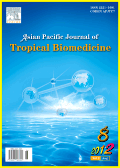
Asian Pacific Journal of Tropical Biomedicine
Empowering Researchers with Open Access Knowledge.The Asian Pacific Journal of Tropical Biomedicine, published by Wolters Kluwer Medknow Publications, is a premier open-access journal dedicated to advancing research in the fields of tropical biomedicine. Launched in 2011 and fully embracing the open-access model since 2014, this journal has become an invaluable resource for researchers, professionals, and students alike. With an impact factor reflective of its Q3 ranking in the category of Biochemistry, Genetics and Molecular Biology (miscellaneous), it currently holds a Scopus rank of #49 out of 103, placing it in the 52nd percentile in its field. Covering diverse topics on biomedicine, the journal aims to disseminate significant findings and foster collaborative research initiatives across the Asian Pacific region and beyond. With its robust commitment to accessibility and quality, the Asian Pacific Journal of Tropical Biomedicine is a vital platform for promoting scientific knowledge and innovation.
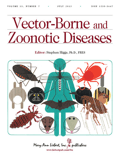
VECTOR-BORNE AND ZOONOTIC DISEASES
Pioneering studies that shape the future of health security.VECTOR-BORNE AND ZOONOTIC DISEASES is a prominent journal dedicated to advancing research in the fields of infectious diseases, microbiology, and virology, published by Mary Ann Liebert, Inc. With a rich history spanning from 2001 to 2024, this journal plays a critical role in disseminating cutting-edge research and insights regarding diseases transmitted by vectors and zoonotic pathogens. It has achieved notable rankings, including Q2 in the Infectious Diseases category and Q3 in both Microbiology and Virology as of 2023. The journal's emphasis on quality and relevance is further underscored by its established position—ranked 151st in Infectious Diseases and within the 43rd percentile in Virology according to Scopus. Although not an open-access journal, the publication ensures that its findings reach a broad audience of researchers, professionals, and students dedicated to tackling the challenges posed by these critical health issues. By providing a platform for innovative studies and discussions, VECTOR-BORNE AND ZOONOTIC DISEASES remains an essential resource for those at the forefront of disease research and public health strategies.
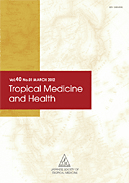
Tropical Medicine and Health
Advancing knowledge for healthier tropical communities.Tropical Medicine and Health is a prestigious open-access journal published by BMC that serves as a vital platform for researchers and health professionals focusing on the fields of tropical medicine, infectious diseases, and public health. With an ISSN of 1348-8945 and an E-ISSN of 1349-4147, the journal has established itself in the academic community since its inception in 2004, bridging the gap between research and real-world applications in managing tropical diseases. Recognized for its quality, it holds a commendable Q2 ranking in both the Infectious Diseases and Public Health, Environmental and Occupational Health categories, positioned in the 2023 Scopus rankings within the 85th and 74th percentiles, respectively. Researchers can access high-quality, peer-reviewed articles that contribute significantly to advancing knowledge in the field. With a commitment to fostering open scientific dialogue, Tropical Medicine and Health is not just a journal, but a collaborative space for researchers, students, and practitioners working to improve health outcomes in tropical regions worldwide.

TROPICAL BIOMEDICINE
Unveiling insights for a healthier tomorrow.Tropical Biomedicine, published by the Malaysian Society of Parasitology and Tropical Medicine, is an influential journal dedicated to the field of infectious diseases and parasitology. Since its inception in 2005, the journal has aimed to advance scientific knowledge and foster research in tropical health, providing a vital platform for disseminating high-quality research findings, case studies, and reviews. With a Q3 ranking in Infectious Diseases and a Q4 in Parasitology for 2023, the journal plays an essential role in addressing the challenges faced in these fields, particularly in tropical and subtropical regions. Although currently not open access, its contributions are pivotal for researchers, healthcare professionals, and students dedicated to combating diseases prevalent in diverse ecological environments. By focusing on relevant topics and innovative approaches, Tropical Biomedicine seeks to enlighten and inspire the ongoing fight against tropical diseases, ultimately improving public health outcomes.