
Telecom
Scope & Guideline
Fostering Global Knowledge Exchange in Telecommunications
Introduction
Aims and Scopes
- Telecommunication Technologies:
The journal focuses on the development and optimization of various telecommunication technologies, including antennas, signal processing, and communication protocols, aimed at enhancing the performance and efficiency of communication systems. - Artificial Intelligence in Telecommunications:
There is a strong emphasis on the application of artificial intelligence and machine learning techniques for improving telecommunications, including network optimization, anomaly detection, and enhancing security measures. - Next-Generation Networks:
Research on next-generation networks, particularly 5G and emerging 6G technologies, is a significant area of focus, exploring their architectures, protocols, and applications to meet future connectivity demands. - Internet of Things (IoT):
The journal addresses the integration and challenges of IoT in telecommunications, including the development of protocols, security, and the impact of IoT on network design and resource management. - Cybersecurity in Telecommunications:
Cybersecurity remains a critical theme, with research aimed at understanding vulnerabilities in telecommunication networks and developing robust security frameworks to protect against various cyber threats. - Emergency and Public Safety Communications:
The journal also explores telecommunications applications in emergency response and public safety, including the design of communication protocols for critical situations.
Trending and Emerging
- 6G Research and Development:
There is a notable increase in research related to sixth-generation (6G) networks, exploring advanced technologies, architectures, and challenges in achieving high-speed and reliable connectivity. - Machine Learning and Network Optimization:
The application of machine learning for optimizing network performance, resource allocation, and predictive maintenance is gaining traction, reflecting the industry's shift towards data-driven decision-making. - Cybersecurity Innovations:
Emerging themes in cybersecurity, particularly those related to telecommunications networks, are increasingly prominent as researchers focus on developing innovative solutions to combat sophisticated cyber threats. - Smart Cities and IoT Integration:
As urbanization increases, the integration of IoT technologies within smart city frameworks is becoming a critical area of research, emphasizing the role of telecommunications in enhancing urban infrastructure. - Emergency Communication Systems:
Research on communication systems designed for emergencies and disaster management is trending, highlighting the importance of robust and reliable telecommunications in critical situations.
Declining or Waning
- Legacy Telecommunications Systems:
Research on older telecommunications systems and technologies is decreasing as the industry shifts towards next-generation networks and solutions that address contemporary challenges. - Basic Theoretical Frameworks:
There appears to be a waning interest in purely theoretical studies without practical applications, as researchers tend to favor studies that incorporate advanced technologies and real-world applications. - Analog Communication Techniques:
With the rapid advancements in digital communication technologies, topics related to traditional analog communication methods are being less frequently addressed. - Telecommunications for Developing Regions:
While important, research focused specifically on telecommunications solutions for developing regions has been less prevalent, possibly overshadowed by broader global technology trends. - Fixed Network Architectures:
Research on fixed network architectures is declining as the focus shifts towards mobile and flexible network solutions, particularly in the context of 5G and future networks.
Similar Journals

IEEE NETWORK
Pioneering Insights in Networking and CommunicationsIEEE NETWORK is a premier journal published by the IEEE-INST ELECTRICAL ELECTRONICS ENGINEERS INC, dedicated to advancing the field of computer networks and communication systems. Recognized for its rigorous peer-review process, this journal holds a prestigious Q1 ranking in multiple categories including Computer Networks and Communications, Hardware and Architecture, Information Systems, and Software according to the 2023 metrics. With a focus on delivering cutting-edge research findings and innovative technologies, IEEE NETWORK aims to bridge academia and industry, providing a vital platform for the dissemination of knowledge among researchers, professionals, and students. While it operates under a subscription-based model, the journal remains a key resource for those seeking to stay informed on the latest trends and developments in the networking domain. Established in 1986 and continuing its publication through 2024, it serves as a critical reference for impactful research that shapes the future of networking technologies.

Ad Hoc Networks
Transforming Communication through Cutting-Edge ResearchAd Hoc Networks, published by Elsevier, is a leading journal in the fields of Computer Networks and Communications, Hardware and Architecture, and Software, with an impressive Q1 ranking in all three categories as of 2023. With an ISSN of 1570-8705 and an E-ISSN of 1570-8713, this journal offers a robust platform for disseminating cutting-edge research and advancements in network technologies, emphasizing the importance of efficient communication protocols and architectures in contemporary computing environments. Operating from the Netherlands, it has emerged as a pivotal resource for researchers and professionals seeking to explore novel methodologies, frameworks, and applications within the domain of ad hoc and wireless networks. The journal's high impact factor and Scopus rankings—44th in Computer Networks and Communications, 20th in Hardware and Architecture, and 53rd in Software—underscore its relevance and authority in the academic community. Ad Hoc Networks is committed to fostering a deeper understanding of the complexities and innovations in network design, making it an essential read for anyone invested in the future of communication technology.
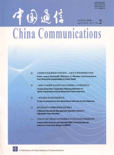
China Communications
Transforming Ideas into Innovations in Communication EngineeringChina Communications is a prestigious peer-reviewed journal published by the China Institute of Communications, dedicated to advancing the field of telecommunications and information technology. With an impressive Q1 ranking in both Computer Networks and Communications and Electrical and Electronic Engineering, this journal stands out as a leading source of cutting-edge research and innovative solutions in the engineering domain. The journal aims to provide a platform for scholars and practitioners to share their findings on the latest trends, technologies, and methodologies impacting the communications landscape in China and beyond. It is particularly noted for its high visibility in the academic community, as demonstrated by its Scopus rankings, which place it in the top percentiles for both fields. Through its commitment to quality content, China Communications contributes significantly to the advancement of knowledge, making it an invaluable resource for researchers, professionals, and students alike.

Future Internet
Empowering Research in the Evolving Internet LandscapeFuture Internet is a leading open-access journal published by MDPI, dedicated to advancing the field of Internet technologies and communication networks. Since its inception in 2009, the journal has provided a platform for rigorous research and innovative ideas in the context of the rapidly evolving digital landscape. Based in Switzerland, it has established itself as a prominent publication, earning a commendable Q2 ranking in the category of Computer Networks and Communications for 2023. With a Scopus ranking of #87/395 and a notable 78th percentile, Future Internet fosters interdisciplinary collaboration, making valuable contributions to the understanding of Internet systems, protocols, and applications. Researchers, professionals, and students alike will find a wealth of insightful articles addressing both theoretical foundations and practical implementations. The open-access format ensures that all readers have immediate and unrestricted access to high-quality research, facilitating knowledge dissemination and informed decision-making in academia and industry alike.

JOURNAL OF COMMUNICATIONS AND NETWORKS
Unveiling Cutting-edge Research in Communication TechnologiesJOURNAL OF COMMUNICATIONS AND NETWORKS, published by the Korean Institute of Communications Sciences (KICS), is a leading academic journal that has been at the forefront of the fields of Computer Networks and Communications as well as Information Systems since its inception in 1999. With a strong commitment to advancing research in these critical areas, this journal has achieved a prestigious Q1 ranking in both domains as of 2023, reflecting its significant impact and innovative contributions to the field. The journal features original research, review articles, and technical notes that address the latest advancements in communication technologies, network architecture, and data management strategies. As a vital resource for researchers, practitioners, and students, it not only disseminates valuable findings but also fosters collaboration and knowledge exchange among diverse disciplines within the communications landscape. With a consistent annual volume, the journal continues to shape the future of communications science and offers authors an esteemed platform to showcase their work.

ICT Express
Bridging Theory and Practical Applications in ICTICT Express is a leading open-access journal published by Elsevier that has established itself at the forefront of the fields of Artificial Intelligence, Computer Networks and Communications, Hardware and Architecture, Information Systems, and Software. Since its inception in 2015, this South Korea-based journal has provided a vital platform for disseminating innovative research and practical applications across these rapidly evolving domains. With an impressive impact factor and consistently high Scopus rankings—placing it in the top quartiles of its categories—it attracts contributions from both seasoned experts and emerging scholars. Current access options ensure that groundbreaking findings are readily available to a global audience, thus fostering collaboration and advancement in technology and computational sciences. As ICT continues to reshape various industries, the significance of research published in ICT Express is crucial for staying ahead in the digital landscape.
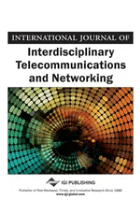
International Journal of Interdisciplinary Telecommunications and Networking
Empowering Research, Transforming ConnectivityThe International Journal of Interdisciplinary Telecommunications and Networking, published by IGI Global, serves as a pivotal resource for researchers, professionals, and students in the fields of telecommunications and networking. With an ISSN of 1941-8663 and an E-ISSN of 1941-8671, this journal aims to bridge the gap between various disciplines, presenting cutting-edge research and innovative solutions that address contemporary challenges in these rapidly evolving fields. Although currently not indexed for Open Access, the journal seeks to foster an inclusive platform for interdisciplinary dialogue, encouraging contributions that explore the intersections of technology, policy, and practice. As a dynamic publication, it aspires to enhance the understanding of telecommunication systems and their impact on society, making it an essential addition to the library of any scholar or practitioner looking to stay at the forefront of technological advancements.

Digital Communications and Networks
Exploring the dynamics of networks and architecture.Digital Communications and Networks, published by KEAI PUBLISHING LTD, stands at the forefront of research in the rapidly evolving fields of communication, computer networks, and hardware architecture. Since its inception in 2015, this open access journal has been committed to disseminating high-quality, peer-reviewed articles that contribute to technological advancements and academic discourse in these critical domains. With an impressive Impact Factor and achieving Q1 Quartile rankings in its relevant categories for 2023, it has established itself as a vital resource for researchers, professionals, and students aiming to stay ahead in a competitive landscape. The journal's robust standing is reflected in its notable Scopus rankings, underscoring its influence in Computer Science and related fields. As we look toward the future, the journal continues to invite innovative research that shapes the digital communication landscape until 2024 and beyond.
TELECOMMUNICATION SYSTEMS
Innovating Communication: Where Theory Meets PracticeTelecommunication Systems is a premier academic journal published by Springer, dedicated to advancing the field of telecommunications and information systems. With an ISSN of 1018-4864 and an E-ISSN of 1572-9451, this journal has established itself as a crucial resource in the realms of Electrical and Electronic Engineering, evidenced by its esteemed ranking in the Q2 category and a 70th percentile standing in Scopus ranks. Since its inception in 1993, it has provided an important platform for original research, innovative solutions, and theoretical developments in telecommunications technologies. The journal's objectives include fostering interdisciplinary collaboration and exploring the latest advancements in communication systems, making it essential reading for researchers, professionals, and students alike. With its commitment to quality and relevance, Telecommunication Systems remains at the forefront of scholarly communication in the dynamic telecommunications sector.

IEEE COMMUNICATIONS MAGAZINE
Navigating the Evolving Landscape of TechnologyIEEE Communications Magazine, published by the Institute of Electrical and Electronics Engineers (IEEE), is a leading journal in the fields of Computer Networks and Communications, Computer Science Applications, and Electrical and Electronic Engineering. With an impressive impact factor reflected in its Q1 quartile rankings across multiple categories, this periodical stands at the forefront of technological advancement and innovation. Since its inception in 1979, the magazine has been committed to disseminating high-quality research and insightful reviews that address current issues in communications technology. Targeting an audience that includes researchers, industry professionals, and students, IEEE Communications Magazine strives to foster a deeper understanding of emerging trends and challenges in the communications sector. Its affiliation with IEEE, a global leader in advancing technology, underlines the journal's credibility and significance in supporting scholarly communication in electrical and electronic engineering. The magazine operates without open access options, necessitating subscription or institutional access for its comprehensive content.