
Trauma Monthly
Scope & Guideline
Pioneering advancements in trauma care worldwide.
Introduction
Aims and Scopes
- Clinical Research on Trauma Management:
The journal publishes studies that explore various aspects of trauma management, including surgical interventions, emergency care protocols, and rehabilitation outcomes. - Systematic Reviews and Meta-Analyses:
A significant portion of the journal's content comprises systematic reviews and meta-analyses that synthesize existing literature to provide evidence-based recommendations for trauma care. - Impact of Technological Advancements:
Research on the application of new technologies, such as artificial intelligence and ultrasound imaging, in the diagnosis and treatment of trauma is a core focus area. - Public Health and Trauma Epidemiology:
The journal covers epidemiological studies that assess the prevalence, risk factors, and outcomes associated with traumatic injuries, particularly in specific populations or regions. - Psychological Aspects of Trauma:
Papers addressing the psychological impact of trauma, including PTSD and post-traumatic growth, highlight the journal's commitment to understanding trauma's effects beyond the physical injuries.
Trending and Emerging
- Artificial Intelligence in Trauma Care:
The integration of AI in trauma diagnostics and management is becoming increasingly popular, highlighting its potential to enhance decision-making and patient outcomes. - Critical Care and Trauma Interventions:
There is a rising trend in research focusing on critical care protocols and interventions for trauma patients, emphasizing the need for specialized care in intensive settings. - Psychological Resilience and Recovery Post-Trauma:
Studies examining psychological resilience, post-traumatic stress disorder (PTSD), and recovery pathways are gaining traction, reflecting a broader understanding of trauma's impact on mental health. - Innovative Wound Healing Techniques:
Research on novel wound healing methods, including the use of biomaterials and regenerative medicine, is increasingly featured, showcasing advancements in trauma recovery. - Disaster and Emergency Preparedness:
An emerging focus on trauma care in disaster settings and the role of emergency medical services indicates a growing recognition of the need for preparedness in crisis situations.
Declining or Waning
- Traditional Surgical Techniques:
There has been a noticeable decrease in studies focusing solely on traditional surgical techniques for trauma, as the field shifts towards minimally invasive and technologically advanced methods. - Single-Cause Trauma Studies:
Research centered on isolated trauma cases appears to be waning, with a growing preference for studies that consider multiple trauma mechanisms and their combined effects. - Conventional Pain Management Approaches:
There is a decline in papers discussing standard pain management protocols, as newer methodologies and holistic approaches to pain relief are gaining traction. - Injury Prevention in Non-Athletic Populations:
Research focusing on injury prevention strategies for non-athletic populations is less prevalent, possibly due to a growing emphasis on athletic injuries and sports medicine. - Basic Case Reports:
The journal has seen a reduction in the number of basic case reports, as the focus shifts towards more comprehensive studies that address broader clinical questions.
Similar Journals

Turkish Journal of Emergency Medicine
Empowering emergency medicine with open access knowledge.Turkish Journal of Emergency Medicine, published by Wolters Kluwer Medknow Publications, is a premier Open Access journal dedicated to advancing the field of emergency and critical care medicine. With an ISSN of 2452-2473, the journal has established a global readership since its inception in 2014, ensuring that groundbreaking research is accessible to all. Situated in Turkey, this journal has been recognized for its significant contributions to the medical community, currently holding a Q2 rank in both Critical Care and Intensive Care Medicine and Emergency Medicine as of 2023. The journal aims to publish insightful articles that cover a wide range of topics within its scope, making it a crucial resource for researchers, healthcare professionals, and students who are committed to improving patient outcomes in emergency settings. Accessible online, it fosters collaboration and knowledge sharing across borders, positioning itself as an essential platform for the latest advancements in this critical discipline.
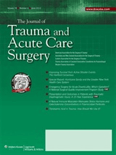
Journal of Trauma and Acute Care Surgery
Driving Excellence in Acute Care Medicine and SurgeryThe Journal of Trauma and Acute Care Surgery, published by Lippincott Williams & Wilkins, stands at the forefront of critical research in the fields of trauma, surgery, and acute care medicine. With a 2023 Impact Factor placing it impressively in the Q1 category of both Critical Care and Intensive Care Medicine and Surgery, this journal is indispensable for professionals seeking to advance clinical and academic rigor in these domains. Covering an extensive range of topics from innovative surgical techniques to effective trauma management strategies, it serves as a vital resource for researchers and practitioners alike, fostering the dissemination of high-quality evidence and best practices. The journal's commitment to open access ensures that groundbreaking work is available to a global audience, facilitating collaboration and knowledge-sharing across multidisciplinary fields. With its prominent standing, ranked 48th out of 551 in Surgery and 24th out of 110 in Critical Care according to Scopus, the Journal of Trauma and Acute Care Surgery is poised to impact the evolving landscape of medical science significantly.

Trauma Surgery & Acute Care Open
Exploring breakthroughs in trauma surgery and emergency care.Trauma Surgery & Acute Care Open, published by the BMJ PUBLISHING GROUP, is a leading open-access journal that has been at the forefront of disseminating high-quality research in the fields of trauma surgery and acute care since its inception in 2016. With an impressive Q1 ranking in both Critical Care and Intensive Care Medicine and Surgery as of 2023, this journal is dedicated to promoting knowledge and clinical practices that enhance patient outcomes in critical situations. The journal’s accessible format ensures that its content reaches a wide audience of researchers, healthcare professionals, and students committed to advancing the understanding and management of trauma and emergency care. The journal’s international focus and impactful articles contribute significantly to ongoing developments in surgery and critical care medicine, making it an essential resource for anyone involved in these dynamic fields. Stay informed, engaged, and inspired by the latest research and innovations that shape trauma surgery and acute care practices globally.
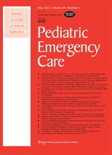
PEDIATRIC EMERGENCY CARE
Shaping the Future of Emergency Medicine for ChildrenPediatric Emergency Care, published by Lippincott Williams & Wilkins, serves as a vital resource within the fields of Emergency Medicine, Pediatrics, and Child Health. Established in 1985, this journal offers a platform for the dissemination of impactful research, offering critical insights for healthcare professionals dedicated to improving emergency care for children. With an impressive impact factor, it ranks in the Q2 category in Emergency Medicine and Pediatrics, highlighting its significance in advancing clinical practices and outcomes. Although not an open-access journal, it provides extensive access options to ensure the research is available to a broad spectrum of readers. The journal's rigorous standards and commitment to excellence make it an essential tool for researchers, practitioners, and students aiming to stay at the forefront of pediatric emergency care advancements.
European Journal of Orthopaedic Surgery and Traumatology
Connecting Knowledge with Practice in OrthopaedicsThe European Journal of Orthopaedic Surgery and Traumatology, published by SPRINGERNATURE, is a leading periodical in the fields of orthopedics and trauma care, with a proud history of contributing valuable insights since its inception in 1995. Operating from Germany and featuring both print and electronic formats (ISSN: 1633-8065, E-ISSN: 1432-1068), the journal is committed to advancing research and clinical practices in orthopedic surgery and rehabilitation. With its strong positioning in both the Q2 category for Orthopedics and Sports Medicine and the elite Q1 category in Surgery, the journal exemplifies quality and relevance within its domain. It has been consistently recognized in Scopus rankings, with notable performance across various categories, including a rank of #181 out of 551 in Surgery and #137 out of 321 in Orthopedics and Sports Medicine, placing it in the esteemed 67th and 57th percentiles respectively. The journal aims to disseminate up-to-date research, innovations, and clinical practices, making it an essential resource for researchers, clinicians, and students committed to excellence in orthopedic care.

Military Medical Research
Connecting research and practice for military health excellence.Military Medical Research is a premier open-access journal published by BMC, dedicated to advancing the field of military medicine. Since its launch in 2014, this journal has become a vital resource for researchers, healthcare professionals, and students interested in the interdisciplinary aspects of military health, offering a platform for innovative research that addresses the unique medical challenges faced by military personnel and veterans. With an impressive Q1 classification in Medicine (miscellaneous), ranked #9 out of 636 in General Medicine by Scopus and holding a remarkable 98th percentile ranking, Military Medical Research exemplifies excellence in scholarly contributions. The journal provides authors with the opportunity to disseminate their findings widely, as it is fully accessible online, facilitating knowledge transfer and collaboration across borders. As it converges from 2014 to 2024, the journal continues to play an instrumental role in shaping the future of military medicine, fostering innovations that can lead to improved health outcomes for service members and their families.
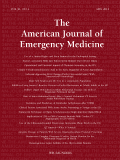
AMERICAN JOURNAL OF EMERGENCY MEDICINE
Driving Innovation in Emergency Healthcare PracticesThe American Journal of Emergency Medicine, published by W B Saunders Co-Elsevier Inc, stands as a premier platform for the dissemination of high-quality research in the field of emergency medicine. With the ISSN 0735-6757 and E-ISSN 1532-8171, this esteemed journal features contributions that shape clinical practices and enhance patient care in urgent medical scenarios. Since its inception in 1983, the journal has garnered a notable Q1 ranking in Emergency Medicine and a Q2 ranking in Medicine (miscellaneous) for 2023, reflecting its significant impact in the field, as denoted by its Scopus rank of 12 out of 109, placing it in the 89th percentile. Researchers and practitioners alike benefit from the rigorous peer-review process, ensuring that only impactful studies are published, even as the journal maintains a non-open access model, allowing for selective availability of pioneering research. By fostering academic dialogue and advancing knowledge, the American Journal of Emergency Medicine plays a crucial role in addressing the dynamic challenges faced by healthcare professionals in emergency settings.
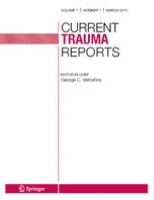
Current Trauma Reports
Connecting researchers and practitioners for better trauma care.Current Trauma Reports is an esteemed academic journal published by Springer, focusing on the dynamic and rapidly evolving fields of trauma research, orthopedics, surgical practices, and rehabilitation. With an ISSN of 2198-6096 and an impressive impact reflected in its Q3 quartile rankings for 2023 across multiple categories, this journal serves as a vital resource for researchers, healthcare professionals, and students alike. Established in 2015, it presents a harmonious blend of cutting-edge research and practical insights oriented towards improving trauma care and patient outcomes. As an Open Access journal, it ensures wide dissemination of knowledge, catering to a global audience dedicated to advancing medical science. Through its comprehensive scope and rigorous peer-reviewed process, Current Trauma Reports is positioned as a leading platform for discussing innovations and challenges within the field of trauma and rehabilitation.
JOURNAL OF ORTHOPAEDIC TRAUMA
Elevating orthopaedic practices with cutting-edge insights.Journal of Orthopaedic Trauma, published by Lippincott Williams & Wilkins, is a premier peer-reviewed journal dedicated to advancing the field of orthopaedics, with a particular focus on trauma management and surgical intervention. Established in 1987, this journal has positioned itself within the top quartile (Q1) of leading medical disciplines, including orthopaedics, surgery, and sports science, demonstrating its significant impact on the academic community, as reflected in its robust Scopus rankings. Researchers, clinicians, and students can benefit from its comprehensive coverage of groundbreaking studies, clinical trials, and innovative techniques, all of which contribute to the ongoing evolution of trauma care. Although it does not currently offer open access, the quality and relevance of its content ensure that it remains a vital resource for those committed to improving patient outcomes in orthopaedic trauma. With its converging years spanning from 1987 to 2024, Journal of Orthopaedic Trauma continues to foster critical discussions and disseminate essential knowledge in the realm of orthopaedics.
JOURNAL OF EMERGENCY MEDICINE
Fostering innovation in urgent medical practices.The JOURNAL OF EMERGENCY MEDICINE, published by Elsevier Science Inc, is a premier peer-reviewed journal dedicated to advancing the field of emergency medicine. Since its inception in 1983, this journal has served as an essential resource for researchers, clinicians, and students, contributing significantly to evidence-based practices and innovations in the emergency medical landscape. With an impressive ranking of 43 out of 109 in the field of Emergency Medicine according to Scopus, and a current impact factor placing it in the Q2 quartile, this publication is recognized for its rigorous scholarly content and relevance in tackling contemporary issues in emergency care. Although it does not offer open access, the journal remains widely respected for its contribution to the global emergency medicine community, fostering new ideas and discussions that drive the field forward. For those seeking to stay at the forefront of emergency medical research, the JOURNAL OF EMERGENCY MEDICINE is an invaluable addition to your academic endeavors.