
Zeitschrift fur Arznei- & Gewurzpflanzen
Scope & Guideline
Cultivating Insights in Agronomy and Food Science
Introduction
Aims and Scopes
- Cultivation and Agronomy of Medicinal Plants:
The journal extensively covers research related to the cultivation techniques, agronomic practices, and sustainable farming of medicinal plants, spices, and herbs. - Phytochemistry and Pharmacology:
A significant focus is placed on the chemical properties of these plants, including the extraction of bioactive compounds and their pharmacological applications. - Historical and Cultural Perspectives:
The journal also explores the historical significance and cultural uses of medicinal and spice plants, linking traditional knowledge with modern practices. - Innovative Research and Technology:
Research on innovative agricultural technologies, including the use of digital tools and sustainable practices in the cultivation of these plants, is a core aspect of the journal's scope. - Networking and Collaboration:
The journal emphasizes the importance of networking within the research community, hosting conferences and seminars to facilitate discussions and collaborations.
Trending and Emerging
- Sustainable and Organic Cultivation Practices:
There is an increasing focus on sustainable agricultural practices, including organic cultivation, which aligns with global trends towards environmentally friendly farming. - Health Implications of Medicinal Plants:
Emerging research highlights the health benefits of various medicinal plants, particularly in the context of modern health challenges such as long-COVID and immune support. - Technological Innovations in Agriculture:
The use of technology, including digital tools and precision agriculture, is gaining prominence, reflecting a modern approach to enhancing the quality and yield of medicinal plants. - Circular Economy in Plant Production:
The concept of a circular economy, particularly in the context of value creation from medicinal and aromatic plants, is an emerging theme that addresses sustainability and resource management. - Phytotherapy for Modern Health Issues:
Research is increasingly exploring phytotherapeutic approaches for contemporary health issues, such as emerging infectious diseases, showcasing the relevance of traditional knowledge in modern contexts.
Declining or Waning
- Traditional Uses of Medicinal Plants:
There has been a decline in research focusing solely on the traditional uses of medicinal plants, as the journal shifts towards more empirical and data-driven studies. - Chemical Control Methods in Agriculture:
As sustainability becomes a priority, research on chemical control methods for pests and diseases in medicinal and spice plant cultivation has seen a decrease. - Historical Reviews on Medicinal Plant Literature:
The journal has published fewer articles dedicated to historical reviews, suggesting a shift towards contemporary research and practical applications.
Similar Journals
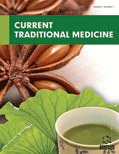
Current Traditional Medicine
Exploring the Synergy of Tradition and Innovation in MedicineCurrent Traditional Medicine, published by Bentham Science Publishers, is an esteemed open-access journal that has been at the forefront of disseminating research in the field of Complementary and Alternative Medicine since its inception in 2015. With ISSN 2215-0838 and E-ISSN 2215-0846, this journal aims to foster scholarly dialogue and innovation by providing a platform for the publication of high-quality studies, reviews, and clinical insights concerning traditional medicine practices and their integration with modern healthcare. Acknowledging the growing relevance of these subjects, Current Traditional Medicine holds a Q3 quartile ranking in Complementary and Alternative Medicine and is positioned within the 30th percentile among its peers. The journal serves as a pivotal resource for researchers, professionals, and students alike, encouraging exploration and advancement in the fields of pharmacology, drug discovery, and herbal medicine. Readily accessible, it ensures that cutting-edge research reaches a global audience, thereby significantly contributing to the evolving landscape of health sciences.

Records of Natural Products
Catalyzing Breakthroughs in Drug Discovery and BeyondRecords of Natural Products is a distinguished journal focused on the dynamic fields of Drug Discovery, Organic Chemistry, Pharmacology, and Plant Science. Published by ACG PUBLICATIONS in Turkey, this journal serves as a vital platform for disseminating innovative research findings and advancements in natural product studies. With its convergence spanning from 2009 to 2024, Records of Natural Products holds a commendable position in the academic realm, featuring a 2023 Q3 ranking in Drug Discovery and Organic Chemistry, alongside a notable Q2 ranking in Plant Science. Despite its current lack of open access, the journal is committed to providing quality content that enriches the understanding of natural products and their potential applications. Researchers and professionals alike can benefit from the journal's insights, which not only contribute to scientific knowledge but also facilitate advancements in pharmaceuticals and sustainable practices. By exploring the rich tapestry of natural product research, this journal underscores its importance as a leading resource for professionals dedicated to enhancing the efficacy and application of natural compounds.

Kuwait Journal of Science
Unlocking Scientific Potential for a Global AudienceKuwait Journal of Science, published by ELSEVIER, is a prominent open-access journal that has been disseminating high-quality research since 2013. With a focus on multidisciplinary fields, the journal ranks in the Q2 category and holds a commendable position as #63 out of 171 in the Scopus Multidisciplinary rankings, placing it at the 63rd percentile. This journal serves as a vital platform for researchers, professionals, and students interested in cutting-edge scientific advancements and discoveries. The open-access model ensures that a wider audience can access and benefit from the research published, fostering collaboration and innovation across various disciplines. Based in Kuwait and backed by the reputable publisher ELSEVIER, the Kuwait Journal of Science aims to contribute significantly to the global scientific community by providing a space for impactful research findings and interdisciplinary dialogue.
PHYTOMEDICINE
Connecting Research and Practice in PhytomedicinePHYTOMEDICINE is a premier journal published by Elsevier GmbH, based in Germany, that serves as a central hub for the dissemination of innovative research in the fields of Complementary and Alternative Medicine, Drug Discovery, Molecular Medicine, Pharmaceutical Science, and Pharmacology. Established in 1994, this multidisciplinary journal has rapidly ascended to a Q1 ranking across these categories in 2023, highlighting its significance and impact within the scientific community. With its current Scopus rankings placing it in the top tiers—such as #3 in Complementary and Alternative Medicine and #17 in Pharmaceutical Science—PHYTOMEDICINE is recognized for its commitment to publishing high-quality, peer-reviewed articles that advance our understanding of phytotherapeutics and their applications. Researchers and professionals in the field benefit from its rigorous standards and comprehensive coverage, while students gain access to essential findings that shape contemporary practices in medicine and pharmacology. Its continued focus on critical advancements ensures that PHYTOMEDICINE remains a vital resource for anyone involved in the exploration of medicinal plants and their potential health benefits.
Journal of Herbal Medicine
Bridging Ancient Wisdom and Modern Research in Herbal HealingThe Journal of Herbal Medicine, published by Elsevier GmbH in Germany, stands at the forefront of research in the dynamic and evolving field of complementary and alternative medicine. With an ISSN of 2210-8033 and an E-ISSN of 2210-8041, this journal has been contributing significant insights since its inception in 2011 and continues to be a vital resource through 2024. Recognized for its scholarly rigor, it holds a commendable Q2 ranking in the 2023 Scopus category for Complementary and Alternative Medicine, placing it in the upper echelons of its field with a rank of 32 out of 105 journals, marking it in the 70th percentile. The Journal of Herbal Medicine emphasizes the integration of traditional herbal therapies and modern scientific approaches, offering researchers, professionals, and students a platform for disseminating their findings and fostering an inclusive dialogue on natural medicine's role in healthcare. Although it is not an open-access publication, its commitment to high-quality research makes it an essential read for those wanting to explore the efficacy and application of herbal medicine in contemporary practice.

Fitoterapia
Illuminating the Path of Pharmacological ExplorationFitoterapia is a prestigious journal published by Elsevier that specializes in the fields of drug discovery and pharmacology. Established in 1948 and featuring a comprehensive scope that encompasses all aspects of medicinal plants and their derivatives, this journal is a critical resource for researchers, professionals, and students interested in the pharmacological effects of natural products. With an impressive impact factor reflected in its Q2 ranking in both Drug Discovery and Medicine as well as a Q3 ranking in Pharmacology, Fitoterapia plays a vital role in promoting innovative research in the intersection of traditional medicine and modern pharmacological science. The journal’s commitment to quality is further highlighted by its rankings in Scopus, where it holds a notable position among peers in its field. Although Fitoterapia does not currently offer Open Access, its reputation for rigor and relevance makes it an indispensable asset for anyone engaged in herbal medicine research and development. Authors and researchers seeking to publish groundbreaking findings will find a welcoming platform to disseminate their work in this influential journal.

Acta Scientiarum Polonorum-Hortorum Cultus
Nurturing the Future of Horticultural Science.Acta Scientiarum Polonorum-Hortorum Cultus is a notable open-access journal dedicated to the field of horticultural science, published by UNIV LIFE SCIENCES LUBLIN in Poland. Since its inception in 2002, it has aimed to disseminate high-quality research findings, innovative methodologies, and advancements in the horticultural sector. The journal is indexed in Scopus and has ranked in the 33rd percentile for Horticulture and the 25th percentile for Plant Science, indicating its growing influence and relevance within the scientific community. Despite the challenges presented in quartile categorizations, Acta Scientiarum Polonorum maintains a commitment to cultivating knowledge and fostering collaboration among researchers, professionals, and students in the agricultural and biological sciences. With its publication timelines spanning from 2008 to 2024, the journal serves as a vital resource for those interested in the latest horticultural trends, sustainable practices, and scientific inquiries that drive the field forward.
MEDICINE
Cultivating excellence in the pursuit of medical advancements.MEDICINE, published by Lippincott Williams & Wilkins, is an esteemed open access journal in the field of general medicine, holding a significant position with a Scopus rank of #190 out of 636 in its category (2023), placing it in the 70th percentile. Since its inception in 1922, MEDICINE has been a vital platform for researchers, professionals, and students to disseminate groundbreaking findings and advancements in the medical field. With the transition to open access in 2014, the journal ensures that valuable research is readily available to a global audience, fostering collaboration and innovation across diverse medical disciplines. Its current impact factor and influence in the miscellaneous medicine category (Q3) reflect its commitment to supporting rigorous peer-review processes and promoting scholarly excellence. Located in Philadelphia, PA, the journal covers a wide range of topics, making it a crucial resource for those dedicated to the betterment of healthcare and medical education.

Annals of Phytomedicine-An International Journal
Fostering Global Dialogue on Medicinal PlantsAnnals of Phytomedicine - An International Journal is a leading publication dedicated to the exploration and advancement of phytomedicine, broadly encompassing research on medicinal plants, their bioactive compounds, and therapeutic applications. Published by UKAAZ Publications, this journal seeks to bridge the gap between traditional and modern medicinal practices, offering a platform for researchers, professionals, and students passionate about herbal therapies and their efficacy. With an ISSN 2393-9885 and E-ISSN 2278-9839, the journal adheres to stringent peer-review protocols to ensure the publication of high-quality research. Fostering open access to knowledge in a rapidly evolving field, Annals of Phytomedicine serves as an essential resource, promoting innovative findings and comprehensive reviews that drive the global discourse on phytotherapy. By engaging with this journal, readers can stay informed about the latest advancements, contributing significantly to the scholarly community and beyond.

Revista Brasileira de Farmacognosia-Brazilian Journal of Pharmacognosy
Exploring the Frontiers of Pharmacognosy.Revista Brasileira de Farmacognosia-Brazilian Journal of Pharmacognosy, published by SpringerNature, stands at the forefront of scientific exploration in the field of pharmacology, toxicology, and pharmaceutics. With an impressive Q2 ranking in the 2023 category concerning miscellaneous pharmacological sciences and a commendable Scopus rank of #30 out of 80, this journal serves as a crucial platform for disseminating innovative research and advancements in pharmacognosy. The journal, which has been a vital part of the academic landscape since 2007, seeks to facilitate open access to knowledge for researchers, professionals, and students, thereby fostering a collaborative community dedicated to enhancing understanding of medicinal resources and their applications. Through rigorous peer review and a commitment to quality, the Brazilian Journal of Pharmacognosy aims to advance the frontiers of pharmaceutical sciences and promote the sustainable use of natural products in Brazil and beyond.