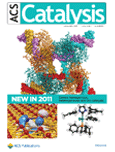
ACS Catalysis
metrics 2024
Catalyzing Knowledge for a Greener Tomorrow
Introduction
ACS Catalysis, published by the American Chemical Society, stands as a premier journal in the field of catalysis, offering a vital platform for researchers, professionals, and students focused on advancing the science of catalysis and its applications. With an impressive impact factor placing it in the Q1 category for both Catalysis and Chemistry (miscellaneous), this journal has established itself as a leading source of high-quality research findings, currently ranking #21 out of 408 in General Chemistry and #9 out of 68 in Catalysis according to Scopus. Since its inception in 2011, ACS Catalysis has aimed to publish innovative research that addresses the critical challenges in catalytic processes, advancing our understanding of both fundamental and applied aspects of catalysis. With a commitment to promoting open scientific discourse, it serves a vital role for those interested in the latest methodologies, discoveries, and trends in this essential discipline. Based in Washington, DC, ACS Catalysis continues to uphold the highest standards of scholarship and collaboration within the vibrant community of chemists and engineers worldwide.
Metrics 2024
 3.8511.3012.60293
Metrics History
Rank 2024
Scopus
IF (Web Of Science)
JCI (Web Of Science)
Quartile History
Similar Journals
Catalysis in Industry
Unleashing the potential of catalysis in industry.Catalysis in Industry, published by MAIK NAUKA-INTERPERIODICA, is a pivotal journal in the field of chemical engineering and catalysis. With its ISSN 2070-0504 and E-ISSN 2070-0555, this journal has been dedicated to advancing the understanding and application of catalytic processes in industrial settings since its inception in 2010. Despite its Q4 ranking in the category of Catalysis as of 2023 and a Scopus rank of #61/68, the journal serves as a valuable platform for researchers and practitioners to disseminate innovative ideas and findings that contribute to the evolution of catalysis technology. Published in Russia, Catalysis in Industry aims to bridge the gap between academic research and industrial practice, providing Open Access options to facilitate widespread accessibility and encourage a collaborative approach to chemical engineering challenges. As the industry grapples with the demand for sustainable solutions and efficient processes, this journal remains a critical resource for the academic community, aspiring professionals, and students eager to deepen their knowledge in catalytic applications.
CATALYSIS REVIEWS-SCIENCE AND ENGINEERING
Unleashing Innovation in Catalysis and EngineeringCATALYSIS REVIEWS - SCIENCE AND ENGINEERING, published by Taylor & Francis Inc, is a leading journal in the field of catalysis, providing a vital platform for the dissemination of rigorous research and comprehensive reviews from 1968 to the present. With an impressive Q1 ranking in multiple categories, including Catalysis and Chemistry, this journal stands out as an essential resource for professionals, researchers, and students alike. Its high impact factor and esteemed Scopus ranks — including 3rd in Chemical Engineering: Process Chemistry and Technology — highlight the journal's influence and prestige within the scientific community. While primarily a subscription-based publication, the journal’s commitment to advancing the understanding of catalytic processes continues to foster innovation in various industrial applications, making it indispensable for anyone engaged in the fields of chemical engineering and applied chemistry.
TOPICS IN CATALYSIS
Pioneering Insights in Chemistry and Chemical EngineeringTOPICS IN CATALYSIS is a renowned journal published by SPRINGER/PLENUM PUBLISHERS, dedicated to advancing the field of catalysis and its applications in chemistry and chemical engineering. With its ISSN 1022-5528 and E-ISSN 1572-9028, this journal has been a critical resource since its inception in 1994, encompassing a wide range of research topics and recent advancements within the realm of catalysis, including both fundamental studies and practical applications. As of 2023, it holds a prestigious Q3 ranking in Catalysis and a Q2 ranking in miscellaneous chemistry, reflecting its impact and relevance in the academic community. With a Scopus rank of #128 in General Chemistry and #38 in Catalysis, TOPICS IN CATALYSIS is positioned to be a key contributor to the ongoing dialogue in these fields, fostering innovation and collaboration. While not an open-access journal, it provides institutional access options, ensuring that the latest findings and methodologies are available to researchers, professionals, and students worldwide. This journal is essential for those looking to stay at the forefront of catalysis research and its transformative potential in science and industry.
Current Organocatalysis
Advancing the Frontiers of OrganocatalysisCurrent Organocatalysis is a premier academic journal dedicated to the dynamic field of organocatalysis, published by Bentham Science Publishers, Ltd. Based in the United Arab Emirates, this journal has been a valuable resource for researchers since its inception in 2014 and will continue to publish impactful articles until 2024. The journal provides a platform for sharing groundbreaking research, reviews, and insights that significantly contribute to the fields of Analytical Chemistry, Catalysis, and Organic Chemistry. With a Q4 ranking in several chemistry categories, it identifies and disseminates emerging strategies and methodologies in organocatalysis, promoting collaboration and advancement in the community. While it operates on a subscription basis, the journal ensures accessible content for its audience to further supplement academic learning and professional development. Researchers, professionals, and students are encouraged to explore and contribute to this critical field, leveraging the journal as an essential resource for the latest trends and innovations in organocatalysis.
CHEMISTRY-A EUROPEAN JOURNAL
Unveiling Breakthroughs in Chemistry Since 1995CHEMISTRY-A EUROPEAN JOURNAL is a premier academic journal published by WILEY-V C H VERLAG GMBH, specializing in the diverse fields of chemistry and catalysis, with a distinguished focus on organic chemistry. Since its inception in 1995, the journal has established itself as an authoritative resource for researchers and professionals, currently classified in Q1 in Chemistry (miscellaneous) and Organic Chemistry, reflecting its high-quality contributions to the scientific community. With an impressive impact factor and robust Scopus rankings—#33 in Organic Chemistry and #26 in Catalysis—this journal serves as a vital platform for disseminating innovative research findings and critical advancements in chemical sciences. Although not an open-access journal, it provides valuable access options for institutions, ensuring wide reach and engagement within the scientific community. As it converges into 2024, CHEMISTRY-A EUROPEAN JOURNAL remains a key resource for anyone dedicated to advancing the frontiers of chemistry research.
ChemCatChem
Catalyzing Knowledge in the Heart of Chemical Science.ChemCatChem is a leading international journal published by WILEY-V C H VERLAG GMBH that has been making significant contributions to the fields of catalysis, inorganic and organic chemistry, as well as physical and theoretical chemistry since its inception in 2009. With an established reputation for excellence, this journal holds commendable rankings in various categories, including Q1 in Inorganic Chemistry and Q1 in Organic Chemistry, demonstrating its pivotal role in advancing scientific knowledge and innovation. Notably, it has achieved a high Scopus ranking, securing 10th place out of 79 in Inorganic Chemistry, among others, showcasing its influence and quality. Although open access options are not available, the journal offers cutting-edge research articles, reviews, and insights that are vital for researchers, professionals, and students aiming to stay at the forefront of chemical science. With its address rooted in Weinheim, Germany, and convergence projected to continue until 2024, ChemCatChem remains a dynamic platform for disseminating vital advancements within the chemical community.
CHEMICAL REVIEWS
Illuminating the Pathways of Chemical Innovation.Chemical Reviews, published by the American Chemical Society, is a leading journal in the field of chemistry, renowned for its comprehensive and authoritative reviews on a wide range of chemical topics. With its ISSN 0009-2665 and E-ISSN 1520-6890, this prestigious journal has maintained a remarkable trajectory since its inception in 1924, continuously contributing to advancements in the chemical sciences. As a Q1 journal in the Chemistry (miscellaneous) category, it stands at the forefront of research, boasting an impressive Scopus rank of #1 out of 408 in the field of General Chemistry, positioning it within the top 1% of the field. Chemical Reviews offers invaluable insights and serves as a critical resource for researchers, professionals, and students alike, facilitating knowledge exchange and fostering innovation in chemistry. While currently not open access, it remains a vital component of the scientific community, gathering an extensive readership base eager for the latest developments, methodologies, and theoretical frameworks in this dynamic discipline.
Chem
Advancing the Frontiers of Chemical ResearchChem, published by CELL PRESS, is a renowned academic journal that has rapidly established itself as a leading platform for cutting-edge research in diverse areas such as biochemistry, chemical engineering, materials chemistry, and environmental chemistry. Released under the ISSN 2451-9294, this esteemed journal has achieved an impressive Q1 category ranking across multiple disciplines in 2023, highlighting its significant impact and prominence within the academic community. With a strong focus on innovative studies and interdisciplinary approaches, Chem fosters a vibrant dialogue among researchers, professionals, and students, making it an indispensable resource for those seeking to advance their knowledge and contribute to the evolving field of chemistry. As an open access journal, it aims to democratize knowledge, ensuring that critical research is accessible to a global audience. With its headquarters based in Cambridge, MA, it continues to lead the charge in the dissemination of pivotal findings that shape our understanding of chemical sciences.

Trends in Chemistry
Connecting Ideas, Transforming ChemistryTrends in Chemistry, published by CELL PRESS, stands at the forefront of the multidisciplinary field of chemistry, offering cutting-edge research and insights that shape contemporary scientific discourse. With its impressive rank of #12 out of 408 in the General Chemistry category of Scopus—placing it in the 97th percentile—this journal represents the pinnacle of academic excellence and innovation. Since its inception in 2019, it has provided a platform for sharing pivotal developments and trends in the chemical sciences, making it an invaluable resource for researchers, professionals, and students alike. Although it operates under subscription access, Trends in Chemistry is dedicated to expanding the frontiers of knowledge and fostering a vibrant academic community. Its Q1 quartile ranking underscores its significance and authority in the field, ensuring that it remains an essential reference point for anyone engaged in the ever-evolving world of chemistry. With its impactful contributions, Trends in Chemistry not only reflects current advancements but also drives future innovation in the discipline.
Journal of the American Chemical Society
Catalyzing Innovation in Chemical ScienceJournal of the American Chemical Society (JACS), published by the American Chemical Society, stands as a pivotal publication in the field of chemistry, facilitating the dissemination of significant research findings since its inception in 1879. With an impressive impact factor and esteemed rankings placing it in the Q1 quartile across various categories—including Biochemistry, Catalysis, and Colloid and Surface Chemistry—JACS continues to serve as a vital resource for scientists, professionals, and students alike. Researchers choose JACS for its rigorous peer-review process, ensuring high-quality content that shapes the landscape of modern chemistry. The journal's extensive scope encompasses pivotal advancements and innovative methodologies, reflecting the evolving dynamics of chemical research. With access options being traditional subscription-based, it remains crucial for institutions and individuals to engage with its latest issues to stay at the forefront of chemical science advancement.