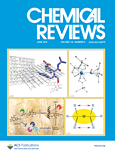
CHEMICAL REVIEWS
metrics 2024
Advancing the Frontiers of Chemical Knowledge.
Introduction
Chemical Reviews, published by the American Chemical Society, is a leading journal in the field of chemistry, renowned for its comprehensive and authoritative reviews on a wide range of chemical topics. With its ISSN 0009-2665 and E-ISSN 1520-6890, this prestigious journal has maintained a remarkable trajectory since its inception in 1924, continuously contributing to advancements in the chemical sciences. As a Q1 journal in the Chemistry (miscellaneous) category, it stands at the forefront of research, boasting an impressive Scopus rank of #1 out of 408 in the field of General Chemistry, positioning it within the top 1% of the field. Chemical Reviews offers invaluable insights and serves as a critical resource for researchers, professionals, and students alike, facilitating knowledge exchange and fostering innovation in chemistry. While currently not open access, it remains a vital component of the scientific community, gathering an extensive readership base eager for the latest developments, methodologies, and theoretical frameworks in this dynamic discipline.
Metrics 2024
 17.8351.4063.50833
Metrics History
Rank 2024
Scopus
IF (Web Of Science)
JCI (Web Of Science)
Quartile History
Similar Journals

Chemical Physics Reviews
Navigating the Frontiers of Chemical InteractionsChemical Physics Reviews is a premier academic journal published by AIP Publishing, focusing on the dynamic interplay between chemistry and physics. With its E-ISSN: 2688-4070, the journal is committed to advancing the field through high-quality reviews that address key challenges, emerging trends, and innovative applications in chemical physics. Although currently not open access, it offers valuable insights for both researchers and practitioners seeking to deepen their understanding of theoretical and experimental aspects of chemical interactions. The journal serves as a vital resource for professionals and students alike, ensuring they stay abreast of the latest developments in this interdisciplinary field. As a part of AIP Publishing’s esteemed catalogue, Chemical Physics Reviews plays an essential role in shaping the discourse and fostering collaboration within the global scientific community.

Physical Chemistry Research
Exploring the depths of fluid dynamics and theoretical insights.Physical Chemistry Research, published by the Iranian Chemical Society, is an esteemed academic journal dedicated to advancing knowledge within the fields of *Fluid Flow and Transfer Processes*, *Physical and Theoretical Chemistry*, and *Statistical and Nonlinear Physics*. Since its inception in 2013, the journal has established a crucial platform for researchers, professionals, and students to share innovative findings and methodologies, enhancing collaboration and knowledge dissemination in the physical chemistry community. With impactful contributions recognized in Quartile 3 and Quartile 4 classifications across various categories, the journal is positioned to cultivate emerging research trends as it continues to converge through 2024. Researchers can benefit from diverse perspectives on crucial phenomena in physical chemistry, as the journal is indexed in prominent databases, further increasing accessibility and visibility. The *open access* policy ensures that cutting-edge research remains available to a broad audience, promoting the growth of the discipline globally.
CHEMICAL RECORD
Pioneering Discoveries in Chemistry and BiochemistryThe Chemical Record is a prestigious peer-reviewed journal published by WILEY-V C H VERLAG GMBH, focusing on innovative research and developments across the diverse and evolving fields of chemistry and biochemistry. With an esteemed 2023 Impact Factor and recognized as a Q1 journal in several categories—including Biochemistry, Chemical Engineering, and Materials Chemistry—The Chemical Record stands as a critical resource for researchers, professionals, and students aiming to disseminate and acquire knowledge in these disciplines. The journal's engaging scope covers contemporary topics and fosters collaboration within the global scientific community, ensuring accessibility to cutting-edge research. By publishing articles that meet the highest standards of scholarship, it has earned a significant place within the academic ecosystem, as reflected in its strong Scopus rankings. Although The Chemical Record operates without open access, it remains deeply committed to advancing the field of chemistry through rigorous and impactful publications that bridge gaps between theory and practice.
Journal of the American Chemical Society
Elevating Chemical Research to New HeightsJournal of the American Chemical Society (JACS), published by the American Chemical Society, stands as a pivotal publication in the field of chemistry, facilitating the dissemination of significant research findings since its inception in 1879. With an impressive impact factor and esteemed rankings placing it in the Q1 quartile across various categories—including Biochemistry, Catalysis, and Colloid and Surface Chemistry—JACS continues to serve as a vital resource for scientists, professionals, and students alike. Researchers choose JACS for its rigorous peer-review process, ensuring high-quality content that shapes the landscape of modern chemistry. The journal's extensive scope encompasses pivotal advancements and innovative methodologies, reflecting the evolving dynamics of chemical research. With access options being traditional subscription-based, it remains crucial for institutions and individuals to engage with its latest issues to stay at the forefront of chemical science advancement.
CHEMICAL SOCIETY REVIEWS
Delivering Insightful Reviews for the Chemistry CommunityCHEMICAL SOCIETY REVIEWS, published by the Royal Society of Chemistry, serves as an essential platform for researchers, professionals, and students in the field of chemistry. Since its inception in 1972, this prestigious journal has maintained its status as a leading publication, currently positioned in the Q1 category for Chemistry (miscellaneous) and ranking #2 out of 408 journals in the field of General Chemistry on Scopus, with an impressive 99th percentile recognition. With a focus on comprehensive reviews that synthesize key advancements and methodologies, it promotes open discussion and critical analysis crucial for driving innovation within the discipline. Although it operates under a subscription model, the journal strives to foster knowledge dissemination among the global chemistry community, ensuring accessibility to cutting-edge research and insights that shape the future of chemical sciences through its extensive array of articles.
Trends in Chemistry
Driving Innovation in Chemical ResearchTrends in Chemistry, published by CELL PRESS, stands at the forefront of the multidisciplinary field of chemistry, offering cutting-edge research and insights that shape contemporary scientific discourse. With its impressive rank of #12 out of 408 in the General Chemistry category of Scopus—placing it in the 97th percentile—this journal represents the pinnacle of academic excellence and innovation. Since its inception in 2019, it has provided a platform for sharing pivotal developments and trends in the chemical sciences, making it an invaluable resource for researchers, professionals, and students alike. Although it operates under subscription access, Trends in Chemistry is dedicated to expanding the frontiers of knowledge and fostering a vibrant academic community. Its Q1 quartile ranking underscores its significance and authority in the field, ensuring that it remains an essential reference point for anyone engaged in the ever-evolving world of chemistry. With its impactful contributions, Trends in Chemistry not only reflects current advancements but also drives future innovation in the discipline.

HELVETICA CHIMICA ACTA
Exploring the Depths of Chemical ScienceHELVETICA CHIMICA ACTA, published by WILEY-V C H VERLAG GMBH, stands as a pivotal journal in the fields of chemistry and chemical research. Established in 1918, this esteemed journal spans a diverse array of topics, including biochemistry, catalysis, drug discovery, inorganic and organic chemistry, as well as physical and theoretical chemistry. With influence reflected in its noteworthy Q2 and Q3 quartile rankings across these categories as of 2023, HELVETICA CHIMICA ACTA continues to capture the interest of the global scientific community. Although not an open-access journal, it remains accessible through various academic institutions, ensuring broad reach and collaboration opportunities. Researchers, professionals, and students alike will find its meticulously peer-reviewed articles critical for advancing knowledge and fostering innovation within the chemical sciences. As the journal converges toward 2024, it remains committed to publishing high-quality, impactful research that supports the evolution of chemistry across its multifaceted disciplines.
COMPTES RENDUS CHIMIE
Sharing Insights, Transforming the Future of Chemical Research.COMPTES RENDUS CHIMIE, published by the prestigious Académie des Sciences in France, stands as a significant journal in the fields of chemistry and chemical engineering. With an ISSN of 1631-0748 and an E-ISSN of 1878-1543, this open-access journal has been committed to disseminating high-quality research since its transition to open access in 2020. Featuring a diverse array of studies, the journal covers innovative research trends and applications, while maintaining a Q3 category ranking in both Chemical Engineering (miscellaneous) and Chemistry (miscellaneous) as of 2023. Its Scopus rankings, positioning at #251 out of 408 in general chemistry and #169 out of 273 in general chemical engineering, highlight its growing impact within the scientific community. Authored by a global cohort of scientists and researchers, COMPTES RENDUS CHIMIE is dedicated to the advancement of knowledge and sharing insights that are vital for ongoing research and development in the chemical sciences. Located in the heart of Paris at 23 Quai de Conti, 75006, France, the journal is an essential resource for those passionate about chemistry and engineering disciplines, fostering collaboration and innovation across the world.
CHEMICAL COMMUNICATIONS
Fostering collaboration in the world of materials science.Chemical Communications, published by the esteemed Royal Society of Chemistry, is a prominent journal within the field of chemical science, focusing on the dissemination of cutting-edge research in a variety of sub-disciplines including catalysis, materials chemistry, and electronic materials. Operating without an open access model, this journal provides critical insights from contributors around the globe, enhancing our understanding of complex chemical interactions and innovative applications. Ranked in the top quartile for several categories such as Ceramics and Composites, and Metals and Alloys, Chemical Communications boasts impressive Scopus rankings, securing strong positions across multiple fields and showcasing its influence within the scientific community. The journal is committed to advancing knowledge and fostering collaboration among researchers, professionals, and students, making it an invaluable resource for those looking to stay abreast of the latest advancements in chemistry and materials science. With a publication history dating back to 1965 and continuing into 2024, its rich archive serves as a vital repository of chemical research and development.
ACS Omega
Empowering Open Access, Enriching Scientific Dialogue.ACS Omega is a prominent open-access journal published by the American Chemical Society that has been serving the global research community since its inception in 2016. With ISSN 2470-1343, it focuses on a wide array of topics within the realm of Chemistry and Chemical Engineering, making it a crucial platform for researchers and practitioners aiming to disseminate significant findings across these disciplines. The journal maintains an impressive standing, ranking in the Q2 quartile for both Chemical Engineering and Chemistry categories, highlighting its impact and relevance in contemporary research. Additionally, with its Scopus ranks placing it within the top 24% and 27% of General Chemistry and General Chemical Engineering respectively, ACS Omega continues to foster innovation and facilitate collaboration among scientists. As an Open Access journal, it ensures that research outputs are freely available to all, enhancing the accessibility and visibility of contributors’ work, thus playing a critical role in advancing scientific knowledge globally from its headquarters in Washington, D.C.