
Alea-Estudos Neolatinos
metrics 2024
Innovating Scholarship in Brazilian and Latin American Literature
Introduction
Alea-Estudos Neolatinos is a prominent academic journal dedicated to the exploration and analysis of neolatino studies, published by the Universidade Federal do Rio de Janeiro, Faculdade de Letras. Since its establishment in 2003, this Open Access journal has provided a platform for scholars from around the globe to disseminate their research in both Linguistics and Literature and Literary Theory, recently earning a Q3 ranking in Linguistics and Language and a Q2 ranking in Literature and Literary Theory in 2023. With its broadening scope from 2008 to 2024, Alea plays a crucial role in advancing interdisciplinary dialogues across various dimensions of neolatino cultural studies, appealing to researchers, professionals, and students alike. Its commitment to accessibility and innovative scholarship underscores its significance in the academic community, particularly in the rich landscape of Brazilian and Latin American literature. With the world of linguistic and literary theory constantly evolving, Alea serves as a vital source for contemporary discourse and scholarly advancement.
Metrics 2024
 0.120.100.105
Metrics History
Rank 2024
Scopus
JCI (Web Of Science)
Quartile History
Similar Journals

Cuadernos Lirico
Navigating the Rich Landscape of Literary TheoryCuadernos Lirico is a prestigious academic journal dedicated to the exploration of literature and literary theory, published by CUADERNOS LIRICO. With an ISSN of 2263-2158 and E-ISSN 2262-8339, this journal has been committed to open access since 2011, ensuring wide dissemination of its research across the globe. Based in France, the journal serves as a vital platform for scholars and practitioners, promoting innovative discourse within its field. Despite its current position in Q4 of the Literature and Literary Theory category and a Scopus rank of #993/1106, Cuadernos Lirico aims to bolster its impact through the publication of high-quality, peer-reviewed articles that contribute to the understanding and analysis of literary texts and theories. The journal invites contributions that engage with diverse perspectives and methodologies, fostering a rich dialogue among researchers, literary critics, and educators. Join us in advancing the scholarly pursuit of literature by contributing to this dynamic platform.

Estudios de Teoria Literaria-Revista Digital-Artes Letras Humanidades
Bridging Global Ideas in Literary StudiesEstudios de Teoria Literaria-Revista Digital-Artes Letras Humanidades is a prominent scholarly journal published by UNIV NAC MAR PLATA in Argentina, dedicated to advancing the fields of Literary Theory, Communication, and Cultural Studies. Established with an Open Access model since 2012, the journal fosters global dissemination of research without financial barriers, encouraging a broader dialogue among scholars, practitioners, and students alike. Notably, it enjoys a presence in Scopus, with various category quartiles indicating its commitment to quality and relevance, particularly with rankings such as Q3 in Literature and Literary Theory. By providing a platform for innovative scholarship, Estudios de Teoria Literaria aims to explore complex theoretical frameworks and cultural discourses, making significant contributions to ongoing debates in the humanities. The journal is published from its base in Mar del Plata, Buenos Aires, and continues to expand its influence in both regional and international academic communities.
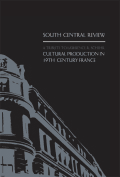
South Central Review
Illuminating Innovations in Cultural DiscourseSouth Central Review, a distinguished academic journal published by Johns Hopkins University Press, serves as a vital platform for scholarly discourse in the fields of cultural studies, literature and literary theory, philosophy, and the visual and performing arts. With an ISSN of 0743-6831 and an E-ISSN of 1549-3377, this journal is dedicated to highlighting innovative research and critical analyses that explore the complexities of Southern culture and its broader implications. Although it operates without an open access option, the journal is recognized for its rigorous peer-review process and contributions to contemporary academic dialogue, holding Q3 and Q4 rankings across several disciplines as of 2023. The convergence of ideas and perspectives from diverse academic backgrounds positions the South Central Review as an essential resource for researchers, professionals, and students seeking to deepen their understanding of the cultural narratives shaping our world today.

Acta Literaria
Fostering Critical Perspectives in LiteratureActa Literaria is a distinguished journal published by the Universidad de Concepción, Facultad de Humanidades y Arte, focusing on the intricate domains of literature and literary theory. With an ISSN of 0717-6848, this Chilean journal has been a vital contributor to the scholarly discourse in its field since its inception in 2007. Although currently categorized in the Q4 quartile for the year 2023 and holding a Scopus rank of #860 out of 1106 in the Arts and Humanities section, Acta Literaria plays a crucial role in fostering dialogue and exploration among researchers, professionals, and students alike. The journal aims to facilitate the exchange of innovative ideas, critical analyses, and diverse perspectives on literature, making it an indispensable resource for anyone engaged in literary studies. While it does not offer open access, the journal's commitment to upholding academic rigor ensures that it remains a respected platform for scholarly publication.

LINKS Rivista di letteratura e cultura tedesca
Connecting Scholars to the Heart of German CultureLINKS Rivista di letteratura e cultura tedesca is a distinguished academic journal dedicated to the exploration and analysis of German literature and culture. Published by FABRIZIO SERRA EDITORE, this journal serves as a vital platform for researchers, professionals, and students who wish to delve into the intricacies of German cultural studies across various time periods and genres. With both ISSN 1594-5359 and E-ISSN 1724-1685, LINKS emphasizes scholarly rigor and multidisciplinary approaches, providing a space for innovative research and critical perspectives. Although the journal is not open access, it still plays a crucial role in advancing the understanding of German literature within the international academic community, contributing significantly to the field's ongoing dialogue and evolution. For those interested in enhancing their knowledge and engagement with contemporary issues in German studies, LINKS represents an essential resource.

Taller de Letras
Advancing Critical Conversations in LiteratureTaller de Letras is a renowned academic journal published by the Pontificia Universidad Católica de Chile, specifically from the Faculty of Letters. With an ISSN of 0716-0798, this journal holds a significant position in the field of Literature and Literary Theory, enjoying a commendable Q2 quartile ranking as of 2023. It operates under the auspices of a prestigious institution, promoting high-quality scholarly discourse within its scope, which spans a wide array of literary studies. Although the journal does not offer Open Access, its contributions are pivotal for researchers, professionals, and students seeking to enhance their understanding of contemporary literary trends and theories, establishing a critical dialogue within the literary community. With coverage extending through a converged lifespan from 2011 to 2024, Taller de Letras continues to be a valuable resource for those engaged in the vibrant fields of literature and criticism.
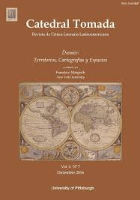
Catedral Tomada-Revista de Critica Literaria Latinoamericana-Journal of Latin American Literary Criticism
Exploring the Depths of Latin American Literary CritiqueCatedral Tomada - Revista de Crítica Literaria Latinoamericana is a pioneering journal dedicated to the exploration and critique of Latin American literature and its broader cultural implications. Published by the University of Pittsburgh's Library System, this Open Access journal has been instrumental since its launch in 2013 in making scholarly discussions accessible to a wider audience. With an ISSN of 2169-0847, the journal serves as a vital platform for researchers, professionals, and students interested in Literature and Literary Theory, Cultural Studies, and Linguistics and Language. Its esteemed ranking places it in Quartile 1 for Literature and Literary Theory and Quartile 2 for the other categories, underlining its commitment to high-quality academic discourse. Converging insights through a quarterly publication schedule from 2019 to 2024, Catedral Tomada aims to foster a rich dialogue on Latin American literary criticism, encouraging innovative perspectives and diverse voices within the field.
Perifrasis-Revista de Literatura Teoria y Critica
Exploring the intersections of literature and identity.Perifrasis-Revista de Literatura Teoria y Critica is a distinguished open-access journal published by UNIV ANDES in Colombia, dedicated to advancing the fields of literature, literary theory, and criticism. With an ISSN of 2145-8987 and an E-ISSN of 2145-9045, this journal has been a significant platform for scholarly discourse since its inception in 2010, embracing an open-access model that enhances accessibility and dissemination of research findings. Strategically positioned in the Q2 category for Literature and Literary Theory, Perifrasis boasts a commendable Scopus ranking, reflecting its commitment to high-quality scholarship. The journal encompasses a wide range of topics within the humanities, including cultural studies and gender studies, and aims to foster critical engagement and innovative thinking among researchers, students, and professionals alike. As the journal continues to evolve through its converged years from 2019 to 2024, it remains a vital resource for those exploring the dynamic intersections of literature, society, and identity.

Listy Filologicke
Connecting Disciplines: Where History Meets Linguistics and Literature.Listy Filologicke is a distinguished academic journal published by the Institute of Classical Studies at the Academy of Sciences of the Czech Republic, focusing on the interdisciplinary fields of History, Linguistics and Language, and Literature and Literary Theory. With an ISSN of 0024-4457 and an E-ISSN of 2570-9410, this journal has been a pivotal platform for scholarly discourse since its convergence years began in 2003. Notably, it holds a Q3 classification in History and Linguistics and Language, and a Q2 in Literature and Literary Theory as of 2023. Its rankings within Scopus illustrate its relevance and impact in academia, with noteworthy positions in the Arts and Humanities and Social Sciences categories. Researchers, professionals, and students will find Listy Filologicke an invaluable resource for exploring cutting-edge research, critical analyses, and discourse that contribute significantly to their respective fields. Based in the heart of the Czech Republic, it continues to promote scholarly excellence and foster international collaboration.

Mitologias Hoy-Revista de Pensamiento Critica y Estudios Literarios Latinoamericanos
Championing Innovative Research in Literary TheoryMitologías Hoy-Revista de Pensamiento Crítico y Estudios Literarios Latinoamericanos is a prominent open access journal published by the Universitat Autònoma de Barcelona, dedicated to advancing critical thought and literary studies within the context of Latin American literature. With an ISSN of 2014-1130 and an E-ISSN of 2014-1130, this journal aims to foster scholarly discourse and innovative research in the field of literature and literary theory, holding a distinguished position in the Q2 category for Literature and Literary Theory according to 2023 quartiles. Positioned at the intersection of contemporary literary criticism and cultural studies, Mitologías Hoy serves as an essential platform for researchers and students alike, encouraging interdisciplinary approaches and the exploration of diverse narratives and mythologies in Latin American literature. Since its inception in 2011, the journal has embraced an open access model, ensuring that its research is freely available to a global audience, thereby enhancing the visibility and impact of its contributions. The journal's Scopus rank of #495 out of 1106 in its category attests to its growing influence and the quality of its published work.