Analytical Science and Technology
metrics 2024
Pioneering research that shapes the landscape of analytical science.
Introduction
Analytical Science and Technology is a prominent journal dedicated to advancing the fields of analytical chemistry and technology, published by the Korean Society for Analytical Science. Based in South Korea, this journal serves as a vital platform for researchers, professionals, and students committed to exploring innovative analytical techniques and methodologies. Although it is classified under Q4 in various subject categories, including Agronomy and Crop Science, Environmental Chemistry, and Pharmacology, the journal aims to provide critical insights and contributions to the scientific community. With ISSN 1225-0163 and E-ISSN 2288-8985, it spans a converged timeline from 2019 to 2024. Despite its current standings in Scopus rankings, the journal is dedicated to improving its visibility and impact through rigorous peer review and high-quality publications, fostering knowledge sharing within its diverse academic fields. Researchers looking for a reliable outlet for their findings are encouraged to consider this journal as it continues to strive for excellence in analytical science.
Metrics 2024
 0.120.200.304
Metrics History
Rank 2024
Scopus
IF (Web Of Science)
JCI (Web Of Science)
Quartile History
Similar Journals
Analytical and Bioanalytical Chemistry Research
Empowering Global Knowledge in Chemistry.Analytical and Bioanalytical Chemistry Research is an esteemed open-access journal published by the Iranian Chemical Society, dedicated to the advancement of knowledge in the fields of analytical chemistry, biochemistry, and spectroscopy. Since its inception in 2014, this journal has provided a platform for researchers, professionals, and students to publish and access high-quality research articles that contribute to the understanding of chemical analysis and bioanalytical methods. With an ISSN of 2383-093X and an open-access model that promotes global dissemination of findings, it ensures that innovative research reaches a broad audience. The journal has consolidated its presence in the scientific community, currently ranked in quartile Q4 for analytical chemistry, biochemistry, and spectroscopy as of 2023. Its Scopus rankings, including a percentile of 34th in Analytical Chemistry, reflect its commitment to quality research and scholarly contribution. Situated in Tehran, Iran, the journal serves as a vital resource for academic discourse, offering insights into emerging trends and methodologies in analytical and bioanalytical chemistry.
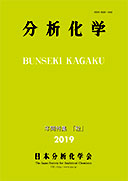
BUNSEKI KAGAKU
Empowering the Next Generation of ChemistsBUNSEKI KAGAKU, published by the Japan Society Analytical Chemistry, is a reputable journal dedicated to the field of analytical chemistry. With an ISSN of 0525-1931, this journal has been a crucial outlet for scholarly communication since its inception in 1952, converging its publication years from 1954 to 1957 and from 1959 to 2024. Although it holds a Q4 category ranking in the most recent 2023 quartiles of analytical chemistry and ranks 153/156 in Scopus, it continues to serve as a platform for quality research, fostering advancements in the field. BUNSEKI KAGAKU is based in Tokyo, Japan, and emphasizes the critical importance of analytical techniques in scientific inquiry. With a commitment to professionalism and rigor, the journal provides a vital resource for researchers, students, and professionals seeking to explore innovative methodologies and contribute to the ongoing dialogue in analytical chemistry.
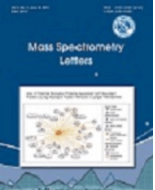
Mass Spectrometry Letters
Pioneering Insights in Biochemistry and Spectroscopy.Mass Spectrometry Letters is a pioneering open-access journal published by the Korean Society for Mass Spectrometry, specializing in the diverse fields of analytical chemistry, biochemistry, and spectroscopy. Established in 2010, this journal aims to disseminate groundbreaking research and advancements in mass spectrometry and its applications across various scientific domains. Though currently categorized in the Q4 quartile in key analytical fields, Mass Spectrometry Letters serves as an essential platform for researchers, professionals, and students to share innovative methodologies, emerging trends, and practical applications of mass spectrometry, thus fostering collaboration and advancing knowledge in the scientific community. With a commitment to open access, articles published since 2010 are readily available, enabling widespread distribution and engagement within the international research community. Located in Daejeon, South Korea, and actively converging research through 2024, the journal holds the potential to grow its impact and relevance within the dynamic landscape of mass spectrometry.
International Journal of Analytical Chemistry
Exploring Innovations in Analytical MethodologiesInternational Journal of Analytical Chemistry, published by HINDAWI LTD, is a leading open access platform that has been advancing the field of analytical chemistry since its inception in 2009. With an ISSN of 1687-8760 and an E-ISSN of 1687-8779, this journal is headquartered in Egypt and serves a global audience, publishing high-quality research and reviews that explore innovative methodologies, techniques, and applications in analytical chemistry. Ranked in the Q3 quartile, the journal holds a notable position within its category, specifically at #90 out of 156 in the Scopus ranks for Analytical Chemistry, showcasing its impact within the scientific community. Researchers, professionals, and students can access a wealth of knowledge freely, as the journal promotes open access to facilitate the dissemination of critical research innovations. By bridging the gap between theoretical advancements and practical applications, the International Journal of Analytical Chemistry continues to play a pivotal role in shaping the future of analytical practices.
Current Pharmaceutical Analysis
Unlocking Innovations in Drug DevelopmentCurrent Pharmaceutical Analysis, published by Bentham Science Publishers Ltd, is a vital resource for professionals and researchers in the fields of Pharmaceutical Science, Biochemistry, and Molecular Medicine. Established in 2006, this peer-reviewed journal aims to provide a platform for the latest advancements and analytical methodologies in pharmaceutical research and drug development. Over the years, it has garnered attention for its rigorous scrutiny and contributions to the landscape of pharmacology, evidenced by its quartile placements in various categories, most notably Q3 in Pharmaceutical Science. Despite its current rankings placing it in the lower quartile in several disciplines, the journal remains an essential venue for both emerging and established researchers seeking to disseminate their findings. With the widespread accessibility of its articles, researchers, professionals, and students can engage with cutting-edge studies to foster innovation in pharmaceutical analysis. For access to the latest research contributions, readers can explore the digital archive and stay updated on pivotal discussions shaping the future of the pharmaceutical sciences.
Chromatography
Empowering researchers with pivotal insights in chromatography.Chromatography is an esteemed journal published by the SOC CHROMATOGRAPHIC SCIENCES, dedicated to advancing the field of chromatographic techniques and their applications across various disciplines, including analytical chemistry, biochemistry, and environmental science. By facilitating the exchange of high-quality research, Chromatography plays a pivotal role in enhancing methodologies and technologies that drive innovation in sample analysis. While the journal is not currently open access, it maintains a rigorous peer-review process, ensuring the publication of valuable and impactful studies. Researchers, professionals, and students alike can benefit from its comprehensive coverage of chromatography-related advancements, making it a vital resource for anyone engaged in this dynamic area of study.
MASS SPECTROMETRY REVIEWS
Unveiling the Science Behind SpectrometryMASS SPECTROMETRY REVIEWS, published by Wiley, is a premier academic journal dedicated to advancing the field of mass spectrometry and its applications across a multitude of scientific disciplines. With an ISSN of 0277-7037 and an E-ISSN of 1098-2787, the journal has established itself as a vital resource within the realms of Analytical Chemistry, Biochemistry, Genetics, Condensed Matter Physics, and Spectroscopy, achieving Q1 status across these categories in 2023. As a testament to its significant contribution to scholarly research, it boasts impressive Scopus rankings, including a rank of #2 out of 76 in Chemistry - Spectroscopy and #4 out of 156 in Chemistry - Analytical Chemistry, placing it in the 97th percentile and above. Emphasizing high-quality, peer-reviewed research, MASS SPECTROMETRY REVIEWS serves as an essential platform for researchers, professionals, and students aiming to stay abreast of cutting-edge developments and methodologies in mass spectrometry. The journal is committed to fostering a deeper understanding of mass spectrometric techniques while also contributing to interdisciplinary advancements, making it a valuable addition to any academic library. Authors seeking to disseminate their work in a journal with a strong reputation and impact in the scientific community will find MASS SPECTROMETRY REVIEWS an ideal venue.
Brazilian Journal of Analytical Chemistry
Bridging Gaps in South American Analytical ScienceBrazilian Journal of Analytical Chemistry, published by VISAO FOKKA COMMUNICATION AGENCY, serves as a vital platform for those engaged in the field of analytical chemistry, especially within the Latin American context. With an ISSN of 2179-3425 and an E-ISSN of 2179-3433, this journal aims to promote high-quality research and advancements in analytical methodologies, instrumentation, and applications spanning from 2010 to the present. Although it currently holds a Q4 rank in Analytical Chemistry by Scopus and is placed at the 24th percentile, its commitment to open access publishing provides invaluable opportunities for widespread dissemination of knowledge, catering to researchers, professionals, and students alike. The journal's editorial board comprises emerging and established experts aiming to bridge gaps in analytical chemistry research, particularly in a Brazilian and broader South American context. Situated in São Paulo, Brazil, the journal's role in fostering innovation and collaboration in analytical techniques makes it an essential resource for the academic community.
LCGC EUROPE
Exploring the forefront of chromatographic techniques in Europe.LCGC EUROPE is a prominent journal dedicated to the field of analytical chemistry, specifically highlighting the latest trends and innovations in chromatographic techniques. Published by MJH Life Sciences, this journal has served as a valuable resource for researchers, professionals, and students interested in the nuances of laboratory practices and the advancement of instrumentation. Although LCGC EUROPE ceased its coverage in Scopus from 2018, it has maintained a significant influence within the community, evidenced by its Scopus rank of 90/114 in Analytical Chemistry, placing it in the 21st percentile. With its inception dating back to 1996, the journal provided essential insights and peer-reviewed articles, fostering a rich understanding of chromatographic science. While the journal is not currently open access, it remains an integral part of the literature for anyone engaged in the analytical chemistry landscape, especially as it pertains to laboratory methodologies and innovations.
Journal of Analytical Methods in Chemistry
Advancing analytical excellence in chemistry.The Journal of Analytical Methods in Chemistry, published by HINDAWI LTD, stands as a premier platform dedicated to the dissemination of research in the vibrant field of analytical chemistry. With an ISSN of 2090-8865 and an E-ISSN of 2090-8873, this Open Access journal has been committed to providing unrestricted access to quality research since 1978, thereby fostering greater collaboration and innovation among researchers, professionals, and students globally. The journal showcases rigorous research insights spanning diverse categories, earning impressive Scopus rankings including Q2 in Chemical Engineering and Q3 in Analytical Chemistry for 2023, positioning itself effectively among respected peers. Its interdisciplinary approach also covers significant contributions in the realms of instrumentation and computer science applications, thus addressing contemporary challenges and advancements in analytical methodologies. By bridging theoretical underpinnings with practical applications, the Journal of Analytical Methods in Chemistry aims to catalyze knowledge exchange while enhancing the global discourse in analytical science.