
Ancient Civilizations from Scythia to Siberia
metrics 2024
Illuminating the Mysteries of the Past, One Civilization at a Time
Introduction
Ancient Civilizations from Scythia to Siberia, published by BRILL, is a pivotal journal dedicated to the exploration and scholarly analysis of ancient cultures in Eurasia, with a focus spanning from the Scythian tribes to the Siberian territories. With an ISSN of 0929-077X and an E-ISSN of 1570-0577, this journal plays a significant role in the fields of Archeology, Classics, and History, holding esteemed rankings in Q3 and Q1 categories, thus affirming its status in the academic community. Covering a wide temporal range from 1995 to 2024, the journal aims to provide a comprehensive platform for researchers and students to disseminate their findings and foster collaborative discourse. With impact rankings in the 86th and 75th percentiles for Classics and History, respectively, it is recognized for its high-quality contributions that advance knowledge in these areas. Although currently not an open-access journal, it offers various options for accessing its rich content. By bridging gaps in historical understanding and engaging with the complexities of ancient societies, Ancient Civilizations from Scythia to Siberia remains an essential resource for those passionate about uncovering the narratives of our past.
Metrics 2024
 0.170.300.4012
Metrics History
Rank 2024
Scopus
JCI (Web Of Science)
Quartile History
Similar Journals

Anadolu Arastirmalari-Anatolian Research
Pioneering Discoveries in Anatolian CultureAnadolu Arastirmalari-Anatolian Research, published by ISTANBUL UNIVERSITY, is a prominent open-access journal dedicated to the exploration of history, archaeology, and related fields. Since its transition to open access in 2017, the journal has become a vital resource for scholars and practitioners, facilitating the dissemination of innovative research findings. With a strong focus on the intricacies of Anatolian history and archaeology, the journal has earned notable recognition, achieving a Q1 ranking in History and Q2 rankings in both Archaeology and Arts and Humanities categories as of 2023. This positions it among the foremost journals in its field, providing an essential platform for interdisciplinary research and discourse. The journal's impact factor is evidenced by its significant citation metrics and rigorous editorial standards, aiming to contribute meaningfully to scholarly dialogue and knowledge production. Researchers, professionals, and students alike will find this journal indispensable for understanding the rich tapestry of Anatolian culture and heritage.

OLBA
Fostering Scholarly Discourse in Archaeological ResearchOLBA is a distinguished journal in the field of archaeology, published by Mersin University Publications Research Center Cilician Archaeology in Turkey. With an ISSN of 1301-7667, this academic journal has been a platform for scholarly discourse from 2009 to 2014 and again from 2016 to 2019, with a recent volume published in 2022. Although it is currently categorized in the fourth quartile (Q4) for both Arts and Humanities and Social Sciences within archaeology, OLBA continues to contribute significantly to the global archaeology community. It serves as an essential resource for researchers, professionals, and students interested in the diverse aspects of archaeological studies and cultural heritage. Despite not being an open-access journal, OLBA strives to disseminate knowledge effectively, aiding in the exploration of ancient civilizations and the rich tapestry of human history. Its Scopus rankings, placing it in the bottom percentiles, demonstrate the ongoing need for the community to support and engage with the journal to enhance its visibility and impact in the archaeological domain.
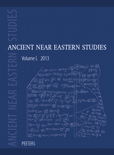
Ancient Near Eastern Studies
Charting New Territories in Ancient Near Eastern ResearchAncient Near Eastern Studies, published by PEETERS in Belgium, is a distinguished journal dedicated to the exploration and scholarship of the rich cultural and historical tapestry of the ancient Near East. With a focus on interdisciplinary research, this journal invites contributions across various fields including Archeology, History, Classics, Literature and Literary Theory, and Visual Arts and Performing Arts. As evidenced by its robust performance in the 2023 category quartiles, ranking Q1 in Classics and Q2 in History, this journal is recognized for its academic rigor and relevance, making it an integral platform for researchers, professionals, and students alike. Although currently not open access, it provides indispensable insights into research trends and theoretical frameworks that advance our understanding of ancient civilizations. With its ISSN 1378-4641 and E-ISSN 1783-1326, Ancient Near Eastern Studies continues to foster scholarly communication and engagement in this vital area of human history.

GYMNASIUM
Exploring the Nexus of Classics and EducationGYMNASIUM, published by Universitätsverlag C Winter Heidelberg GmbH, is an academic journal dedicated to the fields of Classics and Education. Since its inception in 1970, the journal has served as a platform for scholarly discourse, focusing on the intersection of classical studies and educational methodologies. Despite its discontinuation from Scopus coverage post-2021, GYMNASIUM remains an important resource for researchers, professionals, and students, fostering a deeper understanding of ancient texts and their relevance in contemporary educational frameworks. Current rankings place the journal in the Q4 quartile in both Classics and Education categories, reflecting its niche yet significant contribution to these fields. Researchers can access the journal's past issues through various academic libraries in Germany, enhancing interdisciplinary study and promoting scholarship across broader educational horizons.

Vestnik Drevnei Istorii-Journal of Ancient History
Connecting Archaeology, Classics, and HistoryVestnik Drevnei Istorii - Journal of Ancient History, published by the esteemed Russian Academy of Sciences and the State Academy of Humanities (GAUGN), plays a pivotal role in the interdisciplinary field of ancient studies. Fostering scholarly discourse since 2016, this journal is positioned at the crossroads of archaeology, classics, history, and linguistics, as evidenced by its impressive 2023 ranking in multiple categories, including Q1 in Classics and Q2 in History. Although not open access, it serves as a critical resource for researchers, professionals, and students interested in deepening their understanding of ancient societies and cultures. With a reputation for rigor and a commitment to advancing knowledge, the journal aims to disseminate innovative research that sheds light on the complexities of ancient civilizations and their contributions to contemporary society. Current issues and a wealth of archived articles are available for exploration, fostering a rich environment for scholarly engagement.
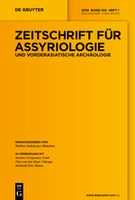
Zeitschrift fur Assyriologie und Vorderasiatische Archaologie
Bridging Time: Where Ancient Civilizations Meet Modern ScholarshipZeitschrift für Assyriologie und Vorderasiatische Archäologie, published by WALTER DE GRUYTER GMBH, is a distinguished journal in the field of archaeology, focusing on the rich histories of the ancient Near East and Assyrian studies. Established in 1886, this journal has a venerable tradition of contributing to scholarly discourse, continuously curating impactful research that positions it within the Q2 quartile in the domains of Archaeology and Arts and Humanities as of 2023. With an impressive ranking of #101 out of 413 in Arts and Humanities and #98 out of 354 in Social Sciences within Scopus, the journal serves as a vital resource for researchers, professionals, and students alike. Although it operates under a subscription model, the journal's extensive coverage—from its inception to the present day—ensures a comprehensive exploration of archaeological methodologies, discoveries, and theoretical frameworks. The journal's aim is to advance the understanding of the ancient civilizations of the Near East and to foster scholarly communication across international platforms, making it an essential venue for contemporary archaeological research.
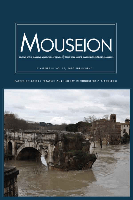
Mouseion-Journal of the Classical Association of Canada
Where classical inquiry meets modern discourse.Mouseion - Journal of the Classical Association of Canada, published by University of Toronto Press Inc, stands as a vital academic resource in the fields of Classics and Archaeology. With a focus on promoting scholarly discourse, this journal provides a platform for original research, critical reviews, and interdisciplinary studies that engage with ancient cultures and their legacies. Since its convergence in 2019, Mouseion has quickly established itself within the academic community, achieving a commendable Q1 ranking in Classics and Q2 in both Archaeology categories in 2023, showcasing its commitment to excellence. While not an open-access journal, it is positioned among the top 29% of classics journals, reflecting its impact and the quality of publications. Nestled within Canada, this journal addresses a global audience of researchers, professionals, and students dedicated to the exploration of the classical world, and it endeavors to contribute significantly to the scholarly understanding of cultural heritage.
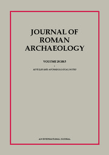
Journal of Roman Archaeology
Illuminating Roman Heritage: A Scholarly JourneyJournal of Roman Archaeology is a premier academic journal published by CAMBRIDGE UNIVERSITY PRESS, dedicated to advancing knowledge in the fields of archaeology, classics, and visual arts. With its established reputation since 2005, the journal occupies a significant place in the scholarly community, featured in the Q1 quartile in both Classics and Visual Arts & Performing Arts categories, as well as Q2 and Q3 in Archaeology, reflecting its high impact and relevance. The journal not only presents rigorous research but also fosters interdisciplinary dialogue among researchers, professionals, and students across related fields. Although it does not operate under an open access model, it provides essential insights and critical analyses that contribute to understanding Roman archaeological practices and artifacts. With an ISSN of 1047-7594 and an E-ISSN of 2331-5709, the Journal of Roman Archaeology is an indispensable resource for anyone engaged in the exploration of ancient cultures, heritage preservation, and archaeological methodologies.
Anatolian Studies
Illuminating the Richness of Anatolian HistoryAnatolian Studies, published by Cambridge University Press, stands as a premier forum for research in the fields of archaeology, cultural studies, and history. Established in 1951, this esteemed journal has consistently contributed to the academic discourse surrounding the rich and multifaceted history of Anatolia, earning its place in the Q1 category across multiple disciplines. With a notable impact factor reflected in its Scopus rankings, it ranks among the top journals in its fields: 78th in History, 155th in Cultural Studies, and 55th in Archaeology, showcasing its significant influence and recognition. This journal serves as an invaluable resource for researchers and scholars seeking to delve into the intricacies of Anatolian heritage, providing a platform for innovative research and critical discussion within the academic community. While it currently does not offer open access, Anatolian Studies continues to enrich scholarly resources and advance knowledge within its key areas of focus.
PHOENIX-THE JOURNAL OF THE CLASSICAL ASSOCIATION OF CANADA
Bridging Ancient Insights with Modern PerspectivesPHOENIX - THE JOURNAL OF THE CLASSICAL ASSOCIATION OF CANADA is a distinguished academic journal published by the Classical Association of Canada, dedicated to advancing the study of classical antiquity and its enduring influence on contemporary society. With an ISSN of 0031-8299 and an E-ISSN of 1929-4883, PHOENIX serves as a pivotal platform for researchers, educators, and students in the field of classics. Although without open access provisions, the journal is noted for its rigorous peer-review process, ensuring the publication of high-quality scholarship that meets the academic community's standards. With its back issues archived since 2002, the journal is supported by a strong reputation, evidenced by its Scopus ranking in the 80th percentile in the Arts and Humanities - Classics category. Based in Toronto, Ontario, it continues to foster scholarly dialogue and exploration of themes ranging from ancient texts to contemporary interpretations of classical traditions. By prioritizing diverse contributions that enhance our understanding of classical studies, PHOENIX remains a vital resource for anyone engaged in the rich and varied exploration of the ancient world.