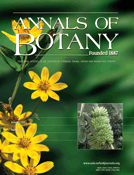
ANNALS OF BOTANY
metrics 2024
Nurturing the Future of Plant Science with Every Publication
Introduction
ANNALS OF BOTANY, published by Oxford University Press, stands as a leading journal in the field of Plant Science, with a distinguished history that dates back to 1887. This esteemed journal, recognized for its contribution to the advancement of botanical research, holds a prestigious Q1 quartile ranking in its category as of 2023. With a commitment to sharing high-quality, peer-reviewed research, ANNALS OF BOTANY provides a vital platform for researchers, professionals, and students to disseminate novel findings and engage in scholarly discourse. Although it does not currently offer open access options, the journal remains accessible to a wide academic audience, further cementing its role in facilitating the exchange of knowledge within the global botanical community. For those interested in the dynamic and evolving world of plant sciences, ANNALS OF BOTANY is an indispensable resource.
Metrics 2024
 1.083.604.10205
Metrics History
Rank 2024
IF (Web Of Science)
JCI (Web Of Science)
Quartile History
Similar Journals
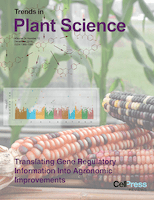
TRENDS IN PLANT SCIENCE
Empowering Researchers with Cutting-edge InsightsTRENDS IN PLANT SCIENCE is a premier academic journal published by CELL PRESS, dedicated to advancing the field of plant sciences. With an ISSN of 1360-1385 and E-ISSN 1878-4372, this journal has established itself as a critical resource for researchers and practitioners alike, boasting a remarkable impact factor that places it in the Q1 quartile for plant science in the 2023 rankings. Featuring a comprehensive scope that encompasses emerging trends, innovative research, and pivotal reviews in the plant sciences, it aims to promote interdisciplinary dialogue and encourage progressive research methodologies. Hailing from the United Kingdom, TRENDS IN PLANT SCIENCE serves a global community of over 516 journals, achieving a top-tier ranking of 3rd in the Scopus ranking for Agricultural and Biological Sciences. This makes the journal an indispensable asset for anyone aiming to keep abreast of the latest developments in plant biology and its applications. As we look towards its future converging years from 1996 to 2024, the journal continues to foster scholarly excellence and innovation in the field.
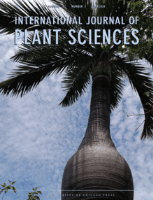
INTERNATIONAL JOURNAL OF PLANT SCIENCES
Exploring the frontiers of plant science and ecology.The INTERNATIONAL JOURNAL OF PLANT SCIENCES, published by UNIV CHICAGO PRESS, is a leading journal dedicated to advancing knowledge in the fields of plant sciences and ecology. With an ISSN of 1058-5893 and an E-ISSN of 1537-5315, this journal has been a prominent platform for groundbreaking research since its establishment, featuring works from 1983 to present. It holds an impressive Q2 ranking in both Ecology, Evolution, Behavior and Systematics and Plant Science, reflecting its reputable standing within the academic community. The journal is well-regarded for its rigorous peer-review process and commitment to high-quality publication standards, making it a favored choice for researchers, students, and professionals eager to engage with the latest findings and innovative methodologies in plant research. While it does not currently operate under an Open Access model, the journal provides ample access options for institutions and individuals keen to explore its curated content. By presenting diverse studies that blend theoretical and practical insights, the INTERNATIONAL JOURNAL OF PLANT SCIENCES plays a critical role in fostering interdisciplinary dialogue and advancing the frontiers of plant science research.

NEW PHYTOLOGIST
Illuminating the Path of Plant ResearchNEW PHYTOLOGIST is a premier international journal published by WILEY, focusing on the field of plant science and physiology. Operating since 1902, this esteemed journal has established itself as a vital resource for researchers and professionals alike, offering cutting-edge research and insights into the complex workings of plants and their physiological processes. With an impressive impact factor and recognized in the top quartile (Q1) of both the physiology and plant science categories, it ranks #8 and #9 respectively in their fields, placing it within the top 2% of journals. NEW PHYTOLOGIST is not only essential for enhancing the understanding of plant biology but also for addressing global challenges such as food security and environmental sustainability. Although it does not currently offer open access, the journal remains committed to disseminating knowledge to a wide audience through institutional subscriptions and partnerships. This journal continues to drive advancements in plant science into the future, making it an invaluable asset for students, researchers, and industry professionals.

Plants-Basel
Championing open access for vital ecological insights.Plants-Basel is a distinguished open access journal published by MDPI since 2012, offering a comprehensive platform for researchers and professionals in the field of ecology, plant science, and evolutionary biology. Based in Switzerland, this journal has established itself as a leader in disseminating high-quality research, evident through its impressive rankings in multiple categories, including Q1 in Ecology and Plant Science for 2023. With a substantial impact factor and a dedicated focus on advancing our understanding of plant interactions, ecosystems, and sustainable practices, Plants-Basel is vital for scholars seeking to contribute to these critical fields. The journal's commitment to open access enhances visibility and accessibility, facilitating the widespread sharing of knowledge essential for addressing contemporary ecological challenges.
Horticulture Environment and Biotechnology
Elevating Plant Science for a Sustainable FutureHorticulture Environment and Biotechnology is a prestigious journal published by the Korean Society of Horticultural Science, dedicated to advancing knowledge in the fields of horticulture, biotechnology, and plant science. Since its inception in 2011, this journal has played a crucial role in disseminating high-quality research, evidenced by its 2023 category quartile rankings, which position it in Q1 for Horticulture and Q2 for Biotechnology and Plant Science. With impressive Scopus rankings, including Rank #18 out of 115 in Horticulture, the journal continues to demonstrate its significance within the academic community by contributing to innovative practices and findings that impact both environmental sustainability and horticultural advancements. Currently, the journal is accessible to a global audience, facilitating the exchange of ideas and research outcomes with no open-access fees. Horticulture Environment and Biotechnology strives to support researchers, professionals, and students alike by providing a platform for critical discussions on the intersection of horticultural science and biotechnology, thereby fostering the development of sustainable agricultural practices that align with contemporary challenges.

PLANT SPECIES BIOLOGY
Fostering Interdisciplinary Dialogue in Plant SciencePLANT SPECIES BIOLOGY, published by WILEY in the United Kingdom, is a prominent journal dedicated to advancing the understanding of plant species, their biology, ecology, and roles within ecosystems. With an impressive convergence of research dating back to 1986 and extending through 2024, this journal caters specifically to specialists in the fields of plant science and ecology. The journal's current impact factor further underscores its significance, ranking in the Q2 quartile across three relevant categories: Ecology, Ecology, Evolution, Behavior and Systematics, and Plant Science. As a member of the Scopus ranks, it holds respectable positions within its categories, evidencing its contribution to impactful scientific discussions and knowledge. Although it is not an open-access journal, PLANT SPECIES BIOLOGY provides essential insights, fostering interdisciplinary dialogue and discovery for researchers, professionals, and students dedicated to exploring the complexities of plant species and their ecosystems.

Annali di Botanica
Empowering global collaboration in botanical research.Annali di Botanica is a distinguished journal published by UNIV STUDI ROMA LA SAPIENZA that has become a vital platform for advancing research in the field of plant sciences. With its Open Access policy established since 1995, it ensures that a wide audience including researchers, professionals, and students can access high-quality, peer-reviewed articles that contribute to the global body of botanical knowledge. As of 2023, the journal holds a Q3 rank in the Plant Science category, reflecting its commitment to scholarly excellence and relevance, as evidenced by its position within the 62nd percentile of activities ranked in Scopus. The journal encompasses diverse topics in botany, fostering discussions that encompass morphological, ecological, and genetic aspects of plants, effectively bridging theoretical knowledge and practical applications. Situated in the heart of Rome, Italy, at PIAZZALE ALDO MORO, 5, the journal not only addresses regional botanical issues but aims to serve a global audience, enhancing collaborative efforts and stimulating innovation across the botanical sciences.

BANGLADESH JOURNAL OF BOTANY
Connecting Ecology and Conservation in BotanyBANGLADESH JOURNAL OF BOTANY is a prominent publication in the field of plant sciences, dedicated to advancing research and knowledge within the botanical community. Published by the BANGLADESH BOTANICAL SOC, this journal serves as a vital platform for researchers and scholars seeking to disseminate their findings related to plant biology, ecology, and conservation practices, particularly within the unique context of Bangladesh's diverse flora. With an ISSN of 0253-5416 and an E-ISSN of 2079-9926, the journal encompasses a wide scope of topics, reflecting interdisciplinary approaches in botanical research. Since its inception, with convergence periods from 1996 to 2001 and from 2003 to 2024, it has garnered recognition, positioned in the Q4 category in the Plant Science field with a ranking of #459/516 in Scopus, indicating its contribution to the field despite its developing impact. Operating within Bangladesh, at the UNIV DACCA DEPT BOTANY, the journal provides a crucial insight into the ecological and agricultural implications of plant studies in the region, catering to the needs of academics, professionals, and students eager to engage with contemporary botanical research.
RUSSIAN JOURNAL OF PLANT PHYSIOLOGY
Connecting Scholars to the Heart of Plant PhysiologyRUSSIAN JOURNAL OF PLANT PHYSIOLOGY, an esteemed publication with ISSN 1021-4437 and E-ISSN 1608-3407, is dedicated to advancing knowledge in the field of plant science. Published by PLEIADES PUBLISHING INC in the United States, this journal serves as a critical platform for researchers, professionals, and students aiming to explore the intricacies of plant physiology, biochemistry, and environmental interactions. With a consistent output from 1996 to 2024, the journal holds a commendable position within the academic community, reflected in its Q3 ranking among 516 journals in the Plant Science category (2023) and a competitive 44th percentile ranking in the Scopus database. Although the journal is not Open Access, it continues to attract a diverse readership of scholars eager to publish groundbreaking research. It stands out as a vital resource for anyone engaged in understanding the physiological processes that underpin plant life, thereby contributing to global agricultural advancements and ecological sustainability.

Horticultural Plant Journal
Exploring Innovations in Plant ResearchThe Horticultural Plant Journal, published by KEAI PUBLISHING LTD, stands at the forefront of horticultural research and innovation. With an ISSN of 2095-9885 and an E-ISSN of 2468-0141, this open access journal has been committed to disseminating significant findings in horticulture since 2015. As of 2023, it proudly holds prestigious Q1 rankings across multiple categories, including Biochemistry, Genetics and Molecular Biology, Ecology, and Plant Science, reflecting its impactful contributions to diverse scientific fields. Located in Beijing, China, the journal not only facilitates groundbreaking studies but also provides crucial insights into sustainability and environmental issues, being ranked in the top tiers of relevant disciplines. This makes it an invaluable resource for researchers, professionals, and students who aim to stay at the cutting edge of horticultural science, offering them the latest research that informs both academic understanding and practical application.