
BANGLADESH JOURNAL OF BOTANY
metrics 2024
Advancing Botanical Knowledge in Bangladesh
Introduction
BANGLADESH JOURNAL OF BOTANY is a prominent publication in the field of plant sciences, dedicated to advancing research and knowledge within the botanical community. Published by the BANGLADESH BOTANICAL SOC, this journal serves as a vital platform for researchers and scholars seeking to disseminate their findings related to plant biology, ecology, and conservation practices, particularly within the unique context of Bangladesh's diverse flora. With an ISSN of 0253-5416 and an E-ISSN of 2079-9926, the journal encompasses a wide scope of topics, reflecting interdisciplinary approaches in botanical research. Since its inception, with convergence periods from 1996 to 2001 and from 2003 to 2024, it has garnered recognition, positioned in the Q4 category in the Plant Science field with a ranking of #459/516 in Scopus, indicating its contribution to the field despite its developing impact. Operating within Bangladesh, at the UNIV DACCA DEPT BOTANY, the journal provides a crucial insight into the ecological and agricultural implications of plant studies in the region, catering to the needs of academics, professionals, and students eager to engage with contemporary botanical research.
Metrics 2024
 0.190.400.4022
Metrics History
Rank 2024
Scopus
IF (Web Of Science)
JCI (Web Of Science)
Quartile History
Similar Journals

Bangladesh Journal of Plant Taxonomy
Unlocking the secrets of Bangladesh's botanical diversity.Welcome to the Bangladesh Journal of Plant Taxonomy, a leading open-access publication dedicated to advancing the understanding of plant taxonomy in the context of Bangladesh's rich biodiversity. Published by the Bangladesh Association of Plant Taxonomists, this journal plays a crucial role in fostering academic discourse and dissemination of research findings since its establishment. With its ISSN 1028-2092 and E-ISSN 2224-7297, the journal provides a platform for researchers, professionals, and students to share their contributions to plant science. Although it has discontinued its coverage in Scopus from 2018, it remains a valuable resource, evidenced by its rankings in the agricultural and biological sciences categories, including a placement of #330/403 in Plant Science and #515/588 in Ecology, Evolution, Behavior, and Systematics. Open access since 2005, the journal ensures that critical research is freely available to all, supporting the global community in the study and preservation of plant biodiversity.
BOTANICAL REVIEW
Bridging theory and practice in plant science.BOTANICAL REVIEW is a highly esteemed journal published by SPRINGER, renowned for its commitment to advancing the fields of Ecology, Evolution, Behavior and Systematics and Plant Science. Established in 1935, this journal has become a cornerstone for researchers and professionals, reflecting over eight decades of rigorous scholarship. With an impressive impact factor and ranking within the top quartile for both its fields—Q1 in Ecology, Evolution, Behavior and Systematics and Plant Science—BOTANICAL REVIEW remains a key platform for disseminating critical findings and fostering scientific dialogue. Although it is not an open-access journal, its accessibility through institutional subscriptions enhances its reach among the academic community. The journal not only emphasizes the ecological aspects of plant life but also integrates evolutionary context to inform current practices and theories in botany. With a dedication to exploring the complex interactions within botanical sciences, BOTANICAL REVIEW continues to shape the future of plant research.
AUSTRALIAN JOURNAL OF BOTANY
Fostering innovation in plant biology and conservation.The Australian Journal of Botany is a prestigious peer-reviewed journal published by CSIRO PUBLISHING, dedicated to advancing the field of plant sciences and ecology. Established in 1953, this journal provides a critical platform for researchers to share original research findings, reviews, and perspectives in subjects ranging from plant biology to ecological interactions, with a focus on Australian flora and its conservation. With an impressive impact factor and categorized in the Q3 quartile in both Ecology, Evolution, Behavior and Systematics and Plant Science, the journal ranks competitively within its fields, allowing authors to reach a diverse audience of professionals, students, and fellow researchers. The journal is accessible in print and electronically through its ISSN: 0067-1924 and E-ISSN: 1444-9862, providing wider access to vital research outcomes that influence environmental policies and natural resource management. As it aspires towards innovation and excellence, the Australian Journal of Botany remains an essential resource for those passionate about the richness of plant biodiversity and ecological understanding.
SOUTH AFRICAN JOURNAL OF BOTANY
Driving Innovation in Botanical ResearchThe SOUTH AFRICAN JOURNAL OF BOTANY, published by Elsevier, is a distinguished peer-reviewed journal that serves as an essential platform for the dissemination of high-quality research in the field of plant science. With an ISSN of 0254-6299 and an E-ISSN of 1727-9321, this journal has been a vital contributor to the scientific community since its inception in 1982, continuing to publish pivotal research findings up to 2024. Recognized in the Q2 category of Plant Science for 2023, and ranked 106 out of 516 in Scopus, this journal occupies the 79th percentile in its field, reflecting a strong commitment to advancing botanical sciences. Although it is not an open-access publication, it provides crucial insights and advancements that benefit researchers, professionals, and students alike. As the journal continues to evolve, it remains an invaluable resource for those dedicated to exploring the complexities of plant biology within the broader scope of agricultural and biological sciences.

Plants-Basel
Exploring the intricate web of plant interactions.Plants-Basel is a distinguished open access journal published by MDPI since 2012, offering a comprehensive platform for researchers and professionals in the field of ecology, plant science, and evolutionary biology. Based in Switzerland, this journal has established itself as a leader in disseminating high-quality research, evident through its impressive rankings in multiple categories, including Q1 in Ecology and Plant Science for 2023. With a substantial impact factor and a dedicated focus on advancing our understanding of plant interactions, ecosystems, and sustainable practices, Plants-Basel is vital for scholars seeking to contribute to these critical fields. The journal's commitment to open access enhances visibility and accessibility, facilitating the widespread sharing of knowledge essential for addressing contemporary ecological challenges.

Bioagro
Pioneering research that cultivates knowledge and sustainability.Bioagro is an esteemed academic journal dedicated to advancing research in the field of Agricultural and Biological Sciences. Published by the University Centroccidental Lisandro Alvarado in Venezuela, this journal has made significant strides since its inception in 2008, with a focus on delivering high-quality research publications that address contemporary challenges in agriculture and biology. Recognized for its contributions, it holds a Q3 ranking in the Agricultural and Biological Sciences (miscellaneous) category as of 2023, and it ranks #125 out of 221 in its field, placing it in the 43rd percentile. Although it operates on an Open Access model, Bioagro strives to provide broad access to innovative research, thereby fostering collaboration and knowledge dissemination among researchers, professionals, and students. With a commitment to include a wide range of topics, the journal aims to be a pivotal platform for exploration and dialogue in agricultural sciences, ensuring that key findings reach both scientific and practitioner audiences. Located in Barquisimeto-Cabudare, Lara, Venezuela, Bioagro invites submissions that contribute to the global discourse on sustainable practices and innovations in agriculture.
Botany
Innovating methodologies for a greener future.Botany is a premier academic journal published by Canadian Science Publishing, dedicated to advancing the understanding of plant sciences and ecological systems. With an ISSN of 1916-2790 and an E-ISSN of 1916-2804, this journal has established itself as a respected publication in the fields of Ecology, Evolution, Behavior and Systematics, and Plant Science, reflected in its 2023 Q2 and Q3 rankings. Covering a wide range of topics, Botany is committed to fostering interdisciplinary research, promoting innovative methodologies, and disseminating significant findings from both theoretical and applied perspectives. Based in Ottawa, Canada, the journal is open access, ensuring that high-quality research is accessible to a global audience, thereby playing a crucial role in the dissemination of knowledge in the scientific community. With convergence years from 2008 to 2024, it continues to evolve alongside the scientific advancements in botanical studies, making it an essential resource for researchers, professionals, and students alike.

Boletin de la Sociedad Argentina de Botanica
Advancing botanical knowledge, one article at a time.Boletin de la Sociedad Argentina de Botanica is a prestigious open-access journal dedicated to advancing the field of botany, with a specific focus on plant science and ecological study. Published by the SOC ARGENTINA BOTANICA since 2005 and based in Argentina, this journal is committed to providing a platform for high-quality research that contributes to the understanding of plant biology, evolution, and ecological interactions. With an ISSN of 1851-2372, it features research articles that are accessible to a global audience, thus promoting collaboration and knowledge sharing among scientists, researchers, students, and the broader academic community. Despite being categorized in the fourth quartile for both Ecology, Evolution, Behavior and Systematics and Plant Science as of 2023, the journal serves as an important resource within its niche, offering insights from the Latin American context. Researchers and professionals are encouraged to utilize this journal as a valuable reference in their studies and contributions to the ongoing discourse in botanical science.

Annali di Botanica
Bridging theory and practice in plant research.Annali di Botanica is a distinguished journal published by UNIV STUDI ROMA LA SAPIENZA that has become a vital platform for advancing research in the field of plant sciences. With its Open Access policy established since 1995, it ensures that a wide audience including researchers, professionals, and students can access high-quality, peer-reviewed articles that contribute to the global body of botanical knowledge. As of 2023, the journal holds a Q3 rank in the Plant Science category, reflecting its commitment to scholarly excellence and relevance, as evidenced by its position within the 62nd percentile of activities ranked in Scopus. The journal encompasses diverse topics in botany, fostering discussions that encompass morphological, ecological, and genetic aspects of plants, effectively bridging theoretical knowledge and practical applications. Situated in the heart of Rome, Italy, at PIAZZALE ALDO MORO, 5, the journal not only addresses regional botanical issues but aims to serve a global audience, enhancing collaborative efforts and stimulating innovation across the botanical sciences.
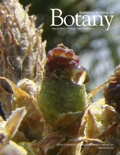
AMERICAN JOURNAL OF BOTANY
Unveiling Nature's Secrets Through Cutting-Edge ResearchAmerican Journal of Botany, an esteemed publication by Wiley, serves as a pivotal platform for the dissemination of groundbreaking research in the fields of botany, ecology, plant science, and genetics. With an illustrious history dating back to 1946, this journal holds a prestigious position in the academic community, evident through its Q1 ranking in both Ecology, Evolution, Behavior and Systematics and Plant Science, alongside a Q2 ranking in Genetics as of 2023. The journal maintains a competitive edge, ranked 159th in Ecology and Evolution and 124th in Plant Science according to Scopus metrics, underscoring its impact within the research landscape. Though traditionally not an open-access journal, it continues to provide valuable insights and advancements in botanical science, making it essential reading for researchers, professionals, and students dedicated to understanding and exploring the complexities of plant life. The journal's commitment to high-quality research ensures that it remains a cornerstone in the pursuit of knowledge in botany and related disciplines.