
Annual Review of Physiology
Scope & Guideline
Elevating Understanding in the Science of Life
Introduction
Aims and Scopes
- Interdisciplinary Integration of Physiology:
The journal emphasizes the interconnectedness of various physiological systems, exploring how different biological processes influence each other at molecular, cellular, and systemic levels. - Innovative Mechanistic Insights:
Research published in this journal often delves into the underlying mechanisms driving physiological functions, employing advanced methodologies such as molecular biology, biochemistry, and systems biology. - Clinical Relevance and Application:
The journal highlights studies that bridge basic physiology with clinical applications, particularly in understanding diseases and developing therapeutic strategies. - Emerging Technologies and Methodologies:
There is a consistent focus on the incorporation of cutting-edge technologies in physiological research, including genomics, proteomics, and advanced imaging techniques. - Physiological Responses to Environmental Challenges:
The journal examines how physiological systems adapt to various environmental stresses, including metabolic, inflammatory, and mechanical challenges.
Trending and Emerging
- Role of the Microbiome in Physiology and Disease:
An increasing number of studies are exploring how the microbiome influences various physiological processes, linking gut health to systemic conditions such as metabolic syndrome and inflammation. - Integrative Approaches to Metabolism:
There is a growing emphasis on understanding metabolism from an integrative perspective, particularly how metabolic pathways interact across different tissues and under various physiological conditions. - Inflammation and Immune Responses in Physiology:
Recent works have focused on the role of inflammation and immune responses in health and disease, particularly how these processes impact physiological function and contribute to chronic conditions. - Technological Advances in Physiological Research:
Emerging themes reflect the use of innovative technologies such as CRISPR, advanced imaging, and bioinformatics, which are transforming our understanding of physiological processes at a molecular level. - Physiological Adaptations to Stressors:
There is heightened interest in how physiological systems adapt to various stressors, including mechanical, metabolic, and environmental challenges, reflecting a broader understanding of homeostasis.
Declining or Waning
- Basic Mechanisms of Traditional Physiology:
There is a noticeable decrease in papers focused solely on traditional physiological mechanisms without integrating modern technologies or current understanding of disease processes. - Single-Organ Studies:
Research that isolates the physiology of single organs without considering systemic interactions is becoming less common, as the trend shifts towards a more integrated approach. - Historical Perspectives on Physiological Concepts:
While historical insights are valuable, there appears to be a waning interest in papers that predominantly focus on historical interpretations of physiological principles without linking them to contemporary research. - Descriptive Studies of Physiological Phenomena:
The journal is moving away from purely descriptive studies that lack mechanistic insights or clinical relevance, favoring research that offers deeper understanding and implications.
Similar Journals

Current Research in Physiology
Advancing the Frontiers of Physiological ScienceCurrent Research in Physiology is an esteemed academic journal published by Elsevier, aimed at advancing the field of physiology through high-quality research contributions. Since its inception in 2019, the journal has provided a platform for innovative studies and reviews, addressing both fundamental and applied aspects of physiology across various biological systems. With its ISSN 2665-9441, it operates under a non-open access model, ensuring rigorous peer review while also fostering a broad readership. The journal has been classified in the Q3 category for both Physiology and Medical Physiology as of 2023, reflecting its growing influence and relevance, as evidenced by its Scopus rankings within the respective fields. Designed for researchers, clinicians, and students alike, Current Research in Physiology is committed to disseminating cutting-edge research that informs both academic inquiry and clinical practice, paving the way for future advancements in physiological science.
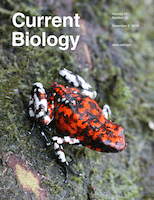
CURRENT BIOLOGY
Illuminating Pathways in Agricultural and Biological ResearchCURRENT BIOLOGY is a premier academic journal published by CELL PRESS, dedicated to a broad spectrum of fields within biological sciences. With an ISSN of 0960-9822 and E-ISSN 1879-0445, the journal has established itself as a vital resource for groundbreaking research and advancements since its inception in 1991. CURRENT BIOLOGY boasts high prominence in its categories, securing a Q1 quartile ranking in Agricultural and Biological Sciences, Biochemistry, Genetics and Molecular Biology, and Neuroscience, indicating its significant impact and relevance in these fields. Notably, it ranks #9 out of 221 journals in Agricultural and Biological Sciences, placing it in the 96th percentile, while also maintaining a strong presence in the Biochemistry category with a rank of #26. Researchers and professionals can rely on CURRENT BIOLOGY for comprehensive reviews, innovative methodologies, and crucial scientific developments that bridge theoretical knowledge with practical applications. The journal continues to play an essential role in enhancing the global dialogue in biological research, making it indispensable for students, academics, and industry experts aiming to stay at the forefront of the rapidly evolving landscape of life sciences.
JOURNAL OF EVOLUTIONARY BIOCHEMISTRY AND PHYSIOLOGY
Bridging Evolutionary Theory and Biochemical InnovationJOURNAL OF EVOLUTIONARY BIOCHEMISTRY AND PHYSIOLOGY, published by PLEIADES PUBLISHING INC, is a pivotal periodical that delves into the intricate relationships between biochemical processes and evolutionary dynamics. With its ISSN 0022-0930 and E-ISSN 1608-3202, this journal serves as a comprehensive platform for researchers, professionals, and students dedicated to understanding the physiological adaptations and biochemical mechanisms influenced by evolutionary pressures. Although it is not an open access journal, it offers valuable insights across its historically significant coverage spanning from 1972 to 2017, making it an essential resource for those working in agricultural, biological, and molecular sciences. Despite its current Scopus rankings revealing limited visibility within its fields, the journal remains committed to fostering scholarly dialogue and advancing knowledge in the realm of evolutionary biochemistry, especially for those exploring the ecological, genetic, and integrative physiological aspects of life.
KOREAN JOURNAL OF PHYSIOLOGY & PHARMACOLOGY
Fostering excellence in physiological and pharmacological studies.Welcome to the Korean Journal of Physiology & Pharmacology, a pivotal academic platform dedicated to advancing the disciplines of physiology and pharmacology. Published by the esteemed Korean Journal of Physiology & Pharmacology, this journal has been disseminating valuable research findings since its inception in 1997 and continues to be a critical resource for researchers, professionals, and students in South Korea and beyond. With an ISSN of 1226-4512 and E-ISSN of 2093-3827, it offers insights into various aspects of drug action and physiological mechanisms. Although this journal currently does not subscribe to Open Access, it plays a vital role in bridging the gap between experimental and clinical studies, receiving commendations for its quality. In the 2023 Scopus rankings, it is notably positioned in the Q3 quartile for Pharmacology and Q4 for Physiology, reflecting its commitment to excellence. As the journal converges towards its comprehensive coverage in 2024, it remains a cornerstone for those looking to engage deeply with critical developments in these fields.

Physiological Reports
Exploring Innovative Insights into Biological ProcessesPhysiological Reports is a pioneering open-access journal published by WILEY, dedicated to advancing the field of physiology through the dissemination of high-quality research. Since its inception in 2013, this journal has provided a platform for innovative studies in both general physiology and medical physiology, making significant contributions to our understanding of biological processes. With an impact factor that reflects its growing influence—as evidenced by its placement in the Q2 category for physiology and medical physiology in 2023—Physiological Reports is positioned as a vital resource for researchers and practitioners alike. The journal encourages the submission of diverse studies ranging from cellular mechanisms to systemic physiology, presenting a unique opportunity for authors to reach a global audience without access barriers. It has established a reputation for rigorous peer review and timely publication, ensuring that cutting-edge research is readily available to stimulate further inquiry and collaboration in the scientific community.
PHYSIOLOGIA PLANTARUM
Exploring the Molecular Mechanisms of Plant LifePHYSIOLOGIA PLANTARUM, published by WILEY, is a prestigious journal in the fields of plant science, physiology, and genetics, known for its impactful contributions since its inception in 1948. With an impressive impact factor and a consistent ranking in the Q1 and Q2 quartiles, it stands out in critical disciplines such as cell biology and biochemistry, ranking #24 in Plant Science with a remarkable 95th percentile standing. This journal primarily serves researchers and professionals committed to advancing the understanding of plant functions, responses, and their molecular mechanisms. Its broad scope allows for a diverse array of studies, ensuring that groundbreaking research is accessible to the global scientific community. Although it does not offer Open Access, PHYSIOLOGIA PLANTARUM remains a vital resource for scholars looking to stay at the forefront of plant biology and related fields.

Current Opinion in Physiology
Shaping Tomorrow’s Understanding of PhysiologyCurrent Opinion in Physiology, published by Elsevier, is a leading journal dedicated to the dynamic field of physiology. With an E-ISSN of 2468-8673, this journal provides a platform for the latest insights and perspectives, reflecting the evolving landscape of physiological research. Operating from the United Kingdom, the journal holds a respectable impact factor and is ranked Q2 in both general physiology and medical physiology categories, highlighting its prominence among the global academic community. With Scopus rankings placing it in the 64th and 60th percentiles within its respective categories, Current Opinion in Physiology serves as an essential resource for researchers, professionals, and students eager to stay informed about innovative theories and emerging trends in physiology. The publication emphasizes high-quality reviews that summarize current knowledge and future directions, ensuring readers gain valuable insights applicable in both clinical and research settings.
Biophysics and Physicobiology
Empowering Research at the Crossroads of Physics and BiologyBiophysics and Physicobiology, published by the BIOPHYSICAL SOC JAPAN, is a critical open-access platform that has been advancing the fields of biophysics, biochemistry, and related disciplines since its inception in 2015. With an E-ISSN of 2189-4779, the journal aims to disseminate high-quality research articles that explore the intricate interplay between physical principles and biological systems. While it holds a commendable Q3 ranking in categories such as Biochemistry and Biophysics, it continues to strive towards enhancing its contribution to scientific knowledge. Operating under an open-access model since 2017, the journal ensures that research findings are readily available, fostering collaboration and innovation. The journal welcomes submissions that enrich the understanding of molecular mechanisms and physiological processes, making it an essential resource for researchers, professionals, and students alike.

Comprehensive Physiology
Leading the Charge in Physiological InnovationComprehensive Physiology is a premier journal published by WILEY, dedicated to the profound exploration of physiological science. With an impact factor that underscores its significance within the field, this journal serves as a pivotal resource for researchers, professionals, and students alike, ensuring access to cutting-edge studies and reviews that span various domains of physiology. It stands proudly in the Q1 category across multiple subfields including Medicine (miscellaneous), Physiology, and Medical Physiology, reflecting its outstanding position within the scientific community. Evaluated within prestigious bibliometric ranks, it boasts an impressive Scopus ranking, placing it in the 12th percentile for medical physiology and 23rd percentile in biochemical, genetic, and molecular physiology. As it converges from 2011 to 2024, Comprehensive Physiology continues to foster a platform for innovative discoveries and collaborative exchanges, thereby contributing significantly to the advancement of medical knowledge and understanding of physiological processes.
AMERICAN JOURNAL OF PHYSIOLOGY-CELL PHYSIOLOGY
Pioneering Research in Cell Biology and Physiology.Welcome to the American Journal of Physiology-Cell Physiology, a premier publication produced by the American Physiological Society that has been a cornerstone of research in cell biology and physiology since its inception in 1977. With its esteemed reputation solidified by its Q1 ranking in both Cell Biology and Physiology categories as of 2023, this journal serves as a vital resource for researchers, professionals, and students pursuing cutting-edge discoveries in cellular mechanisms. The journal is published in the United States and is recognized for its rigorous peer-review process, contributing to its high impact factor and prestigious standing—ranking #32 out of 193 in Physiology and #75 out of 285 in Cell Biology according to Scopus. While the journal does not provide open access, it remains an essential repository of knowledge, fostering innovation and advancing the field with original research articles, reviews, and commentaries. Join us in exploring the molecular intricacies of life through the compelling research that the American Journal of Physiology-Cell Physiology has to offer.