
Archives of Trauma Research
Scope & Guideline
Championing Open Access in Trauma Research
Introduction
Aims and Scopes
- Trauma Epidemiology and Public Health:
Focuses on understanding the incidence, causes, and characteristics of trauma injuries across different populations, contributing to public health strategies and policy-making. - Clinical Management and Treatment Outcomes:
Explores various treatment modalities for trauma patients, assessing clinical outcomes, rehabilitation techniques, and the effectiveness of surgical versus non-surgical interventions. - Innovative Technologies and Predictive Models:
Incorporates advancements in technology, such as artificial intelligence and machine learning, to improve diagnostic accuracy and predict patient outcomes in trauma care. - Psychological and Behavioral Factors in Trauma:
Investigates the psychological impact of trauma, including PTSD and cognitive impairments, emphasizing the importance of mental health interventions alongside physical treatment. - Road Safety and Injury Prevention:
Analyzes factors contributing to road traffic injuries and fatalities, promoting research on preventive measures and safety interventions in urban settings.
Trending and Emerging
- Neurotrauma and Cognitive Outcomes:
There is an increasing focus on traumatic brain injuries, particularly concerning biomarkers and cognitive impairments, which are crucial for developing targeted rehabilitation strategies. - Machine Learning and Predictive Analytics:
The application of machine learning techniques for predicting patient outcomes and optimizing trauma care is gaining traction, indicating a shift towards data-driven approaches in clinical settings. - Mental Health Interventions in Trauma Care:
Research on the psychological aspects of trauma, including PTSD and cognitive rehabilitation, is becoming more prevalent, highlighting the importance of integrating mental health care in trauma recovery. - Impact of Traffic Safety Measures:
Emerging studies are increasingly analyzing the effectiveness of traffic safety measures, such as speed control cameras and driving behavior interventions, reflecting a proactive approach to injury prevention. - Epidemiological Studies in Specific Populations:
There is a growing trend towards conducting epidemiological studies that focus on specific demographics, such as children or the elderly, to better understand their unique trauma risks and outcomes.
Declining or Waning
- Traditional Surgical Techniques:
There is a noticeable reduction in studies focusing solely on traditional surgical approaches to trauma management, likely due to the increasing interest in minimally invasive techniques and advanced regenerative methods. - General Trauma Registries:
Research centered on general trauma registries is becoming less common, as more specific and detailed studies emerge that focus on particular types of trauma or injuries, reflecting a trend towards specialization. - Occupational Injuries:
The frequency of studies examining occupational injuries is waning, possibly due to a shift in focus towards broader public health concerns and the impact of road traffic injuries.
Similar Journals
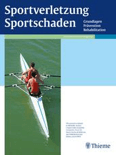
SPORTVERLETZUNG-SPORTSCHADEN
Exploring the complexities of sports injuries for better outcomes.SPORTVERLETZUNG-SPORTSCHADEN, published by GEORG THIEME VERLAG KG, is a pivotal journal in the realm of sports science, orthopedics, and sports medicine. Since its inception in 1987, this German-based publication has served as a critical platform for the dissemination of research focused on sports injuries and their prevention, rehabilitation, and management, engaging a diverse audience that includes researchers, healthcare professionals, and students alike. The journal, with an impressive convergence of years extending to 2024, is noteworthy for its categorization within the Q4 in Medicine (miscellaneous) and Q3 in Orthopedics and Sports Medicine, reflecting its growing influence in the field. Although it operates under a traditional publishing model and does not offer open access, the journal continues to generate valuable insights that support advancements in clinical practices and sports injury prevention strategies. With its commitment to quality research and its positioning within the Scopus ranks, SPORTVERLETZUNG-SPORTSCHADEN remains an essential resource for those dedicated to understanding and addressing the complexities of sports-related injuries.

BULLETIN DU CANCER
Connecting research and practice to improve patient outcomes.BULLETIN DU CANCER is a pivotal academic journal dedicated to the field of oncology, providing a platform for innovative research and insights into cancer treatment and diagnostics. Published by Elsevier Masson, Corp Off in France, this journal has been a part of the scientific community since 1966, and is committed to sharing critical findings that influence clinical practices and improve patient outcomes. Despite its recent rankings placing it in the Q4 category for Cancer Research and Q3 for Hematology and other related fields, BULLETIN DU CANCER remains essential for those interested in the latest developments in cancer biology and treatment methodologies. With an emphasis on both basic and clinical research, it serves as a valuable resource for researchers, healthcare professionals, and students seeking to deepen their understanding in various dimensions of oncology. This journal is particularly relevant as it continues to spotlight emerging research trends and supports the global imperative to combat cancer more effectively.
Journal of Stroke
Elevating Global Dialogue on Stroke SolutionsJournal of Stroke is a premier open-access journal published by the Korean Stroke Society, dedicated to advancing the understanding of stroke through cutting-edge research and innovative clinical practices. Since its inception in 2013, the journal has gained notable recognition in the fields of Cardiology and Cardiovascular Medicine and Neurology, reflecting its commitment to high-quality, peer-reviewed content, with rankings in the top quartiles (Q1) for both categories as of 2023. The journal’s impact is underscored by its Scopus rankings, placing it in the 92nd and 91st percentiles within its respective fields, thus serving as a vital resource for researchers, clinicians, and students seeking to enhance their knowledge and contribute to stroke research and treatment methodologies. The Journal of Stroke is strategically positioned in South Korea and fosters a global dialogue on stroke-related issues, reinforcing its role as a pivotal platform for disseminating vital findings that can influence both clinical practices and health policy.

Journal of Emergencies Trauma and Shock
Shaping policy and practice in trauma care worldwide.The Journal of Emergencies Trauma and Shock, published by Wolters Kluwer Medknow Publications, is a premier open-access journal dedicated to advancing the field of emergency medicine. With an ISSN of 0974-2700 and an E-ISSN of 0974-519X, this journal has been a vital resource since its inception in 2008, providing a platform for original research, reviews, and clinical studies pertinent to trauma and shock management. The journal is recognized for its significant contributions to the field, illustrated by its strong standing as a Q2 journal in Emergency Medicine and ranking #34/109 in Scopus, with a commendable 69th percentile. Based in Mumbai, India, the journal not only reaches local practitioners but also caters to an international audience with its commitment to disseminating high-quality research that influences practice and policy in emergency settings. The publication is especially respected for its innovative approaches and practical findings that inform healthcare professionals on the front lines of trauma care. Researchers, practitioners, and students alike will find invaluable insights and data that help to shape the future of emergency medicine.
Journal of Trauma and Acute Care Surgery
Pioneering Evidence-Based Solutions for Acute CareThe Journal of Trauma and Acute Care Surgery, published by Lippincott Williams & Wilkins, stands at the forefront of critical research in the fields of trauma, surgery, and acute care medicine. With a 2023 Impact Factor placing it impressively in the Q1 category of both Critical Care and Intensive Care Medicine and Surgery, this journal is indispensable for professionals seeking to advance clinical and academic rigor in these domains. Covering an extensive range of topics from innovative surgical techniques to effective trauma management strategies, it serves as a vital resource for researchers and practitioners alike, fostering the dissemination of high-quality evidence and best practices. The journal's commitment to open access ensures that groundbreaking work is available to a global audience, facilitating collaboration and knowledge-sharing across multidisciplinary fields. With its prominent standing, ranked 48th out of 551 in Surgery and 24th out of 110 in Critical Care according to Scopus, the Journal of Trauma and Acute Care Surgery is poised to impact the evolving landscape of medical science significantly.
SHOCK
Elevating emergency medicine with groundbreaking insights.SHOCK is a premier academic journal dedicated to advancing the fields of Critical Care and Intensive Care Medicine, as well as Emergency Medicine. Published by LIPPINCOTT WILLIAMS & WILKINS, this journal stands out with an impressive impact factor that underscores its significance within the academic community. With its Quartile 1 ranking in both critical care and emergency medicine, SHOCK ranks among the top journals in its category, reflecting its commitment to disseminating groundbreaking research and clinical advancements. The journal has continuously provided a platform for innovative studies since its inception in 1994 and will continue to do so until 2024. The articles featured in SHOCK are invaluable for researchers, professionals, and students striving to stay abreast of the latest developments and trends in critical and emergency care. The journal fosters a robust exchange of knowledge and best practices, making it essential reading for anyone dedicated to improving patient outcomes in these high-stakes medical disciplines.

Military Medical Research
Unveiling the future of military medicine through collaboration.Military Medical Research is a premier open-access journal published by BMC, dedicated to advancing the field of military medicine. Since its launch in 2014, this journal has become a vital resource for researchers, healthcare professionals, and students interested in the interdisciplinary aspects of military health, offering a platform for innovative research that addresses the unique medical challenges faced by military personnel and veterans. With an impressive Q1 classification in Medicine (miscellaneous), ranked #9 out of 636 in General Medicine by Scopus and holding a remarkable 98th percentile ranking, Military Medical Research exemplifies excellence in scholarly contributions. The journal provides authors with the opportunity to disseminate their findings widely, as it is fully accessible online, facilitating knowledge transfer and collaboration across borders. As it converges from 2014 to 2024, the journal continues to play an instrumental role in shaping the future of military medicine, fostering innovations that can lead to improved health outcomes for service members and their families.
European Journal of Trauma and Emergency Surgery
Empowering Professionals with Cutting-Edge ResearchThe European Journal of Trauma and Emergency Surgery, published by SPRINGER HEIDELBERG, stands as a pivotal resource in the field of trauma and emergency medicine. With an ISSN of 1863-9933 and E-ISSN 1863-9941, this esteemed journal has been disseminating vital research since its inception in 2007, with ongoing contributions expected through 2024. It holds a reputable impact factor substantiated by its placement in the Q2 category across multiple disciplines, including Critical Care and Intensive Care Medicine, Emergency Medicine, Orthopedics and Sports Medicine, and Surgery. This distinction highlights the journal's commitment to high-quality, impactful research, as reflected in its notable Scopus rankings that place it within the top percentiles of its respective fields. Researchers, professionals, and students will find a wealth of scholarly articles that provide insights into contemporary practices and innovations, reinforcing the journal's role as a vital conduit for knowledge and advancements in trauma and surgical care.
Journal of Orthopaedics Trauma and Rehabilitation
Exploring innovative treatments for a healthier tomorrow.Journal of Orthopaedics Trauma and Rehabilitation, published by SAGE Publications Ltd, is a premier platform dedicated to the interdisciplinary field of orthopaedics, trauma, and rehabilitation. Since its transition to Open Access in 2016, it has significantly enhanced the accessibility of vital research, catering to an international audience of researchers, healthcare professionals, and students. Based in the Netherlands, this journal provides a comprehensive look at the latest advancements and challenges in orthopaedics and rehabilitation, enriching the academic landscape with its focus on innovative treatment methodologies. With a publication history converging from 2010 to 2024, the journal is categorized in Q4 for Orthopedics and Sports Medicine, as well as for Physical Therapy, Sports Therapy, and Rehabilitation, highlighting its relevance in these fields. Despite its current ranking of #124/161 in Rehabilitation and #270/321 in Orthopedics within Scopus, the Journal of Orthopaedics Trauma and Rehabilitation remains a vital resource for contributing authors seeking to share their findings and advance the body of knowledge in these important specialties.
Acta Facultatis Medicae Naissensis
Shaping the Future of Clinical Practice TogetherActa Facultatis Medicae Naissensis is an esteemed open-access journal published by the University of Niš, Faculty of Medicine, situated in Serbia. Since its inception in 2009, this journal has been a vital platform for the dissemination of innovative research findings in the field of Medicine, particularly focusing on miscellaneous areas within the discipline. With an ISSN of 0351-6083 and an E-ISSN of 2217-2521, it operates under a commitment to free accessibility, enhancing visibility for authors and readers alike since 2012. In the 2023 categorization, it holds a respectable Q4 ranking in Medicine (Miscellaneous) and positions itself at the 34th percentile among general medicine publications in Scopus, reflecting its growing academic impact. Researchers, professionals, and students seeking an interactive scholarly exchange in medicine will find Acta Facultatis Medicae Naissensis a rich resource, contributing significantly to the understanding of health sciences and clinical practice through its diverse range of articles.