
ARCHAEOFAUNA
metrics 2024
Unraveling Ancient Connections Through Animal Remains
Introduction
ARCHAEOFAUNA, published by the Laboratorio Arqueozoologia, Departamento de Biología, is a distinguished journal based in Spain dedicated to advancing the field of archaeozoology. With an ISSN of 1132-6891, this journal offers valuable insights into the relationship between ancient societies and their animal populations, making it an essential resource for researchers and professionals in the fields of archaeology, animal science, and zoology. As of 2023, ARCHAEOFAUNA is categorized in the second quartile (Q2) for both Archaeology and Archaeology (Arts and Humanities), indicating its significance in the academic landscape, while also occupying the third quartile (Q3) in Animal Science and Zoology. The journal spans comprehensive years of publication from 1996 to 2007 and continues its contributions through 2024. Despite its open access status being unspecified, the quality and rigor of research presented in ARCHAEOFAUNA underscores its commitment to disseminating knowledge that fosters a deeper understanding of historical ecology. Researchers, students, and professionals alike will find ARCHAEOFAUNA to be an invaluable asset in exploring the intricate ties between humanity and the animal kingdom throughout history.
Metrics 2024
 0.290.700.7021
Metrics History
Rank 2024
Scopus
JCI (Web Of Science)
Quartile History
Similar Journals

Intersecciones en Antropologia
Navigating the intersections of culture and knowledge.Intersecciones en Antropologia, published by the Universidad Nacional del Centro de la Provincia de Buenos Aires (UNICEN), Facultad de Ciencias Sociales, is a premier open-access journal in the field of anthropology, having established its presence since 2010. With an impressive impact factor and currently holding the distinguished Q1 quartile ranking in anthropology for 2023, this journal has quickly become a vital resource for scholars and practitioners alike, offering a platform for innovative research and critical discussion. The journal aims to advance anthropological scholarship by encouraging the dissemination of diverse perspectives and stimulating dialogue across geographical and cultural boundaries. Its open-access model, adopted in 2017, ensures that valuable research findings are accessible to a global audience, fostering collaboration and engagement within the academic community and beyond. Located in the vibrant cultural context of Argentina, Intersecciones en Antropologia serves as a conduit for significant anthropological dialogues, making it an essential read for those dedicated to understanding and contributing to the evolving landscape of social sciences.
ZOOLOGICA SCRIPTA
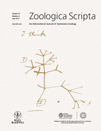
Connecting researchers through rigorous peer-reviewed insights.Zoologica Scripta, published by Wiley, stands as a distinguished journal within the fields of Animal Science and Zoology, Ecology, Evolution, Behavior and Systematics, Genetics, and Molecular Biology. With its inception dating back to 1971 and a convergence year extending to 2024, this journal consistently provides a platform for high-quality research, earning a Q1 ranking in two key categories and solid performance in additional fields, as evidenced by its significant Scopus rankings and impressive percentiles. Notably, it ranks 36 out of 490 journals in Animal Science and Zoology, placing it in the 92nd percentile. While Zoologica Scripta operates under a traditional access model, its rigorous peer-review process ensures that only the most impactful studies make their way into its pages. With a focus on advancing our understanding of biodiversity and evolutionary processes, this journal is indispensable for researchers, professionals, and students committed to the ongoing exploration of animal sciences and ecological studies.

Prilozi Instituta za Arheologiju u Zagrebu
Unveiling the past through innovative research and insights.Prilozi Instituta za Arheologiju u Zagrebu is a prominent academic journal published by INST ARHEOLOGIJU, dedicated to advancing the field of archaeology and related historical studies. Operating in Croatia, this journal serves as a vital platform for scholars, researchers, and students to disseminate innovative research and insights within the realm of archaeology, with a focus on the rich cultural heritage of the region. The journal spans contributions from 2002 to 2011 and has ongoing publication since 2013, reflecting its commitment to contemporary archaeological discourse. With a growing reputation, it has achieved a Q3 ranking in the fields of Archaeology and Arts and Humanities, and a Q2 ranking in History, signifying its impact and relevance in the academic community. Although Open Access options are not available, the journal remains an essential resource for those pursuing in-depth knowledge and research in archaeology. Researchers can harness the journal's extensive scope to explore critical historical narratives and archaeological findings, solidifying its importance in both local and global contexts.
ANIMAL BIOLOGY
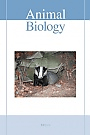
Exploring the Intricacies of Animal LifeANIMAL BIOLOGY is a distinguished journal published by BRILL, focusing on the dynamic fields of Animal Science and Zoology, as well as Ecology, Evolution, Behavior, and Systematics. With an ISSN of 1570-7555 and an E-ISSN of 1570-7563, this quarterly journal serves as a pivotal platform for researchers and professionals seeking to contribute to the understanding of animal biology across diverse ecological contexts. The journal is recognized with a 2023 Scopus ranking of #234 out of 490 in the Animal Science and Zoology category, placing it within the 52nd percentile, alongside a rank of #409 out of 721 in Ecology, marking a solid contribution to the field. Although it currently holds a Q3 quartile in both categories, its commitment to quality research and novel insights continues to bolster its significance within the academic community. The open access option coupled with its publication history from 2003 to 2024 ensures a wide dissemination of knowledge, drawing in a global audience of researchers, professionals, and students eager to explore the intricacies of animal biology. By promoting high-quality discussions and innovative studies, ANIMAL BIOLOGY plays an essential role in advancing the understanding of life sciences and the evolution of biodiversity.

PAKISTAN JOURNAL OF ZOOLOGY
Exploring the depths of animal science and conservation.Pakistan Journal of Zoology, established in 1975 and published by the Zoological Society of Pakistan, is a pivotal resource in the field of zoology and animal science, contributing to the academic discourse and research advancements in the region. With an ISSN of 0030-9923, this journal strives to disseminate innovative research findings and scholarly articles that explore various facets of animal biology, ecology, and conservation. Although classified in the Q4 quartile within the animal science category, its commitment to providing a platform for emerging researchers makes it crucial for those in the zoological community. The journal covers a broad range of topics relevant to contemporary issues in zoology, promoting both local and international collaborations. Situated in Lahore, Pakistan, its contributions are vital for promoting biodiversity awareness and conservation efforts within the region. Accessible research outputs empower students and professionals alike to engage in critical discussions and applications within the disciplines of zoology and animal science.

ACTA ZOOLOGICA BULGARICA
Innovative Insights into Animal Science and EcologyACTA ZOOLOGICA BULGARICA is a prominent academic journal dedicated to advancing knowledge in the fields of Animal Science, Zoology, Aquatic Science, Ecology, Evolution, Behavior, and Systematics. Published by the Institute of Zoology, Bulgarian Academy of Sciences, this journal serves as an invaluable platform for researchers, professionals, and students to disseminate their findings and engage with contemporary issues in biodiversity and ecology. With an established history since its convergence in 2010 and an ongoing publication schedule through to 2024, the journal holds a Q4 category ranking in multiple disciplines, highlighting its role in fostering scholarly communication in these areas despite its recent entry into Scopus-indexed rankings. Although currently not an open-access journal, ACTA ZOOLOGICA BULGARICA remains a key resource for those interested in the latest research and developments, particularly within the ecological and zoological landscapes of Europe and beyond.

Redia-Journal of Zoology
Exploring the frontiers of animal science.Redia-Journal of Zoology, published by the CRA-Research Centre Agrobiology & Pedology in Italy, is a distinguished academic journal dedicated to advancing the field of zoological studies through high-quality research and insightful reviews. With an ISSN of 0370-4327, this journal provides a platform for scholars and practitioners in the Agricultural and Biological Sciences to disseminate their findings and engage in meaningful discourse. Recognized in the 2023 Scopus rankings as Q2 in its category, Redia occupies a notable position within the global research community, ranked 138 out of 221 in Agricultural and Biological Sciences. The journal has a commitment to publishing original research from 2011 until 2024, contributing to the body of knowledge in diverse sub-disciplines of zoology, ecology, and conservation. While currently not open access, Redia strives to foster collaboration and discussion among researchers, making it a vital resource for advancing zoological sciences.
ZOOLOGY
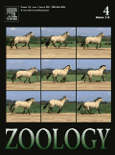
Fostering global collaboration in zoological sciences.ZOOLOGY, an esteemed journal published by Elsevier GmbH, stands at the forefront of research in the Animal Science and Zoology fields. With a notable impact factor and recognized as a Q1 category journal in its discipline, ZOOLOGY is highly regarded among researchers, ranking #98 out of 490 in Scopus rankings. Founded in 1994 and continuing through to 2024, the journal aims to publish cutting-edge, peer-reviewed articles that contribute significantly to the understanding of zoological sciences. Based in Munich, Germany, ZOOLOGY provides both subscription and open access options, ensuring that influential research reaches a wider audience. It serves as an essential platform for disseminating innovative findings, connecting scholars globally, and fostering interdisciplinary collaboration to advance zoological knowledge.
Current Zoology
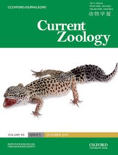
Advancing the Frontiers of Animal ScienceCurrent Zoology, published by Oxford University Press, is a leading open-access journal dedicated to advancing the field of zoology and animal science since its establishment in 2009. With an impressive Q1 ranking in Animal Science and Zoology as of 2023, the journal maintains a prominent position within the academic community, supported by a ranking of #138 out of 490 in Scopus. Current Zoology serves as a vital platform for researchers, professionals, and students, showcasing high-quality research that spans a broad array of topics within the domain of zoology. This journal is characterized by its rigorous peer-review process, ensuring the dissemination of credible and impactful findings that contribute to the understanding of animal biology and conservation efforts. The open-access model enhances accessibility, allowing a wider audience to engage with the pivotal research being conducted in this dynamic field. Processing all manuscripts in an efficient manner and featuring articles that push the boundaries of current knowledge, Current Zoology is your gateway to explore innovative discoveries and trends in zoology.
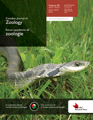
CANADIAN JOURNAL OF ZOOLOGY
Connecting Researchers with the Heart of Zoological ScienceWelcome to the Canadian Journal of Zoology, a leading academic journal in the fields of Animal Science and Zoology as well as Ecology, Evolution, Behavior and Systematics. Published by Canadian Science Publishing since 1965, this esteemed journal serves as a vital platform for researchers, professionals, and students to disseminate and engage with significant findings in zoological and ecological research. With an impact factor placing it in the Q2 category and rankings reflecting its influence (201/490 in Animal Science and Zoology; 372/721 in Ecology), the journal is committed to advancing the understanding of animal biology and environmental interactions. Although currently not an open access publication, it provides comprehensive resources and studies that are crucial for the academic community. Based in Ottawa, Canada, the journal continues to push the boundary of knowledge right up to 2024 and beyond, making it an essential resource for anyone dedicated to the life sciences.