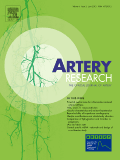
Artery Research
Scope & Guideline
Pioneering research that shapes the future of cardiology.
Introduction
Aims and Scopes
- Vascular Aging and Function:
The journal explores the mechanisms of vascular aging, including the physiological and pathological changes that occur in blood vessels over time, and their implications for cardiovascular health. - Non-Invasive Diagnostic Techniques:
Research often highlights novel non-invasive methods for assessing arterial health, such as pulse wave velocity and imaging techniques, which are crucial for early detection and management of cardiovascular diseases. - Biomarkers and Molecular Mechanisms:
A focus on identifying biomarkers related to vascular health and understanding the molecular mechanisms that underlie vascular dysfunction and diseases, including the role of genetics and epigenetics. - Clinical Implications and Risk Factors:
The journal addresses the clinical implications of vascular research, including the impact of lifestyle factors, medications, and interventions on vascular health and disease progression. - Innovative Therapeutic Approaches:
There is an emphasis on research that evaluates new therapeutic strategies and interventions aimed at improving vascular function and reducing cardiovascular risk.
Trending and Emerging
- Omics and Systems Biology Approaches:
There is an increasing interest in applying multi-omics approaches to understand vascular aging and function, which allows for a comprehensive view of the biological processes involved. - Wearable Technology and Remote Monitoring:
Research on innovative wearable devices for monitoring arterial health is on the rise, indicating a trend towards integrating technology into everyday health management and disease prevention. - Impact of Lifestyle on Vascular Health:
Increasing attention is being paid to the effects of lifestyle factors, such as exercise and diet, on arterial stiffness and overall vascular function, emphasizing preventive strategies in cardiovascular health. - Vascular Biomarkers in Disease Prediction:
There is a growing focus on identifying vascular biomarkers that can predict cardiovascular events, particularly in asymptomatic populations, which could lead to earlier interventions. - COVID-19 Related Vascular Research:
The impact of COVID-19 on vascular health has emerged as a significant theme, with research exploring the long-term effects of the virus on arterial function and related health outcomes.
Declining or Waning
- Traditional Invasive Techniques:
There is a noticeable decline in research centered on traditional invasive techniques for assessing arterial health, likely due to the increasing preference for non-invasive methods that offer greater patient comfort and lower risk. - Basic Animal Models:
Studies utilizing basic animal models to understand vascular function and disease mechanisms are less frequent, possibly indicating a shift towards more complex, human-relevant models and clinical studies. - General Cardiovascular Risk Assessments:
Research focusing solely on general cardiovascular risk assessments without specific emphasis on vascular health has decreased, as the field becomes more specialized in understanding vascular-specific metrics. - Historical Perspectives and Obituaries:
The publication of historical perspectives and obituaries, while important, has seen a reduction, suggesting a focus shift towards more contemporary research and active discussions surrounding current vascular health issues.
Similar Journals

EJVES Vascular Forum
Empowering the Future of Vascular Surgery and MedicineEJVES Vascular Forum, published by Elsevier, is a premier open access journal focusing on the interdisciplinary field of vascular surgery and cardiovascular medicine. Since its inception in 2001, the journal has provided a vital platform for the dissemination of high-quality research and innovative clinical practices, addressing critical issues in vascular health. With an ISSN of 2666-688X, it has gained recognition within its community, attaining a Q3 quartile ranking in both cardiology and surgery categories as of 2023, and showcasing its relevance and impact within the medical research landscape. Situated in the United Kingdom and accessible globally, the EJVES Vascular Forum invites contributions that foster collaboration and enhance knowledge in vascular surgery, making it an essential resource for researchers, professionals, and students alike. The journal's ranking within Scopus highlights its position among peers, adding further credence to its objectives of advancing science and improving patient care in the cardiovascular realm. By publishing rigorously peer-reviewed articles, the journal aims to be the go-to source of information and innovation for those dedicated to the progress of vascular health.
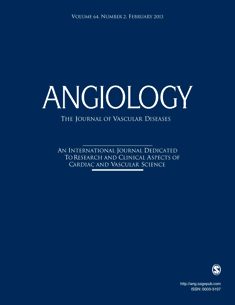
ANGIOLOGY
Empowering Cardiologists with Cutting-Edge InsightsANGIOLOGY is a leading journal dedicated to the field of cardiology and cardiovascular medicine, published by SAGE Publications Inc. With a distinguished history dating back to 1950, this journal serves as an essential platform for the dissemination of cutting-edge research, innovative clinical practices, and emerging trends in cardiovascular health. Holding a respected Q2 ranking in the 2023 Scopus category for Cardiology and Cardiovascular Medicine, and positioned within the 74th percentile of its field, ANGIOLOGY is an invaluable resource for researchers, healthcare professionals, and students alike. While currently not an open-access journal, it offers subscription options to access comprehensive articles that aim to advance knowledge and improve patient care across various cardiovascular disciplines. The journal's commitment to fostering dialogue and sharing groundbreaking findings underscores its importance in the ongoing pursuit of cardiovascular excellence.
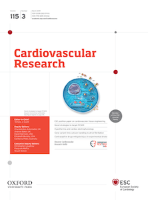
CARDIOVASCULAR RESEARCH
Exploring the complexities of cardiovascular health.CARDIOVASCULAR RESEARCH, published by Oxford University Press, is a premier academic journal dedicated to the evolving field of cardiology and cardiovascular medicine. With a remarkable impact factor reflecting its significant contribution to the scientific community, this journal maintains a Q1 ranking in both Cardiology and Physiology categories, demonstrating its commitment to publishing high-quality research that influences clinical practices and healthcare outcomes. Established in 1967, the journal has consistently provided a platform for innovative studies and reviews, aiming to advance our understanding of cardiovascular physiology and pathology. Researchers, professionals, and students will find published articles crucial for their work, as the journal covers a broad spectrum of topics including molecular biology, genetics, and clinical studies. While currently not offering open access options, CARDIOVASCULAR RESEARCH remains accessible through institutional and individual subscriptions, ensuring that the latest findings are available to those in the cardiovascular science community.
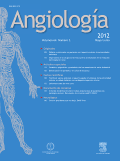
Angiologia
Empowering the future of angiological research.Angiologia, published by ARAN EDICIONES, S A, serves as a vital platform for the dissemination of research and advancements in the fields of cardiology and cardiovascular medicine. Established in 1949, this Spanish journal has made significant contributions to understanding vascular health, although it currently holds a Q4 status in Scopus rankings, indicating a critical opportunity for emerging researchers to contribute to this evolving field. Spanning from 1949 to 1993 and resuming from 1996 to 2024, the journal reflects a rich history of academic discourse. With its ISSN 0003-3170 and E-ISSN 1695-2987, Angiologia is committed to enhancing the visibility of cardiovascular research, providing access to a diverse range of articles that cater to the needs of healthcare professionals, academics, and students aiming to deepen their understanding of angiological health. While the journal currently does not offer open access options, it remains significant in guiding future research and fostering innovations within the cardiology landscape.
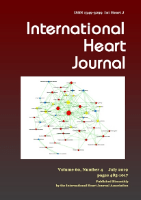
International Heart Journal
Connecting Researchers to Enhance Cardiovascular CareInternational Heart Journal, published by INT HEART JOURNAL ASSOC, serves as a pivotal platform for research and discourse in the fields of cardiology and cardiovascular medicine. With its ISSN 1349-2365 and E-ISSN 1349-3299, this esteemed journal is based in Japan and is located at the University of Tokyo, Graduate School of Medicine, Department of Cardiovascular Medicine. Since its inception in 2005, International Heart Journal has blossomed into a respected publication with an impact factor that signifies its growing relevance, ranking in the Q3 category of both cardiology and miscellaneous medicine as of 2023. This journal not only disseminates vital research findings but also fosters collaboration among researchers and healthcare professionals. Notable for its Open Access options, it ensures the availability of its content to a broader audience, thereby enhancing knowledge transfer and innovation in cardiovascular care. With an ongoing commitment to improve clinical practice and patient outcomes, the journal continues to be an essential resource for those dedicated to advancing the understanding of heart health and disease.
Current Vascular Pharmacology
Elevating Standards in Vascular Medicine and Drug DiscoveryCurrent Vascular Pharmacology is a premier academic journal published by Bentham Science Publications Ltd, focusing on the intersection of pharmacology and cardiovascular medicine. With an impact factor that reflects its significance in the field, this journal ranks in the Q1 category for both Pharmacology and Cardiology, showcasing its dedication to high-quality research. Its Scopus ranks place it in the top percentile of its categories, highlighting its influence among scholars and practitioners alike. Issued since 2003 and continuing through 2024, Current Vascular Pharmacology aims to disseminate cutting-edge findings and foster knowledge exchange among researchers, professionals, and students engaged in cardiovascular pharmacology. Despite being a subscription-based journal, it remains a vital resource for those seeking the latest advancements in drug development and therapeutic interventions for vascular diseases. Located in the United Arab Emirates, the journal serves as an essential platform for global discourse on vascular health.

Vascular Health and Risk Management
Empowering research to transform vascular health practices.Vascular Health and Risk Management is a leading peer-reviewed journal published by DOVE MEDICAL PRESS LTD, focusing on the critical areas of cardiology, endocrinology, and public health. With an impact factor that reflects its significance within the scientific community, this Open Access journal, established in 2005, has been committed to enhancing knowledge on the interplay between vascular health and various risk factors affecting patient outcomes. The journal is proudly based in New Zealand and is indexed across multiple categories, maintaining a prominent Q2 ranking in cardiology, endocrinology, diabetes, and several other medical disciplines as of 2023. By providing a platform for innovative research and comprehensive reviews, Vascular Health and Risk Management seeks to foster collaboration among healthcare professionals, enhance clinical practices, and ultimately improve patient care through rigorous scientific inquiry and disseminated knowledge. Researchers, professionals, and students will find invaluable insights that inform their work and advance the understanding of vascular-related health issues.
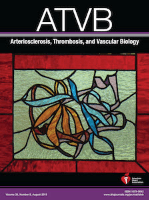
ARTERIOSCLEROSIS THROMBOSIS AND VASCULAR BIOLOGY
Unveiling the complexities of arterial diseases with scientific rigor.ARTERIOSCLEROSIS THROMBOSIS AND VASCULAR BIOLOGY, published by Lippincott Williams & Wilkins, is a leading journal in the field of cardiovascular medicine, dedicated to the advancement of research surrounding arterial diseases, thrombosis, and vascular biology. With an impressive impact factor indicative of its reach and influence, this journal occupies a prominent position in the Q1 category of cardiology, ranking 13th out of 387 in its field according to Scopus, placing it within the top 96th percentile among cardiovascular research journals. Since its inception in 1990, ARTERIOSCLEROSIS THROMBOSIS AND VASCULAR BIOLOGY has been pivotal in disseminating cutting-edge research that drives innovation and education in cardiovascular health. Although it does not operate under an open access model, the journal is a vital resource for researchers, clinicians, and students looking for high-quality, peer-reviewed articles that contribute to the understanding and treatment of cardiovascular and vascular disorders. Its commitment to rigorous scientific standards and its focus on impactful findings make it an essential publication for anyone dedicated to the field.

IJC Heart & Vasculature
Transforming Cardiovascular Care Through Open ResearchIJC Heart & Vasculature is a premier open-access journal published by Elsevier Ireland Ltd, dedicated to advancing research in the fields of cardiology and cardiovascular medicine. Since its inception in 2013, this journal has established itself as a valuable resource for clinicians, researchers, and students keen on exploring the latest developments in heart and vascular health. With an impressive impact factor and ranked within Q2 in its category (2023), IJC Heart & Vasculature has achieved a significant Scopus rank of #125 out of 387, placing it in the 67th percentile of cardiology journals. The journal not only emphasizes high-quality research but also promotes innovative studies that can shape clinical practices and improve patient outcomes. Researchers and professionals can access a plethora of peer-reviewed articles, original research, and comprehensive reviews that unravel the complexities of cardiovascular science. With a commitment to fostering open and impactful dialogue in the field, IJC Heart & Vasculature is poised to be an essential platform for knowledge exchange in the evolving landscape of cardiovascular research.
Vascular
Unveiling breakthroughs in vascular health and disease.Vascular is a premier academic journal published by SAGE Publications Ltd, focusing on a wide range of disciplines within the fields of cardiology, cardiovascular medicine, surgery, and radiology. Established in 1993 and continuing through 2024, this journal serves as an essential resource for researchers and professionals seeking to advance their understanding of vascular health and disease. With an impressive categorization in the Q3 quartile for cardiology and cardiovascular medicine, and Q2 quartile for surgery, Vascular has established itself as a reputable platform for disseminating cutting-edge research and innovative clinical practices. The journal's positioning in various Scopus Ranks reflects its relevance and contribution to advancing these critical medical fields, making it an indispensable tool for students, clinicians, and researchers alike. For those interested in keeping abreast of the latest developments, Vascular offers a rich repository of articles that contribute significantly to the global discourse on vascular diseases.