
VASCULAR MEDICINE
Scope & Guideline
Connecting research excellence with clinical innovation in vascular medicine.
Introduction
Aims and Scopes
- Clinical Cardiovascular Research:
The journal publishes original research articles that explore clinical aspects of cardiovascular diseases, including studies on risk factors, treatment outcomes, and patient management strategies. - Innovative Therapeutics and Interventions:
There is a strong emphasis on novel therapeutic approaches and interventional techniques, including advancements in pharmacotherapy, surgical procedures, and device technology. - Epidemiology and Public Health:
Research focusing on the epidemiology of cardiovascular diseases and their implications for public health is a core area, highlighting trends, risk factors, and prevention strategies. - Basic and Translational Research:
The journal encourages studies that bridge basic science and clinical application, including investigations into molecular mechanisms, biomarkers, and genetic factors associated with cardiovascular diseases. - Interdisciplinary Approaches:
Vascular Medicine promotes interdisciplinary research that integrates insights from cardiology, surgery, pharmacology, and other related fields to enhance understanding and treatment of cardiovascular conditions.
Trending and Emerging
- Artificial Intelligence and Machine Learning Applications:
There is a notable increase in studies utilizing AI and machine learning for predictive analytics, risk stratification, and diagnostic imaging, showcasing the integration of technology in modern cardiovascular medicine. - Personalized Medicine and Genomics:
Research focusing on genomic profiling and personalized treatment approaches has gained traction, with an emphasis on understanding individual variability in response to treatments. - Impact of Lifestyle and Behavioral Factors:
Emerging studies are increasingly addressing the role of lifestyle modifications and behavioral interventions in managing cardiovascular diseases, emphasizing holistic approaches to prevention and treatment. - Cardiovascular Implications of COVID-19:
Research exploring the cardiovascular impacts of COVID-19, including long-term sequelae and the management of patients with pre-existing conditions during the pandemic, has surged significantly. - Vascular Regeneration and Repair Strategies:
Innovations in regenerative medicine, including stem cell therapies and tissue engineering for vascular repair, are becoming prominent research themes, reflecting a growing interest in restoring vascular health.
Declining or Waning
- Traditional Risk Factor Studies:
There has been a noticeable decrease in studies solely focusing on traditional cardiovascular risk factors (e.g., hypertension, hyperlipidemia), as newer research increasingly integrates genetic, molecular, and lifestyle factors into cardiovascular risk assessment. - Single-Drug Therapeutic Approaches:
Research centered on monotherapy for cardiovascular conditions is declining in favor of studies evaluating combination therapies or multi-target approaches, reflecting a shift towards more personalized medicine. - Invasive Diagnostic Procedures:
With the rise of non-invasive imaging and diagnostic techniques, there has been a reduction in publications focused on traditional invasive procedures, such as catheterization, as more studies explore innovative imaging modalities. - Basic Science Without Clinical Application:
There is a trend away from basic science studies that do not have a direct translational application to clinical practice, as the journal increasingly prioritizes research that connects laboratory findings to therapeutic strategies.
Similar Journals

Acta Angiologica
Advancing Vascular Health Through Open Access ResearchActa Angiologica, published by VIA MEDICA, is an Open Access journal dedicated to the dynamic field of cardiology and cardiovascular medicine. Since its inception in 1995, this esteemed journal has provided a vital platform for the dissemination of cutting-edge research and innovative medical practices, especially pertinent to vascular health. Being indexed in Scopus, it holds a rank of #352 out of 387 in its category for 2023, positioning it in the 9th percentile among contemporaneous journals. The journal's commitment to scholarly excellence and accessibility is underscored by its embrace of open access publishing, allowing researchers, professionals, and students to engage with vital advancements in the field without financial barriers. With a converged timeline from 2005 to 2024, Acta Angiologica continues to play a crucial role in bridging gaps in cardiovascular knowledge, fostering collaboration across disciplines, and advancing the implementation of preventative and therapeutic strategies in vascular medicine. Located in Gdansk, Poland, the journal is poised to make significant contributions to the cardiovascular research landscape.
Cardiovascular Therapeutics
Advancing Cardiovascular Care Through Open Access ResearchCardiovascular Therapeutics is a renowned Open Access journal, published by WILEY-HINDAWI, that has been at the forefront of advancing knowledge in the field of cardiology and cardiovascular medicine since its establishment. With a strong commitment to disseminating high-quality research, the journal has successfully positioned itself within the Q2 quartile in multiple categories, including Cardiology and Cardiovascular Medicine, Medicine (miscellaneous), and Pharmacology. The journal is indexed in Scopus, achieving impressive rankings, such as #95 out of 387 in Cardiology, and #87 out of 272 in Medical Pharmacology. Situated in the United Kingdom, Cardiovascular Therapeutics embraces an Open Access model since 2019, ensuring that groundbreaking research is accessible to researchers, practitioners, and students across the globe. The journal is dedicated to publishing original research articles, reviews, and clinical studies that contribute to the understanding and treatment of cardiovascular diseases, making it an essential resource for those invested in improving patient outcomes and advancing therapeutic strategies in this vital area of medicine.
Diabetes & Vascular Disease Research
Unraveling the complexities of diabetes and vascular disease.Diabetes & Vascular Disease Research is a leading academic journal dedicated to advancing the understanding and treatment of cardiovascular and metabolic diseases, particularly diabetes. Published by SAGE Publications Ltd in the United Kingdom, this journal serves as a key resource for researchers, clinicians, and students seeking to explore the intricate relationship between diabetes and vascular health. With an impressive Impact Factor and ranked in the Q2 quartile in prominent categories such as Cardiology, Endocrinology, and Internal Medicine, the journal provides a platform for high-quality, peer-reviewed research. Covering a broad range of topics from pathophysiology to therapeutic innovations, Diabetes & Vascular Disease Research plays a vital role in shaping contemporary discourse in the field. With contributions from leading experts and a commitment to disseminating valuable findings, this journal is a must-read for anyone involved in the fight against vascular complications arising from diabetes.
VASCULAR PHARMACOLOGY
Unlocking the mysteries of vascular biology and therapeutics.Vascular Pharmacology, published by Elsevier Science Inc, is a leading journal in the fields of pharmacology and molecular medicine, dedicated to advancing our understanding of vascular biology and therapeutic interventions. With an impressive impact factor reflecting its significant contribution to the scientific community, this journal seeks to publish ground-breaking research that elucidates the molecular mechanisms underlying vascular function and disease, as well as the pharmacological impact of new therapeutic agents. The journal operates under a dual access model, allowing for both subscription and open access options, ensuring that vital research is accessible to a wide audience. As of 2023, it holds a prestigious position in the Q1 category for pharmacology and ranks well in molecular medicine and physiology, reflecting its high quality and relevance. Whether you are a researcher, clinician, or student, Vascular Pharmacology serves as an essential resource to stay at the forefront of cardiovascular pharmacotherapy and vascular biology.
Egyptian Heart Journal
Connecting practitioners and researchers in the heart of science.The Egyptian Heart Journal, published by Springer, is a premier open-access journal dedicated to advancing the field of cardiology and cardiovascular medicine. As of 2023, it holds a Q3 classification within the category, showcasing its growing influence within the research community, and ranks 241 out of 387 in Scopus, reflecting a 37th percentile position. With an E-ISSN of 2090-911X, this journal has been open access since 2011, making it easily accessible to researchers, practitioners, and students alike. The journal aims to disseminate high-quality research articles, reviews, and case studies that contribute to the understanding and treatment of cardiovascular diseases. With its focus on innovative and practical solutions in cardiology, the Egyptian Heart Journal plays a critical role in shaping current and future cardiovascular research. Its global outreach and commitment to open access ensure that vital information is available to a wide audience, enhancing both scholarly discourse and clinical practice in the evolving landscape of cardiovascular medicine.
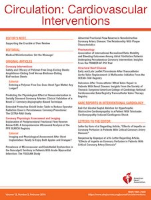
Circulation-Cardiovascular Interventions
Your Essential Resource for Cardiovascular Intervention Breakthroughs.Circulation-Cardiovascular Interventions, published by LIPPINCOTT WILLIAMS & WILKINS, is a premier journal in the field of cardiology and cardiovascular medicine, recognized for its commitment to advancing the understanding and treatment of cardiovascular diseases. With a robust Impact Factor and ranking in the top 10% of its category, it serves as an essential resource for researchers, clinicians, and students seeking to stay at the forefront of cardiovascular intervention developments. This esteemed journal covers a range of topics, including innovative therapeutic strategies, cutting-edge clinical trials, and comprehensive reviews that inform clinical practice and influence guidelines. Since its inception in 2008, and extending through 2024, Circulation-Cardiovascular Interventions has published pivotal research that shapes the landscape of cardiovascular care in the United States and beyond. Its commitment to high-quality publications makes it an invaluable platform for sharing knowledge and fostering collaboration within the global medical community.
Clinical Medicine Insights-Cardiology
Advancing Knowledge in Cardiology for a Healthier FutureClinical Medicine Insights-Cardiology is a prestigious open-access journal published by SAGE Publications Ltd, focusing on cutting-edge research in the field of cardiology and cardiovascular medicine. With the ever-evolving landscape of cardiovascular health, this journal serves as a vital platform for disseminating significant findings, clinical practices, and innovative therapies. Established in 2007, it has rapidly gained recognition, currently ranked in the Q2 category for cardiology, positioned at #112 out of 387 in Scopus Rankings, and boasting a commendable 71st percentile. The journal not only emphasizes the integration of recent advancements in clinical and laboratory studies but also aims to bridge the gap between research and practice, making it an essential resource for researchers, healthcare professionals, and students alike. Situated in New Zealand and operating with an open-access model, Clinical Medicine Insights-Cardiology promotes the unrestricted dissemination of knowledge, ensuring that critical insights into cardiovascular medicine are accessible globally.
International Journal of Angiology
Advancing cardiovascular knowledge for a healthier tomorrow.Welcome to the International Journal of Angiology, a distinguished publication dedicated to advancing the field of cardiology and cardiovascular medicine. Published by THIEME MEDICAL PUBL INC, this journal plays a crucial role in disseminating innovative research and clinical insights from 1992 through 2024, serving as a vital resource for researchers, healthcare professionals, and students alike. With an ISSN of 1061-1711 and an E-ISSN of 1615-5939, the journal currently holds a respectable Q4 ranking in the cardiology field, reflecting its commitment to quality and relevance. Although it operates under a traditional access model, the journal ensures that critical research findings are shared with a broad audience, fostering collaboration and knowledge exchange. By exploring current trends, diagnostic techniques, and treatment modalities in angiology, the International Journal of Angiology remains an essential platform for those dedicated to improving cardiovascular health around the globe.
Cardiology in Review
Empowering professionals with essential cardiology insights.Cardiology in Review, published by Lippincott Williams & Wilkins, is a prominent journal focused on advancing the field of cardiology and cardiovascular medicine. With a history of publication spanning from 1995 to 2024, the journal serves as an essential resource for researchers, healthcare professionals, and students alike, offering in-depth reviews and analyses on the latest developments, clinical practices, and research findings in cardiology. Despite being a traditional print journal, it maintains a commendable Q2 ranking in both cardiology and miscellaneous medicine categories as of 2023, reflecting its influence and rigor in the academic community, with a Scopus rank of #132 out of 387 in its field, placing it in the 66th percentile. The journal aims to bridge the gap between clinical practice and emerging research, promoting a deeper understanding and integration of innovative strategies in cardiovascular care. With its commitment to high-quality scholarship, Cardiology in Review remains a vital conduit for knowledge and dialogue within the evolving landscape of cardiovascular health.
Artery Research
Exploring the frontiers of arterial health and pathology.Artery Research is an esteemed open access journal published by BMC in the United Kingdom, dedicated to advancing the field of vascular biology and cardiovascular medicine. Since its inception in 2006 and transitioning to an open access format in 2019, the journal has become a pivotal platform for disseminating high-quality research on arterial health, pathology, and the latest clinical advancements. With an impactful focus on anatomy, cardiology, and physiology, Artery Research holds a notable reputation within the global research community, ranked in the Q3 and Q4 category quartiles in its respective fields and reflected in its Scopus ranks. The journal aims to foster collaborations and discussions among researchers and practitioners by providing an accessible avenue for publishing pivotal findings and insights. As it continues to evolve through 2024 and beyond, Artery Research remains committed to enriching cardiovascular research and driving innovations toward better health outcomes.