
SABRAO Journal of Breeding and Genetics
metrics 2024
Fostering knowledge for tomorrow's agricultural challenges.
Introduction
SABRAO Journal of Breeding and Genetics is a premier academic platform dedicated to fostering research and dissemination in the fields of agronomy, animal science, biotechnology, and genetics. Published by the SOC ADVANCEMENT BREEDING RESEARCHES ASIA & OCEANIA in Japan, this esteemed journal has an ISSN of 1029-7073 and E-ISSN of 2224-8978. Operating under open access, it aims to enhance the visibility of high-quality research while encouraging innovative advancements in breeding and genetics studies. With remarkable quartile rankings in 2023, including Q3 in Agronomy and Crop Science and Biotechnology, the journal is an essential resource for researchers, professionals, and students aiming to stay informed about the latest scientific developments. Covering diverse topics in a converged timeline from 2008 to 2024, it offers a comprehensive outlook on the challenges and advancements shaping the future of agricultural and biological sciences.
Metrics 2024
 0.281.601.5021
Metrics History
Rank 2024
Scopus
IF (Web Of Science)
JCI (Web Of Science)
Quartile History
Similar Journals
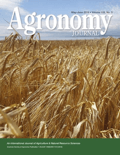
AGRONOMY JOURNAL
Empowering Crop Science with Decades of InsightThe Agronomy Journal, published by Wiley, is a leading platform for cutting-edge research in the field of agronomy and crop science. Established in the United States, this prestigious journal carries the ISSN 0002-1962 and E-ISSN 1435-0645, with its coverage spanning from 1976 to 2024, showcasing a wealth of knowledge over decades. The journal is recognized in the top quartile (Q1) of its category, making it a highly respected source for quality literature, ranking #108 out of 406 in the Scopus database and reflecting a 73rd percentile standing in agricultural and biological sciences. While it operates under traditional access options, its commitment to disseminating valuable scientific inquiry aligns with the objectives of advancing sustainable agricultural practices globally. The Agronomy Journal serves as an indispensable resource for researchers, professionals, and students eager to stay abreast of significant advancements and discussions influencing the future of crop science and agronomic research.
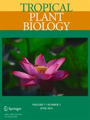
Tropical Plant Biology
Advancing Knowledge in Tropical EcosystemsTropical Plant Biology is a premier academic journal published by Springer, dedicated to advancing the understanding of tropical plants and their ecological significance. With an ISSN of 1935-9756 and an E-ISSN of 1935-9764, this journal serves as a vital platform for researchers, professionals, and students focused on the fields of Genetics and Plant Science. Notably recognized in 2023 as a Q2 journal in Plant Science and Q3 in Genetics, it ranks 171st out of 516 in Agricultural and Biological Sciences and 227th out of 347 in Genetics according to Scopus. The journal encompasses a diverse range of topics, offering insights into tropical plant biology, ecology, conservation, and biodiversity. Although it does not currently operate under an open-access model, it remains an essential resource for anyone passionate about tropical ecosystems and their intricate relationships. With contributions spanning from 2009 to 2024, Tropical Plant Biology continues to foster scholarly discourse and innovation in the field.
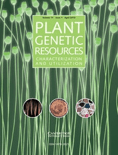
Plant Genetic Resources-Characterization and Utilization
Bridging Science and Sustainability in Plant GeneticsPlant Genetic Resources-Characterization and Utilization, published by Cambridge University Press, is an esteemed journal in the field of plant science, particularly focusing on the genetic resources crucial for agriculture and crop improvement. With an ISSN of 1479-2621 and an E-ISSN of 1479-263X, this journal serves as a vital platform for researchers aiming to advance the understanding of genetic variation and its applications in plant breeding and conservation. The journal boasts an impressive positioning within its categories, achieving Q2 in Agronomy and Crop Science, Q4 in Genetics, and Q3 in Plant Science as of 2023, which reflects its commitment to publishing high-quality research. Although primarily subscription-based, the journal is accessible to institutions and individuals seeking to stay at the forefront of innovations in plant genetic resources. Researchers, professionals, and students alike will find valuable insights into the latest methodologies, findings, and implications for sustainable agriculture and ecosystem management in its pages. As a key resource for advancing knowledge and practical applications in its field, Plant Genetic Resources-Characterization and Utilization continues to significantly contribute to the scientific community and the understanding of plant biodiversity.

Journal of Plant Registrations
Unlocking the future of crop science, one variety at a time.The Journal of Plant Registrations, published by Wiley, is a leading platform dedicated to advancements in the field of agronomy and crop science, with a specific focus on the registration and evaluation of new plant varieties. Established in 2009, this journal aims to provide vital insights into plant genetics, breeding innovations, and the scientific methodologies that underpin plant registration processes. Though it currently holds a Q3 ranking in Agronomy and Crop Science and a Q4 ranking in Genetics, it continues to evolve, contributing to the body of knowledge essential for agronomists, geneticists, and practitioners alike. Researchers can explore a multitude of topics as the journal fosters dialogue across experimental, practical, and theoretical domains, despite its non-open access model. By bridging critical gaps in plant registration research, the journal plays an essential role in enhancing agricultural productivity and sustainability in the United States and beyond. With an ISSN of 1936-5209 and an E-ISSN of 1940-3496, this journal serves as a crucial resource for ongoing education and innovation within a rapidly changing agricultural landscape.

MAYDICA
Fostering collaboration for a thriving agricultural community.MAYDICA is an esteemed scholarly journal dedicated to advancing knowledge in the fields of Agronomy, Crop Science, Genetics, and Plant Science, with a commitment to disseminating high-quality research that influences practices and policies in agriculture and crop management. Published by MAYDICA-IST SPER CEREALICOLTUR and based in Italy, the journal has been a pivotal resource for researchers since its inception in 1993. The journal is currently ranked in the Q3 category for Agronomy and Crop Science and Q4 for both Genetics and Plant Science, reflecting its growing impact within the academic community. Although it operates without open access, its rigorous peer-review process ensures the integrity and relevance of the research it publishes. MAYDICA seeks to foster collaboration among scientists, practitioners, and students, encouraging the exchange of innovative ideas and methodologies that address contemporary challenges in agricultural sciences. With a focus on timely research and developments, MAYDICA is an essential platform for those looking to enhance their understanding and application of agricultural advancements.

Vavilovskii Zhurnal Genetiki i Selektsii
Championing Open Access to Genetic KnowledgeVavilovskii Zhurnal Genetiki i Selektsii, with ISSN 2500-0462 and E-ISSN 2500-3259, is a distinguished open-access journal published by the Russian Academy of Sciences, Institute of Cytology and Genetics. Since transitioning to open access in 2013, the journal has been dedicated to advancing research and discourse in the fields of genetics and selection, particularly within agricultural and biological sciences. With a current ranking of Q2 in Agricultural and Biological Sciences and Q3 in Biochemistry, Genetics and Molecular Biology according to Scopus, it serves as a pivotal platform for researchers, professionals, and students to disseminate their findings and collaborate on innovative ideas. The journal, housed in the vibrant academic environment of Novosibirsk, Russia, publishes a diverse range of articles that contribute to the ongoing evolution of genetic studies and practical applications in agriculture. Its commitment to quality and accessibility ensures it plays an essential role in the global scientific community, fostering knowledge that bridges theoretical research and practical implementation.
CRITICAL REVIEWS IN PLANT SCIENCES
Elevating research through critical insights.CRITICAL REVIEWS IN PLANT SCIENCES, published by Taylor & Francis Inc, is a prestigious journal that has been advancing the field of plant science since its inception in 1983. With an impressive impact factor and consistently ranked in the top quartile (Q1) of its category, this journal is a leading platform for the dissemination of peer-reviewed research that spans the breadth of plant biology, ecology, and agricultural applications. Housed in the United Kingdom, it serves an international readership, making significant contributions to our understanding of plant systems and their environmental interactions. This journal is highly regarded within the Scopus rankings, holding an impressive position of 18 out of 516 journals in the Agriculture and Biological Sciences category, placing it in the 96th percentile. Although not currently open access, the journal provides valuable insights and critical reviews that are essential for researchers, professionals, and students striving to further their knowledge and bolster their own research in plant sciences.
Journal of Crop Improvement
Fostering sustainable practices in agronomy and crop science.The Journal of Crop Improvement, published by Taylor & Francis Inc, is an esteemed platform dedicated to advancing the field of agronomy and crop science. With an ISSN of 1542-7528 and an E-ISSN of 1542-7536, this journal boasts a commendable reputation, reflected in its 2023 quartile rankings—notably, Q2 in Agronomy and Crop Science and Q2 in Plant Science, positioning it among the leading publications within its category. The journal encompasses a wide range of topics related to crop enhancement, sustainable agriculture, and genetic advancements, catering to the needs of researchers, industry professionals, and students alike. Although it currently does not provide open access, the Journal of Crop Improvement plays a crucial role in disseminating pioneering research aimed at improving crop resilience, yield, and quality. By maintaining a focus on innovative studies and empirical findings, the journal supports the global agricultural community in addressing the challenges posed by climate change and food security.

Czech Journal of Genetics and Plant Breeding
Exploring the intersection of genetics and plant science.Czech Journal of Genetics and Plant Breeding is a premier academic journal dedicated to advancing the fields of genetics and plant science. Published by the esteemed Czech Academy Agricultural Sciences, this journal has been available as an Open Access resource since 2002, ensuring that essential research is freely accessible to a global audience. With an ISSN of 1212-1975 and an E-ISSN of 1805-9325, it continues to disseminate high-quality studies and findings from the vibrant scientific community in the Czech Republic and beyond. The journal operates within the Scopus ranks, securing 279th place in the category of Plant Science and 282nd in Genetics, reflecting its commitment to scholarly rigor. The Journal's objectives focus on exploring innovations in genetic research and plant breeding methodologies, offering valuable insights that foster collaboration among researchers, professionals, and students alike. As the journal converges from 2007 to 2024, it remains a vital publication for those seeking to stay abreast of developments in genetic diversity, crop improvement, and sustainable agriculture practices.
Plant Biotechnology Reports
Connecting Science and Innovation in Plant ResearchPlant Biotechnology Reports is a premier academic journal published by SPRINGER, focusing on cutting-edge research in the dynamic fields of biotechnology and plant sciences. With an ISSN of 1863-5466 and an E-ISSN of 1863-5474, this journal serves as a vital platform for disseminating high-quality studies from 2008 to 2024. Situated in Japan, it has earned commendable status within the academic community, ranking in the Q2 quartile for Plant Science and Q3 for Biotechnology in 2023, placing it among the top-tier publications in its domain. Notably, it ranks #160/516 in the Scopus category for Agricultural and Biological Sciences - Plant Science, reflecting its impact and reach in the relevant fields. While it does not currently offer open access, the journal remains an essential resource for researchers, professionals, and students eager to explore breakthroughs in plant biotechnology. Researchers contribute significant advancements that not only drive scientific understanding but also foster innovation in agricultural practices, making this journal pivotal for both academic and practical applications in the realm of biotechnology.