
BIOESSAYS
metrics 2024
Exploring the Nuances of Molecular Biology
Introduction
BIOESSAYS, published by WILEY, is a leading academic journal dedicated to the dynamic fields of biochemistry, genetics, and molecular biology. With an impressive impact factor and recognized as a Q1 journal in its category for 2023, it ranks 49 out of 221 in the Scopus database, placing it within the 78th percentile among its peers. Since its inception in 1984, BIOESSAYS has served as a vital platform for researchers, professionals, and students, facilitating the dissemination of pivotal findings, innovative theories, and review articles that shape the current understanding of biological sciences. Although it does not offer open access, the journal remains key for those seeking to stay at the forefront of scientific discovery and discussion within this ever-evolving discipline. With its commitment to high-quality, peer-reviewed content, BIOESSAYS continues to influence future research directions and academic discourse.
Metrics 2024
 1.343.203.90202
Metrics History
Rank 2024
Scopus
IF (Web Of Science)
JCI (Web Of Science)
Quartile History
Similar Journals
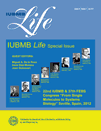
IUBMB LIFE
Connecting Researchers to the Future of Life SciencesIUBMB LIFE is a prestigious, peer-reviewed journal published by WILEY, dedicated to advancing the fields of biochemistry, molecular biology, and cell biology. With an impressive impact factor and consistently ranked in the Q1 and Q2 categories across multiple relevant disciplines—including Biochemistry, Genetics, and Clinical Biochemistry—this journal has established itself as a leading platform for disseminating innovative research and critical reviews that propel scientific discovery. The journal spans a converged publication period from 1999 to 2024, providing comprehensive insights into the dynamic landscape of biochemical research. Researchers, professionals, and students alike are invited to explore its Open Access options, ensuring that groundbreaking studies are accessible to a global audience. As it continues to shape the future of life sciences, IUBMB LIFE remains a vital resource for those seeking to enrich their understanding and contribute to these rapidly evolving fields.

Molecular Biology Research Communications
Driving impactful research in biochemistry and molecular biology.Molecular Biology Research Communications is a distinguished academic journal published by Shiraz University, focusing on the critical and rapidly evolving fields of biochemistry and molecular biology. With an ISSN of 2322-181X and an E-ISSN of 2345-2005, this journal serves as an essential platform for researchers, professionals, and students to disseminate significant findings that contribute to the advancement of knowledge in these disciplines. The journal, operating from Shiraz, Iran, is notable for its contributions from both local and international scholars, offering invaluable insights and fostering scientific collaboration. Although currently indexed in the Q4 quartile across its categories, the journal aims to enhance its impact and visibility in the field as it converges years of research from 2017 to 2024. While the open access option is not available, the journal's commitment to high-quality peer-reviewed research provides a respected avenue for publication.

Biology-Basel
Advancing the Frontiers of Biological ResearchBiology-Basel is a premier, peer-reviewed open-access journal published by MDPI since 2012, situated in the heart of Switzerland. With an E-ISSN of 2079-7737, this journal serves as a vital platform for the dissemination of innovative research across the broad spectrum of Agricultural and Biological Sciences, Biochemistry, Genetics, Molecular Biology, and Immunology. Recognized for its rigorous editorial standards and impactful findings, it currently ranks Q1 in Agricultural and Biological Sciences and holds impressive positions in several categories according to the 2023 Scopus rankings. The journal’s open-access model ensures that high-quality research is freely available to a global audience, fostering collaboration and knowledge sharing among researchers, professionals, and students alike. Spanning from 2012 to 2024, Biology-Basel is committed to reflecting the latest advancements in biological sciences, making it an essential resource in the ever-evolving landscape of biological research.
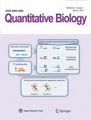
Quantitative Biology
Exploring the Intersection of Numbers and NatureQuantitative Biology is a prestigious journal published by WILEY, focusing on the interdisciplinary study of quantitative approaches in the biological sciences. With an ISSN of 2095-4689 and an E-ISSN of 2095-4697, this journal has established itself as a critical platform for researchers exploring complex biological systems through mathematical and computational methodologies. Operating out of China, Quantitative Biology significantly contributes to its field, holding a Q2 ranking in various categories, including Applied Mathematics and Biochemistry, Genetics and Molecular Biology, according to the latest Scopus rankings. These rankings reflect the journal's commitment to publishing high-quality research that employs advanced modeling and simulation techniques. The journal's impact is evident with its position in the 84th percentile for Applied Mathematics, indicating its relevance and growth in a competitive academic landscape. Although it does not currently operate under an Open Access model, the journal is pivotal for professionals and students alike, aiming to bridge the gap between mathematical theories and biological applications. Researchers are encouraged to submit their innovative findings and engage with the vibrant community dedicated to advancing the quantitative understanding of biological phenomena.
Cells, published by MDPI in Switzerland, is a leading open-access journal that has been disseminating groundbreaking research in the fields of Biochemistry, Genetics, and Molecular Biology since its inception in 2011. With an impressive E-ISSN of 2073-4409, the journal boasts a strong impact factor and ranks in the 84th percentile for Scopus ratings, underscoring its significance in advancing scientific knowledge. As a Q1-ranked journal in both 2023 and 2020, it serves as a premier platform for researchers, professionals, and students eager to explore innovative findings and methodologies. By providing unrestricted access to high-quality research, Cells plays a pivotal role in facilitating collaboration and inspiration within the global scientific community, making it an indispensable resource for anyone interested in cutting-edge discoveries in cellular biology.
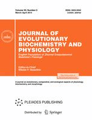
JOURNAL OF EVOLUTIONARY BIOCHEMISTRY AND PHYSIOLOGY
Pioneering Research in Evolutionary Biochemistry and PhysiologyJOURNAL OF EVOLUTIONARY BIOCHEMISTRY AND PHYSIOLOGY, published by PLEIADES PUBLISHING INC, is a pivotal periodical that delves into the intricate relationships between biochemical processes and evolutionary dynamics. With its ISSN 0022-0930 and E-ISSN 1608-3202, this journal serves as a comprehensive platform for researchers, professionals, and students dedicated to understanding the physiological adaptations and biochemical mechanisms influenced by evolutionary pressures. Although it is not an open access journal, it offers valuable insights across its historically significant coverage spanning from 1972 to 2017, making it an essential resource for those working in agricultural, biological, and molecular sciences. Despite its current Scopus rankings revealing limited visibility within its fields, the journal remains committed to fostering scholarly dialogue and advancing knowledge in the realm of evolutionary biochemistry, especially for those exploring the ecological, genetic, and integrative physiological aspects of life.

Biologia Futura
Fostering Collaboration for a Sustainable FutureBiologia Futura, an esteemed journal published by SPRINGER HEIDELBERG, serves as a vital platform for researchers and professionals in the fields of Agricultural and Biological Sciences, as well as Biochemistry, Genetics, and Molecular Biology. Established in Hungary, this journal has been at the forefront of scientific inquiry since its inception in 2019 and continues to contribute significantly to advancing knowledge through rigorous peer-reviewed articles. With current rankings placing it in the second quartile for Agricultural and Biological Sciences and third quartile for Biochemistry, Genetics, and Molecular Biology according to Scopus metrics, it reflects a robust academic quality and reach. Scholars are encouraged to share their original research, reviews, and innovations that intersect these dynamic fields. Although not an open access publication, Biologia Futura ensures wide dissemination of high-impact research from its notable address at Tiergartenstraße 17, D-69121 Heidelberg, Germany, aiming to foster collaboration and discovery within the global scientific community.
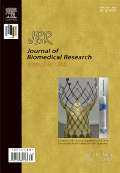
Journal of Biomedical Research
Elevating Biomedical Research Through Rigorous ScholarshipJournal of Biomedical Research, published by Nanjing Medical University in China, is a prominent platform for groundbreaking discoveries in the fields of Biochemistry, Genetics, and Molecular Biology, as well as Medicine. With an ISSN of 1674-8301 and an E-ISSN of 1876-4819, the journal offers a vital opportunity for researchers, professionals, and students to disseminate insightful research findings. Although not currently available as an open access journal, its inclusion in the second quartile of both Biochemistry and Medicine categories underscores its growing influence and commitment to high-quality scholarship, as evidenced by its historical compliance with Scopus rankings prior to 2009. By fostering an interdisciplinary approach, the Journal of Biomedical Research aims to bridge gaps in current biomedical understanding and encourages innovative research that can lead to significant contributions in improving health outcomes. Its editorial policies guarantee rigorous peer review, making it a trusted source of knowledge in the biomedical community.
JOURNAL OF BIOSCIENCES
Exploring Innovations in Biochemistry and MedicineJOURNAL OF BIOSCIENCES, published by the Indian Academy of Sciences, has established itself as a pioneering platform in the fields of biosciences, encompassing diverse research areas such as agricultural and biological sciences, biochemistry, genetics, molecular biology, and medicine. With an impressive trajectory since its inception in 1979, the journal has achieved notable recognition, securing a Q1 ranking in Agricultural and Biological Sciences and maintaining its place in the top quartiles for Biochemistry and Medicine as of 2023. With Scopus rankings placing it at #32 in General Agricultural and Biological Sciences and #65 in General Biochemistry, Genetics, and Molecular Biology, the journal reaches the 85th and 70th percentiles respectively, reflecting its impact and relevance in current scientific discourse. Although it does not offer open access, the JOURNAL OF BIOSCIENCES remains crucial for researchers, professionals, and students dedicated to advancing knowledge and innovation within the biosciences, providing a vibrant forum for high-quality research and comprehensive reviews.
DNA AND CELL BIOLOGY
Illuminating the Path of Cellular AdvancementsDNA AND CELL BIOLOGY, published by Mary Ann Liebert, Inc, is a distinguished journal in the realms of cell biology, genetics, and molecular biology, holding a notable position in its Q3 and Q2 quartile rankings across multiple academic categories as of 2023. With an ISSN of 1044-5498 and an E-ISSN of 1557-7430, this journal has been a pivotal platform for the dissemination of cutting-edge research since its inception in 1990, extending its coverage through 2024. Situated in the United States, the journal offers high-quality peer-reviewed articles, exploring significant advancements in biological sciences while fostering interdisciplinary collaborations within the research community. Though it currently does not offer open access, subscribed institutions and individual readers benefit from its rich repository of knowledge. The journal's rigorous standards and impactful content make it an essential resource for researchers, professionals, and students alike, aiming to stay at the forefront of discoveries influencing DNA and cellular dynamics.