
DNA AND CELL BIOLOGY
metrics 2024
Exploring the Frontiers of Molecular Discovery
Introduction
DNA AND CELL BIOLOGY, published by Mary Ann Liebert, Inc, is a distinguished journal in the realms of cell biology, genetics, and molecular biology, holding a notable position in its Q3 and Q2 quartile rankings across multiple academic categories as of 2023. With an ISSN of 1044-5498 and an E-ISSN of 1557-7430, this journal has been a pivotal platform for the dissemination of cutting-edge research since its inception in 1990, extending its coverage through 2024. Situated in the United States, the journal offers high-quality peer-reviewed articles, exploring significant advancements in biological sciences while fostering interdisciplinary collaborations within the research community. Though it currently does not offer open access, subscribed institutions and individual readers benefit from its rich repository of knowledge. The journal's rigorous standards and impactful content make it an essential resource for researchers, professionals, and students alike, aiming to stay at the forefront of discoveries influencing DNA and cellular dynamics.
Metrics 2024
 0.692.603.6087
Metrics History
Rank 2024
Scopus
IF (Web Of Science)
JCI (Web Of Science)
Quartile History
Similar Journals
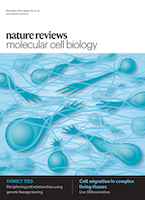
NATURE REVIEWS MOLECULAR CELL BIOLOGY
Advancing the frontiers of molecular and cell biology.NATURE REVIEWS MOLECULAR CELL BIOLOGY, published by NATURE PORTFOLIO, stands as a seminal journal in the fields of cell and molecular biology, with a significant impact factor that underscores its influence and reputation within the scientific community. Established in 2000 and continuing its legacy into 2024, this journal delivers comprehensive reviews that synthesize current knowledge and advancements in molecular and cellular processes. Respected for its high-quality articles, it has maintained a prestigious Q1 ranking in both Cell Biology and Molecular Biology categories as of 2023. With an exceptional Scopus ranking, taking the top position in its category, it attracts a readership of prominent researchers, professionals, and students eager to stay abreast of groundbreaking discoveries and methodologies. Although it does not offer Open Access, subscribers benefit from exclusive access to vital insights that foster innovative research approaches and advancements in the life sciences. The journal’s objective is to bridge the gap between research and application, providing indispensable resources to its audience while contributing to the global conversation on molecular and cellular biology.
SEMINARS IN CELL & DEVELOPMENTAL BIOLOGY
Advancing the Frontiers of Cellular UnderstandingSEMINARS IN CELL & DEVELOPMENTAL BIOLOGY is a premier journal published by Academic Press Ltd - Elsevier Science Ltd, focusing on the vital domains of cell and developmental biology. With an impact factor that reflects its rigorous contributions to the field, this journal embodies the highest standards of academic excellence, currently ranking in the Q1 quartile for both Cell Biology and Developmental Biology categories as of 2023. Researchers and practitioners will appreciate its robust Scopus ranking, placing it within the top tiers of developmental biology and cell biology, with percentile ranks of 94th and 90th respectively, showcasing the journal's influential presence in the scientific community. The journal aims to disseminate comprehensive reviews, cutting-edge research articles, and significant advances in the understanding of cellular mechanisms and developmental processes, thereby catering to a diverse audience that includes researchers, scholars, and students dedicated to the life sciences. Given its commitment to open access, SEMINARS IN CELL & DEVELOPMENTAL BIOLOGY promotes widespread dissemination of knowledge, enhancing collaborative research efforts and driving innovation across biological disciplines.

Cell and Bioscience
Empowering Knowledge Sharing in Molecular BiologyCell and Bioscience is a prestigious open-access journal published by BMC that has been at the forefront of biochemistry, genetics, and molecular biology since its inception in 2011. With an impressive impact factor, this journal has established itself as a vital resource for researchers and professionals in these rapidly advancing fields, reflecting its high ranking of #29 out of 221 in the Scopus classification and placing it in the 87th percentile. Based in the United Kingdom, Cell and Bioscience aims to foster innovation and dissemination of research findings addressing critical biological questions through rigorous peer-reviewed articles and inter-disciplinary approaches. The journal's open-access model ensures unrestricted access to transformative research, promoting collaboration and knowledge sharing among academics, students, and practitioners worldwide. With a commitment to maintaining excellence in the field, Cell and Bioscience provides an essential platform for those looking to contribute to the evolving landscape of biosciences.

CELLULAR AND MOLECULAR BIOLOGY
Transforming Knowledge in Cellular and Molecular BiologyCellular and Molecular Biology is a prominent academic journal published by C M B ASSOC, specializing in the dynamic fields of cellular and molecular biology. Established in 1977, this journal has consistently aimed to disseminate groundbreaking research that contributes to our understanding of biochemical processes, cell dynamics, and molecular mechanisms governing life. With its ISSN 0145-5680 and E-ISSN 1165-158X, the journal plays a vital role in the exchange of innovative ideas, evidenced by its coverage of research from 1977 to 2024. Although currently categorized in the Q4 quartile for major disciplines such as Biochemistry and Cell Biology, it is dedicated to fostering the development of the field by welcoming submissions that challenge the conventional understanding and lead to novel insights. Researchers and academics looking to contribute to or stay updated in the rapidly evolving landscape of molecular biology will find this journal a valuable resource for connecting with a global community of scientists.

CELLULAR PHYSIOLOGY AND BIOCHEMISTRY
Transforming Understanding through Open ScienceCellular Physiology and Biochemistry is a premier Open Access journal published by the prestigious Cell Physiol Biochem Press GmbH & Co, dedicated to advancing research in the fields of physiology, biochemistry, and molecular biology. Since its inception in 1987 and transitioning to an Open Access model in 2013, the journal has established itself as a vital resource for the dissemination of high-quality research and reviews, showcasing innovative methodologies and groundbreaking findings in cellular processes. With an impressive ranking in the 2023 Scopus category as Q2 in Physiology and a robust percentile of 61, Cellular Physiology and Biochemistry is committed to fostering academic dialogue among researchers, professionals, and students alike. This journal not only provides unrestricted access to its articles, but also promotes the global sharing of knowledge, which is essential for the advancement of our understanding in these vital scientific areas. The journal's editorial team is dedicated to ensuring the highest standards of academic rigor and relevance, making it an indispensable addition to the libraries of those engaged in the life sciences.

CELLULAR SIGNALLING
Exploring the Intricacies of Cell BiologyCELLULAR SIGNALLING, published by Elsevier Science Inc, is a premier journal within the realm of Cell Biology, boasting an impressive Q2 category ranking as of 2023. With an ISSN of 0898-6568 and an E-ISSN of 1873-3913, the journal has established itself as a critical platform for advancing the understanding of cellular mechanisms and signal transduction pathways since its inception in 1989. Covering a vast array of topics in Biochemistry, Genetics, and Molecular Biology, it ranks notably at 87 out of 285 in the Scopus list, placing it in the 69th percentile among its peers. The journal serves as an invaluable resource for researchers, professionals, and students seeking high-quality, impactful studies that drive forward the field of cellular biology. While it operates under traditional subscription access, its highlights include rigorous peer-reviewed articles, reviews, and insights that continue to shape current scientific discourse.
MOLECULAR AND CELLULAR BIOLOGY
Bridging Knowledge Gaps in Molecular BiologyMOLECULAR AND CELLULAR BIOLOGY, published by TAYLOR & FRANCIS INC, stands as a preeminent platform for researchers, professionals, and students engaged in the dynamic field of molecular and cellular biology. Established in 1981 and ongoing into 2024, the journal features cutting-edge research that spans across vital sub-disciplines, garnering a strong impact in its contributions to the scientific community. With an impressive Q2 ranking in Cell Biology and Q1 ranking in Molecular Biology for 2023, it consistently publishes high-quality articles that reflect the latest advancements and discoveries within the field. The journal is particularly well-regarded for its rigorous peer-review process and commitment to scientific excellence, making it an invaluable resource for those seeking to deepen their understanding of molecular mechanisms and cellular processes. Although not open access, the journal offers diverse access options for researchers to reach the latest findings. By maintaining a strong focus on biochemistry, genetics, and molecular biology, MOLECULAR AND CELLULAR BIOLOGY remains essential reading for anyone looking to contribute to or stay informed about significant developments within this pivotal area of study.
CYTOTECHNOLOGY
Advancing Cytotechnology: Pioneering Research for Tomorrow's Innovations.CYTOTECHNOLOGY, an esteemed journal published by Springer, stands as a vital resource in the fields of Bioengineering, Biomedical Engineering, and Biotechnology. With an impact factor reflective of its solid position within academia, this journal encompasses a broad scope dedicated to the advancement of cytotechnological research and applications from its inception in 1987 through to its latest volumes in 2024. Based in the Netherlands, it is committed to providing researchers, professionals, and students with high-quality, peer-reviewed articles that contribute to the understanding and innovations in cytotechnology. Although currently not open access, CYTOTECHNOLOGY has garnered a commendable reputation, holding Q3 rankings in multiple categories, indicating its relevance and influence within the scientific community. Researchers are encouraged to submit their cutting-edge findings to share insights that can spark further advancements in this dynamic field.

CELL RESEARCH
Advancing the Frontiers of Cell BiologyCELL RESEARCH is a premier peer-reviewed journal dedicated to advancing the field of cell biology and molecular biology, published by SpringerNature. With an impressive impact factor and consistently ranking in the Q1 quartile for both cell biology and molecular biology, this journal serves as a pivotal resource for researchers, professionals, and students seeking to explore the latest discoveries and advancements in cellular mechanisms and their implications for health and disease. Since its inception in 1996, CELL RESEARCH has cultivated a distinguished reputation, currently boasting ranks in the top percentile of Scopus categories, reaffirming its influence and relevance to the scientific community. Although it is not an Open Access journal, its rigorous selection process ensures the publication of high-quality articles that contribute significantly to our understanding of life sciences. For those deeply engaged in the realms of biochemistry, genetics, and molecular biology, CELL RESEARCH is an essential conduit of innovative research and critical insights.
BMC Molecular and Cell Biology
Bridging knowledge gaps in the biological sciences.BMC Molecular and Cell Biology is a forward-thinking open-access journal published by BMC, specializing in the vital fields of molecular biology and cell biology. Since its inception in 2019, the journal has carved a niche for itself, ranking in the Q3 quartile in both Cell Biology and Molecular Biology categories as of 2023. With an ISSN of N/A and an E-ISSN of 2661-8850, the journal provides a platform for groundbreaking research, high-quality reviews, and innovative methodologies. Situated in the United Kingdom, BMC Molecular and Cell Biology promotes a diverse range of studies, addressing fundamental questions in biology that resonate with both experts and new researchers alike. The journal's commitment to open access ensures that valuable findings are readily available to the global scientific community, fostering collaboration and knowledge-sharing across disciplines. Researchers aiming to contribute to the field of cell and molecular biology will find this journal an indispensable resource for both publishing and staying informed on the latest advances.