
BMC Medical Education
Scope & Guideline
Elevating medical education with cutting-edge research.
Introduction
Aims and Scopes
- Innovative Teaching Methods:
The journal emphasizes the exploration and evaluation of innovative teaching methodologies, including problem-based learning (PBL), flipped classrooms, and simulation-based education, to improve student engagement and learning outcomes. - Assessment and Evaluation:
A significant focus is placed on the development and validation of assessment tools and methodologies to evaluate medical students' competencies effectively, including the use of Objective Structured Clinical Examinations (OSCEs) and other performance-based assessments. - Interprofessional Education:
The journal promotes research on interprofessional education (IPE) initiatives, highlighting the importance of collaboration among healthcare professionals in training to improve patient care and enhance teamwork skills. - Technology in Medical Education:
There is a strong emphasis on the integration of technology, such as online learning platforms, virtual reality, and artificial intelligence, to enhance educational experiences and improve access to medical education. - Student Well-being and Professional Identity:
Research on the psychological and emotional aspects of medical education, including student well-being, burnout, and the development of professional identity, is a core area of focus.
Trending and Emerging
- Digital and Remote Learning:
The COVID-19 pandemic has accelerated the adoption of digital learning platforms, and research focusing on the effectiveness of online education, hybrid models, and virtual simulations is rapidly increasing. - Interprofessional Learning:
There is a growing emphasis on interprofessional learning, with studies exploring collaborative educational experiences across different healthcare disciplines to enhance teamwork and communication skills. - Mental Health and Well-being:
Research on the mental health and well-being of medical students is trending, with a focus on understanding burnout, resilience, and the impact of educational pressures on student health. - Cultural Competence and Diversity:
Emerging research is increasingly addressing cultural competence and diversity in medical education, emphasizing the need for curricula that prepare students to work with diverse populations and understand social determinants of health. - Artificial Intelligence and Technology Integration:
The integration of artificial intelligence and other technological advancements in medical education is gaining attention, with studies investigating their potential to enhance learning, assessment, and clinical practice.
Declining or Waning
- Traditional Lecture-Based Instruction:
There is a noticeable decrease in research focusing on traditional lecture-based instructional methods, as the emphasis shifts towards more interactive, student-centered learning approaches such as flipped classrooms and active learning. - Basic Sciences Education:
Research specifically dedicated to the teaching of basic sciences has become less prominent, indicating a growing trend towards integrated and clinically oriented curricula that emphasize application over rote learning. - Standardized Testing:
The focus on standardized testing methods, such as multiple-choice exams, seems to be waning, with more attention being directed towards formative assessments and competency-based evaluations that reflect real-world clinical skills. - Passive Learning Techniques:
The exploration of passive learning techniques, such as rote memorization and unidirectional teaching, is declining as educators and researchers prioritize active learning strategies that promote critical thinking and application of knowledge. - Non-Technical Skills Training:
Research on non-technical skills training, while still important, appears to be receiving less emphasis compared to the growing body of work focused on technical skills and clinical competencies.
Similar Journals

GMS Journal for Medical Education
Empowering Educators with Cutting-Edge ResearchGMS Journal for Medical Education, published by GERMAN MEDICAL SCIENCE-GMS, stands as a pivotal platform for innovative research and discourse in the realm of medical education. With an ISSN of 2366-5017, this Open Access journal has been serving the global academic community since 2016, ensuring that critical information remains accessible to all stakeholders in the field. Located in Germany, this journal is dedicated to advancing knowledge and best practices in educational methodologies, policies, and research, garnering a commendable Q2 rank in Education and a Q3 in Medicine for 2023. As a reputable source in Scopus, where it ranks #462 out of 1543 in Social Sciences - Education, the GMS Journal for Medical Education invites researchers, educators, and students alike to contribute to its mission of enhancing medical training and fostering educational excellence, particularly as it approaches its converged years from 2016 to 2024. This journal not only serves as a rich resource for academic advancement but also stimulates essential conversations that shape the future of medical education worldwide.
TEACHING AND LEARNING IN MEDICINE
Innovating education to shape tomorrow's medical professionals.TEACHING AND LEARNING IN MEDICINE is a distinguished academic journal, published by Routledge Journals, Taylor & Francis Ltd, focusing on the critical intersection of education and medical training. Since its inception in 1989, this journal has become a vital resource for researchers, practitioners, and educators, showcasing cutting-edge research and innovative practices that enhance pedagogical approaches in medicine. With an impact factor reflective of its high influence in the field, it has earned a notable Q1 ranking in both the Education and Miscellaneous Medicine categories for 2023. Additionally, its impressive Scopus rankings highlight its significance within the medical and educational research communities. Although not an open access journal, TEACHING AND LEARNING IN MEDICINE provides valuable insights that contribute to the advancement of medical education and the improvement of learning outcomes, ensuring that readers stay at the forefront of pedagogical developments. With a commitment to scholarly rigor and practical relevance, this journal is an essential reading for anyone dedicated to elevating educational standards in the healthcare profession.
Clinical Teacher
Elevating Medical Education ExcellenceThe Clinical Teacher is a leading journal published by WILEY, dedicated to fostering excellence in medical education and enhancing the skills of healthcare educators. With an ISSN of 1743-4971 and an E-ISSN of 1743-498X, this esteemed publication has gained recognition for its practical insights and innovative approaches, particularly in the realms of Teaching and Assessment within the medical field. Since its inception in 2006, it has maintained a notable impact within its categories, ranking Q3 in Medicine (miscellaneous) and an impressive Q1 in Review and Exam Preparation as of 2023. The journal's commitment to advancing educational practices is reflected in its exceptional Scopus ranking of #1 in the Nursing Review and Exam Preparation category, placing it in the 87th percentile of its peers. Although not open access, The Clinical Teacher serves as an invaluable resource for researchers, educators, and healthcare professionals focused on improving the learning experiences of future medical practitioners. With continued contributions from eminent figures in the field, this journal stands as a vital platform for the dissemination of knowledge and the evolution of teaching methodologies in clinical settings.
Interactive Technology and Smart Education
Shaping smarter education through interactive technology.Interactive Technology and Smart Education is a leading academic journal published by EMERALD GROUP PUBLISHING LTD, dedicated to exploring the dynamic intersection of technology and education. With a robust impact factor signifying its significant contributions to the field, this journal consistently ranks in the Q1 quartile in categories such as Computer Science (Miscellaneous), Education, and E-learning, reflecting its prestige and wide-ranging influence. A staple for researchers, educators, and industry professionals, the journal addresses innovative practices and developments in interactive technologies that enhance teaching and learning experiences. Operating from its base in the United Kingdom, the journal spans nearly two decades of impactful publishing, featuring high-quality research that plays a crucial role in shaping the future of education through technology. Scholars seeking to stay at the forefront of this evolving field are encouraged to contribute and engage with the journal's pioneering work.
Medical Science Educator
Bridging gaps in medical science and educational excellence.Medical Science Educator, published by SpringerNature, is an esteemed journal committed to advancing the intersection of educational methodologies and medical science. With a significant impact in its field, this journal holds a Q2 ranking in both Education and Medicine (miscellaneous) categories as of 2023, reflecting its dedication to high-quality research and scholarly dialogue. Operating in a digital format, the journal uniquely facilitates access to pivotal studies from its inception in 2011 until 2024, fostering innovation in medical education. The latest rankings highlight its credibility, placing it at the 63rd percentile in Social Sciences - Education and the 56th percentile in Medicine - Medicine (miscellaneous) within Scopus. This platform serves as an invaluable resource for educators, researchers, and practitioners aiming to enhance teaching practices and shape the future of medical education.
Active Learning in Higher Education
Exploring Cutting-edge Pedagogies for Student SuccessActive Learning in Higher Education is a premier journal dedicated to exploring innovative and effective pedagogical practices within the realm of higher education. Published by SAGE Publications Inc, this journal boasts an impressive Q1 ranking in the Education category for 2023, positioning it within the top percentile of academic journals in the field, with a Scopus rank of 21 out of 1543, reflecting its high impact and relevance. With coverage spanning from 2000 to 2024, the journal serves as a critical platform for researchers, educators, and students, providing insightful articles that delve into the theories, strategies, and technologies that enhance active learning experiences. While currently not open access, the enriching content is vital for anyone aiming to stay abreast of evolving methodologies and empirical studies in educational practices. Located in the United Kingdom, this journal is committed to advancing the academic discourse surrounding higher education, making it essential reading for those interested in fostering student engagement and learning outcomes.
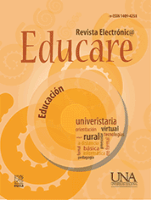
Revista Electronica Educare
Connecting Scholars to Transform Educational Practices.Revista Electronica Educare, published by UNIV NACL, CIDE in Costa Rica, stands as a vital resource in the field of education, contributing significantly to the discourse since its inception in 2001. As an Open Access journal, it promotes the dissemination of educational research globally, ensuring that valuable findings are accessible to a wider audience without financial barriers. With an increasing impact factor reflected in its current categorization in the Q3 quartile for education sciences and a Scopus rank of #989 among 1543 in Social Sciences, the journal is recognized for its quality and relevance in contemporary educational studies. The journal covers a broad spectrum of topics within the educational landscape until 2024, making it an essential platform for researchers, professionals, and students eager to explore innovative pedagogical practices and share their insights with the academic community. As it continues to evolve and flourish, Revista Electronica Educare invites contributors and readers alike to engage with the cutting-edge of educational research.
Frontiers in Education
Shaping Tomorrow's Scholars with Rigorous Research.Frontiers in Education is a distinguished open-access journal published by FRONTIERS MEDIA SA, dedicated to the advancement of educational research and practice. Launched in 2016, this journal has quickly established itself within the field, attaining a Q2 ranking in Education for 2023, positioning it among the top-tier publications in the field. With a Scopus rank of #580 out of 1543, it lies in the 62nd percentile, highlighting its significance and reach within the scholarly community. Based in Lausanne, Switzerland, Frontiers in Education aims to provide a collaborative platform for educators, researchers, and practitioners to disseminate high-quality research findings and innovative educational practices. As an open-access publication, it not only champions the principles of accessibility but also enhances the visibility and impact of its published work. This journal is instrumental in shaping the future of education through rigorous research, critical analysis, and the promotion of best practices, making it an essential resource for anyone invested in the field.
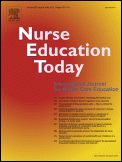
NURSE EDUCATION TODAY
Transforming Healthcare Education with Evidence-Based Insights.NURSE EDUCATION TODAY is a prestigious academic journal dedicated to advancing the field of nursing education and practice. Published by Churchill Livingstone in the United Kingdom, this journal has been a vital resource since its inception in 1981, with a commitment to improving the standards and methodologies in nursing training. As evidenced by its impressive Q1 ranking in both Education and Nursing categories in 2023, and a remarkable 96th percentile ranking in Nursing (General Nursing), NURSE EDUCATION TODAY stands out as a leading source of evidence-based research, innovative educational strategies, and critical discussions that shape the future of nursing education. The journal provides a platform for researchers, practitioners, and educators to share their findings and experiences, making it essential reading for all stakeholders in the healthcare education landscape. Although it does not offer Open Access, its substantial impact on the nursing education community is significant, with ongoing contributions up to 2024 and beyond.
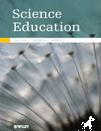
SCIENCE EDUCATION
Elevating Pedagogy through Premier Research and CollaborationSCIENCE EDUCATION, published by WILEY, stands as a premier academic journal dedicated to advancing the understanding and teaching of science. With an ISSN of 0036-8326 and E-ISSN 1098-237X, this journal has established its significance within the realm of education and the history and philosophy of science, proudly maintaining a Q1 category ranking in both fields as of 2023. Covering a diverse range of topics since its inception in 1930, SCIENCE EDUCATION fosters interdisciplinary dialogues among researchers, educators, and policymakers, providing a platform for innovative and rigorous studies that enhance science education practices worldwide. Although it does not currently offer Open Access options, its content is invaluable for anyone involved in the educational sciences. The journal has achieved impressive Scopus rankings, including a notable position within the top 97th percentile for history and philosophy of science. Thus, SCIENCE EDUCATION is not only pivotal in disseminating high-quality research but also serves as a cornerstone for educators aiming to improve science literacy and pedagogy.