
BMC Pharmacology & Toxicology
Scope & Guideline
Empowering discoveries in drug interactions and safety.
Introduction
Aims and Scopes
- Pharmacokinetics and Drug Metabolism:
Research exploring how drugs are absorbed, distributed, metabolized, and excreted in biological systems. This includes studies on population pharmacokinetics and drug-drug interactions. - Toxicological Assessments:
Investigations into the adverse effects of drugs and chemicals on biological systems, including in vivo and in vitro studies that assess safety and toxicology. - Therapeutic Efficacy and Drug Development:
Studies evaluating the effectiveness of pharmacological agents in treating various conditions, including comparative studies of drug formulations and dosages. - Adverse Drug Reactions and Pharmacovigilance:
Research focused on monitoring and analyzing adverse drug reactions, utilizing databases like the FDA Adverse Event Reporting System to improve drug safety. - Innovative Drug Delivery Systems:
Development and evaluation of novel drug delivery methods, including nanotechnology-based approaches to enhance therapeutic outcomes. - Molecular Mechanisms of Drug Action:
Exploration of the cellular and molecular pathways affected by drugs, including studies on signaling pathways and gene expression related to pharmacological effects.
Trending and Emerging
- Integrated Pharmacovigilance Approaches:
There is an increasing trend towards comprehensive pharmacovigilance studies that leverage big data analytics and real-world evidence to monitor drug safety and adverse reactions. - Personalized Medicine and Pharmacogenomics:
Research focusing on the genetic factors that influence drug metabolism and response is gaining traction, emphasizing the importance of tailoring treatments to individual patient profiles. - Nanotechnology in Drug Delivery:
The application of nanotechnology for drug delivery systems is emerging as a significant area of research, aimed at improving the bioavailability and therapeutic efficacy of medications. - Investigating Drug Interactions:
A growing emphasis on understanding complex drug-drug interactions, particularly in polypharmacy settings, is evident, reflecting the need for safer therapeutic regimens. - Therapeutics in the Context of COVID-19:
Research addressing the pharmacological management of COVID-19, including the evaluation of existing drugs and the development of novel therapeutic agents, has surged in relevance. - Exploration of Natural Products and Traditional Medicine:
There is an increasing interest in the pharmacological properties of natural products, with studies assessing their potential therapeutic effects and safety profiles.
Declining or Waning
- Traditional Toxicology Studies:
There has been a noticeable reduction in studies focused solely on classical toxicology without integrating modern methodologies such as molecular biology techniques or advanced in vivo models. - In vitro Studies without Clinical Correlation:
Research that relies exclusively on in vitro models without subsequent validation in clinical or real-world settings is becoming less common, as there is a growing emphasis on translational research. - Single-Agent Pharmacology:
Research focusing solely on the effects of single drugs is declining, with a shift towards studies that explore drug combinations, polypharmacy, or drug interactions. - Animal Models with Limited Relevance to Human Health:
The use of animal models that do not adequately mimic human pathophysiology is less favored, leading to a decline in studies employing outdated or less relevant models. - Descriptive Epidemiology of Drug Use:
Research that simply describes drug use patterns without addressing the implications for pharmacotherapy or toxicology is waning, as the field moves towards more analytical and intervention-based research.
Similar Journals
Frontiers in Pharmacology
Advancing pharmacological frontiers for a healthier tomorrow.Frontiers in Pharmacology, published by FRONTIERS MEDIA SA, stands as a leading open-access journal dedicated to advancing the field of pharmacology since its inception in 2010. With its ISSN 1663-9812, the journal is based in Switzerland and maintains a vital role in disseminating innovative research findings that span various disciplines within pharmacology, including pharmacokinetics, toxicology, and pharmacogenetics. In 2023, Frontiers in Pharmacology has achieved an impressive standing within the scientific community, being ranked in the Q1 category for both general and medical pharmacology, highlighting its critical contribution to the field with a Scopus ranking of #41 out of 272 in medical pharmacology and #76 out of 313 in pharmacology, toxicology, and pharmaceutics, placing it in the 75th and 85th percentiles, respectively. Researchers and practitioners benefit from its open-access model, which ensures widespread accessibility to groundbreaking research, fostering collaboration and innovation across the pharmaceutical sciences. With its commitment to excellence, Frontiers in Pharmacology serves as an essential resource for those looking to explore and contribute to the latest advancements in pharmacological research.
BASIC & CLINICAL PHARMACOLOGY & TOXICOLOGY
Connecting Basic Science with Clinical ApplicationsBASIC & CLINICAL PHARMACOLOGY & TOXICOLOGY, published by WILEY, serves as a vital resource in the fields of medicine, pharmacology, and toxicology. With an ISSN of 1742-7835 and E-ISSN 1742-7843, this journal has established a robust reputation, reflected in its Q2 classification across its categories in 2023. It aims to disseminate high-quality research and reviews that bridge the gap between basic scientific findings and clinical applications. Operating from the United States with an address at 111 RIVER ST, HOBOKEN 07030-5774, NJ, this journal focuses on the intersection of drug action and toxicity, making it an essential platform for researchers, healthcare professionals, and students. With a converged publication timeline from 2004 to 2024, BASIC & CLINICAL PHARMACOLOGY & TOXICOLOGY continues to make significant contributions to understanding pharmacological treatments and toxicological challenges. Open access options are available to broaden the reach and impact of its published work.
Journal of Pharmacological Sciences
Transforming research into therapeutic advancements.Journal of Pharmacological Sciences is a leading peer-reviewed academic journal dedicated to the field of pharmacology, published by the Japanese Pharmacological Society. Since its inception, this journal has offered an essential platform for the dissemination of high-quality research, contributing significantly to advancements in molecular medicine and pharmacology. With an impact factor that places it in the prestigious Q2 quartile for both categories, the journal has established itself as a credible source of innovative findings and methodologies since its transition to Open Access in 2015. This accessibility enables a broader audience, including researchers, healthcare professionals, and students, to engage with valuable insights and discussions pertinent to drug development, pharmacodynamics, and therapeutic strategies. Based in Kyoto, Japan, the journal serves as a vital resource for the global pharmacological community, encouraging collaboration and research that leads to improved health outcomes. For more information, submissions, and access to the latest research, visit the journal’s website.
DRUG DEVELOPMENT RESEARCH
Advancing pharmaceutical innovation through rigorous research.DRUG DEVELOPMENT RESEARCH is a premier interdisciplinary journal published by Wiley, focusing on the latest advancements in drug discovery, pharmacology, and toxicology. With an ISSN of 0272-4391 and an E-ISSN of 1098-2299, this esteemed publication has been a cornerstone in the field since its inception in 1981 and continues to provide cutting-edge research until 2024. Its rigorous peer-review process and strategic placement in Q2 of the Drug Discovery category, as well as ranking #60 out of 157 in Scopus, underscore the journal's relevance and influence, boasting a respectable 62nd percentile ranking. While the journal does not currently offer open access, it remains a vital resource for researchers, professionals, and students seeking to expand their knowledge on the processes of drug development, identifying new therapeutic targets, and assessing the efficacy and safety of novel compounds. Situated in Hoboken, NJ, this journal stands at the forefront of pharmaceutical innovation, making significant contributions to the advancement of medical science.
PHARMAZIE
Pioneering insights in toxicology and pharmaceutics.PHARMAZIE is a prestigious, peer-reviewed journal published by AVOXA-MEDIENGRUPPE DEUTSCHER APOTHEKER GMBH, focusing on the dynamic field of pharmaceutical science since its inception in 1947. With its ISSN 0031-7144 and a current impact factor placing it in the Q2 category of Pharmaceutical Science journals, PHARMAZIE has established itself as a pivotal resource for researchers, practitioners, and students alike. The journal emphasizes the dissemination of high-quality, original research in pharmacology, toxicology, and pharmaceutics, contributing to the advancement of knowledge and innovation in these fields. While currently not open access, the journal maintains a commendable Scopus rank of #94 out of 183 in its category, highlighting its relevance and appeal to the academic community. With a commitment to bridging the gap between research and practical applications, PHARMAZIE plays a crucial role in shaping the future of pharmaceutical practices and policies.
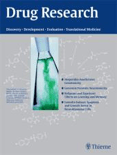
Drug Research
Catalyzing Collaboration in Drug ResearchDrug Research, published by GEORG THIEME VERLAG KG, is a pivotal journal housed in the vibrant realm of pharmacology and drug discovery. With a commitment to advancing the understanding of medicinal substances, this journal serves as an essential resource for researchers, professionals, and students dedicated to the field. The journal boasts an ISSN of 2194-9379 and an E-ISSN of 2194-9387, reflecting its dual commitment to print and digital accessibility. Despite its status as a Q3 journal in both Drug Discovery and Miscellaneous Medicine categories as of 2023, it continues to offer valuable insights with a focus on the latest innovations, methodologies, and findings in drug research. Based in Germany, Drug Research promotes scholarly communication and collaboration within the scientific community, ensuring that its contributions remain impactful in shaping future therapeutic discoveries. The journal is indexed in relevant databases, enhancing its visibility and reach, thus fostering a robust academic dialogue.
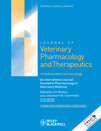
JOURNAL OF VETERINARY PHARMACOLOGY AND THERAPEUTICS
Exploring Therapeutic Breakthroughs for Better Animal WelfareJOURNAL OF VETERINARY PHARMACOLOGY AND THERAPEUTICS is a crucial publication in the field of veterinary medicine, dedicated to advancing knowledge and practices related to pharmacology and therapeutic interventions in animals. Published by WILEY, this peer-reviewed journal has been a reliable source of innovative research since its inception in 1978, and it continues to play an integral role in shaping veterinary pharmacology through its commitment to high-quality scientific discourse. With an impact factor reflective of its robust academic standing, the journal is categorized in the Q3 quartile for Pharmacology and Q2 for Veterinary (miscellaneous) as of 2023, highlighting its relevance and significance within these domains. It is indexed in Scopus with commendable rankings, particularly in General Veterinary, where it ranks #45 out of 194, placing it in the 77th percentile. This journal not only offers a platform for original research articles but also caters to the dissemination of practical applications and reviews that are essential for veterinarians, researchers, and students alike in enhancing animal health and welfare. Although not an open-access publication, its contributions remain accessible to those engaged in the veterinary sciences through institutional subscriptions. The journal's enduring legacy and forward-looking approach make it a vital resource for anyone interested in veterinary therapeutics and pharmacology.
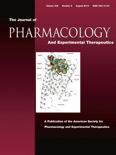
JOURNAL OF PHARMACOLOGY AND EXPERIMENTAL THERAPEUTICS
Unlocking the Secrets of Drug Action and EfficacyThe JOURNAL OF PHARMACOLOGY AND EXPERIMENTAL THERAPEUTICS, published by the American Society for Pharmacology and Experimental Therapeutics, stands as a pivotal platform in the fields of pharmacology and molecular medicine. With an impressive convergence of knowledge from 1945 to 2024, this esteemed journal is recognized for its rigorous peer-reviewed research, contributing significantly to our understanding of drug action and therapeutic interventions. It holds a commendable position in the Q2 quartile in both Molecular Medicine and Pharmacology, emphasizing its relevance and impact within the contemporary scientific landscape, as evidenced by its Scopus ranking that places it amongst the leading journals in its category. Aimed at researchers, professionals, and students, the journal not only fosters a deeper insight into toxicology, pharmacodynamics, and therapeutic strategies but also encourages innovation through its comprehensive access to groundbreaking experimental methodologies. The journal continues to foster discourse and disseminate research that shapes the future of pharmacological science.
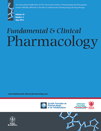
FUNDAMENTAL & CLINICAL PHARMACOLOGY
Pioneering insights in pharmacology since 1987.FUNDAMENTAL & CLINICAL PHARMACOLOGY is a distinguished journal dedicated to advancing the fields of pharmacology and clinical medicine. Published by WILEY, this journal serves as a pivotal platform for researchers, healthcare professionals, and students alike to disseminate innovative research findings and clinical applications. With an impressive history spanning from 1987 to 2024, it has consistently maintained its relevance in the scientific community, evidenced by its Q2 quartile ranking in both Pharmacology and Pharmacology (medical) categories for 2023. The journal's diverse publication range, which includes original research articles, reviews, and clinical studies, helps bridge the gap between fundamental research and practical application in healthcare settings. Although it does not offer open access, its rigorous peer-review process ensures that published content meets the highest scholarly standards, making it a vital resource for those aiming to stay at the forefront of pharmacological sciences.
SCIENTIA PHARMACEUTICA
Elevating the discourse in pharmacology and pharmaceutics.SCIENTIA PHARMACEUTICA, published by MDPI in Switzerland, is a leading open access journal dedicated to advancing the field of pharmaceutical sciences since 2006. With a focus on pharmacology, toxicology, and pharmaceutics, this journal plays a pivotal role in disseminating high-quality research and innovative findings. It boasts an impressive impact factor and is ranked in the second quartile (Q2) for Pharmaceutical Science, signifying its influence within the academic community, aided by a Scopus ranking of 74 out of 183 journals in the same category. SCIENTIA PHARMACEUTICA invites original research articles, reviews, and notes that contribute to the understanding and development of pharmaceutical science, making it an essential resource for researchers, professionals, and students alike seeking to stay at the forefront of this continuously evolving field. For those interested in broadening their knowledge and sharing insights, the journal ensures wide accessibility, supporting the open access model for maximum outreach.