
BMC Primary Care
Scope & Guideline
Innovating Primary Care for Better Patient Outcomes
Introduction
Aims and Scopes
- Primary Care Systems and Policies:
Research on the structure, policies, and effectiveness of primary healthcare systems globally, including models of care, health policy impacts, and system integration. - Chronic Disease Management:
Focus on the management of chronic diseases such as diabetes, hypertension, and mental health conditions, exploring interventions, care pathways, and patient outcomes. - Patient-Centered Care:
Emphasis on approaches that prioritize patient involvement, preferences, and experiences in healthcare delivery, promoting shared decision-making and tailored care. - Innovative Practices and Technologies:
Investigation into the implementation and effectiveness of new technologies, telehealth, and digital health solutions in enhancing primary care services. - Community Health and Social Determinants:
Exploration of how social determinants of health impact access to care and health outcomes, including studies on community health worker integration and health equity. - Interprofessional Collaboration:
Research on the dynamics of teamwork among healthcare professionals in primary care settings, assessing how collaborative practices improve patient care.
Trending and Emerging
- Integrated Care Models:
There is an increasing focus on research that promotes integrated care models, which combine multiple healthcare services to improve patient outcomes, particularly for those with chronic conditions. - Telehealth and Remote Monitoring:
The COVID-19 pandemic has accelerated the incorporation of telehealth, leading to a surge in studies exploring its effectiveness, patient satisfaction, and implementation challenges. - Health Equity and Social Determinants of Health:
Emerging themes emphasize the importance of health equity and addressing social determinants of health to ensure that vulnerable populations receive adequate care and resources. - Mental Health Integration in Primary Care:
Research on integrating mental health services into primary care settings is gaining prominence, reflecting a greater awareness of the interplay between physical and mental health. - Patient Engagement and Empowerment:
There is a rising interest in studies that explore methods to enhance patient engagement and empowerment, facilitating better health outcomes through active patient participation. - Artificial Intelligence and Decision Support Tools:
Emerging research on the use of AI and decision support tools in primary care settings is increasing, focusing on how these technologies can enhance clinical decision-making and patient care.
Declining or Waning
- Traditional Disease-Specific Studies:
There has been a noticeable reduction in studies focusing solely on traditional disease-specific management without considering integrated care approaches. - Single-Country Studies:
Research focusing exclusively on a single country’s primary care practices is decreasing, as there is a growing emphasis on comparative studies and international perspectives. - Basic Descriptive Studies:
The prevalence of basic descriptive studies is waning, with a shift towards more analytical and intervention-based research that directly addresses healthcare challenges. - Narrow Scope Interventions:
Research on narrowly focused interventions without a broader context of healthcare systems or community impact is less frequently published, as there is a push for comprehensive approaches. - Pharmaceutical-Centric Approaches:
Studies that concentrate primarily on pharmaceuticals as solutions to health issues are declining, as there is a growing recognition of holistic and multifaceted strategies in health management.
Similar Journals
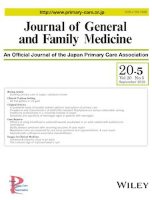
Journal of General and Family Medicine
Advancing Knowledge in General and Family Medicine.The Journal of General and Family Medicine, published by Wiley, is a distinguished Open Access journal that has been advancing research and practice in the fields of family medicine, geriatrics, and internal medicine since its establishment in 2015. With an ISSN of 2189-7948, this journal provides a vital platform for disseminating impactful research that enhances the quality of healthcare for diverse populations. The journal has achieved commendable rankings, including Q2 in Family Practice and Q3 in both Geriatrics and Gerontology and Internal Medicine for 2023, reflecting its significance in the medical community. Researchers and practitioners are encouraged to explore its extensive array of articles that address contemporary issues, innovative practices, and emerging findings in general and family medicine. The open access model ensures that valuable research is accessible to all, facilitating knowledge sharing and collaboration among healthcare professionals and academic scholars alike.
BMC Family Practice
Fostering collaboration in the realm of family healthcare.BMC Family Practice is a premier open-access journal dedicated to the field of family medicine, published by the renowned BMC since its inception in 2000. With a focus on disseminating impactful research and innovations in primary care, this journal has firmly established itself within the vibrant domain of family medicine, earning a Scopus rank of #9 out of 42 in its category, placing it in the top 21% of the field. The journal provides a platform for researchers, practitioners, and students to explore the latest findings, clinical practices, and advancements related to family and community healthcare. Accessible freely to an international audience, BMC Family Practice is a vital resource for anyone committed to enhancing healthcare delivery and understanding the nuances of family health dynamics, facilitating collaborative efforts towards improving health outcomes in diverse populations.
JBI Evidence Synthesis
Elevating nursing standards with high-quality research insights.JBI Evidence Synthesis is a premier peer-reviewed journal published by Lippincott Williams & Wilkins, dedicated to advancing the field of evidence-based practice in nursing. With an impressive Q1 ranking in the 2023 category of Nursing (Miscellaneous) and holding the rank of #25 out of 139 in General Nursing according to Scopus, this journal serves as a key resource for researchers, practitioners, and students alike. Its focus on synthesizing high-quality research evidence allows for the integration of best practices into clinical settings, thereby enhancing patient care and health outcomes. Since its inception, JBI Evidence Synthesis has been committed to promoting rigorous methodologies and innovative approaches in evidence synthesis, making it an essential publication for anyone seeking to contribute to the advancement of nursing and healthcare. The journal is available in both print and online formats, ensuring wide accessibility to critical knowledge in the field.
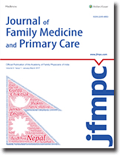
Journal of Family Medicine and Primary Care
Bridging Academia and Practice for Better Patient OutcomesThe Journal of Family Medicine and Primary Care is a premier, peer-reviewed academic journal dedicated to the fields of family medicine and primary healthcare. Published by Wolters Kluwer Medknow Publications, this Open Access journal has been providing a platform for the dissemination of valuable research since 2012, offering researchers, practitioners, and scholars unrestricted access to a wealth of knowledge in primary care practices, policies, and innovations. The journal seeks to bridge the gap between academia and practice by publishing original articles, reviews, and case studies that address contemporary issues in family medicine, thereby enhancing patient care and outcomes. With a commitment to advancing the field, the journal serves as an essential resource for those striving to improve the delivery and effectiveness of healthcare services within families and communities.

JOURNAL OF FAMILY PRACTICE
Connecting research to practice in family medicine.Welcome to the Journal of Family Practice, a premier publication devoted to exploring the multifaceted field of family medicine. Established in 1974 and published by Dowden Health Media, this journal serves as a vital platform for researchers, healthcare professionals, and students who are dedicated to advancing the knowledge and practice of family medicine. With a current impact factor reflected in its 2023 rankings of Q3 in Family Practice and Q4 in Medicine (miscellaneous), the journal is instrumental in disseminating high-quality research that informs clinical practice and health policy. Although the Journal of Family Practice does not offer open access, it provides critical insights that shape best practices and enhance patient care in diverse family healthcare settings. The journal continues to thrive, encouraging submissions that push the boundaries of knowledge within the field and rigorously review studies that assess innovative approaches, evidence-based practices, and emerging trends in family medicine.
JOURNAL OF AMBULATORY CARE MANAGEMENT
Empowering professionals in ambulatory care management.JOURNAL OF AMBULATORY CARE MANAGEMENT, published by Lippincott Williams & Wilkins, is a leading peer-reviewed journal dedicated to advancing research and practice in the field of health policy, with a specific focus on ambulatory care management. Since its inception in 1978, this journal has served as a critical platform for disseminating innovative studies, insights, and methodologies that inform policy makers, healthcare professionals, and academic researchers alike. By maintaining an impressive ranking within the Q3 category in Health Policy and a Scopus rank of 148 out of 310, it underscores the journal's growing influence in shaping health policy discussions and decisions. The journal operates on a traditional subscription model, ensuring a high-quality review process while remaining accessible to those wishing to subscribe. With an ongoing commitment to excellence, the JOURNAL OF AMBULATORY CARE MANAGEMENT is essential for anyone involved in improving outcomes in ambulatory care settings and influencing health policy reforms, making it a must-read for researchers, practitioners, and students aiming to stay at the forefront of healthcare innovation.
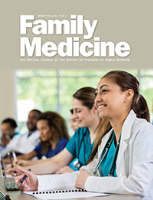
FAMILY MEDICINE
Connecting Professionals for Better Family Health SolutionsFAMILY MEDICINE is a prestigious peer-reviewed journal published by the SOC TEACHERS FAMILY MEDICINE, dedicated to advancing the field of family practice. With an ISSN of 0742-3225 and an E-ISSN of 1938-3800, this journal serves as a vital resource for researchers, healthcare professionals, and students involved in family medicine. Founded in 1985, it has consistently contributed to the growth of knowledge in this critical area, showcasing a wide range of original research, reviews, and practical applications. Recognized for its impact, the journal holds a Q2 quartile ranking in Family Practice, placing it in the top tier within its category, and ranks 22nd out of 56 in the Scopus database, reflecting its influence and relevance. While the journal operates under a subscription model, it remains committed to providing high-quality discourse and insights that shape the practice of family medicine. With a focus on current issues and evidence-based practices, FAMILY MEDICINE continues to be an essential publication for those dedicated to improving patient outcomes and advancing the field.

Journal of Family and Community Medicine
Connecting families and communities for better health outcomes.The Journal of Family and Community Medicine, published by Wolters Kluwer Medknow Publications, serves as a vital resource in the fields of family practice and public health. With an Open Access format established since 2010, this journal is dedicated to advancing knowledge and research that bridges the gap between community health and family medicine. The journal holds a prestigious Q2 ranking in both Family Practice and Public Health categories for 2023, positioning it within the top echelons of academic discourse in these areas. Boasting a significant presence in the Scopus rankings, it is recognized for its contribution to medicine, with notable rankings in Family Practice (#13/56) and Public Health (#252/665). Researchers, professionals, and students can access a wealth of articles aimed at enhancing family and community health outcomes. The Journal of Family and Community Medicine is committed to disseminating impactful research and fostering collaboration among healthcare professionals and academics, ensuring that it remains an indispensable part of the global health conversation.

Family Medicine and Primary Care Review
Empowering healthcare professionals with essential insights.Family Medicine and Primary Care Review, published by TERMEDIA PUBLISHING HOUSE LTD, is a significant open-access journal dedicated to advancing the field of primary care and family medicine. Since its inception in 2006, the journal has fostered an environment for the dissemination of innovative research, clinical practices, and reviews relevant to general medicine, securing its place within the Q4 category in the 2023 journal rankings. With an emphasis on accessibility since 2008, it aims to bridge gaps in medical knowledge and practice, contributing to the global conversation on healthcare delivery. Located in Poland, the journal serves as a valuable resource for researchers, healthcare professionals, and students alike, providing insights and developments that shape the future of primary care. With a Scopus rank of #317 out of 636 in the field of general medicine, it stands as a credible source of information for those committed to improving health outcomes in local and international communities.

Family Medicine and Community Health
Transforming family medicine for a healthier tomorrow.Family Medicine and Community Health, published by the BMJ PUBLISHING GROUP, is a leading journal dedicated to advancing research and practice in the fields of family medicine and public health. With an impact factor placing it in the Q1 quartile for both Family Practice and Public Health, this journal is indispensable for researchers, clinicians, and policymakers aiming to shape healthcare practices effectively. Since becoming Open Access in 2013, it has prioritized the dissemination of high-quality, peer-reviewed articles to a global audience, ensuring that knowledge is accessible to all. The journal’s rigorous selection process has established its reputation, reflected in its exceptional Scopus rankings—ranked #3 out of 56 in Family Practice and #42 out of 665 in Public Health. By fostering dialogue among healthcare professionals and academic researchers, Family Medicine and Community Health plays a critical role in addressing contemporary health challenges and promoting community-oriented healthcare solutions.