Brazilian Journal of Infectious Diseases
Scope & Guideline
Transforming clinical practice with cutting-edge studies.
Introduction
Aims and Scopes
- Epidemiology of Infectious Diseases:
Focuses on studies that analyze the distribution and determinants of infectious diseases, highlighting outbreaks, endemic patterns, and public health implications in Brazil. - Clinical Management and Treatment Strategies:
Explores various clinical approaches to managing infectious diseases, including pharmacological treatments, diagnostic methods, and therapeutic protocols. - Microbiology and Pathogen Studies:
Covers research on the microbiological aspects of infectious diseases, including pathogen identification, resistance patterns, and molecular diagnostics. - Vaccine Research and Immunization Practices:
Examines the development, efficacy, and public health impact of vaccines, particularly in response to emerging infectious diseases like COVID-19. - Antimicrobial Resistance:
Addresses the growing concern of antimicrobial resistance through research on resistance mechanisms, surveillance studies, and stewardship programs. - Public Health and Policy:
Investigates the intersection of infectious diseases with health policies, focusing on prevention strategies, healthcare access, and community health initiatives. - Infection Control and Prevention:
Research on strategies for infection control in healthcare settings, including studies on healthcare-associated infections and best practices.
Trending and Emerging
- COVID-19 Research:
A significant increase in studies related to COVID-19, covering aspects such as epidemiology, treatment outcomes, vaccine efficacy, and public health responses, reflecting the urgency of the pandemic. - Arbovirus Studies:
Emerging interest in arboviruses, particularly in Brazil, with a focus on detection methods, public health implications, and epidemiological patterns, indicating a response to rising cases of diseases like Dengue and Chikungunya. - Molecular Diagnostics and Genomics:
A trend towards utilizing advanced molecular techniques for diagnosing infectious diseases, emphasizing the need for rapid and accurate detection methods in clinical settings. - Mental Health Impacts of Infectious Diseases:
Growing research focus on the psychological effects of infectious diseases, including anxiety and quality of life impacts among patients and healthcare workers during the pandemic. - Antimicrobial Stewardship Programs:
An increased emphasis on strategies to combat antimicrobial resistance, with research exploring effective stewardship practices in both hospital and community settings.
Declining or Waning
- Tuberculosis Research:
While tuberculosis remains a critical public health issue, recent publications suggest a decreasing focus on this area, possibly due to a shift towards more pressing infectious diseases such as COVID-19. - HIV/AIDS Studies:
Although still relevant, the frequency of new research specifically addressing HIV/AIDS has waned, possibly as a result of advancements in treatment and prevention overshadowing ongoing basic research. - Leprosy Research:
Research on leprosy has seen a decline in volume, reflecting a broader public health focus on more prevalent infectious diseases, despite the continued importance of managing and understanding this condition. - Zoonotic Diseases:
There is a noticeable reduction in the exploration of zoonotic diseases, indicating a potential shift in priorities towards viral infections that have immediate public health implications.
Similar Journals
Infektsiya i Immunitet
Exploring the frontiers of infection and immunity.Infektsiya i Immunitet, published by the esteemed SANKT-PETERSBURG-NIIEM IMENI PASTERA, is a prominent open access journal that has been disseminating vital research findings since 2011. Focusing on the fields of immunology and infectious diseases, this journal serves as a critical platform for scholars, professionals, and students in the Russian Federation and beyond. With an ISSN of 2220-7619 and an E-ISSN of 2313-7398, it currently holds a Q4 ranking in 2023 for both Immunology and Infectious Diseases, along with notable quartile standings in related fields. Despite its emerging status, Infektsiya i Immunitet provides valuable insights and contributes to the growing discourse on immunity and infection prevention strategies, making it an essential resource for those invested in advancing knowledge and enhancing public health outcomes. Researchers can conveniently access its wealth of articles and studies that bridge theoretical understanding and practical implications in their respective domains.
Open Forum Infectious Diseases
Shaping the future of infectious disease scholarship.Open Forum Infectious Diseases (ISSN: 2328-8957; E-ISSN: 2328-8957) is a leading open-access journal published by Oxford University Press, dedicated to advancing the field of infectious diseases. Since its inception in 2014, the journal has provided a platform for researchers to disseminate impactful findings in a rapidly evolving domain, achieving a remarkable Q1 ranking in both the Infectious Diseases and Oncology categories as of 2023. The journal encourages rigorous and innovative research, contributing significantly to global health discussions and informing best practices in clinical settings. As an open-access journal, it ensures that its content is accessible to a wide audience, fostering collaboration and knowledge sharing among researchers, professionals, and students alike. Positioned in the heart of the United States, Open Forum Infectious Diseases serves as a critical resource for the academic community, and its continued commitment to quality and relevance secures its status as an essential publication in the field.

Infectious Diseases and Clinical Microbiology
Empowering healthcare through cutting-edge research insights.Infectious Diseases and Clinical Microbiology is a pivotal journal dedicated to advancing our understanding of infectious diseases through rigorous scientific research and clinical practices. Published by DOC DESIGN INFORMATICS CO LTD, this journal serves as a vital platform for researchers, healthcare professionals, and students keen on enhancing their knowledge of microbiological sciences and the clinical implications of infectious agents. With an ISSN of 2667-646X, it aims to disseminate significant findings in the field, enriching the scholarly dialogue surrounding infectious diseases. While currently operating under a traditional access model, the journal encourages global collaboration and knowledge sharing, striving to make a meaningful impact in tackling the challenges posed by infectious diseases. Its content aims to bridge the gap between laboratory research and clinical application, making it an essential resource in the contemporary landscape of global health.
Infectious Diseases
Elevating Knowledge in the Dynamic Field of Infectious DiseasesInfectious Diseases, published by TAYLOR & FRANCIS LTD, is a leading academic journal dedicated to advancing research in the field of infectious diseases and microbiology. With an impressive impact factor and categorized in Q1 in multiple areas including Immunology and Microbiology, this journal serves as a critical platform for researchers, practitioners, and students to disseminate their findings and stay abreast of current advancements. The journal is recognized for its rigorous peer-review process and aims to foster innovation and collaboration across disciplines from 2015 to 2024. It boasts a robust Scopus ranking, positioning it favorably among the top-tier of journals in the relevant fields, making it an essential resource for anyone involved in infectious disease research. Access options are available, ensuring that the latest research is accessible to a global audience, thus emphasizing the journal's commitment to promoting knowledge and understanding in the ever-evolving landscape of infectious diseases.
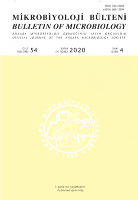
MIKROBIYOLOJI BULTENI
Advancing the Frontiers of MicrobiologyMIKROBIYOLOJI BULTENI, with ISSN 0374-9096, is a prestigious academic journal published by the ANKARA MICROBIOLOGY SOC, located in Ankara, Turkey. Established in 1973, this journal has been a vital conduit for disseminating research in the fields of Immunology, Microbiology, and Infectious Diseases, garnering a reputation as a significant contributor to the scientific community. The journal is currently ranked in the Q3 category within Immunology and Microbiology (miscellaneous), and Infectious Diseases, indicating its impactful presence amidst contemporary research. With access options that may be restricted, MIKROBIYOLOJI BULTENI actively welcomes submissions that advance the understanding of critical microbiological principles and practices, thereby supporting both national and international research efforts. Researchers, professionals, and students are encouraged to explore the latest findings shared in this journal, as it continually shapes the landscape of microbiology and infectious disease studies through its comprehensive and rigorous peer-reviewed publications.

Flora Infeksiyon Hastaliklari ve Klinik Mikrobiyoloji Dergisi
Pioneering discoveries in clinical microbiology and infectious diseases.Flora Infeksiyon Hastaliklari ve Klinik Mikrobiyoloji Dergisi, published by BILIMSEL TIP YAYINEVI, is a leading journal dedicated to the field of infection diseases and clinical microbiology. With an ISSN of 1300-932X and an E-ISSN of 2602-2842, this journal has been an established Open Access platform since 1999, allowing researchers worldwide to access critical studies and advancements without barriers. The journal aims to disseminate high-quality research articles, reviews, and case studies that address emerging challenges in infection management and microbiological practices. By fostering a collaborative environment for professionals, researchers, and students alike, Flora Infeksiyon Hastaliklari ve Klinik Mikrobiyoloji Dergisi plays a vital role in advancing knowledge and practices within the microbiological and clinical spheres. Its commitment to open access ensures that invaluable resources are widely available, supporting the growth and development of innovation in the medical field.
JOURNAL OF MICROBIOLOGY IMMUNOLOGY AND INFECTION
Elevating discourse in microbiology and infection studies.Welcome to the Journal of Microbiology Immunology and Infection, a premier academic publication established in 1998 and now proudly owned by Elsevier Taiwan. As an Open Access journal since 2016, it provides unrestricted access to groundbreaking research in the fields of immunology, microbiology, and infectious diseases, making it an essential resource for researchers, practitioners, and students alike. The journal holds impressive rankings, including Q1 status in categories such as Infectious Diseases and Microbiology (medical), and a notable 92nd percentile in its Scopus ranking for Medicine - Infectious Diseases. With a dedicated focus on advancing knowledge and fostering collaboration within the scientific community, the Journal of Microbiology Immunology and Infection is committed to publishing high-impact research that significantly influences practice and policy in healthcare and life sciences. The journal is also recognized for its contribution to the ongoing dialogue surrounding contemporary issues in immunology and infection, positioning it as a vital platform for scholarly exchange and innovation.

Archives of Clinical Infectious Diseases
Empowering Professionals with Cutting-Edge ResearchArchives of Clinical Infectious Diseases is a peer-reviewed journal dedicated to advancing knowledge in the field of infectious diseases, published by BRIEFLAND in Iran. With a broad scope, it covers various aspects of cardiology, critical care, immunology, microbiology, public health, and toxicology, affirming its relevance in today's health landscape. Despite the lack of open access options, the journal maintains a strong reputation, reflected in its Q3 ranking in multiple categories within the 2023 category quartiles. The journal aims to provide a platform for researchers and practitioners to disseminate critical findings that can impact clinical practices and public health policies. Its commitment to rigorous peer review ensures that only high-quality research is published, thereby serving as an essential resource for professionals, students, and public health advocates. For those engaged in the ever-evolving world of infectious diseases, Archives of Clinical Infectious Diseases stands as a vital contribution to the medical literature.
Current Infectious Disease Reports
Unveiling the Latest in Infectious Disease ResearchCurrent Infectious Disease Reports, published by SPRINGER, is a leading journal dedicated to advancing knowledge in the field of infectious diseases. With an ISSN of 1523-3847 and an E-ISSN of 1534-3146, this peer-reviewed journal has established itself as a vital resource for researchers and healthcare professionals since its inception in 1999. The journal's impact in the academic community is underscored by its Q1 ranking in Infectious Diseases for 2023, placing it in the top quartile of influential journals in the field. Furthermore, it holds a respectable position at rank #95 out of 344 in the Scopus database, reflecting its substantial contribution to medicine and public health. While currently not an open access journal, it offers a wealth of articles covering the latest research, case studies, and reviews, making it an indispensable tool for those aiming to stay at the forefront of infectious disease science. As we navigate an era marked by emerging and re-emerging infectious threats, Current Infectious Disease Reports remains committed to providing high-quality, relevant research that supports evidence-based practice and informs future studies globally.

INFECTION CONTROL AND HOSPITAL EPIDEMIOLOGY
Advancing the Science of Infection PreventionINFECTION CONTROL AND HOSPITAL EPIDEMIOLOGY, published by Cambridge University Press, is a leading academic journal specializing in the critical fields of epidemiology, infectious diseases, and medical microbiology. With a history of publication dating back to 1988 and an expected continuation through 2024, the journal has established itself as a pivotal resource for researchers, healthcare professionals, and students alike. The journal's impact is reflected in its impressive rankings, positioning it in the second quartile for Epidemiology and the first quartile for both Infectious Diseases and Medical Microbiology as of 2023. This esteemed journal is dedicated to the dissemination of high-quality research that informs best practices in infection control and enhances patient safety across healthcare settings. Although access to its content is not open, the rigorous peer-review process ensures that all published articles contribute significantly to the body of knowledge in these vital areas. With a commitment to bridging the gap between research and practice, INFECTION CONTROL AND HOSPITAL EPIDEMIOLOGY remains an essential publication for those committed to the advancement of public health and the science of infection prevention.