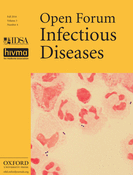
Open Forum Infectious Diseases
Scope & Guideline
Shaping the future of infectious disease scholarship.
Introduction
Aims and Scopes
- Epidemiology and Surveillance:
The journal frequently publishes research on the epidemiological trends of infectious diseases, including outbreaks, prevalence studies, and surveillance methodologies. This focus helps in understanding disease patterns and informing public health interventions. - Antimicrobial Resistance:
A significant portion of the research addresses issues related to antimicrobial resistance, including resistance patterns, mechanisms, and the impact on treatment outcomes. This area is crucial for developing strategies to combat resistant infections. - Clinical Management and Treatment Strategies:
The journal emphasizes clinical studies that evaluate the efficacy and safety of various treatment modalities for infectious diseases, including antiviral, antibacterial, and antifungal therapies. - Vaccination and Preventive Strategies:
Research on vaccination effectiveness, vaccine hesitancy, and strategies for public health vaccination campaigns is a core focus, particularly in the context of emerging infectious diseases like COVID-19. - Public Health and Policy Implications:
The journal explores the intersection of infectious diseases with public health policies, health equity, and the socio-economic factors influencing disease spread and management. - Innovative Diagnostic Techniques:
There is a strong emphasis on the development and evaluation of new diagnostic tools and technologies for infectious diseases, including molecular diagnostics and rapid testing methods.
Trending and Emerging
- COVID-19 Research:
There is a robust increase in publications related to COVID-19, including studies on its epidemiology, treatment, vaccination, and long-term sequelae. This trend is likely driven by the ongoing relevance of the pandemic. - Mental Health and Infectious Diseases:
Emerging research is beginning to explore the intersection of mental health and infectious diseases, particularly in the context of COVID-19 and its psychological impacts. - Telemedicine and Remote Care:
The adoption of telemedicine for infectious disease management has surged, with more studies evaluating its effectiveness and patient acceptance, especially during and after the COVID-19 pandemic. - Social Determinants of Health:
Research focusing on social determinants of health, particularly how they affect the prevalence and management of infectious diseases, is gaining prominence as public health initiatives aim for more equitable health outcomes. - Long COVID and Post-Acute Sequelae of SARS-CoV-2 Infection:
There is a growing body of research dedicated to understanding the long-term effects of COVID-19, termed Long COVID, which is becoming a significant area of interest within the journal.
Declining or Waning
- Traditional Infectious Disease Surveillance:
The focus on traditional methods of infectious disease surveillance seems to be waning, as newer, more advanced techniques such as molecular surveillance and real-time data analytics gain traction. - Single-Pathogen Studies:
Research that concentrates solely on single pathogens is becoming less common, with a noticeable trend towards multispecies studies and the exploration of polymicrobial infections. - Antibiotic Stewardship Programs:
While still relevant, the volume of publications specifically dedicated to antibiotic stewardship programs has decreased, possibly due to the establishment of these programs as standard practice in many clinical settings. - Chronic Infectious Diseases Research:
There seems to be a reduced emphasis on chronic infectious diseases, such as long-term tuberculosis management, as the journal increasingly prioritizes acute infectious diseases and emerging threats.
Similar Journals
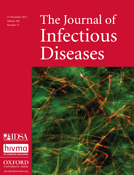
JOURNAL OF INFECTIOUS DISEASES
Unraveling Complexities in Infectious Disease ResearchThe JOURNAL OF INFECTIOUS DISEASES, published by OXFORD UNIV PRESS INC, is a leading peer-reviewed journal dedicated to advancing the understanding of infectious diseases through high-quality research. With an impressive impact factor reflecting its prominence in the field—ranking in the Q1 category for both Immunology and Allergy and Infectious Diseases—this journal serves as a pivotal platform for researchers, healthcare professionals, and students alike. Its extensive history, spanning over a century since its inception in 1904, highlights its established authority and commitment to the field. Based in the United Kingdom, the journal covers essential topics from clinical management to epidemiological trends, providing vital insights that inform practice and policy. Although the journal is not open access, it remains accessible to a wide audience, ensuring that critical research continues to drive innovation and best practices in infectious disease management.

IJID Regions
Championing open access to transform public health practices.IJID Regions is a pioneering open access journal published by Elsevier, focusing on the critical fields of epidemiology, infectious diseases, and public health. Established in 2021, the journal aims to provide a platform for disseminating high-quality, innovative research that addresses pressing health issues and informs evidence-based practices in communities around the globe. With its impact factors reflecting a Tier Q2 and Q3 ranking in various medical subcategories on the Scopus platform, IJID Regions is positioned as a valuable resource for researchers, health professionals, and policy-makers striving to enhance public health outcomes. This journal not only champions open access since its inception, promoting the free flow of information, but also welcomes contributions that shed light on contemporary challenges in environmental and occupational health. Its commitment to fostering dialogue and collaboration in the health sciences is paramount, making it an essential read for those engaged in advancing public health knowledge and initiatives.
BMC INFECTIOUS DISEASES
Championing open access to vital infectious disease research.BMC Infectious Diseases is a premier open-access journal published by BMC in the United Kingdom, dedicated to the field of infectious diseases. Established in 2001, this journal has been at the forefront of disseminating high-quality, peer-reviewed research, contributing significantly to the global understanding of infectious pathogens and their impact on public health. With a 2023 Scopus ranking of #100 out of 344 in the Medicine - Infectious Diseases category, and a notable Q1 quartile classification, it stands as a vital resource for researchers and professionals alike. Authors benefit from the journal's broad reach and visibility, ensuring their work is accessible to a wide audience. Access options are fully open, allowing for seamless dissemination of knowledge in the ongoing battle against infectious diseases. With an established history of publishing groundbreaking studies, BMC Infectious Diseases plays a crucial role in addressing critical issues and advancing research in the ever-evolving landscape of infectious diseases.
Infectious Diseases and Therapy
Elevating research to combat infectious diseases worldwide.Infectious Diseases and Therapy is a premier scholarly journal published by Springer London Ltd, dedicated to advancing the understanding of infectious diseases through rigorous research and evidence-based therapy. With an esteemed Q1 ranking in both the Infectious Diseases and Microbiology (medical) categories, this journal is a vital resource for researchers, healthcare professionals, and students aiming to stay at the forefront of developments within the field. Launched in 2012, it has embraced an Open Access model, ensuring that groundbreaking studies and critical reviews are accessible to a global audience. Operating from its office in London, the journal encourages the dissemination of innovative therapies and diagnostic methods, fostering collaboration and knowledge sharing among the scientific community. In a landscape where infectious diseases pose significant health challenges, Infectious Diseases and Therapy stands as an essential platform for impactful research that can lead to improved healthcare outcomes worldwide.

Journal of Global Infectious Diseases
Bridging local insights with global health solutions.Journal of Global Infectious Diseases, published by Wolters Kluwer Medknow Publications, serves as a pivotal resource in the field of infectious diseases, offering insightful research and critical analyses that contribute to global health discourse. Since its inception as an Open Access journal in 2009, it has aimed to disseminate knowledge on various facets of infectious diseases, fostering collaboration among researchers, clinicians, and public health professionals. With an impact factor indicative of its growing significance—ranked in the Q3 category of Infectious Diseases for 2023—this journal publishes a diverse range of studies, from basic science to clinical applications. Its dedicated contributions help address pressing health challenges and enhance knowledge sharing in an era where infectious diseases pose significant threats worldwide. Based in India, the journal not only highlights regional health issues but also connects to the broader global landscape, making it an essential platform for anyone interested in advancing the field.
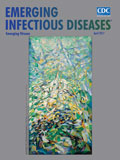
EMERGING INFECTIOUS DISEASES
Leading the Charge Against Global Infectious ChallengesEmerging Infectious Diseases, published by the Centers for Disease Control and Prevention, is a leading open-access journal that has been dedicated to the field of epidemiology, infectious diseases, and medical microbiology since its inception in 1995. With an impressive impact factor placing it in the Q1 quartile rankings for multiple categories including Epidemiology, Infectious Diseases, and Medical Microbiology, this journal serves as a vital resource for researchers, practitioners, and students dedicated to combating the challenges posed by emerging infectious diseases. The journal's distinguished Scopus ranks further highlight its global influence, ranking #10 in Epidemiology, #26 in Infectious Diseases, and #13 in Medical Microbiology, all within the top percentiles. Accessible and targeted, Emerging Infectious Diseases publishes seminal research and reviews that contribute to the understanding and management of infectious diseases, ensuring that critical insights reach a broad audience. The journal encourages contributions that advance the scientific community’s knowledge and responses to public health challenges.

Archives of Clinical Infectious Diseases
Pioneering Research for Public Health ImpactArchives of Clinical Infectious Diseases is a peer-reviewed journal dedicated to advancing knowledge in the field of infectious diseases, published by BRIEFLAND in Iran. With a broad scope, it covers various aspects of cardiology, critical care, immunology, microbiology, public health, and toxicology, affirming its relevance in today's health landscape. Despite the lack of open access options, the journal maintains a strong reputation, reflected in its Q3 ranking in multiple categories within the 2023 category quartiles. The journal aims to provide a platform for researchers and practitioners to disseminate critical findings that can impact clinical practices and public health policies. Its commitment to rigorous peer review ensures that only high-quality research is published, thereby serving as an essential resource for professionals, students, and public health advocates. For those engaged in the ever-evolving world of infectious diseases, Archives of Clinical Infectious Diseases stands as a vital contribution to the medical literature.
INFECTION
Exploring Innovations in Infection MedicineINFECTION is a prestigious journal, published by Springer Heidelberg, that serves as a leading platform for the dissemination of critical research in the fields of Infectious Diseases, Microbiology, and Medicine. With an impressive Q1 ranking in multiple categories such as Infectious Diseases, Medicine (miscellaneous), and Medical Microbiology, the journal is recognized for its high-quality content and impactful contributions to the scientific community, as evidenced by its Scopus rankings placing it in the top 10th percentiles. Since its inception in 1973, and projected to continue until 2024, INFECTION has established itself as a vital resource for researchers, healthcare professionals, and students keen to explore the latest findings and advancements in infectious diseases. The journal provides a rigorous peer-review process, ensuring that only high-quality studies are published, making it an essential read for those seeking to deepen their understanding and stay abreast of the rapidly evolving landscape in infection research.

Eurosurveillance
Empowering researchers with cutting-edge insights.Eurosurveillance is a prestigious journal dedicated to the field of epidemiology, public health, and infectious diseases, published by the European Centre for Disease Prevention and Control since 1996. With an impressive Q1 ranking across various categories, including Epidemiology and Public Health, it consistently stands at the forefront of research dissemination, making it an invaluable resource for researchers, professionals, and students alike. The journal boasts an outstanding reputation, as evidenced by its Scopus rankings, where it ranks in the top 1% to 3% in multiple relevant categories. As an Open Access publication, Eurosurveillance ensures that vital findings are freely accessible to a global audience, fostering collaboration and innovation in the fight against infectious diseases. With a dedicated reach from 2001 to 2024, the journal addresses contemporary challenges in public health and virology, reinforcing its significance in shaping policies and research initiatives across the world.

GERMS
Exploring the frontiers of infectious disease knowledge.GERMS is a multidisciplinary journal published by the EUROPEAN ACAD HIV-AIDS & INFECTIOUS DISEASES, dedicated to advancing knowledge in the fields of epidemiology, immunology, infectious diseases, and microbiology. Since its inception in 2011, the journal has provided a crucial platform for researchers and practitioners to share innovative studies, clinical findings, and public health insights, with an eye on improving health outcomes globally. With an ISSN of 2248-2997 and a consistent publication trajectory leading up to 2024, GERMS is recognized in the third quartile across several categories, reflecting its growing impact and relevance in the scientific community. Authors and readers benefit from a range of access options, fostering the dissemination of vital research findings. As a journal situated in Romania, it also addresses regional health challenges while contributing to the broader discourse on infectious diseases and public health. GERMS is not just a repository of knowledge, but a vital resource for those engaged in combating infectious diseases and promoting health equity.