Brazilian Journal of Physical Therapy
Scope & Guideline
Empowering Clinicians with Cutting-Edge Insights
Introduction
Aims and Scopes
- Evidence-Based Practice in Physical Therapy:
The journal emphasizes the importance of evidence-based approaches, showcasing studies that assess the efficacy of various physical therapy interventions, including systematic reviews and clinical trials. - Multimodal Interventions and Patient-Centered Care:
Research focusing on multimodal approaches to treatment, particularly for chronic pain and musculoskeletal disorders, is a consistent theme, highlighting the integration of physical therapy with other health care disciplines. - Innovative Assessment and Measurement Tools:
The development and validation of new assessment tools and measurement properties for existing instruments are frequently published, contributing to improved evaluation methods in clinical practice. - Psychosocial Factors in Physical Therapy:
The journal explores the influence of psychological and social factors on physical therapy outcomes, reflecting a biopsychosocial approach to patient care. - Telehealth and Digital Interventions:
A growing area of interest includes the use of telehealth and digital tools in physical therapy, particularly in response to the COVID-19 pandemic, emphasizing the need for accessible care. - Cultural and Contextual Adaptation of Therapies:
Research that addresses the adaptation of physical therapy practices to fit cultural and regional contexts, particularly in Brazil, is highlighted, showcasing the journal's commitment to local relevance.
Trending and Emerging
- Integration of Technology in Physical Therapy:
There is an increasing focus on the use of technology, such as telehealth, mobile applications, and wearable devices, to enhance patient engagement, monitor progress, and deliver therapy remotely. - Multimodal Lifestyle Interventions:
Research is trending towards multimodal lifestyle interventions that address chronic pain and musculoskeletal conditions, integrating physical, psychological, and nutritional strategies to improve overall patient outcomes. - Focus on Pediatric and Adolescent Populations:
Emerging studies are increasingly addressing the physical therapy needs of children and adolescents, particularly concerning musculoskeletal pain and developmental disorders, reflecting a growing recognition of early intervention. - Patient-Centered Outcomes and Shared Decision-Making:
There is a notable trend towards emphasizing patient-centered outcomes and shared decision-making in therapy practices, with studies exploring patient beliefs, preferences, and satisfaction with care. - Cultural Sensitivity in Therapy Practices:
Research focusing on culturally sensitive practices and adaptations of physical therapy interventions to fit local contexts is gaining traction, highlighting the importance of understanding cultural factors in treatment efficacy. - Mental Health and Physical Therapy:
The intersection of mental health and physical therapy is increasingly being explored, with studies examining how psychological factors influence physical therapy outcomes and the role of therapists in addressing mental health issues.
Declining or Waning
- Traditional Biomedicine Focus:
There is a noticeable decrease in publications strictly adhering to traditional biomedical models of treatment, with a shift towards more holistic, integrative approaches that consider psychological and social dimensions. - Single-Method Intervention Studies:
The journal is seeing fewer studies that explore the efficacy of single-method interventions without considering multimodal approaches, as the field increasingly adopts comprehensive treatment strategies. - Static Assessment Protocols:
Research on static assessment protocols, such as basic range of motion or strength tests, is becoming less frequent, indicating a move towards more dynamic and functional assessments that better reflect real-world conditions. - Pharmacological Interventions in Physical Therapy:
The focus on pharmacological treatments within physical therapy literature is waning, as the field emphasizes non-pharmacological approaches and lifestyle interventions. - Regional Studies with Limited Generalizability:
While local studies were previously common, there is a trend towards more globally relevant research, potentially diminishing the publication of studies with limited applicability beyond specific local contexts.
Similar Journals
PHYSIKALISCHE MEDIZIN REHABILITATIONSMEDIZIN KURORTMEDIZIN
Connecting Professionals: A Hub for Rehabilitation AdvancementsPHYSIKALISCHE MEDIZIN REHABILITATIONSMEDIZIN KURORTMEDIZIN, published by GEORG THIEME VERLAG KG, is a prominent journal dedicated to the fields of physical medicine, rehabilitation, and resort medicine. With its ISSN of 0940-6689 and E-ISSN 1439-085X, this journal has been at the forefront of disseminating essential research and innovative practices since its inception. Operating from Germany, it offers a crucial platform for professionals, researchers, and students engaged in exploring the latest advancements in rehabilitation methodologies and therapeutic practices. Although it currently holds a Q4 ranking in several categories including Physical Therapy and Rehabilitation, the journal is committed to enhancing its impact and visibility within the academic community. The journal publishes research, reviews, and clinical studies aimed at improving patient outcomes and advancing the science of rehabilitation. Subscribers can expect high-quality content that addresses both theoretical and practical aspects of rehabilitation medicine, ultimately contributing significantly to ongoing discussions and developments in the field.
JOURNAL OF BACK AND MUSCULOSKELETAL REHABILITATION
Enhancing knowledge for effective musculoskeletal solutions.JOURNAL OF BACK AND MUSCULOSKELETAL REHABILITATION, published by IOS PRESS in the Netherlands, serves as a vital resource for researchers and practitioners in the fields of orthopedics, physical therapy, and rehabilitation. Since its inception in 1992, this peer-reviewed journal has been committed to advancing knowledge in the prevention and treatment of musculoskeletal disorders, showcasing high-quality research and clinical studies. With a commendable category ranking of Q2 in Physical Therapy and Rehabilitation, as well as Q3 in Orthopedics and Sports Medicine, the journal has established itself as an influential platform in the academic community, holding a Scopus rank that underscores its relevance and impact. While currently not an open-access publication, it offers insightful contributions that are pivotal for improving clinical practices and patient outcomes. The journal's ongoing commitment to excellence is reflected in its focus on the latest methodologies and therapeutic interventions, making it an essential reading for those dedicated to pushing the boundaries of musculoskeletal health.

MLTJ-Muscles Ligaments and Tendons Journal
Advancing Musculoskeletal Health Through ResearchMLTJ-Muscles Ligaments and Tendons Journal, published by EDRA SPA, is an influential peer-reviewed journal dedicated to advancing knowledge in the fields of orthopedics and sports medicine. With a strong focus on the biomechanics, pathology, and treatment of musculoskeletal disorders, MLTJ serves as a vital resource for researchers, clinicians, and students alike. The journal is indexed in Scopus and has achieved a respectable Q3 quartile ranking in its category for 2023, positioning it among the competitive publications in the field. Although the journal utilizes an open access model, it remains committed to the dissemination of high-quality research, thus facilitating a broader impact on practice and education. With converged publication years spanning from 2011 to 2024, MLTJ continues to build its reputation as a critical platform for innovative studies and clinical advancements, contributing significantly to the understanding and treatment of musculoskeletal health.
Current Pain and Headache Reports
Pioneering Insights for Effective Pain ManagementCurrent Pain and Headache Reports, published by SPRINGER, is a leading journal in the dynamic fields of anesthesiology, pain medicine, and clinical neurology. Since its inception in 2001, this journal has played a pivotal role in disseminating high-quality, peer-reviewed research that addresses the complex challenges associated with pain and headache disorders. With an impressive 2023 impact factor placing it in the Q1 quartile for Anesthesiology and Pain Medicine, and notable rankings in Clinical Neurology, it is a crucial resource for researchers, clinicians, and students seeking to advance their knowledge and practice in these vital areas of medicine. The journal supports a broad spectrum of scholarly activities by publishing original research, reviews, and expert opinion pieces, contributing significantly to the ongoing dialogue in pain management and headache treatment. As a subscription-based journal based in the United States, Current Pain and Headache Reports ensures that all articles meet rigorous scientific standards, fostering innovation and collaboration across multiple disciplines.
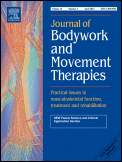
JOURNAL OF BODYWORK AND MOVEMENT THERAPIES
Connecting Theory and Practice in Movement TherapiesJOURNAL OF BODYWORK AND MOVEMENT THERAPIES, published by Elsevier, is an esteemed platform for scholarly articles that delve into the intersections of physical movement, therapy, and wellness. With an ISSN of 1360-8592 and an E-ISSN of 1532-9283, this journal serves as a comprehensive resource for professionals and researchers in the fields of Complementary and Alternative Medicine, Physical Therapy, and Rehabilitation. Spanning a notable history from 1996 to 2024, it holds prestigious rankings, including Q1 status in Complementary and Manual Therapy and Q2 in multiple related categories according to the 2023 category quartiles. The journal's impact is underscored by its strong Scopus rankings, placing it in the 67th percentile for Complementary and Manual Therapy, making it a vital resource for advancing the understanding of bodywork practices. While it does not currently offer Open Access options, the rigorous peer-review process ensures that published research meets the highest academic standards, fostering innovation and excellence within the scientific community. Engaging with this journal presents an opportunity for practitioners, researchers, and students to stay at the forefront of developments in movement therapies and their applications.
TOPICS IN GERIATRIC REHABILITATION
Enhancing Lives, One Rehabilitation Strategy at a TimeTopics in Geriatric Rehabilitation is a premier scholarly journal dedicated to advancing the field of geriatric rehabilitation, published by Lippincott Williams & Wilkins. With the ISSN 0882-7524 and an E-ISSN of 1550-2414, the journal has been a vital resource since its inception in 1985, providing a platform for innovative research and clinical studies that address the rehabilitation needs of older adults. It features a diverse range of articles that contribute significantly to the understanding of geriatric care practices, physical therapy, and rehabilitation strategies. Although currently categorized as Q4 in Geriatrics and Gerontology and Q3 in both Physical Therapy, Sports Therapy, and Rehabilitation, and general Rehabilitation, the journal continually strives to improve its scholarly impact and visibility within the medical community. The journal's eclectic content is invaluable for researchers, clinicians, and students alike, aiming to foster a better understanding of geriatric rehabilitation and improve health outcomes for older populations. With plans for expansion in open access options and a commitment to high-quality peer-reviewed content, Topics in Geriatric Rehabilitation remains dedicated to supporting advancements in this crucial field.
PHYSIOTHERAPY THEORY AND PRACTICE
Enhancing Treatment Strategies for Optimal Patient OutcomesPHYSIOTHERAPY THEORY AND PRACTICE is a leading journal within the realm of physical therapy, sports therapy, and rehabilitation, published by Taylor & Francis Inc. With an ISSN of 0959-3985 and an E-ISSN of 1532-5040, this esteemed journal focuses on the interdisciplinary approaches and clinical practices that advance the science and application of physiotherapy. Ranking in the top 33% of its category as indicated by its Q2 status in the 2023 category quartiles, it serves as an essential conduit for innovative research and evidence-based practices. The journal has been a vital resource since its inception in 1985, continuing to attract contributions that explore the latest developments in rehabilitation and therapy strategies. Although currently not an Open Access journal, PHYSIOTHERAPY THEORY AND PRACTICE remains pivotal in shaping the landscape of health professions, providing insightful articles that empower researchers, practitioners, and students to enhance patient care and treatment strategies in an evolving field.
JOURNAL OF ORTHOPAEDIC & SPORTS PHYSICAL THERAPY
Bridging Research and Practice for Optimal RehabilitationJOURNAL OF ORTHOPAEDIC & SPORTS PHYSICAL THERAPY (JOSPT), published by J O S P T, is a premier peer-reviewed journal that has made significant contributions to the fields of orthopaedic and sports physical therapy since its inception in 1979. With an impressive impact factor and consistently ranking in the Q1 category for Medicine, Physical Therapy, Sports Therapy and Rehabilitation, and Sports Science in 2023, this journal stands at the forefront of evidence-based practice and innovative research. JOSPT aims to disseminate high-quality investigations, systematic reviews, and groundbreaking clinical practices that enhance both rehabilitation techniques and athletic performance. Notably, it ranks #12 among 247 in the Scopus database for Health Professions related to Physical Therapy, reflecting its influence and recognition within the academic community. As a comprehensive resource for researchers, clinicians, and students alike, JOSPT facilitates access to the latest developments in physical therapy, thereby promoting improved patient outcomes and advancing the science of rehabilitation.
Developmental Neurorehabilitation
Catalyzing breakthroughs in neurorehabilitation for children.Developmental Neurorehabilitation is an esteemed journal published by Taylor & Francis Inc, dedicated to advancing the field of developmental neuroscience and rehabilitation. With an ISSN of 1751-8423 and an E-ISSN of 1751-8431, this journal serves as a vital resource for researchers, clinicians, and students interested in innovative therapeutic approaches and rehabilitation techniques for children and adolescents. Since its inception in 1997, Developmental Neurorehabilitation has focused on disseminating high-quality research, contributing to a deeper understanding of recovery processes in developmental disorders, and facilitating interdisciplinary dialogue among professionals. With its recognition in Q2 and Q3 quartiles across prominent categories such as Pediatrics and Rehabilitation, it stands out as a pivotal publication in its field, boasting Scopus rankings that reflect its significant impact—ranked #53 in Rehabilitation and #139 in Pediatrics, among others. While maintaining a commitment to quality research, the journal does not currently offer open access but remains accessible through institutional subscriptions, further enriching the academic landscape with critical insights into rehabilitation methodologies for developmental challenges and promoting better clinical practices to improve patient outcomes.
Rehabilitation Oncology
Pioneering Discoveries in the Field of Cancer RehabilitationRehabilitation Oncology, published by Lippincott Williams & Wilkins, is an essential academic journal dedicated to the interdisciplinary field of cancer rehabilitation. Since its inception in 2008, it has provided a platform for illuminating research, clinical practices, and innovative therapies aimed at improving the quality of life for cancer survivors. With an ISSN of 2168-3808 and an E-ISSN of 2381-2427, the journal covers a wide spectrum of topics, making significant contributions across various categories including Oncology, Rehabilitation, and Physical Therapy. Although currently not Open Access, the journal has garnered a notable 2023 Impact Factor status, placing it in the Q3 quadrant across multiple relevant disciplines as per the latest Scopus rankings. This reflects its growing influence in the rehabilitation community and offers vital insights for practitioners and researchers seeking to advance their understanding of patient care post-cancer treatment. With its focus on bridging the gap between research and real-world application, Rehabilitation Oncology serves as a vital resource for healthcare professionals committed to enhancing recovery outcomes in their patients.