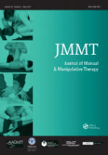
Journal of Manual & Manipulative Therapy
Scope & Guideline
Pioneering Research in Rehabilitation Techniques
Introduction
Aims and Scopes
- Manual Therapy Techniques and Efficacy:
The journal emphasizes research on various manual therapy techniques, including spinal manipulation, mobilization, and dry needling, assessing their effectiveness in treating conditions like low back pain, neck pain, and sports-related injuries. - Clinical Decision-Making and Patient-Centered Care:
A significant focus is placed on the clinical decision-making processes of physical therapists, exploring how factors such as patient beliefs, attitudes, and cultural competence influence treatment outcomes. - Pediatric and Specialized Populations:
The journal highlights research related to manual therapy applications in pediatric populations, addressing unique challenges and treatment strategies for conditions like developmental hip dysplasia and concussions. - Evidence-Based Practice and Systematic Reviews:
There is a consistent emphasis on conducting systematic reviews and meta-analyses to synthesize evidence related to manual therapy interventions, aiming to inform best practices in physiotherapy. - Innovative Therapeutic Approaches:
The journal encourages exploration of new therapeutic approaches, including the integration of pain neuroscience education and biopsychosocial models in treatment protocols.
Trending and Emerging
- Integration of Pain Neuroscience Education:
There is a growing emphasis on incorporating pain neuroscience education into manual therapy practices. This approach recognizes the importance of educating patients about pain mechanisms, which can lead to improved treatment adherence and outcomes. - Focus on Biopsychosocial Models:
Emerging research increasingly adopts a biopsychosocial perspective, considering the psychological and social factors that influence musculoskeletal pain and recovery. This trend underscores the importance of addressing mental health and patient beliefs in therapy. - Pediatric Manual Therapy Research:
Research targeting manual therapy techniques specifically for pediatric populations is gaining momentum. This includes studies on conditions unique to children and adolescents, reflecting a recognition of the need for specialized approaches in this demographic. - Systematic Reviews and Meta-Analyses:
The publication of systematic reviews and meta-analyses is on the rise, providing comprehensive insights into the effectiveness of various manual therapy interventions. This trend highlights the journal's commitment to evidence-based practice. - Technological Innovations in Therapy:
There is an increasing interest in the application of technology in manual therapy, such as the use of ultrasound imaging for dry needling techniques. This trend signifies a shift towards more precise and informed treatment methodologies.
Declining or Waning
- Traditional Manual Therapy Techniques:
Research focused on traditional manual therapy techniques, such as basic spinal manipulation without adjunctive therapies, appears to be declining. This may indicate a shift towards more integrative approaches that encompass exercise, education, and multidisciplinary care. - Single Technique Studies:
There is a noticeable reduction in studies investigating the effectiveness of single manual therapy techniques in isolation. This trend suggests a move towards more comprehensive treatment models that combine various interventions for improved patient outcomes. - Low Back Pain as a Sole Focus:
While low back pain remains a critical area of research, the volume of studies targeting this condition exclusively has decreased. The journal is increasingly focusing on broader musculoskeletal issues, reflecting a more holistic approach to therapy.
Similar Journals

Chiropractic & Manual Therapies
Advancing the Science of Healing Hands.Chiropractic & Manual Therapies is a premier open-access journal published by BMC, dedicated to advancing the fields of Chiropractic, Complementary and Alternative Medicine, and Physical Therapy. Since its inception in 2011, the journal has established its reputation within the academic community, evidenced by its Q1 ranking in Chiropractics and Complementary and Alternative Medicine, and Q2 in Physical Therapy, Sports Therapy, and Rehabilitation as of 2023. With an impressive Scopus ranking placing it in the top 5% for Chiropractics and maintaining a strong presence in the complementary medicine sector, Chiropractic & Manual Therapies serves as a critical platform for researchers, practitioners, and students seeking to disseminate innovative findings and practical advancements in manual therapies. Located in the United Kingdom, the journal not only promotes accessible research but also contributes to the ongoing discourse in healthcare practices, ensuring valuable insights are shared widely among professionals and the academic community.
International Journal of Therapy and Rehabilitation
Fostering Excellence in Therapy and Rehabilitation StudiesInternational Journal of Therapy and Rehabilitation (ISSN: 1741-1645; E-ISSN: 1759-779X), published by MA HEALTHCARE LTD, is a premier platform for disseminating innovative research and clinical practices in the fields of physical therapy, sports therapy, and rehabilitation. As an influential contributor to the academic discourse in rehabilitation, this journal holds a notable impact factor and is recognized in the Q4 category in Physical Therapy, Sports Therapy and Rehabilitation and Q3 in Rehabilitation as of 2023. With rankings of #112 out of 161 and #190 out of 247 in Scopus, respectively, it remains committed to publishing high-quality research that addresses both the fundamental and contemporary challenges in therapy and rehabilitation. While the journal does not offer open access, it strives to present content that is highly relevant and impactful for practitioners, researchers, and students in the healthcare community. The journal's scope, spanning from 1996 to 2024, reflects its dedication to reflecting the evolving nature of therapy and rehabilitation practices globally.
MANUELLE MEDIZIN
Transforming Therapeutic Landscapes Through ResearchMANUELLE MEDIZIN is a prominent academic journal published by SPRINGER HEIDELBERG, specializing in the fields of Complementary and Alternative Medicine, as well as Manual Therapy. With its inception in 1973, this journal has established itself as a vital resource for researchers and clinicians bridging the gap between traditional and modern therapeutic practices. Although the journal does not currently offer Open Access, it maintains rigorous standards of quality and peer review, supporting its mission to disseminate impactful research. This journal holds a Q3 category ranking in Complementary and Alternative Medicine and Manual Therapy, and a Q4 ranking in Physical Therapy, Sports Therapy, and Rehabilitation as of 2023, reflecting its commitment to advancing knowledge in these interdisciplinary fields. Furthermore, its competitive Scopus rankings illustrate its relevance in the academic landscape, making it a valuable platform for the exchange of innovative ideas and clinical applications. As such, MANUELLE MEDIZIN serves as an essential reference point for students, professionals, and researchers dedicated to enhancing patient care through integrative therapies.
Turkish Journal of Physical Medicine and Rehabilitation
Unlocking the future of rehabilitation through research.Turkish Journal of Physical Medicine and Rehabilitation, an esteemed publication by BAYCINAR MEDICAL PUBL–BAYCINAR TIBBI YAYINCILIK, serves as a premier platform for the dissemination of cutting-edge research in the fields of physical therapy, sports therapy, and rehabilitation. Established in 2018, this open-access journal has rapidly ascended within the academic community, boasting a commendable Q2 ranking in both Physical Therapy, Sports Therapy and Rehabilitation and Rehabilitation categories for 2023. With a significant Scopus rank reflecting its competitive standing, researchers and practitioners can access vital findings that advance clinical practices and enhance patient outcomes. Located in Istanbul, Turkey, the journal not only emphasizes accessibility but also encourages contributions that address the evolving challenges in the realm of physical medicine. As it continues to grow, the journal aims to foster a collaborative research environment, engaging both established and emerging scholars in the exploration of innovative rehabilitation strategies and methodologies.
JOURNAL OF BODYWORK AND MOVEMENT THERAPIES
Innovating Practices in Physical Therapy and RehabilitationJOURNAL OF BODYWORK AND MOVEMENT THERAPIES, published by Elsevier, is an esteemed platform for scholarly articles that delve into the intersections of physical movement, therapy, and wellness. With an ISSN of 1360-8592 and an E-ISSN of 1532-9283, this journal serves as a comprehensive resource for professionals and researchers in the fields of Complementary and Alternative Medicine, Physical Therapy, and Rehabilitation. Spanning a notable history from 1996 to 2024, it holds prestigious rankings, including Q1 status in Complementary and Manual Therapy and Q2 in multiple related categories according to the 2023 category quartiles. The journal's impact is underscored by its strong Scopus rankings, placing it in the 67th percentile for Complementary and Manual Therapy, making it a vital resource for advancing the understanding of bodywork practices. While it does not currently offer Open Access options, the rigorous peer-review process ensures that published research meets the highest academic standards, fostering innovation and excellence within the scientific community. Engaging with this journal presents an opportunity for practitioners, researchers, and students to stay at the forefront of developments in movement therapies and their applications.
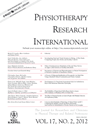
Physiotherapy Research International
Connecting Research with Real-World Physiotherapy Solutions.Physiotherapy Research International is a leading journal in the fields of Physical Therapy, Sports Therapy, and Rehabilitation, published by WILEY. With a commendable impact factor reflecting its significant contribution to the profession, this journal enjoys a competitive position, ranking in the 66th percentile and 84th out of 247 in its category according to Scopus. The journal encompasses a broad scope of research from 1996 to 2024, addressing critical advancements in physiotherapy and rehabilitation practices. Although it is not an Open Access journal, it provides valuable insights and research findings that foster knowledge and innovation among practitioners and researchers alike. As a Q2 category journal in its field for 2023, Physiotherapy Research International aims to facilitate the dissemination of high-quality research aimed at improving patient outcomes and guiding clinical practice. It serves as an essential resource for those committed to advancing the science and practice of physiotherapy.
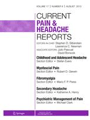
Current Pain and Headache Reports
Fostering Collaboration in the Quest for Pain ReliefCurrent Pain and Headache Reports, published by SPRINGER, is a leading journal in the dynamic fields of anesthesiology, pain medicine, and clinical neurology. Since its inception in 2001, this journal has played a pivotal role in disseminating high-quality, peer-reviewed research that addresses the complex challenges associated with pain and headache disorders. With an impressive 2023 impact factor placing it in the Q1 quartile for Anesthesiology and Pain Medicine, and notable rankings in Clinical Neurology, it is a crucial resource for researchers, clinicians, and students seeking to advance their knowledge and practice in these vital areas of medicine. The journal supports a broad spectrum of scholarly activities by publishing original research, reviews, and expert opinion pieces, contributing significantly to the ongoing dialogue in pain management and headache treatment. As a subscription-based journal based in the United States, Current Pain and Headache Reports ensures that all articles meet rigorous scientific standards, fostering innovation and collaboration across multiple disciplines.
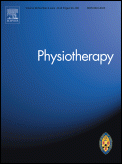
Physiotherapy
Advancing the Science of RehabilitationPhysiotherapy, published by Elsevier Science Ltd, stands as a prestigious journal in the field of Physical Therapy, Sports Therapy, and Rehabilitation. Since its inception in 1945, this journal has been committed to advancing the practice and science of physiotherapy through rigorous peer-reviewed research, making significant contributions to both clinical practice and academia. With an impressive Q1 ranking and a Scopus percentile of 88th, it is widely regarded as a leading source of evidence-based information for professionals and researchers alike. The journal operates without an Open Access option, which ensures that it maintains the quality and integrity of the research it publishes while providing exclusive access to valuable insights for its subscribers. By focusing on diverse topics within its scope, including therapeutic techniques, rehabilitation strategies, and sports medicine, Physiotherapy continues to shape the future of physiotherapy practice and education, making it an essential resource for anyone invested in this dynamic field.
Journal of Osteopathic Medicine
Elevating Discourse in Osteopathic PracticesThe Journal of Osteopathic Medicine, published by Walter de Gruyter GmbH, serves as a significant platform for advancing research and discourse within the realms of complementary and alternative medicine, as well as manual therapy. Since its inception in 2021, the journal has established a solid reputation with a commendable Q2 ranking in the respective categories for 2023, highlighting its impact and relevance in the field. The journal, based in Berlin, Germany, offers an Open Access model, ensuring that both emerging and established researchers have the opportunity to share their findings with a global audience, thereby fostering broader discussions and collaborations. With its commitment to publishing high-quality research, the Journal of Osteopathic Medicine aims to bridge the gap between scientific inquiry and practical application, ultimately enhancing the understanding and treatment approaches within osteopathy and related disciplines. Researchers, professionals, and students alike will find this journal an invaluable resource for staying updated with the latest advancements and methodologies in their field.
Frontiers in Rehabilitation Sciences
Advancing rehabilitation through innovative research.Frontiers in Rehabilitation Sciences, published by FRONTIERS MEDIA SA, is an innovative open-access journal that has been committed to advancing the discipline of rehabilitation science since its inception in 2021. The journal aims to serve as a platform for researchers, clinicians, and students interested in disseminating high-quality research and insights that drive practice and policy in rehabilitation and physical therapy. With an E-ISSN of 2673-6861, it fosters interdisciplinary collaboration, tackling topics that range from therapeutic interventions to sports rehabilitation and beyond. As part of the Frontiers family, the journal employs cutting-edge open-access policies that ensure widespread dissemination and visibility of research findings. Although it is currently ranked within the lower quartiles based on Scopus rankings, the journal provides an invaluable opportunity for emerging scholars to publish their work in a rapidly evolving field. By sharing knowledge and fostering dialogue among scientists and practitioners alike, Frontiers in Rehabilitation Sciences plays a crucial role in shaping the future of rehabilitation methodologies and improving patient outcomes.