BRAZILIAN JOURNAL OF PHYSICS
metrics 2024
Pioneering Discoveries in Brazilian Physics
Introduction
BRAZILIAN JOURNAL OF PHYSICS, published by SPRINGER, is a prominent platform dedicated to the dissemination of research within the realm of physics and astronomy. With an ISSN of 0103-9733 and E-ISSN of 1678-4448, this esteemed journal has been contributing to the field since its inception in 1996, and it continues to be pivotal in showcasing innovative studies and breakthroughs. The journal is categorized in the Q4 quartile for the year 2023, reflecting a dedicated focus on advancing knowledge across a variety of disciplines, particularly in general physics and astronomy, where it ranks 126th out of 243 in Scopus rankings. Although it currently does not operate under an open-access model, it remains an invaluable resource for researchers, professionals, and students eager to enhance their understanding of complex physical principles and developments. The journal is committed to promoting high-quality research, bridging gaps in knowledge, and fostering collaboration within the global physics community.
Metrics 2024
 0.191.501.3054
Metrics History
Rank 2024
Scopus
IF (Web Of Science)
JCI (Web Of Science)
Quartile History
Similar Journals
COMMUNICATIONS IN THEORETICAL PHYSICS
Pioneering research for a deeper understanding of physical laws.COMMUNICATIONS IN THEORETICAL PHYSICS is a distinguished journal published by IOP Publishing Ltd, focusing on the broad and evolving field of theoretical physics. With an ISSN of 0253-6102 and an E-ISSN of 1572-9494, this journal provides a platform for the dissemination of innovative research that contributes to the understanding of complex physical concepts. Situated in the United Kingdom, it has established itself as a pivotal resource from 1996 to 2024, achieving a commendable Q2 ranking in the category of Physics and Astronomy (miscellaneous) for 2023. With a Scopus ranking of #18 out of 81 in its category, demonstrating a 78th percentile, this journal plays a crucial role in enhancing scholarly communication among researchers, professionals, and students alike. Although it does not currently offer Open Access options, the journal's comprehensive scope and commitment to high-quality peer-reviewed research underline its significance in the scientific community, making it an essential reading for anyone engaged in theoretical physics.
MODERN PHYSICS LETTERS A
Advancing the Frontiers of Physics ResearchMODERN PHYSICS LETTERS A, published by World Scientific Publishing Co Pte Ltd, is a distinguished journal in the field of physics that serves as a pivotal platform for researchers, professionals, and students alike. With ISSN 0217-7323 and E-ISSN 1793-6632, the journal has gained international acclaim for its contributions to Astronomy and Astrophysics as well as Nuclear and High Energy Physics. The journal is ranked in Q3 for both Astronomy and Astrophysics and Nuclear and High Energy Physics, showcasing its relevance in these areas, while also achieving a Q2 ranking in the broader category of Physics and Astronomy (miscellaneous). Spanning from 1996 to 2024, MODERN PHYSICS LETTERS A promotes open dialogue and dissemination of pioneering research findings and innovative theories. While the journal operates without an open access option, its rich content is easily accessible through various academic databases, ensuring that vital research is shared widely among the scientific community. Situated in Singapore, this journal plays an essential role in the continuous advancement of the physics discipline, fostering collaboration and knowledge sharing among global researchers.

Romanian Journal of Physics
Elevating physics discourse to new heights.Welcome to the Romanian Journal of Physics, a distinguished platform dedicated to advancing the field of physics and astronomy since its inception. Published by EDITURA ACAD ROMANE, this journal plays a pivotal role in disseminating high-quality research from Romania and around the globe, with an impressive impact factor that reflects its rigorous academic standards. With a focus on a broad range of topics in general physics and astronomy, it proudly maintains a Q2 ranking in its category for 2023, positioning itself among the top journals in the field. The journal, which has been converging valuable research contributions from 2008 until 2024, is accessible to a wide audience of researchers, professionals, and students interested in the latest developments and discoveries in physics. While it operates under a traditional publication model without Open Access, its commitment to quality research ensures that the contributions featured in its pages resonate well within the scientific community. We invite you to explore the rich findings published in the Romanian Journal of Physics and to engage with the vital discussions shaping the future of physics.
JOURNAL OF EXPERIMENTAL AND THEORETICAL PHYSICS
Advancing the Frontiers of Physics KnowledgeJournal of Experimental and Theoretical Physics is a distinguished publication in the field of physics, dedicated to disseminating pioneering research and fostering intellectual discourse in both experimental and theoretical domains. Published by Pleiades Publishing Inc, this journal has established itself as a crucial platform for physicists, with a commendable Q3 categorization in the 2023 rankings within Physics and Astronomy, illustrating its impactful contributions to the discipline. The journal features a wide array of articles that delve into the intricacies of physical theory, experimental techniques, and applications, making it an invaluable resource for researchers, professionals, and students alike. Although it operates under a traditional access model, its longstanding history, dating back to 1980 and converging years through to 2023, underscores its commitment to advancing the frontiers of physics knowledge. The journal is also notable for its engagement in the scientific community, aiming to bridge the gap between theoretical predictions and experimental validations. As a part of Pleiades Publishing, it continues to uphold rigorous standards of academic excellence, inviting contributions that push the boundaries of current understanding and stimulate further exploration in the fascinating world of physics.
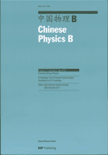
Chinese Physics B
Advancing the frontiers of Physics and Astronomy.Chinese Physics B, published by IOP Publishing Ltd, is a distinguished journal in the field of Physics and Astronomy, offering a platform for researchers to disseminate cutting-edge studies and advancements. With an ISSN of 1674-1056 and an E-ISSN of 2058-3834, this journal emphasizes open access, ensuring that groundbreaking research is readily available to a global audience. Reflecting its commitment to quality, Chinese Physics B is categorized in the Q3 quartile (2023) in its subject area and ranks 118 out of 243 among its peers in general physics and astronomy according to Scopus, placing it in the 51st percentile. Publishing since 2008, the journal not only maintains a rigorous peer-review process but also aims to foster collaboration among academics in various physics disciplines. With its base in the United Kingdom, Chinese Physics B remains a crucial resource for those seeking to stay abreast of developments in the diverse world of physics.
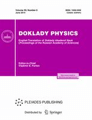
DOKLADY PHYSICS
Connecting Theory and Application in Mechanics.DOKLADY PHYSICS is a prominent academic journal dedicated to advancing knowledge in the fields of computational mechanics, mechanics of materials, and general physics and astronomy. Published by MAIK NAUKA/INTERPERIODICA/SPRINGER, this journal has established itself as a crucial resource for researchers and professionals keen on exploring the intricacies of physical phenomena and engineering applications. With its ISSN 1028-3358 and E-ISSN 1562-6903, DOKLADY PHYSICS has been contributing to scientific discourse since its inception in 1996 and continues to provide a platform for innovative research up to 2023. Despite its current Q3 ranking in several key categories, the journal maintains an inclusive approach, striving to influence both academic and practical aspects of its fields. While the journal may not be open access, it remains a vital publication for those interested in high-quality research, as reflected in its Scopus ranking positions across various engineering and physics categories.
JOURNAL OF THE KOREAN PHYSICAL SOCIETY
Shaping Tomorrow's Discoveries in Physical ScienceJOURNAL OF THE KOREAN PHYSICAL SOCIETY is a prominent academic journal dedicated to advancing the field of physics, published by the prestigious Korean Physical Society. With its extensive contribution to the scientific community since its inception in 1996, this journal serves as an essential platform for the dissemination of innovative research findings in various branches of physical science. Despite its current categorization in Q4 and a ranking reflecting its early-stage impact relative to peers, it remains a valuable resource for researchers, professionals, and students eager to explore developments in general physics and astronomy. The journal is accessible in both print and electronic formats, making it convenient for a global audience. Each issue aims to foster collaboration and knowledge-sharing within the field, ensuring that it remains relevant and instrumental in shaping future research directions. Located in South Korea, the journal continues to nurture a vibrant academic community, contributing to the ongoing dialogue in the global scientific arena.

PHYSICAL REVIEW LETTERS
Advancing the Frontiers of Physics and AstronomyPhysical Review Letters, published by the American Physical Society, is a premier journal in the field of Physics and Astronomy renowned for its rapid dissemination of high-impact research findings. With a distinguished history dating back to 1958 and an impressive ranking of #13 out of 243 in the general physics category, it stands proudly within the Q1 quartile, placing it in the top 6% of journals in its field. The journal focuses on brief reports of significant fundamental research across all areas of physics, making it an essential resource for researchers, professionals, and students seeking to stay at the forefront of developments in their field. Although Physical Review Letters does not offer open access options, its rigorous peer-review process ensures a high standard of quality and relevance in its published articles. With an unwavering commitment to advancing the understanding of physical science, this journal is indispensable for those looking to make a genuine impact in their research endeavors.

Recent Contributions to Physics
Bridging disciplines with cutting-edge physics research.Recent Contributions to Physics is a distinguished journal published by AL-FARABI KAZAKH NATIONAL UNIVERSITY, focusing on the latest developments and research breakthroughs in the field of physics. Established as an open access journal since 2008, it aims to facilitate the wide dissemination of knowledge by allowing researchers, professionals, and students worldwide to access high-quality content without barrier. Featuring a diverse range of topics within physics, from theoretical innovations to practical applications, this journal is an essential resource for anyone seeking to stay at the forefront of scientific advancement. Its commitment to quality and accessibility not only enhances the impact of research in the scientific community but also promotes collaboration across disciplines. With its dedication to fostering a vibrant academic dialogue, Recent Contributions to Physics is poised as a key contributor to the future of physics research.
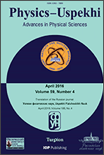
PHYSICS-USPEKHI
Navigating the Cosmos of Physics and AstronomyPHYSICS-USPEKHI, published by Uspekhi Fizicheskikh Nauk, is a prominent peer-reviewed journal in the field of physics and astronomy, reaching researchers and professionals since its inception in 1993. With an ISSN of 1063-7869 and an E-ISSN of 1468-4780, this esteemed journal has been classified as Q2 in the Physics and Astronomy category based on the 2023 quartiles, ranking 74 out of 243 journals in its Scopus classification, placing it in the 69th percentile. Although currently not an open access journal, it provides invaluable insights and advancements in the field, fostering an environment for scholarly exchange and collaborative research. Based in Moscow, Russia, PHYSICS-USPEKHI continues to shape the landscape of theoretical and experimental physics, inviting submissions that contribute to its rich legacy of high-impact scientific discourse.