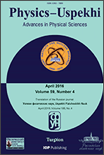
PHYSICS-USPEKHI
metrics 2024
Advancing Knowledge in Theoretical and Experimental Physics
Introduction
PHYSICS-USPEKHI, published by Uspekhi Fizicheskikh Nauk, is a prominent peer-reviewed journal in the field of physics and astronomy, reaching researchers and professionals since its inception in 1993. With an ISSN of 1063-7869 and an E-ISSN of 1468-4780, this esteemed journal has been classified as Q2 in the Physics and Astronomy category based on the 2023 quartiles, ranking 74 out of 243 journals in its Scopus classification, placing it in the 69th percentile. Although currently not an open access journal, it provides invaluable insights and advancements in the field, fostering an environment for scholarly exchange and collaborative research. Based in Moscow, Russia, PHYSICS-USPEKHI continues to shape the landscape of theoretical and experimental physics, inviting submissions that contribute to its rich legacy of high-impact scientific discourse.
Metrics 2024
 0.493.102.8091
Metrics History
Rank 2024
Scopus
IF (Web Of Science)
JCI (Web Of Science)
Quartile History
Similar Journals
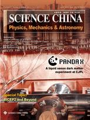
Science China-Physics Mechanics & Astronomy
Exploring the Frontiers of Mechanics and AstronomyScience China-Physics Mechanics & Astronomy, published by SCIENCE PRESS, stands as a prestigious journal within the Physics and Astronomy domain, particularly recognized for its contributions to the understanding of fundamental and applied physics. With an exhilarating Q1 ranking in the 2023 category and earning a remarkable scopus rank of #21 out of 243, the journal demonstrates its significant impact, being positioned in the 91st percentile of its field. Operating under an Open Access model, it facilitates the broad dissemination of high-quality research, ensuring accessibility for researchers, professionals, and students worldwide. Its scope covers a variety of essential topics in physics and astronomy, promoting a comprehensive understanding of the latest advancements from 2010 through 2024. The journal is a vital resource for anyone aiming to stay at the forefront of research in these dynamic fields, with its prominent address located in Beijing, China, symbolizing its global influence.
Bulletin of the Lebedev Physics Institute
Cultivating academic growth through rigorous research.Bulletin of the Lebedev Physics Institute is a peer-reviewed journal dedicated to advancing the field of physics and astronomy, published by PLEIADES PUBLISHING INC. With a print ISSN of 1068-3356 and an e-ISSN of 1934-838X, this journal has been an essential platform for disseminating significant research findings since its inception in 2009. It continues to provide insight into various areas of general physics and astronomy, and consistently aims to foster innovative discussions among researchers and scholars. Although currently positioned in the Q4 category within the 2023 Scopus rankings, it serves a vital role in linking emerging trends with established research, catering to a global audience seeking to explore complex concepts within the field. By contributing to the body of knowledge, the Bulletin supports academic growth and collaboration across diverse sectors. Despite its challenges in ranking, the journal’s unique perspectives and ongoing publications underscore its commitment to pushing the boundaries of scientific inquiry in the United States and beyond.
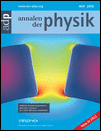
ANNALEN DER PHYSIK
Pioneering Insights in the World of PhysicsANNALEN DER PHYSIK, a prestigious journal published by WILEY-V C H VERLAG GMBH, stands as a cornerstone of the field of physics and astronomy since its inception in 1799. With an ISSN of 0003-3804 and an E-ISSN of 1521-3889, this journal provides a platform for innovative research and critical discourse across various domains of physics. Annalen der Physik is currently ranked in the Q2 category for general physics and astronomy, occupying rank #76 out of 243 in Scopus, placing it within the 68th percentile. This indicates its significant impact and the quality of research it publishes. Although the journal does not offer Open Access options, its robust historical lineage and ongoing contributions ensure that it continues to be an essential resource for researchers, professionals, and students alike. For those seeking to stay at the forefront of contemporary physics research, ANNALEN DER PHYSIK represents a vital source of knowledge, innovation, and scholarly communication.
Communications Physics
Illuminating the path of interdisciplinary collaboration.Communications Physics is a premier open access journal published by Nature Portfolio, dedicated to disseminating high-quality research in the field of Physics and Astronomy. Since its inception in 2018, the journal has rapidly established itself as a vital platform for innovative scientific communication, boasting an impressive Impact Factor and achieving Q1 status in the 2023 category of Physics and Astronomy (miscellaneous). With a Scopus rank of #31 out of 243, placing it within the 87th percentile, Communications Physics attracts a global audience of researchers, professionals, and students eager to engage with cutting-edge findings. The journal supports open access, ensuring that research is freely available to the public, which enhances its visibility and encourages broader discussions within the scientific community. Located in Berlin, Germany, Communications Physics aims to bridge the gap between various disciplines within physics, fostering interdisciplinary collaboration and inspiring future research endeavors.
NEW JOURNAL OF PHYSICS
Innovating ideas, illuminating the world of physics.NEW JOURNAL OF PHYSICS, published by IOP Publishing Ltd, is a prestigious open-access journal that has been at the forefront of the physics community since its inception in 1998. With an impact factor that places it in the Q1 category of Physics and Astronomy (miscellaneous) and a commendable ranking of #49 out of 243 in the general physics and astronomy category according to Scopus, this journal is recognized for its significant contribution to advancing research in the field. The journal caters to a broad scope of topics, providing a platform for the dissemination of cutting-edge research findings and innovative theoretical explorations. Operating from the United Kingdom, it offers a truly international perspective, making its contents accessible and impactful to a global audience. With robust open-access options, the NEW JOURNAL OF PHYSICS ensures that research findings are freely available, promoting collaboration and knowledge sharing among researchers, professionals, and students alike. This commitment to accessibility, combined with its high-quality content, makes it an essential resource for anyone engaged in the physics community.
Advances in Physics-X
Elevating Research Standards in Physics and AstronomyAdvances in Physics-X is a premier open-access journal published by Taylor & Francis Ltd, dedicated to advancing the frontiers of knowledge in the field of Physics and Astronomy. Since its inception in 2016, the journal has established itself as a vital platform for researchers and professionals, showcasing innovative research and cutting-edge theories that influence a broad array of sub-disciplines within physics. With an impressive impact factor and ranked in the 94th percentile among its peers, it resides in the Q1 category for Physics and Astronomy (miscellaneous), indicating its significant contributions to the academic community. Located in the United Kingdom, the journal encourages open access to foster wider dissemination and visibility of scholarly works, aligning with contemporary academic trends that prioritize global knowledge sharing. The ongoing commitment to publishing high-quality research ensures that Advances in Physics-X remains an essential resource for students, industry experts, and academics alike, helping to shape the future of physics research through collaboration and innovation.
LASER PHYSICS LETTERS
Elevating the Standards of Laser ResearchLASER PHYSICS LETTERS is a prestigious peer-reviewed journal published by IOP Publishing Ltd in the United Kingdom, focusing on the burgeoning field of laser physics and its applications. With an ISSN of 1612-2011 and an E-ISSN of 1612-202X, this journal stands at the intersection of innovative research and practical applications, addressing diverse topics within the realms of Instrumentation and Physics and Astronomy. Recognized for its impactful contributions, it boasts a ranking within the Q3 quartile for both relevant categories as of 2023, reflecting its steady rise and commitment to advancing knowledge in the area. Researchers and practitioners are encouraged to explore its content and contribute to the ongoing discourse that shapes the future of laser technologies. While LASER PHYSICS LETTERS does not currently offer open access options, its rigorous selection criteria ensure that published work is of the highest quality, positioning it as a vital resource for anyone engaged in laser science and engineering.
Turkish Journal of Physics
Shaping the future of physics through knowledge sharing.Turkish Journal of Physics, established in 1994 and published by the Tubitak Scientific & Technological Research Council Turkey, is a prominent platform for the dissemination of innovative research in the field of physics and related areas. With an ISSN of 1300-0101 and an E-ISSN of 1303-6122, this journal has carved a niche in the academic community, evidenced by its ranking within the Q3 category in the 2023 evaluation of Physics and Astronomy. As it converges its published works toward the year 2024, researchers and scholars are encouraged to engage with its rich repertoire of studies that covers general physics and astronomy, currently holding a Scopus rank of #96 out of 243, placing it in the top 60th percentile. The Turkish Journal of Physics serves as a vital resource for advancing knowledge, fostering collaborative research, and providing insights into contemporary advancements in the discipline. While it operates under a subscription model, the quality and impact of its peer-reviewed articles make it an essential read for professionals and students alike, looking to stay informed on critical developments within the physics community.
Frontiers of Physics
Igniting Curiosity in the World of PhysicsFrontiers of Physics, published by Higher Education Press, is a premier open-access journal dedicated to fostering innovative research and excellence within the field of physics. With an ISSN of 2095-0462 and an E-ISSN of 2095-0470, this rapidly growing journal has established itself as a valuable platform for disseminating cutting-edge findings, covering a diverse range of topics from theoretical frameworks to experimental advancements. Notably, Frontiers of Physics has achieved an impressive Q1 ranking in the 2023 Scopus Quartiles for Physics and Astronomy, securing a competitive 5th out of 81 positions in its category, reflecting a high impact factor that underscores its importance to the scientific community. Since its inception in 2011 and continuing through 2024, the journal aims to bridge the gap between academia and industry, encouraging collaboration among researchers, professionals, and students alike. Its commitment to open access ensures that high-quality research is readily accessible, thereby promoting knowledge sharing and advancement in the global physics community. Explore the potential of your research in Frontiers of Physics, where the future of physics flourishes.
European Physical Journal Plus
Catalyzing Progress in Fundamental and Applied SciencesThe European Physical Journal Plus, published by Springer Heidelberg, is a reputable open-access journal that serves as a vital platform for innovative research across various disciplines, including physics, astronomy, and chemical engineering. With an impressive impact factor reflected by its Q2 ranking in both Fluid Flow and Transfer Processes and Physics and Astronomy (Miscellaneous) categories, this journal plays a crucial role in disseminating high-quality research findings. Since its inception in 2011, it has fostered interdisciplinary collaboration and encourages the exploration of fundamental principles and applications. The journal also boasts a respectable Scopus rank, indicating its solid influence and reach within the scientific community. Researchers, professionals, and students alike will find the journal to be an essential resource for staying abreast of advancements and trends in these dynamic fields, while its open-access model ensures that valuable insights are accessible to a broader audience.