Cardiovascular Toxicology
metrics 2024
Pioneering research for a healthier cardiovascular future.
Introduction
Cardiovascular Toxicology is a pivotal journal dedicated to advancing the understanding of the interplay between toxic substances and cardiovascular health. Published by HUMANA PRESS INC, this journal serves as a critical resource for researchers and professionals in the fields of cardiology, toxicology, and molecular biology. With an ISSN of 1530-7905 and an E-ISSN of 1559-0259, it has established itself as a key source of high-quality research since its inception in 2001, continuing to contribute valuable insights through 2024. The journal enjoys a robust reputation, evidenced by its Q2 ranking in both Cardiology and Cardiovascular Medicine and Toxicology, along with a Q3 ranking in Molecular Biology for 2023. With Scopus rankings placing it in the 80th percentile for Cardiology and 71st for Toxicology, Cardiovascular Toxicology attracts submissions that reflect cutting-edge research and innovative methodologies. Notably, the journal prioritizes stringent peer review and scholarly rigor, ensuring that published works significantly impact the understanding of cardiovascular responses to various toxic agents. Though not an open-access journal, its content remains highly sought after in a diverse scholarly community, making it indispensable for those dedicated to enhancing cardiovascular disease prevention, diagnosis, and treatment through toxicological insights.
Metrics 2024
 0.763.403.0064
Metrics History
Rank 2024
Scopus
IF (Web Of Science)
JCI (Web Of Science)
Quartile History
Similar Journals
Clinica e Investigacion en Arteriosclerosis
Elevating the standards of cardiovascular medicine through rigorous investigation.Clinica e Investigacion en Arteriosclerosis is a premier academic journal dedicated to the field of cardiology and cardiovascular medicine, published by ELSEVIER. With its ISSN 0214-9168 and E-ISSN 1578-1879, the journal aims to disseminate high-quality research and innovations in the understanding and treatment of arterial diseases, contributing significantly to both clinical practices and pharmacological advancements. Established in 2007 and continuing into 2024, the journal has garnered recognition with a notable Q3 categorization in both Cardiology and Cardiovascular Medicine and Pharmacology (medical) for 2023, reflecting its impact in the academic community. Researchers and healthcare professionals utilizing this journal will find a diverse range of articles exploring novel therapeutic strategies and epidemiological data, making it an essential resource for advancing knowledge and practice in cardiovascular health. While it does not operate as an open-access journal, the findings published in Clinica e Investigacion en Arteriosclerosis are pivotal for understanding current trends and future directions in cardiovascular research.
Journal of Toxicology
Empowering global research in toxicological science.Journal of Toxicology, published by HINDAWI LTD, stands as a pivotal open-access journal in the fields of toxicology and pharmacology since its inception in 2009. With an ISSN of 1687-8191 and an E-ISSN of 1687-8205, this journal is dedicated to disseminating high-quality research that critically examines the effects of toxic substances on living organisms. Located in Egypt and operating from their London office, it aims to provide an extensive platform for researchers worldwide to share findings that can inform better practices in safety and regulation. As of 2023, it has achieved significant recognition, holding a Q3 ranking in both the pharmacology and toxicology categories, and is indexed in Scopus with noteworthy percentile rankings (Toxicology: 57th and Pharmacology: 55th). With a focus on innovative studies and emerging areas such as environmental toxicology, biomarker research, and therapeutic interventions, the Journal of Toxicology invites both experienced researchers and students to contribute, thereby enhancing the breadth and depth of toxicological knowledge for the global scientific community.
JOURNAL OF TOXICOLOGICAL SCIENCES
Fostering Collaboration in Toxicological ResearchThe Journal of Toxicological Sciences, published by the Japanese Society of Toxicological Sciences, is a prominent academic journal dedicated to the comprehensive study of toxicology and its related fields. Since its inception in 1976, the journal has provided a vital platform for researchers and professionals to disseminate innovative findings and insights in toxicology, with a focus on both experimental and clinical studies. Positioned in the Q3 quartile across various relevant categories, including Medicine (miscellaneous) and Toxicology as of 2023, the journal plays an essential role in advancing our understanding of toxic substances and their effects on biological systems. Although currently not open access, the journal maintains high academic standards and is indexed in Scopus, ranking #96 in Toxicology. Offering unique perspectives from Japan, it encourages global collaboration and discourse among toxicologists, making it an invaluable resource for students, researchers, and industry professionals alike.
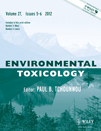
ENVIRONMENTAL TOXICOLOGY
Connecting Science and Policy for Environmental HealthENVIRONMENTAL TOXICOLOGY, published by Wiley, is a premier academic journal dedicated to the multifaceted study of toxic substances in the environment and their effects on human health and ecosystems. With the ISSN 1520-4081 and E-ISSN 1522-7278, this journal holds a prestigious position in the field, being ranked in the Q1 category across various relevant disciplines, including Health, Toxicology and Mutagenesis, and Management, Monitoring, Policy and Law. The journal regularly publishes high-quality research articles, reviews, and policy discussions aimed at understanding the implications of environmental toxins from 1980 to the present, contributing to the body of knowledge critical for the safety and sustainability of our environment. Researchers and professionals will find a treasure trove of information that not only highlights current trends and methodologies but also sets the stage for future advancements in toxicology. As a key resource, it provides valuable insights necessary for policy-making, environmental management, and public health, reinforcing its significance in the ever-evolving fields of toxicology and environmental science.
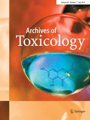
ARCHIVES OF TOXICOLOGY
Exploring the Complexities of ToxicologyARCHIVES OF TOXICOLOGY is a prestigious journal published by Springer Heidelberg, dedicated to advancing research in the field of toxicology and related disciplines. With a distinguished history dating back to 1930, this journal has continuously provided vital insights and groundbreaking studies, making it a cornerstone in the areas of health, toxicology, and medicine. Recognized for its high impact, it occupies a top-ranking position in Scopus, with remarkable quartile placements in 2023, categorizing it as Q1 in Health, Toxicology and Mutagenesis, and Q1 in Medicine (Miscellaneous). The journal highlights critical research and innovative methodologies, appealing to a diverse audience of researchers, professionals, and students committed to understanding the complexities of toxic substances and their implications for public health and environmental safety. The journal does not currently offer open access, allowing for a more traditional but rigorous peer-review process that ensures the quality and integrity of every published article. Join the global discourse in toxicological science with ARCHIVES OF TOXICOLOGY, where every contribution furthers the understanding of safety and toxicity in our world.
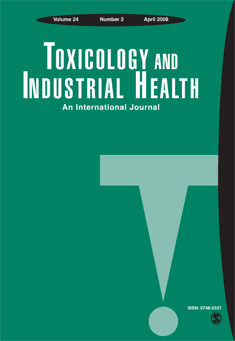
TOXICOLOGY AND INDUSTRIAL HEALTH
Innovating solutions for a healthier industrial environment.TOXICOLOGY AND INDUSTRIAL HEALTH, published by SAGE PUBLICATIONS INC, is a premier journal in the field of toxicology, public health, and environmental health, with a significant history dating back to 1985. With its ISSN 0748-2337 and E-ISSN 1477-0393, the journal provides a platform for disseminating groundbreaking research and comprehensive reviews that address the complexities of toxic substances in industrial and occupational settings. Despite its Q3 ranking among peers in health, toxicology, and public health, this journal is becoming increasingly influential, reflected in its growing citation metrics. Researchers and professionals benefit from its commitment to fostering knowledge in both theoretical and practical contexts, making it an essential resource for those dedicated to advancing understanding in this vital field. The journal's main objectives include promoting research addressing the implications of toxicology on health and safety standards across industries, ensuring accessibility to current studies for a global audience. Overall, TOXICOLOGY AND INDUSTRIAL HEALTH plays a critical role in bridging the gap between research and real-world applications, proving invaluable to students, professionals, and researchers alike in their pursuit of enhancing public health and environmental safety.

TOXICOLOGY AND APPLIED PHARMACOLOGY
Unraveling the Complexities of Drug InteractionsTOXICOLOGY AND APPLIED PHARMACOLOGY, published by Academic Press, Inc. Elsevier Science, stands as a leading journal in the domains of toxicology and pharmacology, with its establishment dating back to 1959. With an impact factor reflecting its academic rigor and relevance, this journal is classified in the Q2 quartile for both pharmacology and toxicology categories, underscoring its significance in the scientific community. It ranks #34 out of 133 in Toxicology and #95 out of 313 in Pharmacology according to Scopus, placing it within the 74th and 69th percentiles, respectively. The journal aims to disseminate quality research that drives advancements in understanding the interactions of drugs and toxic substances within biological systems. Researchers and professionals are invited to contribute and engage with a broad spectrum of articles that cover mechanistic studies, risk assessment, and innovative therapeutic strategies. Although the journal does not offer open access, it continues to be a crucial resource for those who seek to navigate the complex interface of drugs and their toxicological implications.
JACC: CardioOncology
Bridging Cardiology and Oncology for Better Patient OutcomesJACC: CardioOncology, published by Elsevier, is a pioneering open-access journal that has been at the forefront of the intersection between cardiology and oncology since its inception in 2019. With a focus on innovative research aimed at understanding the cardiovascular implications of cancer therapies, it has swiftly achieved recognition, holding a prestigious Q1 category ranking in both Cardiology and Cardiovascular Medicine and Oncology as of 2023. The journal's high impact factor and notable Scopus rankings—20th out of 387 in Cardiology and 44th out of 404 in Oncology—underscore its essential role in disseminating cutting-edge findings that inform clinical practices and improve patient outcomes. JACC: CardioOncology aims to provide a comprehensive platform for researchers, healthcare professionals, and students to share and access vital information, facilitating collaborations that advance knowledge in this critical field. With its commitment to open access, the journal ensures that groundbreaking research is readily available to a global audience, fostering an inclusive environment for academia and practice alike.
CARDIOLOGY
Shaping the future of heart care with evidence-based findings.CARDIOLOGY, published by KARGER, is a renowned scholarly journal dedicated to the advancement of research in the fields of cardiology and cardiovascular medicine. Since its inception in 1937, the journal has consistently provided a platform for high-quality, peer-reviewed articles that contribute to the understanding and treatment of heart and vascular diseases. With an impressive convergence through 2024, CARDIOLOGY holds a respectable Q2 ranking in both the Cardiology and Cardiovascular Medicine and Pharmacology (medical) categories, placing it within the 53rd and 45th percentiles of respective Scopus ranks. Based in Switzerland, the journal serves as an essential resource for researchers and practitioners aiming to stay abreast of cutting-edge developments and evidence-based practices in cardiovascular health. While it currently does not offer open access options, its commitment to rigorous scientific standards solidifies its significance within the academic community. We invite readers to explore the latest research findings and contribute to this vital field through publications in CARDIOLOGY.

Cardio-Oncology
Bridging Hearts and Health: Advancing Cardio-Oncology ResearchCardio-Oncology, published by BMC since 2015, serves as a premier open-access journal dedicated to the intersection of cardiology and oncology, ensuring that vital research reaches a global audience without barriers. With an impactful presence in the United Kingdom and an impressive Q1 ranking in Cardiology and Cardiovascular Medicine, alongside a Q2 ranking in Oncology as of 2023, the journal captures the growing importance of managing cardiovascular health in cancer patients. Aimed at researchers, healthcare professionals, and students, Cardio-Oncology publishes high-quality research, reviews, and clinical studies that advance understanding in this critical field, fostering an interdisciplinary dialogue essential for improving patient outcomes. Accessible and relevant, the journal reflects the concerted effort to bridge gaps in knowledge and address the complexities faced by healthcare providers managing the dual challenges of cancer and cardiovascular disease.