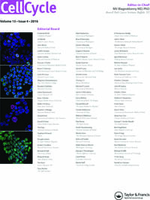
CELL CYCLE
metrics 2024
Advancing the Frontiers of Cell Biology.
Introduction
CELL CYCLE, an esteemed journal published by Taylor & Francis Inc., stands at the forefront of biological research, focusing on the intricate mechanisms of cell proliferation, molecular biology, and developmental biology. With an ISSN of 1538-4101 and an E-ISSN of 1551-4005, this journal has established its influence in the field with a commendable impact factor reflecting its rigorous peer-review process and high-quality publications. Notably, in 2023, it achieved a Q1 ranking in Medicine (miscellaneous) and a Q2 ranking in both Cell Biology and Developmental Biology, marking its vital role in advancing scientific understanding and innovation. Operating within a converged framework from 2002 to 2024, CELL CYCLE caters to a diverse audience of researchers, professionals, and students eager to explore contemporary findings and emerging trends. The journal's objective is to disseminate groundbreaking research that enhances our understanding of cellular mechanisms, fostering collaboration and innovation. Although not an open-access journal, it remains a premier source for those engaged in cell cycle research, and its contributions have significant implications for fields such as healthcare, biotechnology, and genetics.
Metrics 2024
 0.953.404.40170
Metrics History
Rank 2024
Scopus
IF (Web Of Science)
JCI (Web Of Science)
Quartile History
Similar Journals

CELL RESEARCH
Connecting Research to Real-World ImpactCELL RESEARCH is a premier peer-reviewed journal dedicated to advancing the field of cell biology and molecular biology, published by SpringerNature. With an impressive impact factor and consistently ranking in the Q1 quartile for both cell biology and molecular biology, this journal serves as a pivotal resource for researchers, professionals, and students seeking to explore the latest discoveries and advancements in cellular mechanisms and their implications for health and disease. Since its inception in 1996, CELL RESEARCH has cultivated a distinguished reputation, currently boasting ranks in the top percentile of Scopus categories, reaffirming its influence and relevance to the scientific community. Although it is not an Open Access journal, its rigorous selection process ensures the publication of high-quality articles that contribute significantly to our understanding of life sciences. For those deeply engaged in the realms of biochemistry, genetics, and molecular biology, CELL RESEARCH is an essential conduit of innovative research and critical insights.
NATURE REVIEWS MOLECULAR CELL BIOLOGY
Advancing the frontiers of molecular and cell biology.NATURE REVIEWS MOLECULAR CELL BIOLOGY, published by NATURE PORTFOLIO, stands as a seminal journal in the fields of cell and molecular biology, with a significant impact factor that underscores its influence and reputation within the scientific community. Established in 2000 and continuing its legacy into 2024, this journal delivers comprehensive reviews that synthesize current knowledge and advancements in molecular and cellular processes. Respected for its high-quality articles, it has maintained a prestigious Q1 ranking in both Cell Biology and Molecular Biology categories as of 2023. With an exceptional Scopus ranking, taking the top position in its category, it attracts a readership of prominent researchers, professionals, and students eager to stay abreast of groundbreaking discoveries and methodologies. Although it does not offer Open Access, subscribers benefit from exclusive access to vital insights that foster innovative research approaches and advancements in the life sciences. The journal’s objective is to bridge the gap between research and application, providing indispensable resources to its audience while contributing to the global conversation on molecular and cellular biology.

JOURNAL OF BIOLOGICAL CHEMISTRY
Unveiling Molecular Mysteries, One Study at a TimeJOURNAL OF BIOLOGICAL CHEMISTRY, published by Elsevier, is a premier interdisciplinary journal dedicated to advancing our understanding of biochemistry, cell biology, and molecular biology. With a prestigious history dating back to 1945 and an impressive convergence of research expected to continue through 2024, this journal holds a Q1 ranking in all three of its core categories, signaling its critical influence in the respective fields, supported by a robust Scopus ranking that places it among the top echelons of internationally recognized research. Although currently not available as Open Access, the journal is essential for researchers and professionals looking to stay abreast of the latest breakthroughs and innovations in biochemical research. With a deep commitment to scientific rigor and a focus on diverse topics ranging from cellular processes to molecular mechanisms, the Journal of Biological Chemistry serves as a vital resource for the academic community, shaping the future of biological sciences.
Cancer Cell International
Exploring New Horizons in Cancer TreatmentCancer Cell International, published by BMC, is a transformative open-access journal established in 2001, dedicated to advancing the field of oncology and cancer research. With its ISSN number not specified and an E-ISSN of 1475-2867, the journal proudly operates from the United Kingdom, located at CAMPUS, 4 Crinan St, London N1 9XW, England. Renowned for its rigorous peer-review process, Cancer Cell International has made significant strides, securing a Q2 ranking in Cancer Research and Q1 rankings in both Genetics and Oncology as of 2023. It ranks impressively in Scopus, featuring in the top quintile of Genetics (#37/347) and Oncology (#52/404), indicating its importance within the scientific community. The journal's broad scope caters to a diverse array of topics within cancer biology, making it an invaluable resource for researchers, professionals, and students seeking to stay at the forefront of cancer science. With a commitment to disseminating high-quality research, Cancer Cell International invites scholars to explore innovative findings and contribute to the collective effort of combating cancer.

Cell Reports
Fostering Collaboration for a Healthier TomorrowCell Reports is a prestigious open-access journal published by CELL PRESS that has firmly established itself as a leading voice in the fields of Biochemistry, Genetics, and Molecular Biology. Since its inception in 2012, the journal has provided an innovative platform for rapid dissemination of cutting-edge research, ensuring that high-quality findings are accessible to a global audience. With an impressive impact factor and ranking within the top 10% in its category, as reflected by its Q1 ranking in Scopus, Cell Reports serves a vital role in advancing scientific knowledge and fostering collaboration among researchers. The journal's commitment to the open-access model not only enhances visibility but also encourages the sharing of critical advancements in molecular biology. Situated in the Netherlands, its contributions are recognized worldwide, making Cell Reports an indispensable resource for scientists aiming to stay at the forefront of their fields and facilitate breakthroughs that may shape the future of biomedicine.
MOLECULAR AND CELLULAR BIOLOGY
Championing High-Impact Research in Cellular DynamicsMOLECULAR AND CELLULAR BIOLOGY, published by TAYLOR & FRANCIS INC, stands as a preeminent platform for researchers, professionals, and students engaged in the dynamic field of molecular and cellular biology. Established in 1981 and ongoing into 2024, the journal features cutting-edge research that spans across vital sub-disciplines, garnering a strong impact in its contributions to the scientific community. With an impressive Q2 ranking in Cell Biology and Q1 ranking in Molecular Biology for 2023, it consistently publishes high-quality articles that reflect the latest advancements and discoveries within the field. The journal is particularly well-regarded for its rigorous peer-review process and commitment to scientific excellence, making it an invaluable resource for those seeking to deepen their understanding of molecular mechanisms and cellular processes. Although not open access, the journal offers diverse access options for researchers to reach the latest findings. By maintaining a strong focus on biochemistry, genetics, and molecular biology, MOLECULAR AND CELLULAR BIOLOGY remains essential reading for anyone looking to contribute to or stay informed about significant developments within this pivotal area of study.
JOURNAL OF CELLULAR BIOCHEMISTRY
Transforming Knowledge into Breakthroughs in Cellular BiochemistryJournal of Cellular Biochemistry is a premier academic journal dedicated to advancing the field of biochemistry and cellular biology. Published by Wiley, this influential journal has a significant impact factor that underscores its relevance and authority within the scientific community. With its ISSN 0730-2312 and E-ISSN 1097-4644, the journal has been on the frontier of research since its inception in 1982, and is expected to continue publishing cutting-edge studies through 2024. As evidenced by its ranking in the 2023 Scopus Quartiles, it holds a rank of Q2 in Biochemistry and Q3 in both Cell and Molecular Biology, placing it among the top tiers of scientific journals in these disciplines. The Journal of Cellular Biochemistry serves as a vital resource for researchers, professionals, and students alike, providing a platform for the dissemination of innovative ideas and findings that shape our understanding of cellular processes and biochemical pathways. Though it does not currently offer Open Access options, its robust peer-review process ensures that each publication meets the highest academic standards, thus solidifying its esteemed position in the landscape of biochemical research.

Molecular Cell
Elevating Scientific Standards in Molecular and Cell Research.Molecular Cell, published by Cell Press, is a leading journal in the fields of cell biology and molecular biology. Established in 1997, this prestigious journal boasts a significant impact within the scientific community, evidenced by its impressive 2023 Scopus rankings, placing it in the top 2% of its field (Rank #10/410 in Molecular Biology, Rank #12/285 in Cell Biology). With a focus on cutting-edge research that bridges the gap between molecular genetics and cellular function, Molecular Cell serves as an essential platform for the dissemination of vital findings and innovative methodologies. Although it follows a traditional publishing model without Open Access options, its rigorous peer-review process and high standards ensure that articles published within these pages are of the utmost quality, making it an invaluable resource for researchers, professionals, and students alike seeking to stay at the forefront of scientific discovery. The journal's address is 50 Hampshire St, Floor 5, Cambridge, MA 02139, United States, reinforcing its commitment to fostering scientific excellence and collaboration.

CELLULAR SIGNALLING
Elevating Insights into Cellular CommunicationCELLULAR SIGNALLING, published by Elsevier Science Inc, is a premier journal within the realm of Cell Biology, boasting an impressive Q2 category ranking as of 2023. With an ISSN of 0898-6568 and an E-ISSN of 1873-3913, the journal has established itself as a critical platform for advancing the understanding of cellular mechanisms and signal transduction pathways since its inception in 1989. Covering a vast array of topics in Biochemistry, Genetics, and Molecular Biology, it ranks notably at 87 out of 285 in the Scopus list, placing it in the 69th percentile among its peers. The journal serves as an invaluable resource for researchers, professionals, and students seeking high-quality, impactful studies that drive forward the field of cellular biology. While it operates under traditional subscription access, its highlights include rigorous peer-reviewed articles, reviews, and insights that continue to shape current scientific discourse.
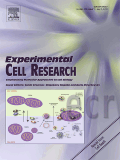
EXPERIMENTAL CELL RESEARCH
Illuminating the Complexities of Cellular LifeEXPERIMENTAL CELL RESEARCH is a highly respected journal published by Elsevier Inc, specializing in the dynamic and ever-evolving field of Cell Biology. With an impact factor positioned in the Q2 quartile for 2023, it ranks at the 124th position out of 285 in the Scopus Ranks, indicating a solid reputation among peers in the domains of biochemistry, genetics, and molecular biology. Since its inception in 1950, the journal has contributed significantly to the dissemination of groundbreaking research, providing a platform for studies that explore the nuances of cellular mechanisms, processes, and experimental methodologies. Although the journal currently does not offer open access, its commitment to high-quality, peer-reviewed research continues to attract submissions from leading scientists and scholars across the globe. Researchers, professionals, and students alike will find this journal an invaluable resource for keeping abreast of current developments and innovative breakthroughs in cellular science.