CELL TRANSPLANTATION
metrics 2024
Transforming transplantation through innovative research.
Introduction
CELL TRANSPLANTATION is a premier multidisciplinary journal dedicated to advancing the field of regenerative medicine and transplantation, published by SAGE PUBLICATIONS INC. Since its initiation in 1992 and embracing an open-access model since 2017, the journal aims to disseminate high-quality research that covers both clinical and experimental studies on cell and tissue transplantation. With a notable impact reflected in its 2023 Q2 ranking in Biomedical Engineering and significant standings in Cell Biology and Transplantation, CELL TRANSPLANTATION serves as a vital resource for researchers, practitioners, and students alike. The journal's commitment to fostering innovation is evident in its diverse contributions that address the complexities of tissue engineering, immunology, and regenerative therapies, inviting readers to engage with cutting-edge science that is poised to transform medical practices and improve patient outcomes. The journal's insightful articles and research findings make it a crucial platform for knowledge exchange within the vibrant scientific community.
Metrics 2024
 0.703.204.10114
Metrics History
Rank 2024
Scopus
IF (Web Of Science)
JCI (Web Of Science)
Quartile History
Similar Journals
Vestnik Transplantologii i Iskusstvennyh Organov
Empowering collaboration in the science of transplantation.Vestnik Transplantologii i Iskusstvennyh Organov, published by the Federal Research Center Transplantology & Artificial Organs V I Shumakov, is an esteemed open access journal that has been disseminating critical research in the fields of transplantation and immunology since 2009. With an ISSN of 1995-1191 and E-ISSN 2412-6160, this journal serves as a vital resource for academics and practitioners alike, offering insights into current trends, innovations, and methodologies in organ transplantation. The journal is indexed in prominent databases, holding a Q4 category in Immunology and Allergy and a Q3 in Transplantation as of 2023, ranking 42nd out of 54 in the field of Medicine - Transplantation, and 208th out of 233 in Medicine - Immunology and Allergy. Through its commitment to open access publishing and its strategic focus on advancing the science of transplantology, Vestnik Transplantologii i Iskusstvennyh Organov contributes significantly to the global body of knowledge, promoting collaboration and engagement among researchers, healthcare professionals, and students from around the world.

Stem Cell Research & Therapy
Advancing the Frontiers of Regenerative MedicineStem Cell Research & Therapy is an esteemed international journal published by BMC, specializing in the rapidly advancing fields of stem cell research and regenerative therapies. Since its inception in 2010, the journal has embraced an Open Access model, ensuring that vital research is readily accessible to a global audience. With a significant impact in the scientific community, it holds Q1 quartile rankings in prestigious categories such as Biochemistry, Genetics and Molecular Biology, Cell Biology, and Molecular Medicine, highlighting its critical role in promoting groundbreaking research. The journal’s high Scopus rankings—placing it in the top echelons of its fields—reflect its commitment to publishing high-quality, peer-reviewed studies that advance our understanding of stem cell biology and therapeutic applications. Aimed at researchers, healthcare professionals, and students alike, Stem Cell Research & Therapy is an indispensable resource for those dedicated to the exploration and innovation within this transformative area of science.
Journal of Stem Cells & Regenerative Medicine
Connecting Knowledge to Practice in Regenerative MedicineThe Journal of Stem Cells & Regenerative Medicine is a leading publication dedicated to the advancing field of stem cell research and regenerative medicine. Established in India and published by JOURNAL STEM CELLS & REGENERATIVE MEDICINE, this Open Access journal has been available since 2007, providing researchers and practitioners with free and unrestricted access to high-quality articles. With an ISSN of 0973-7154, the journal is indexed in Scopus, featuring a wide array of topics and insights into biochemistry, biotechnology, cell biology, and molecular biology, as denoted by its relevant quartile rankings. This journal is committed to bridging the gap between laboratory research and clinical applications, making significant contributions to the scientific community. The convergence of innovative studies from 2010 to 2024 positions it as an invaluable resource for those looking to stay at the forefront of stem cell and regenerative medicine research.
CYTOTECHNOLOGY
Exploring Cytotechnological Frontiers: Where Research Meets Application.CYTOTECHNOLOGY, an esteemed journal published by Springer, stands as a vital resource in the fields of Bioengineering, Biomedical Engineering, and Biotechnology. With an impact factor reflective of its solid position within academia, this journal encompasses a broad scope dedicated to the advancement of cytotechnological research and applications from its inception in 1987 through to its latest volumes in 2024. Based in the Netherlands, it is committed to providing researchers, professionals, and students with high-quality, peer-reviewed articles that contribute to the understanding and innovations in cytotechnology. Although currently not open access, CYTOTECHNOLOGY has garnered a commendable reputation, holding Q3 rankings in multiple categories, indicating its relevance and influence within the scientific community. Researchers are encouraged to submit their cutting-edge findings to share insights that can spark further advancements in this dynamic field.
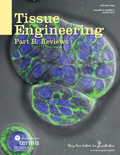
Tissue Engineering Part B-Reviews
Transforming Insights into Impactful Tissue Engineering.Tissue Engineering Part B-Reviews is a premier academic journal published by MARY ANN LIEBERT, INC, focusing on the interdisciplinary field of tissue engineering and regenerative medicine. With an impressive impact factor that places it in the Q1 category across multiple relevant fields—including Biochemistry, Bioengineering, Biomaterials, and Biomedical Engineering—this journal provides a vital platform for researchers and professionals to disseminate cutting-edge findings and comprehensive reviews. Covering a vast scope from 2008 to 2024, the journal is committed to advancing knowledge in the application of engineering principles to biological tissues, making it an indispensable resource for those at the forefront of biomedical innovation. While the journal does not currently offer open access options, its rigorous peer review process ensures high-quality contributions that are essential for academic and practical advancements. The journal's rankings in Scopus reflect its significance, catering to a diverse audience of students, researchers, and practitioners seeking the latest insights in this dynamic field.
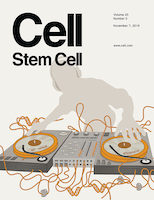
Cell Stem Cell
Elevating Research Standards in Stem Cell and Molecular BiologyCell Stem Cell, published by CELL PRESS, is a premier journal at the forefront of cellular biology, genetics, and molecular medicine. With an esteemed impact factor and recognized as a Q1 journal in multiple categories including Cell Biology, Genetics, and Molecular Medicine, it offers researchers, professionals, and students rigorous, peer-reviewed articles that shape the future of stem cell research and regenerative medicine. Located in Cambridge, MA, this journal has become an invaluable resource since its inception in 2007 and is committed to disseminating groundbreaking findings that drive innovation and understanding in these critical fields. By consistently ranking within the top percentile of its categories in Scopus, Cell Stem Cell remains an essential platform for scholarly communication, fostering collaboration among leading scientists worldwide. Although the journal does not currently offer open access options, its comprehensive insights are pivotal for anyone engaged in the study of stem cells and their applications.
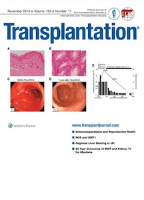
TRANSPLANTATION
Elevating Standards in Organ Transplantation Research.TRANSPLANTATION is a premier journal in the field of organ transplantation, published by Lippincott Williams & Wilkins, that has been a cornerstone of transplantation research since its inception in 1963. With an impressive impact factor cementing its status, this journal is categorized in the top quartile (Q1) of its field, currently ranking 6th out of 54 in the Scopus Medicine Transplantation category, placing it in the 89th percentile. The journal publishes original research, clinical studies, and reviews that significantly advance our understanding of transplantation science, ensuring that professionals, researchers, and students remain informed of the latest developments. Although it is not an open-access journal, it offers valuable insights that contribute to enhancing practice and improving outcomes in transplantation medicine, making it an essential resource for anyone involved in this dynamic and impactful discipline.

Transplantation and Cellular Therapy
Driving Excellence in Transplantation Research and Practice.Transplantation and Cellular Therapy is a leading journal published by Elsevier Science Inc, dedicated to advancing the fields of transplantation, immunology, cell biology, and molecular medicine. With its ISSN of 2666-6375 and E-ISSN 2666-6367, this journal serves as a vital resource for researchers, practitioners, and students aiming to stay at the forefront of innovative therapies and clinical practices in transplantation. As of 2023, it holds an impressive Q1 ranking in multiple categories, including Cell Biology, Hematology, Immunology and Allergy, Molecular Medicine, and Transplantation, reflecting its high impact and relevance in the scientific community. The journal, operating from its base in the Netherlands, supports Open Access publishing to enhance the dissemination and accessibility of groundbreaking research. Acknowledging the significance of transplantation and cellular therapies in modern medicine, Transplantation and Cellular Therapy is poised to propel future discoveries and developments in these critical domains.

American Journal of Stem Cells
Advancing regenerative medicine through groundbreaking research.American Journal of Stem Cells is a leading multidisciplinary publication dedicated to advancing the field of regenerative medicine and stem cell research. Published by E-CENTURY PUBLISHING CORP, this journal has gained recognition for its commitment to high-quality scientific contributions, achieving impressive rankings within the Scopus database, particularly in the areas of Biochemistry, Genetics and Molecular Biology, and Developmental Biology. With its focus on innovative research, the journal offers crucial insights and developments that appeal to researchers, professionals, and students alike. Although it is not an open-access journal, the American Journal of Stem Cells plays a pivotal role in disseminating impactful findings that define the future of cellular therapies and regenerative methodologies. The journal's past coverage from 2012 to 2017 reflects its dedication to advancing knowledge in key scientific disciplines, making it an essential resource for anyone engaged in the dynamic landscape of stem cell science.
Regenerative Medicine
Bridging Disciplines for Regenerative BreakthroughsRegenerative Medicine, published by Taylor & Francis Ltd, is a pivotal journal within the field of biomedical research, focusing on the innovative advances in regenerative and restored functions in human health. With an ISSN of 1746-0751 and an E-ISSN of 1746-076X, this esteemed journal boasts a commendable impact factor within its categories, notably holding the Q2 status in Embryology and Q3 in Biomedical Engineering as of 2023. Covering a broad spectrum of topics from stem cell research to tissue engineering, it serves as a crucial platform for interdisciplinary collaboration among researchers, professionals, and students dedicated to the regeneration of tissues and organs. Given its comprehensive scope from 2006 to 2024, the journal continues to attract high-quality manuscripts that advance the frontiers of knowledge in regenerative medicine. Researchers and practitioners alike are encouraged to engage with the latest findings and methodologies disseminated in this vital publication.