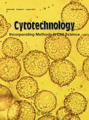
CYTOTECHNOLOGY
metrics 2024
Transforming Knowledge: Your Gateway to Cutting-Edge Cytotechnological Research.
Introduction
CYTOTECHNOLOGY, an esteemed journal published by Springer, stands as a vital resource in the fields of Bioengineering, Biomedical Engineering, and Biotechnology. With an impact factor reflective of its solid position within academia, this journal encompasses a broad scope dedicated to the advancement of cytotechnological research and applications from its inception in 1987 through to its latest volumes in 2024. Based in the Netherlands, it is committed to providing researchers, professionals, and students with high-quality, peer-reviewed articles that contribute to the understanding and innovations in cytotechnology. Although currently not open access, CYTOTECHNOLOGY has garnered a commendable reputation, holding Q3 rankings in multiple categories, indicating its relevance and influence within the scientific community. Researchers are encouraged to submit their cutting-edge findings to share insights that can spark further advancements in this dynamic field.
Metrics 2024
 0.482.002.1076
Metrics History
Rank 2024
Scopus
IF (Web Of Science)
JCI (Web Of Science)
Quartile History
Similar Journals

Cancer Cell International
Pioneering Insights in Cancer Cell BiologyCancer Cell International, published by BMC, is a transformative open-access journal established in 2001, dedicated to advancing the field of oncology and cancer research. With its ISSN number not specified and an E-ISSN of 1475-2867, the journal proudly operates from the United Kingdom, located at CAMPUS, 4 Crinan St, London N1 9XW, England. Renowned for its rigorous peer-review process, Cancer Cell International has made significant strides, securing a Q2 ranking in Cancer Research and Q1 rankings in both Genetics and Oncology as of 2023. It ranks impressively in Scopus, featuring in the top quintile of Genetics (#37/347) and Oncology (#52/404), indicating its importance within the scientific community. The journal's broad scope caters to a diverse array of topics within cancer biology, making it an invaluable resource for researchers, professionals, and students seeking to stay at the forefront of cancer science. With a commitment to disseminating high-quality research, Cancer Cell International invites scholars to explore innovative findings and contribute to the collective effort of combating cancer.
CELLULAR & MOLECULAR BIOLOGY LETTERS
Illuminating Cellular Processes Through Open Access ResearchCELLULAR & MOLECULAR BIOLOGY LETTERS, published by BMC, is a premier open-access journal dedicated to disseminating high-quality research in the fields of Biochemistry, Cell Biology, and Molecular Biology. Established in 1996, the journal has emerged as a leader in its domain, boasting an impressive Q1 ranking across three critical categories as of 2023, reflecting its significant impact within the scientific community. With an ISSN of 1425-8153 and an E-ISSN of 1689-1392, it offers accessible research findings to a global audience, having been open access since 2013. Situated in the United Kingdom, at CAMPUS, 4 CRINAN ST, LONDON N1 9XW, the journal continues to serve as a vital resource for researchers, professionals, and students, contributing to advancements in the understanding of cellular and molecular processes. By providing a platform for original research, reviews, and short communications, CELLULAR & MOLECULAR BIOLOGY LETTERS plays a crucial role in fostering dialogue and collaboration within the scientific community.
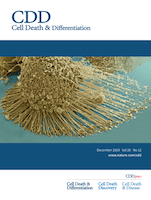
CELL DEATH AND DIFFERENTIATION
Unraveling the Mysteries of Cell Fate and FunctionCELL DEATH AND DIFFERENTIATION, published by SpringerNature, is a leading peer-reviewed journal that has been at the forefront of advancing knowledge in the fields of cell biology and molecular biology since its inception in 1994. With an impressive impact factor and ranking in the Q1 quartile for both categories as of 2023, it is recognized as an essential resource for researchers and professionals dedicated to understanding the intricate processes of cellular death and differentiation. The journal publishes high-quality original research articles, reviews, and commentaries, fostering an interdisciplinary dialogue among scientists exploring the molecular mechanisms that underpin these fundamental biological processes. With its commitment to excellence, CEL DEATH AND DIFFERENTIATION bridges gaps in knowledge and stimulates innovation within the scientific community. To access cutting-edge research from this prestigious journal, you may visit their website for subscription options and explore a wealth of knowledge that is crucial for advancing the frontiers of biological research.
Cellular and Molecular Bioengineering
Innovating at the Intersection of Biology and TechnologyCellular and Molecular Bioengineering, published by SPRINGER, is a prominent journal dedicated to the exploration of interdisciplinary approaches in the fields of biochemistry, genetics, and molecular biology. With an ISSN of 1865-5025 and an E-ISSN of 1865-5033, this journal has been a pivotal resource since its inception in 2009, showcasing groundbreaking research that combines innovative modeling and simulation techniques with cellular and molecular applications. As a Q2 journal in both Biochemistry, Genetics and Molecular Biology (miscellaneous) and Modeling and Simulation categories, it ranks favorably in the Scopus metrics, placing 62nd out of 324 in Mathematics_ Modeling and Simulation, and 69th out of 221 in General Biochemistry, Genetics and Molecular Biology. The journal's commitment to quality research and its contribution to advancing academic dialogue make it essential for researchers, professionals, and students seeking to stay at the forefront of bioengineering innovation. While it currently does not offer open access, it continues to provide significant insights and empirical studies that can help shape future developments in the field, reinforcing its role as a key player in cellular and molecular bioengineering.
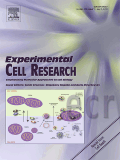
EXPERIMENTAL CELL RESEARCH
Illuminating the Complexities of Cellular LifeEXPERIMENTAL CELL RESEARCH is a highly respected journal published by Elsevier Inc, specializing in the dynamic and ever-evolving field of Cell Biology. With an impact factor positioned in the Q2 quartile for 2023, it ranks at the 124th position out of 285 in the Scopus Ranks, indicating a solid reputation among peers in the domains of biochemistry, genetics, and molecular biology. Since its inception in 1950, the journal has contributed significantly to the dissemination of groundbreaking research, providing a platform for studies that explore the nuances of cellular mechanisms, processes, and experimental methodologies. Although the journal currently does not offer open access, its commitment to high-quality, peer-reviewed research continues to attract submissions from leading scientists and scholars across the globe. Researchers, professionals, and students alike will find this journal an invaluable resource for keeping abreast of current developments and innovative breakthroughs in cellular science.
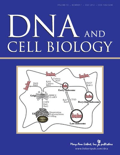
DNA AND CELL BIOLOGY
Empowering Scientific Progress Through Rigorous ResearchDNA AND CELL BIOLOGY, published by Mary Ann Liebert, Inc, is a distinguished journal in the realms of cell biology, genetics, and molecular biology, holding a notable position in its Q3 and Q2 quartile rankings across multiple academic categories as of 2023. With an ISSN of 1044-5498 and an E-ISSN of 1557-7430, this journal has been a pivotal platform for the dissemination of cutting-edge research since its inception in 1990, extending its coverage through 2024. Situated in the United States, the journal offers high-quality peer-reviewed articles, exploring significant advancements in biological sciences while fostering interdisciplinary collaborations within the research community. Though it currently does not offer open access, subscribed institutions and individual readers benefit from its rich repository of knowledge. The journal's rigorous standards and impactful content make it an essential resource for researchers, professionals, and students alike, aiming to stay at the forefront of discoveries influencing DNA and cellular dynamics.
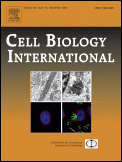
CELL BIOLOGY INTERNATIONAL
Elevating the Discourse in Cellular ResearchCELL BIOLOGY INTERNATIONAL is a prestigious academic journal dedicated to the rapidly evolving field of cell biology, publishing high-quality research aimed at understanding cellular processes and their implications in various biological contexts. Published by Wiley, this journal has established its relevance with an H-Index that reflects its robust citation impact and a commendable Scopus Rank of #111 out of 285 in the field of Biochemistry, Genetics, and Molecular Biology, positioning it in the 61st percentile. Although it operates under a traditional subscription model, its influential insights are crucial for researchers, professionals, and students alike who are seeking cutting-edge developments in cellular mechanisms and their applications in medicine. The journal spans contributions dating back to 1993, providing a rich archive of knowledge that continues to shape the discourse within the scientific community. With a strong category ranking of Q3 in Cell Biology and Q2 in Medicine (miscellaneous) as of 2023, CELL BIOLOGY INTERNATIONAL stands as a reliable platform for disseminating transformative science in the cellular domain.
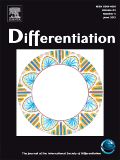
DIFFERENTIATION
Exploring the Complexities of Life's Building BlocksDIFFERENTIATION is a respected peer-reviewed journal published by Elsevier Science Ltd, dedicated to advancing knowledge in the fields of Cancer Research, Cell Biology, Developmental Biology, and Molecular Biology. With an established history since 1973, the journal continuously explores the intricacies of cellular and molecular processes that govern differentiation in biological systems, thus playing a pivotal role in shaping contemporary research directions. Currently indexed in the Q3 quartile across multiple relevant categories, it provides a crucial platform for researchers to disseminate their findings and engage with the scientific community. DIFFERENTIATION does not offer open access, but it remains a valuable resource for academics seeking to enhance their understanding of the fundamental mechanisms that underpin life sciences. By fostering a rigorous dialogue among scientists, it contributes significantly to the ever-evolving landscape of biochemistry and genetics.
Journal of Molecular Cell Biology
Empowering researchers with open access knowledge.The Journal of Molecular Cell Biology, published by Oxford University Press, is a leading platform for groundbreaking research in the fields of cell biology, genetics, and molecular biology. With an impact factor that places it in the Q1 and Q2 quartiles across key academic categories, this journal has become an essential resource for researchers and professionals committed to advancing our understanding of cellular mechanisms and genetic processes. Since becoming Open Access in 2019, it has enhanced the accessibility of high-quality research, fostering collaboration and knowledge sharing within the scientific community. The journal's Scopus rankings reflect its significant impact in the field, particularly in genetics and molecular biology, ranking within the top percentiles. With a convergence of research spanning from 2009 to 2024, the Journal of Molecular Cell Biology remains at the forefront of innovative discoveries and critical discussions, making it a vital resource for students, academics, and industry experts alike.
Stem Cell Research & Therapy
Pioneering Research in Regenerative TherapiesStem Cell Research & Therapy is an esteemed international journal published by BMC, specializing in the rapidly advancing fields of stem cell research and regenerative therapies. Since its inception in 2010, the journal has embraced an Open Access model, ensuring that vital research is readily accessible to a global audience. With a significant impact in the scientific community, it holds Q1 quartile rankings in prestigious categories such as Biochemistry, Genetics and Molecular Biology, Cell Biology, and Molecular Medicine, highlighting its critical role in promoting groundbreaking research. The journal’s high Scopus rankings—placing it in the top echelons of its fields—reflect its commitment to publishing high-quality, peer-reviewed studies that advance our understanding of stem cell biology and therapeutic applications. Aimed at researchers, healthcare professionals, and students alike, Stem Cell Research & Therapy is an indispensable resource for those dedicated to the exploration and innovation within this transformative area of science.