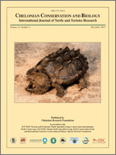
CHELONIAN CONSERVATION AND BIOLOGY
metrics 2024
Advancing chelonian conservation for a sustainable future.
Introduction
Chelonian Conservation and Biology is a distinguished academic journal dedicated to advancing the field of chelonian research, encompassing conservation, ecology, and biology of turtles and tortoises. Published by Allen Press Inc in the United States, this journal is well-regarded within the realm of Animal Science and Zoology, as well as Ecology, Evolution, Behavior and Systematics, holding a commendable Q3 ranking in both categories for 2023. With an ISSN of 1071-8443 and an E-ISSN of 1943-3956, the journal features a diverse range of articles aimed at professionals, researchers, and students, fostering an understanding of the critical challenges facing chelonians worldwide. Although not an open-access publication, Chelonian Conservation and Biology provides high-quality content, including original research, reviews, and case studies, encouraging engagement and collaboration among experts. With coverage extending from 2006 to 2024, the journal serves as a vital platform for disseminating knowledge and promoting conservation efforts essential to the survival of these remarkable species.
Metrics 2024
 0.280.901.4036
Metrics History
Rank 2024
Scopus
IF (Web Of Science)
JCI (Web Of Science)
Quartile History
Similar Journals
SCIENTIA MARINA
Pioneering Insights in Marine Ecology and BeyondSCIENTIA MARINA, an esteemed journal published by the Consejo Superior Investigaciones Cientificas (CSIC) in Spain, focuses on critical studies within the fields of Aquatic Science and Oceanography. With an Open Access policy since its inception in 1998, this journal facilitates widespread dissemination of research findings, significantly enhancing accessibility for researchers, professionals, and students alike. Currently, SCIENTIA MARINA holds a Q3 ranking in both categories for 2023, demonstrating its commitment to advancing knowledge in marine and aquatic environments. With a convergence of research years from 1996 to 2024, it remains a pivotal platform for innovative research, encompassing various aspects of marine biology, ecology, and environmental science. The journal serves as an essential resource for scholars aiming to contribute to the understanding and preservation of marine ecosystems.
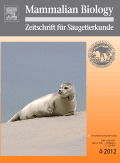
MAMMALIAN BIOLOGY
Connecting Scholars Through Open Access Mammalian StudiesMammalian Biology is a premier peer-reviewed journal published by Springer Heidelberg, dedicated to the field of mammalogy and related disciplines. With an impressive impact factor and categorized within the top quartiles (Q1 and Q2) of Animal Science, Zoology, as well as Ecology, Evolution, Behavior, and Systematics, this journal serves as a vital platform for researchers and scholars to disseminate high-quality research findings. The journal’s open access options enhance visibility and accessibility, vital in today's collaborative research environment. Since its inception in 2001, Mammalian Biology has fostered a comprehensive understanding of mammal ecology, behavior, and conservation strategies, ensuring its significant contribution to the field. With a broad scope that encompasses evolutionary studies to ecological assessments, it promises to be an essential resource for professionals and students alike who aim to keep abreast of the latest advancements in mammalian studies. Located in Germany, the journal continues to thrive, adapting to emerging scientific inquiries and supporting the ongoing dialogue in mammalogy until at least 2024.
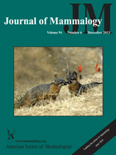
JOURNAL OF MAMMALOGY
Fostering Excellence in Mammal Science and EcologyJournal of Mammalogy, published by Oxford University Press Inc, is a premier journal dedicated to the field of mammalogy, providing a key platform for researchers and professionals interested in the biology, ecology, and conservation of mammals. With a prestigious impact factor reflected in its Q1 ranking in Animal Science and Zoology, and multiple Q2 rankings in related categories such as Ecology and Genetics for 2023, this journal is recognized for its significant contribution to advancing knowledge in the discipline. The journal features rigorous peer-reviewed articles, ensuring high-quality research output valuable for students, academia, and conservation efforts alike. While not an open-access journal, it offers comprehensive subscription options for institutions and individual readers, promoting accessibility to critical findings in the realm of mammal research. Established in the earlier years of the 20th century, the Journal of Mammalogy has continuously evolved, serving as an integral resource for disseminating innovative studies and insights that drive the future of mammalian sciences.

SPIXIANA
Exploring the Wonders of ZoologySPIXIANA is a distinguished journal dedicated to the fields of animal science and zoology, published by VERLAG DR FRIEDRICH PFEIL in Germany. With the ISSN 0341-8391, it has been contributing to the scientific community since its inception, with volumes converging from 2008 to 2024. Although currently listed in the Q4 quartile of the 2023 category rankings for Animal Science and Zoology, it provides a vital platform for researchers and professionals to disseminate significant findings in the field. Despite being unindexed in open access, SPIXIANA ensures that vital research reaches its audience, enhancing academic discourse and furthering our understanding of zoological sciences. Its commitment to sharing rigorous scientific research make it an important resource for anyone passionate about animal biology and conservation.
JOURNAL OF ZOOLOGY
Uncovering groundbreaking discoveries in animal science.JOURNAL OF ZOOLOGY, published by Wiley, stands as a premier scholarly journal in the fields of Animal Science and Zoology, renowned for its outstanding contributions to the knowledge of animal biology and ecology. With an impressive impact factor and a strong ranking in the Q1 category for Animal Science and Zoology, as well as Q2 for Ecology, Evolution, Behavior, and Systematics, the journal rigorously engages with both foundational research and groundbreaking discoveries since its inception in 1830. Located in Hoboken, New Jersey, this journal is dedicated to fostering the academic community's understanding of zoological sciences, providing access to important research that shapes wildlife conservation efforts and ecological studies. Although the journal does not currently offer open access options, it continues to attract significant attention, as evidenced by its strong Scopus rankings in related categories. Researchers, professionals, and students will find invaluable resources in the JOURNAL OF ZOOLOGY to advance their understanding of animal life and the ecological challenges it faces today.
STUDIES ON NEOTROPICAL FAUNA AND ENVIRONMENT
Exploring the Richness of Neotropical BiodiversitySTUDIES ON NEOTROPICAL FAUNA AND ENVIRONMENT is a distinguished academic journal published by Taylor & Francis Ltd, dedicated to advancing the fields of Animal Science, Zoology, and Ecology. With an ISSN of 0165-0521 and an E-ISSN of 1744-5140, this journal has been a significant outlet for scholarly research since its inception in 1976, continuing to provide critical insights into neotropical biodiversity and the environmental intricacies of this rich ecological region through 2024. Recognized in the Q3 category for both Animal Science and Ecology, the journal ranks at #232/490 in Animal Science and Zoology and #402/721 in Ecology, marking it as a valuable resource for researchers, professionals, and students interested in ecological and zoological studies. By offering a platform for innovative research and comprehensive reviews, the journal aims to bridge the gap between theory and practical application, facilitating a deeper understanding of the unique challenges and conservation strategies relevant to neotropical ecosystems. Although not an open-access journal, it plays a crucial role in fostering academic discourse and knowledge dissemination in its field, ensuring that critical advancements in understanding neotropical fauna and environmental dynamics reach a diverse and engaged audience.
ACTA CHIROPTEROLOGICA
Fostering Insights into Bat Behavior and ConservationACTA CHIROPTEROLOGICA is a prominent international journal dedicated to the field of bat research, published by the Museum & Institute of Zoology PAS-Polish Academy of Sciences. With its commitment to scholarly excellence, this journal serves as a vital platform for scientists, researchers, and students exploring various aspects of chiropterology, including ecology, behavior, conservation, and taxonomy of bats. The journal has been consistently recognized for its high-quality contributions, holding a commendable Q2 status in the categories of Animal Science and Zoology as of 2023, and ranking #191 out of 490 in Agricultural and Biological Sciences according to Scopus, placing it in the 61st percentile. Although ACTA CHIROPTEROLOGICA does not operate under an open access model, its rigorous peer-review process and focus on innovative research provide invaluable insights and advancements in the understanding of bat biology and conservation. This journal not only bridges the gap between theoretical knowledge and practical applications but also highlights the importance of protecting these key species within our ecosystems. With a history spanning over two decades, from its inception in 1999 to ongoing contributions anticipated through to 2024, ACTA CHIROPTEROLOGICA continues to be an essential reference for anyone invested in the vibrant field of chiropterological research.
Biology Letters
Fostering impactful research for the future of biology.Biology Letters, published by the esteemed Royal Society, stands at the forefront of research in the field of biological sciences, with a strong emphasis on innovative studies that bridge gaps across disciplines. Since its inception in 2005, the journal has garnered significant recognition, achieving a remarkable Q1 ranking in Agricultural and Biological Sciences (miscellaneous) and a percentile of 88th in the same category, according to Scopus rankings. Released in the United Kingdom, the journal offers a platform for authors to share concise research findings and theoretical perspectives that contribute meaningfully to the advancement of biological inquiry. Although not open access, the journal remains highly regarded in the academic community for its rigorous peer-review process and impactful content, making it an invaluable resource for researchers, professionals, and students dedicated to exploring the complexities of biology. With an ongoing commitment to excellence, Biology Letters continues to shape the future of biological sciences.

Journal of Fish and Wildlife Management
Navigating the future of fish and wildlife conservation.The Journal of Fish and Wildlife Management, published by the U.S. Fish & Wildlife Service, serves as a vital resource for scholars, researchers, and professionals in the fields of Animal Science, Ecology, and Conservation Biology. With its ISSN 1944-687X, this esteemed journal has been disseminating critical research findings since 2010, contributing significantly to the understanding of fish and wildlife conservation practices and their ecological impacts. Despite its Q3 category rankings in various disciplines as of 2023, it provides a platform for innovative research that influences policy and management strategies for biodiversity conservation. The journal, although not open access, remains committed to advancing the scientific discourse surrounding wildlife management with articles that emphasize practical conservation efforts and ecological sustainability. Readers can expect a diverse range of articles that promote best practices in the management and conservation of fish and wildlife resources, furthering our collective mission of preserving ecological health and biodiversity for future generations.
ORNITHOLOGICAL SCIENCE
Connecting science and conservation for our feathered friends.ORNITHOLOGICAL SCIENCE, published by the Ornithological Society of Japan in collaboration with the University of Tokyo, stands as a pivotal platform for advancing knowledge in the field of ornithology. With a keen focus on avian biology and conservation, this esteemed journal is dedicated to publishing high-quality research, reviews, and technical notes that explore the intricacies of bird science. Although currently categorized within the Q4 quartile in Animal Science and Zoology, the journal aims to elevate its standings by fostering scholarly communication and impactful scientific discourse. This journal has been consistently publishing since its inception in 2002, with a brief hiatus before resuming its invaluable contributions to the scientific community in 2009. Despite the absence of specific open access options, the journal remains a crucial resource for researchers, professionals, and students seeking to expand their understanding of avian ecology and behavior. Through its comprehensive scope, ORNITHOLOGICAL SCIENCE reflects the increasing importance of ornithological studies in addressing global biodiversity issues and conservation challenges.