ORNITHOLOGICAL SCIENCE
metrics 2024
Exploring the wonders of bird science and conservation.
Introduction
ORNITHOLOGICAL SCIENCE, published by the Ornithological Society of Japan in collaboration with the University of Tokyo, stands as a pivotal platform for advancing knowledge in the field of ornithology. With a keen focus on avian biology and conservation, this esteemed journal is dedicated to publishing high-quality research, reviews, and technical notes that explore the intricacies of bird science. Although currently categorized within the Q4 quartile in Animal Science and Zoology, the journal aims to elevate its standings by fostering scholarly communication and impactful scientific discourse. This journal has been consistently publishing since its inception in 2002, with a brief hiatus before resuming its invaluable contributions to the scientific community in 2009. Despite the absence of specific open access options, the journal remains a crucial resource for researchers, professionals, and students seeking to expand their understanding of avian ecology and behavior. Through its comprehensive scope, ORNITHOLOGICAL SCIENCE reflects the increasing importance of ornithological studies in addressing global biodiversity issues and conservation challenges.
Metrics 2024
 0.220.500.5022
Metrics History
Rank 2024
Scopus
IF (Web Of Science)
JCI (Web Of Science)
Quartile History
Similar Journals

Avian Biology Research
Exploring the intricacies of bird biology.Avian Biology Research, published by SAGE PUBLICATIONS LTD, is a leading journal dedicated to advancing the study of avian species through high-quality, peer-reviewed research. With an ISSN of 1758-1559 and an E-ISSN of 1758-1567, this journal has established itself as a vital resource within the fields of Animal Science and Zoology, as well as Ecology, Evolution, Behavior, and Systematics. The journal is currently ranked Q3 in both categories according to the 2023 release of the category quartiles, and it contributes significantly to the global understanding of avian biology, including behavior, physiology, and conservation efforts. Positioned within the competitive landscape of the Scopus rankings, it finds itself amidst a diverse array of research, with medical and environmental implications. As an open-access journal, Avian Biology Research ensures greater accessibility to its contents, fostering disseminative opportunities for researchers, professionals, and students alike. With a publication window spanning from 2008 to 2024, it continues to be an invaluable platform for the dissemination and dialogue of avian research, thereby enlightening future inquiries and driving scientific advancements in this crucial area of biology.
European Zoological Journal
Unveiling Insights into Animal Biology and ConservationEuropean Zoological Journal, published by Taylor & Francis Ltd, is an esteemed open-access publication dedicated to advancing the exciting field of zoology. Since its inception in 2017, this journal has progressively established itself as a vital resource for researchers, professionals, and students alike. With its Q2 ranking in Animal Science and Zoology as of 2023, the journal ranks in the 69th percentile among its peers, showcasing its influence and contribution to the discipline. The journal’s broad scope covers a wide range of topics within zoology, aiming to foster an understanding of animal biology and conservation efforts. As an open-access journal, it not only enhances the dissemination of knowledge but also encourages collaborative research across global communities. Situated in the United Kingdom, the European Zoological Journal invites submissions that contribute to the evolving discourse in animal sciences, and endeavors to support the scientific community in addressing pressing ecological challenges.
ORNIS HUNGARICA
Fostering collaboration through open access research.ORNIS HUNGARICA, an esteemed journal in the fields of Animal Science and Zoology as well as Ecology, Evolution, Behavior and Systematics, is published by Walter de Gruyter GmbH, a leading scientific publisher renowned for its commitment to disseminating high-quality research. Operating under an Open Access model since 2012, this journal provides invaluable access to scholarly articles, fostering collaboration and knowledge sharing among researchers and professionals. With its ISSN 1215-1610 and E-ISSN 2061-9588, ORNIS HUNGARICA has become a noteworthy platform for innovative studies and findings from Hungary and beyond, contributing significantly to the discourse in its field. As indicated by its Q3 ranking in Animal Science and Zoology and Q4 ranking in Ecology, the journal is recognized for its diverse research contributions, although it aims to expand its reach and relevance in future editions. Researchers and students alike will find in ORNIS HUNGARICA a dedicated resource for advancing knowledge and furthering the understanding of avian biology and ecology.
Avian Research
Fostering innovation in the study of our feathered friends.Avian Research is a premier, open-access journal dedicated to advancing the field of ornithology and avian studies. Published by KEAI PUBLISHING LTD since 2014, this journal aims to disseminate high-quality research covering a broad spectrum of topics related to bird biology, ecology, behavior, and conservation. With its impactful presence, rated as Q1 in Animal Science and Zoology and Q2 in Ecology, Evolution, Behavior and Systematics for 2023, Avian Research stands out as a pivotal resource for researchers, professionals, and students alike. The journal's dedication to open access ensures that valuable findings are readily available to a global audience, fostering collaboration and innovation within the scientific community. Located in Beijing, China, Avian Research invites contributions that advance our understanding of avian species and their environments, playing a critical role in promoting biodiversity and sustainable practices in avian conservation.
BIRD STUDY
Championing the cause of birds through rigorous research.BIRD STUDY, an esteemed journal published by Taylor & Francis Ltd, stands at the forefront of avian research, contributing significantly to the fields of ecology, evolution, behavior, and conservation. With its ISSN 0006-3657 and E-ISSN 1944-6705, this journal has been a cornerstone of ornithological studies since its inception in 1954 and continues to provide a critical platform for the dissemination of knowledge through 2024 and beyond. It holds a respectable Q3 quartile ranking in both Ecology, Evolution, Behavior and Systematics and Nature and Landscape Conservation, reflecting its pivotal role in the academic community. While the journal is not open access, it continues to attract submissions from a diverse array of researchers and professionals eager to share their findings on the intricate and dynamic interactions of birds within their ecosystems. As the global focus on biodiversity and conservation intensifies, BIRD STUDY remains dedicated to fostering knowledge and encouraging evidence-based practices that aim to protect avian species and their habitats.
JOURNAL OF ORNITHOLOGY
Unveiling Insights into Avian EcologyJOURNAL OF ORNITHOLOGY, published by Springer Heidelberg, is a leading international journal dedicated to the study of birds and their conservation. With an ISSN of 2193-7192 and an E-ISSN of 2193-7206, this journal serves as a crucial platform for disseminating innovative research focused on avian biology, ecology, and behavior, making significant contributions to the fields of Agricultural and Biological Sciences and Animal Science and Zoology, where it holds a commendable rank of #156 out of 490 in Scopus. Established from 2004 and continuing through 2024, the journal strives not only to advance academic scholarship but also to inform practical conservation efforts globally. While currently not open access, it remains a vital resource for researchers, professionals, and students seeking high-quality studies and findings that influence the understanding and preservation of bird species. The journal's commitment to excellence in science highlights its importance in ornithological research, offering insights that are both profound and actionable.
OSTRICH
Elevating Ecological Understanding Since 1930OSTRICH, a distinguished journal published by Taylor & Francis Ltd, serves as a pivotal platform for disseminating research in the fields of ecology, evolution, behavior, and systematics. With an ISSN of 0030-6525 and an E-ISSN of 1727-947X, this journal has been contributing vital insights to the scientific community since its inception in 1930. Maintained in the UK, OSTRICH holds a respectable Q3 category ranking in the 2023 Ecology, Evolution, Behavior, and Systematics quartiles and ranks 408th out of 721 within its scientific domain according to Scopus, showcasing a competitive position within the 43rd percentile. OSTRICH is committed to publishing high-quality research that informs conservation efforts and biodiversity studies, making it an essential resource for researchers, professionals, and students interested in avian biology and related ecological fields. While not currently an open-access journal, OSTRICH offers varied access options through institutions and libraries, further widening its reach and impact within the scientific community. We invite academics and practitioners to explore its valuable articles that drive forward innovations in avian research.
JOURNAL OF AVIAN BIOLOGY
Innovating research for the conservation of our feathered friends.Journal of Avian Biology, published by Wiley, is a leading journal in the field of animal science and zoology, with an impressive impact factor highlighting its significance in advancing our understanding of avian ecology and behavior. Since its inception in 1994, this journal has provided a vital platform for researchers, professionals, and students to share innovative studies and findings related to avian biology, contributing to a broader understanding of ecological dynamics and conservation strategies. Recognized in the Q1 category for Animal Science and Zoology and Q2 for Ecology, Evolution, Behavior and Systematics, it ranks 112th out of 490 in its primary field, demonstrating a strong percentile performance. The journal invites submissions that explore diverse aspects of avian research, fostering interdisciplinary discussions that are crucial for ongoing scientific inquiries. With both print and electronic formats, it maintains an accessible repository of knowledge for the global conservation community. Engage with the latest in avian studies through the Journal of Avian Biology and contribute to the evolution of this critical field.
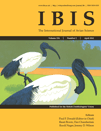
IBIS
Uncovering the secrets of ecology and evolution.IBIS, published by WILEY, stands as a prestigious journal in the field of animal science, zoology, and ecology since its inception in 1859. With a focus on innovative research that informs the scientific community on ecological dynamics, behavioral studies, and conservation strategies, IBIS fills a critical niche for researchers, professionals, and students alike. The journal is recognized for its robust impact factor and commands a Q1 ranking in three key categories as of 2023, demonstrating its influence and reach within the global academic landscape, particularly in Animal Science, Ecology, Evolution, Behavior and Systematics, and Nature and Landscape Conservation. Although not an open-access publication, its rigorous peer-review process ensures high-quality contributions that advance knowledge in these vital areas. Through interdisciplinary collaboration and comprehensive coverage of cutting-edge topics, IBIS remains an essential resource for those striving to understand and protect our natural world.

Journal of Vertebrate Biology
Enhancing global awareness through scientific inquiry.Journal of Vertebrate Biology, a reputable publication established by the Institute of Vertebrate Biology in the Czech Republic, serves as a vital platform for research across the fields of Animal Science and Zoology, Aquatic Science, and Ecology, Evolution, Behavior and Systematics. With its ISSN 2694-7684 and a commendable 2023 Q2 ranking in multiple categories, this open-access journal embraces innovative scientific inquiry and fosters academic discourse. The journal's commitment to disseminating high-quality research is reflected in its Scopus rankings, positioning it within the top quartile in several impactful areas. As it continues to converge its focus until 2024, researchers, professionals, and students alike are encouraged to engage with cutting-edge studies that advance our understanding of vertebrate biology. This publication stands out not only in its scholarly contributions but also in enhancing global awareness of biodiversity and conservation issues.