
Physical Chemistry Research
metrics 2024
Cultivating knowledge in statistical and nonlinear physics.
Introduction
Physical Chemistry Research, published by the Iranian Chemical Society, is an esteemed academic journal dedicated to advancing knowledge within the fields of *Fluid Flow and Transfer Processes*, *Physical and Theoretical Chemistry*, and *Statistical and Nonlinear Physics*. Since its inception in 2013, the journal has established a crucial platform for researchers, professionals, and students to share innovative findings and methodologies, enhancing collaboration and knowledge dissemination in the physical chemistry community. With impactful contributions recognized in Quartile 3 and Quartile 4 classifications across various categories, the journal is positioned to cultivate emerging research trends as it continues to converge through 2024. Researchers can benefit from diverse perspectives on crucial phenomena in physical chemistry, as the journal is indexed in prominent databases, further increasing accessibility and visibility. The *open access* policy ensures that cutting-edge research remains available to a broad audience, promoting the growth of the discipline globally.
Metrics 2024
 0.261.401.1018
Metrics History
Rank 2024
Scopus
IF (Web Of Science)
JCI (Web Of Science)
Quartile History
Similar Journals

JOURNAL OF THE CHEMICAL SOCIETY OF PAKISTAN
Advancing Chemistry, Enriching Knowledge.JOURNAL OF THE CHEMICAL SOCIETY OF PAKISTAN is a premier academic journal published by the Chemical Society of Pakistan, focusing on advancing the field of chemistry through rigorous research and scholarship. Established in 1996, this journal aims to disseminate high-quality research articles, reviews, and insights pertaining to various subfields of chemistry, making substantial contributions to both local and international scientific communities. With a current impact factor placing it in the Q4 category, the journal continues to foster discussions on emerging trends and innovations within the discipline. Additionally, it holds a Scopus rank of #305 out of 408, highlighting its growing influence despite being positioned in the 25th percentile. Although it is not an open-access journal, it provides a crucial platform for researchers and professionals in Pakistan and worldwide. The JOURNAL OF THE CHEMICAL SOCIETY OF PAKISTAN serves as a valuable resource for students, educators, and industry professionals alike, facilitating the exchange of knowledge and promoting advancements in chemical sciences.
Russian Journal of Physical Chemistry B
Pioneering research in chemical science.Russian Journal of Physical Chemistry B, published by MAIK NAUKA/INTERPERIODICA/SPRINGER, serves as a vital platform for the dissemination of novel research in the field of physical and theoretical chemistry. With an ISSN of 1990-7931 and an E-ISSN of 1990-7923, this journal has established itself in the academic landscape since its inception in 2008, continuing to publish groundbreaking studies that push the boundaries of chemical research through 2024. Ranked in the Q3 category in Physical and Theoretical Chemistry, it holds a Scopus Rank of 139/189, showcasing its significance despite a competitive field. The journal does not currently offer open access but remains dedicated to advancing knowledge and innovation within its niche, fostering collaboration among chemists, researchers, and educators. As a valuable resource for those seeking to stay abreast of the latest developments and theoretical advancements, the Russian Journal of Physical Chemistry B is an excellent choice for professionals and students alike.
CHEMICAL PHYSICS LETTERS
Exploring the Intersection of Chemistry and PhysicsCHEMICAL PHYSICS LETTERS, published by Elsevier, is a prestigious journal that has been at the forefront of advancing knowledge in the fields of physical and theoretical chemistry and physics since its inception in 1967. With an impressive impact factor reflective of its high-quality research output, this journal holds Q2 quartile rankings in both the Physical and Theoretical Chemistry and Physics and Astronomy categories for 2023. It is recognized as a key platform for disseminating groundbreaking findings, with Scopus rankings placing it within the top 76th and 66th percentiles in its respective categories. Researchers and professionals benefit from its insightful contributions and rigorous peer-review process, making it an essential resource for those engaged in cutting-edge chemical physics studies. Although the journal is not open access, it remains accessible through various institutional subscriptions, ensuring that a wide audience can explore its wealth of knowledge. Located in Amsterdam, Netherlands, the journal continues to drive innovation and collaboration across diverse scientific disciplines.
Journal of Saudi Chemical Society
Unveiling the Future of Chemistry with Every Publication.The Journal of Saudi Chemical Society, published by ELSEVIER, stands as a premier platform for advancing knowledge in the field of chemistry. Since its inception in 2009, this Open Access journal has garnered significant attention, securing a prestigious Q1 ranking in the Chemistry (miscellaneous) category for 2023, reflecting its position among the top journals in the discipline. With an impressive Scopus ranking of #66 out of 408 in General Chemistry, this journal boasts a commendable 83rd percentile, underscoring its impact and relevance in the global research community. The journal aims to disseminate high-quality research articles, reviews, and case studies, fostering innovation and collaboration among chemists and allied professionals. By enabling widespread access to cutting-edge research, the Journal of Saudi Chemical Society plays a crucial role in supporting the educational and professional development of students, researchers, and practitioners alike, making it an essential resource for anyone invested in the dynamic field of chemistry.
Indonesian Journal of Chemistry
Advancing Chemistry: Bridging Theory and PracticeIndonesian Journal of Chemistry (ISSN: 1411-9420), published by Gadjah Mada University, Department of Chemistry, is a premier platform for disseminating innovative research and advancements in the field of chemistry. Established as an Open Access journal since 2001, it promotes wide accessibility to high-quality scholarly articles, fostering collaboration and knowledge-sharing among researchers, professionals, and students in Indonesia and beyond. With an impact factor that places it in Q3 among miscellaneous chemistry journals and a Scopus ranking reflecting its emerging influence (Rank #248/408, 39th Percentile), the journal plays a significant role in enhancing the academic landscape of chemistry. Spanning diverse themes within the discipline, it invites contributions that bridge theoretical and practical aspects, thus contributing to the global conversation on chemical research and innovation. Located in Yogyakarta, Indonesia, the journal reflects a commitment to advancing scientific inquiry while addressing local and global challenges in chemistry.
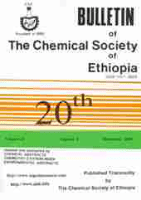
BULLETIN OF THE CHEMICAL SOCIETY OF ETHIOPIA
Exploring the Frontiers of Chemistry with Every PublicationBULLETIN OF THE CHEMICAL SOCIETY OF ETHIOPIA (ISSN: 1011-3924; E-ISSN: 1726-801X), published by the Chemical Society of Ethiopia, serves as a pivotal platform for the dissemination of innovative research and developments within the field of chemistry. Since its inception in 1996 and now an open access journal since 2012, it has provided researchers, academics, and students with unrestricted access to critical studies and findings, thus fostering collaboration and the advancement of knowledge in the discipline. The journal's current standing in the Q3 quartile in the 2023 Chemistry category underlines its commitment to maintaining high academic standards, while its Scopus ranking, positioned at #250 out of 408 in general chemistry, showcases its growing influence and contribution to the scientific community. Hailing from Ethiopia and targeted toward a global readership, the journal aims to highlight local and international research, engaging scholars and practitioners alike in discussions that propel the science of chemistry forward.
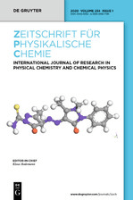
ZEITSCHRIFT FUR PHYSIKALISCHE CHEMIE-INTERNATIONAL JOURNAL OF RESEARCH IN PHYSICAL CHEMISTRY & CHEMICAL PHYSICS
Advancing the Frontiers of Chemical ScienceZEITSCHRIFT FUR PHYSIKALISCHE CHEMIE-INTERNATIONAL JOURNAL OF RESEARCH IN PHYSICAL CHEMISTRY & CHEMICAL PHYSICS, published by WALTER DE GRUYTER GMBH, is a highly regarded platform for researchers in the field of physical chemistry and chemical physics. With an ISSN of 0942-9352 and an E-ISSN of 2196-7156, this journal serves as a vital resource for the dissemination of original research, critical reviews, and insightful discussions that span theoretical and experimental investigations. Recognized for its quality, it holds a Q2 classification within the 2023 quartiles of Physical and Theoretical Chemistry and ranks 72nd out of 189 in the Scopus database, placing it in the 62nd percentile. The journal’s extensive publication history, originating from 1943, showcases its long-standing commitment to advancing the understanding of complex chemical phenomena. Although it currently does not offer open-access options, it continues to attract contributions from leading experts worldwide, making it essential reading for professionals, researchers, and students dedicated to pushing the frontiers of chemical science. The journal is located in Berlin, Germany, at Genthiner Strasse 13, D-10785 Berlin, Germany.
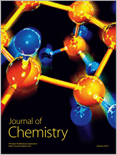
Journal of Chemistry
Fostering Collaboration in Chemical ResearchJournal of Chemistry, published by Hindawi Ltd, serves as a critical platform for advancing knowledge in the field of chemistry, particularly in its miscellaneous sub-disciplines. With an impressive 2023 Scopus Rank of #123 out of 408 and positioned in the Q2 quartile, this journal exemplifies a robust academic rigor that appeals to researchers, professionals, and students alike. It features articles related to innovative chemical research and developments, catering to a diverse audience eager to contribute to the growing body of literature in the chemical sciences. The journal has been operational from 2013 to 2024, and its Open Access model ensures that findings are easily accessible to a global audience, fostering collaboration and knowledge sharing. With a commitment to quality and relevance, the Journal of Chemistry continues to play a significant role in shaping contemporary chemical research and education.

ACS Physical Chemistry Au
Unlocking the potential of interdisciplinary science.ACS Physical Chemistry Au, published by the American Chemical Society, is a pioneering open-access journal that provides a dynamic platform for researchers and professionals in the field of physical chemistry and its interdisciplinary connections. Since its inception in 2021, the journal has made significant strides in disseminating high-quality research, evidenced by its impressive standings in various categories, including Q1 rankings in Chemistry (miscellaneous), Computational Theory and Mathematics, and Physical and Theoretical Chemistry as of 2023. With a commitment to enhancing the visibility and accessibility of scholarly work, ACS Physical Chemistry Au offers a robust Open Access model, ensuring that groundbreaking research is freely available to a global audience. The journal serves as an essential resource for researchers, students, and practitioners seeking to advance knowledge in computational theory, physical chemistry, and their applied sciences. With an ISSN of N/A and an E-ISSN of 2694-2445, the journal is poised to make a lasting impact in the academic community.
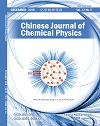
CHINESE JOURNAL OF CHEMICAL PHYSICS
Pioneering Research in Chemical Physics InnovationChinese Journal of Chemical Physics, published by the Chinese Physical Society, serves as a pivotal platform for advancing the field of chemical physics, encompassing groundbreaking research and innovative methodologies since its inception in 2000. With an ISSN of 1674-0068 and E-ISSN of 2327-2244, the journal has established itself within the academic community, reflected in its 2023 classification as Q3 in Physical and Theoretical Chemistry and a Scopus rank of #142 out of 189, representing the 25th percentile in this competitive field. Although it does not currently operate as an open-access publication, its commitment to disseminating pivotal scientific research continues to attract scholars and professionals alike. The journal aims to bridge the gap between theoretical principles and practical applications in chemical physics, thereby fostering collaboration and innovation. By contributing significantly to the discourse in this dynamic domain, the Chinese Journal of Chemical Physics remains an essential resource for researchers, professionals, and students eager to stay abreast of contemporary developments.