
Clinical and Investigative Orthodontics
Scope & Guideline
Advancing the Future of Orthodontics
Introduction
Aims and Scopes
- Orthodontic Treatment Efficacy:
The journal emphasizes studies that evaluate the effectiveness of various orthodontic treatments, including traditional braces, clear aligners, and surgical interventions. - Impact of Orthodontics on Quality of Life:
Research that investigates how orthodontic treatment affects the quality of life of patients, including psychological, aesthetic, and functional aspects, is a consistent focus. - Innovative Orthodontic Techniques:
The publication includes studies on novel techniques and technologies in orthodontics, such as the use of artificial intelligence, 3D printing, and advanced imaging methods. - Interdisciplinary Approaches:
The journal highlights the importance of interdisciplinary collaboration in orthodontics, incorporating perspectives from periodontology, oral surgery, and prosthodontics. - Patient-Centered Research:
There is a strong emphasis on patient perspectives, including their perceptions, satisfaction, and compliance with orthodontic treatments.
Trending and Emerging
- Use of Digital Technologies:
There is a growing trend towards incorporating digital technologies, such as intraoral scanning and 3D printing, in orthodontic practice, emphasizing their role in improving treatment outcomes. - Patient Satisfaction and Experience:
Research focusing on patient satisfaction and the subjective experience of orthodontic treatment is increasingly prominent, highlighting the importance of patient-centered care. - Biological Mechanisms of Tooth Movement:
Studies exploring the biological underpinnings of tooth movement, including genetic and cellular factors, are gaining attention, reflecting a deeper understanding of orthodontic mechanics. - Impact of Orthodontics on Systemic Health:
Emerging research is beginning to explore the connections between orthodontic treatment and systemic health outcomes, such as the relationship between oral health and overall well-being. - Orthodontic Treatment in Diverse Populations:
There is an increasing focus on understanding the unique orthodontic needs and outcomes in diverse populations, addressing disparities in access and treatment efficacy.
Declining or Waning
- Traditional Orthodontic Appliances:
There has been a noticeable decrease in studies focusing solely on traditional orthodontic appliances, as newer technologies and methods gain prominence. - General Orthodontic Knowledge Surveys:
While surveys assessing general knowledge about orthodontic treatments were once common, their frequency has diminished as the field shifts towards more specialized and advanced topics. - Historical Perspectives in Orthodontics:
Research focused on historical analysis or retrospective comparisons of techniques from previous decades has become less frequent, as the emphasis moves towards contemporary practices and innovations.
Similar Journals

Orthodontic Waves
Empowering orthodontic professionals with vital insights.Orthodontic Waves, an esteemed journal published by TAYLOR & FRANCIS LTD, serves as a vital resource for professionals and researchers in the field of orthodontics. Originally established in 2006, this journal has become a key platform for disseminating innovative research and advancements in orthodontic techniques and methodologies, although it has discontinued its coverage in Scopus since 2022. Although it currently holds a Scopus rank of #19 out of 25 in the Dentistry - Orthodontics category, reflecting a 26th percentile, it continues to provide valuable insights for its community through open-access options. By fostering a comprehensive understanding of orthodontic issues and treatment pathways, Orthodontic Waves aims to bridge the gap between research and clinical practice, making it an indispensable resource for those dedicated to the enhancement of dental health.
Orthodontics & Craniofacial Research
Elevating Clinical Practices through Cutting-edge ResearchOrthodontics & Craniofacial Research, published by WILEY, is a distinguished journal that serves as a vital resource for researchers, clinicians, and students in the fields of orthodontics, oral surgery, and craniofacial studies. With an impressive Q1 ranking in its specific categories, this journal showcases high-impact research that significantly contributes to advancing knowledge and innovative practices in these disciplines. The journal, which has been in circulation since 2000, is renowned for its rigorous peer-review process and its commitment to publishing original research, reviews, and clinical studies that inform clinical practice and foster academic development. While it maintains a strict subscription model, its accessibility and esteemed editorial board make it a cornerstone for professionals and scholars aiming to stay abreast of the latest advancements and findings in orthodontics and craniofacial research. With its Scopus rankings placing it in the top percentile of relevant categories, Orthodontics & Craniofacial Research is not just a publication but a platform that shapes the future of the field.
Dental Cadmos
Connecting practitioners with cutting-edge dental research.Dental Cadmos is a respected journal in the field of dentistry, focusing on areas such as Oral Surgery and Orthodontics. Published by EDIZIONI EDRA, this journal has been a vital resource for the dental community since its inception, with publication years spanning from 1965 to 1991 and 2007 to 2024. With a current categorization in the Q4 quartile for both Oral Surgery and Orthodontics, and notable Scopus rankings that reflect its standing within the dental field, the journal aims to disseminate innovative research, clinical practices, and case studies that advance the science of dentistry. Although it does not offer open access, it is crucial for researchers and professionals looking to keep abreast of contemporary developments. The journal is based in Milan, Italy, contributing valuable insights to the global dental landscape. Whether you are a practitioner, researcher, or student, Dental Cadmos is an essential platform for both foundational knowledge and pioneering advancements in the oral health domain.

AESTHETIC PLASTIC SURGERY
Shaping the Future of Aesthetic MedicineAesthetic Plastic Surgery, published by Springer, is a premier journal dedicated to advancing the field of cosmetic and reconstructive surgery. Since its inception in 1976, the journal has established itself as a vital resource for surgeons, researchers, and medical professionals, achieving a remarkable H-Index and ranking in the top percentile for surgery disciplines within Scopus. With an impressive impact factor and categorized in the Q1 quartile for Surgery, this journal is committed to publishing high-quality articles that encompass a wide array of topics within aesthetic procedures, innovative techniques, and patient outcomes. Although it does not offer open access, the journal remains pivotal for those seeking to stay updated with the latest research, trends, and practice modalities in aesthetic surgical care. With a global reach, catering to scholars from the United States and beyond, Aesthetic Plastic Surgery is an invaluable asset for anyone immersed in the transformative realm of plastic surgery.
CLINICAL AND EXPERIMENTAL DERMATOLOGY
Exploring Innovations in Skin Health and Treatment.CLINICAL AND EXPERIMENTAL DERMATOLOGY is a prominent journal in the field of dermatology, published by Oxford University Press. With an ISSN of 0307-6938 and an E-ISSN of 1365-2230, this journal has been a vital resource for researchers and practitioners since its inception in 1976. Recognized as a Q2 journal within the category of dermatology for 2023, it holds a respectable position, ranking #54 among 142 journals in this discipline, placing it in the 62nd percentile on Scopus. The journal is dedicated to publishing high-quality research that spans clinical and experimental aspects of dermatological science, making it an essential source of knowledge for advancing understanding and treatment of skin disorders. Although it operates on a traditional subscription model without open access options, its contributions to the field are significant, influencing both clinical practices and academic research. Researchers, clinicians, and students alike will find vital insights and contemporary themes presented in its pages, supporting ongoing education and innovation in dermatology.

Contemporary Clinical Dentistry
Bridging Academia and Practice in DentistryContemporary Clinical Dentistry, published by Wolters Kluwer Medknow Publications, is a pioneering open-access journal that has been disseminating high-quality research in the field of dentistry since 2010. With an ISSN of 0976-237X and E-ISSN 0976-2361, this journal serves as a valuable platform for sharing innovative findings across multiple dental specialties, including Oral Surgery, Orthodontics, and Periodontics. As evidenced by its Q3 ranking in these categories for 2023 and its Scopus rankings indicating a competitive presence in the field, Contemporary Clinical Dentistry plays a crucial role in advancing clinical practices and fostering collaboration among dental professionals. Based in India, the journal is committed to enhancing access to vital research through its open-access model, ensuring that researchers, practitioners, and students can readily engage with the latest advancements in the dental sciences. With a broad scope aimed at bridging the gap between academia and clinical practice, the journal not only contributes to the global conversation in dentistry but also empowers professionals to apply research insights effectively in their practice.

Australasian Orthodontic Journal
Leading the Charge in Orthodontic DiscoveryThe Australasian Orthodontic Journal, published by SCIENDO, is a prestigious open-access journal dedicated to advancing the field of orthodontics in the Australasian region and beyond. With an ISSN of 2207-7472 and E-ISSN 2207-7480, this journal has established itself as a vital resource for researchers, practitioners, and academics since achieving open-access status in 2021. The journal boasts an impressive Q2 ranking in Orthodontics, reflecting its commitment to high-quality research and impactful contributions to dental science. Its ongoing publication cycle from 2017 to 2024 ensures that the journal remains relevant and timely in addressing contemporary orthodontic challenges and innovations. Located in Australia and accessible globally, it aims to promote knowledge exchange and foster collaboration among orthodontic professionals. The Australasian Orthodontic Journal is an essential platform for those seeking to advance their understanding and practice of orthodontics in an increasingly dynamic health landscape.
Korean Journal of Orthodontics
Pioneering Research for Transformative Orthodontic PracticesThe Korean Journal of Orthodontics is a leading scholarly publication dedicated to the field of orthodontics, published by the Korean Association of Orthodontists. With an impressive ranking of Q1 in Orthodontics as of 2023, the journal is recognized for its significant contributions to the advancement of orthodontic research and practice. Spanning from 2008 to 2024, it offers a rich repository of peer-reviewed articles that cover a wide range of topics, including innovative treatment techniques, clinical practices, and advancements in orthodontic technology. Although it does not currently offer Open Access, the journal remains highly influential, reflected by its Scopus ranking as 9th out of 39 in the Dentistry Orthodontics category, placing it in the 78th percentile. By fostering the dissemination of high-quality research, the Korean Journal of Orthodontics serves as an essential resource for researchers, practitioners, and students in the orthodontic community and is poised to play a significant role in shaping the future of orthodontic treatment in South Korea and beyond.

Journal of Dermatology & Dermatologic Surgery-JDDS
Advancing Dermatologic Knowledge for a Healthier TomorrowJournal of Dermatology & Dermatologic Surgery (JDDS) is a premier open access journal published by Wolters Kluwer Medknow Publications since 2018. This journal serves as a vital platform for the dissemination of cutting-edge research and advancements in the field of dermatology and dermatologic surgery. With its ISSN 2352-2410 and E-ISSN 2352-2429, JDDS strives to present high-quality articles that encompass clinical studies, innovative surgical techniques, and comprehensive reviews, thereby catering to the interests of researchers, medical professionals, and students alike. The journal has gained recognition within the academic community, evidenced by its Scopus ranks, placing it 237th out of 551 in the Medicine - Surgery category and 70th out of 142 in Medicine - Dermatology. The open access model not only enhances visibility but also encourages global collaboration and knowledge sharing in the rapidly evolving field of dermatology. Targeting the needs of diverse audiences, JDDS continues to foster an environment for scholarly communication and contributes significantly to the advancement of dermatologic sciences.
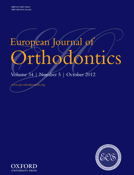
EUROPEAN JOURNAL OF ORTHODONTICS
Pioneering insights in orthodontics for over four decades.European Journal of Orthodontics, published by Oxford University Press, stands as a leading platform in the field of orthodontics, offering critical insights and advancements since its inception in 1979. With its esteemed Q1 ranking in the category of Orthodontics, this journal has earned its place among the top-tier publications, recognized for its significant contributions to research as reflected in its Scopus rank of 3/39 and a commendable percentile of 93%. The journal serves as an essential resource for researchers, professionals, and students alike, covering a wide array of topics within orthodontics, from clinical practices to innovative methodologies. Despite not having an open access option, its rigorously peer-reviewed articles enhance knowledge dissemination in the orthodontic community. Its enduring legacy and commitment to academic excellence make the European Journal of Orthodontics an indispensable asset for those dedicated to advancing the field.