Clinical Proteomics
metrics 2024
Fostering Global Collaboration in Proteomic Research
Introduction
Clinical Proteomics is a leading open-access journal, published by BMC since 2011, that aims to advance the field of proteomics by providing a platform for the dissemination of original research, critical reviews, and technological advancements in the analysis of proteins and their roles in health and disease. With an ISSN of 1542-6416 and E-ISSN 1559-0275, this esteemed journal covers a broad scope, converging years of research from 2004 to 2024. As a distinguished publication, it holds a Q1 ranking in Clinical Biochemistry and Q2 in both Molecular Biology and Molecular Medicine, reflecting its significance in the scientific community. Clinical Proteomics' commitment to open access ensures that its content is readily available to researchers, professionals, and students worldwide, facilitating the exchange of knowledge and fostering collaborative efforts in proteomic studies. Situated in the United Kingdom, this journal plays a pivotal role in shaping the future of biomedical research, appealing to anyone keen on the integration of proteomics in clinical practice and molecular investigation.
Metrics 2024
 1.012.803.9042
Metrics History
Rank 2024
Scopus
IF (Web Of Science)
JCI (Web Of Science)
Quartile History
Similar Journals

Cancer Informatics
Bridging the Gap Between Data and Cancer SolutionsCancer Informatics, published by SAGE PUBLICATIONS LTD, is a leading open-access journal dedicated to the integration of computational techniques and cancer research. Since its inception in 2005, this journal has become a vital resource for researchers, professionals, and students interested in the intersection of informatics and oncology. With an E-ISSN of 1176-9351 and a focus on the innovative application of data analysis in cancer research, Cancer Informatics serves to disseminate critical findings that aid in understanding cancer biology and enhancing treatment modalities. Recognized in the Q3 category for both Cancer Research and Oncology according to the 2023 metrics, it currently holds a Scopus ranking of #246 in Medicine _ Oncology and #172 in Biochemistry, Genetics and Molecular Biology _ Cancer Research, indicating its contribution to ongoing research in these fields. This journal not only supports open access to scientific findings but also aims to foster collaboration among interdisciplinary scholars worldwide, making it an essential platform for advancing the field of cancer informatics through cutting-edge research and innovative methodologies.
MOLECULAR & CELLULAR PROTEOMICS
Connecting researchers with cutting-edge proteomic discoveries.MOLECULAR & CELLULAR PROTEOMICS, published by Elsevier, stands as a premier journal in the fields of Biochemistry, Analytical Chemistry, and Molecular Biology, with a distinguished Q1 ranking reflecting its high impact and contribution to the scientific community. Established in 2002, this journal has consistently provided a platform for the latest research in protein science, merging molecular biology with advanced analytical techniques. With impressive Scopus rankings—41st in Biochemistry and 16th in Analytical Chemistry—it caters to an audience of researchers, professionals, and students eager to explore cutting-edge developments in proteomics. Although currently not designated as open access, the journal aims to foster knowledge dissemination through accessible research content. As it continues to evolve until 2024, MOLECULAR & CELLULAR PROTEOMICS is essential for anyone passionately engaged in the ever-expanding field of proteomics.
Journal of Pharmaceutical and Biomedical Analysis
Innovative insights for tomorrow's drug discovery.The Journal of Pharmaceutical and Biomedical Analysis, published by ELSEVIER and available in print and online formats, stands as a pivotal source of knowledge in the realms of Analytical Chemistry, Clinical Biochemistry, Drug Discovery, and Pharmaceutical Science. With an ISSN of 0731-7085 and an e-ISSN of 1873-264X, this journal is dedicated to publishing high-quality research that advances the understanding and development of analytical techniques in pharmaceuticals and biomedicine. The journal has earned a solid reputation, reflected in its Q2 category rankings across five distinct fields for 2023, and boasts impressive Scopus rankings, signaling its robust impact within the academic community. The Journal of Pharmaceutical and Biomedical Analysis serves as an essential resource for researchers, professionals, and students alike, providing actionable insights and fostering innovation that can directly influence future advancements in drug development and biomedical applications.

EUROPEAN JOURNAL OF MASS SPECTROMETRY
Bridging Theory and Application in Molecular AnalysisEuropean Journal of Mass Spectrometry, published by SAGE Publications Ltd, is a premier academic journal dedicated to advancing the field of mass spectrometry and its applications in atomic, molecular physics, and medical sciences. With an ISSN of 1469-0667 and an E-ISSN of 1751-6838, this journal serves as a vital platform for disseminating innovative research findings and methodologies that enhance our understanding of complex molecular structures and interactions. Operating from the United Kingdom, it has established itself within the academia by achieving a Q3 ranking in several categories, including Atomic and Molecular Physics and Spectroscopy, as per the 2023 category quartiles. Researchers and professionals can access a diverse range of articles that not only address theoretical aspects but also practical applications in various scientific disciplines. As the field continues to evolve, the European Journal of Mass Spectrometry plays a crucial role in fostering collaboration and knowledge sharing among experts, making it an indispensable resource for anyone invested in mass spectrometry and its interdisciplinary connections.
Metabolomics
Shaping the Future of Endocrinology and MetabolismMetabolomics is a distinguished academic journal published by SPRINGER, dedicated to advancing the field of metabolomics and its applications in various biochemistry-related domains. With a focus on innovative research in biochemistry, clinical biochemistry, and endocrinology, diabetes, and metabolism, this journal holds a significant position, being categorized in the Q2 quartile across multiple fields in the 2023 rankings. The journal is indexed with notable metrics: ranking 73rd in Endocrinology, Diabetes and Metabolism and 38th in Clinical Biochemistry on Scopus, demonstrating its impactful contribution to the scientific community. Established in 2005, Metabolomics provides a vital platform for researchers, professionals, and students to access high-quality research, facilitating advancements in our understanding of metabolic processes and their implications in health and disease. Access options include subscription-based reading, ensuring that valuable insights are available to a broad audience across the globe.

AMYLOID-JOURNAL OF PROTEIN FOLDING DISORDERS
Unraveling the Mysteries of AmyloidosisAMYLOID - JOURNAL OF PROTEIN FOLDING DISORDERS, published by Taylor & Francis Ltd, is a premier academic journal dedicated to the crucial field of protein folding disorders, offering a vital platform for researchers and healthcare professionals. With an impressive impact factor and classified in the Q1 quartile across both Internal Medicine and Miscellaneous Medicine categories, this journal ranks within the top 15% of its field according to Scopus, with a remarkable rank of #18 out of 167. Covering interdisciplinary approaches that intersect molecular biology, neuroscience, and clinical implications of amyloidosis and related disorders, AMYLOID encourages the dissemination of innovative research findings from 1994 to 2024 and beyond. Despite lacking Open Access options, the journal remains a significant resource for advancing the understanding of protein misfolding diseases, influencing clinical practice and therapeutic developments. With its longstanding commitment to high-quality research, AMYLOID continues to be an essential reading for scholars, practitioners, and students who aim to make significant contributions to this evolving field.
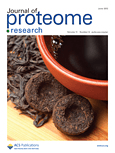
JOURNAL OF PROTEOME RESEARCH
Exploring the Depths of Molecular BiologyJOURNAL OF PROTEOME RESEARCH is a premier publication in the field of proteomics, disseminating cutting-edge research and methodologies that drive advancements in biochemistry and molecular biology. Published by the American Chemical Society, this esteemed journal boasts a robust impact, as evidenced by its Q1 rankings in both Biochemistry and miscellaneous Chemistry categories for 2023. With a reputation bolstered by a solid Scopus ranking—#64 out of 408 in General Chemistry and #80 out of 438 in Biochemistry—the journal serves as an essential resource for researchers, professionals, and students aiming to deepen their understanding of protein functions and interactions in biological systems. Although it does not operate under an open-access model, the JOURNAL OF PROTEOME RESEARCH remains a critical platform for scholarly discourse, committed to publishing high-quality, peer-reviewed articles through 2024 and beyond. Scholars are encouraged to engage with the pioneering studies and reviews that shape the future of proteomics.
Molecular Systems Biology
Connecting Ideas, Inspiring DiscoveriesMolecular Systems Biology, published by SpringerNature, is a premier open access journal that has been a cornerstone in advancing the fields of biological science since its inception in 2005. With its ISSN 1744-4292, this journal exemplifies high scholarly standards, boasting an impressive suite of impact factors, including Q1 rankings across various disciplines such as Agricultural and Biological Sciences, Biochemistry, Genetics and Molecular Biology, and more, highlighting its significant contribution to the scientific community. The journal offers robust access options to facilitate innovative research dissemination, reaching a global audience while maintaining a commitment to fostering collaboration and dialogue among researchers, professionals, and students. With a focus on integrating quantitative approaches to biological systems, Molecular Systems Biology plays a vital role in addressing complex biological questions, paving the way for groundbreaking discoveries and advancements in healthcare, environmental sustainability, and functional genomics.
PROTEOMICS
Exploring innovative methodologies in proteomics.PROTEOMICS is a leading journal focused on the rapidly evolving field of proteomics, published by WILEY in Germany. With a solid reputation established since its inception in 2001, it has continually contributed to the understanding of protein functions and interactions within biological systems. As part of its commitment to academic excellence, PROTEOMICS is ranked in the second quartile for both Biochemistry and Molecular Biology categories (2023), reflecting its significant influence in advancing research in these areas. Although it does not currently provide open access options, it remains a vital resource for researchers, professionals, and students keen to explore innovative methodologies and findings in proteomic research. By publishing groundbreaking studies that bridge theoretical knowledge with practical applications, PROTEOMICS plays a crucial role in enhancing our understanding of molecular processes and driving forward advancements in the life sciences.
Journal of Proteomics
Shaping the future of biochemistry through proteomics.Journal of Proteomics, published by Elsevier, is an esteemed peer-reviewed journal dedicated to advancing research in the field of proteomics, with broad implications for biochemistry and biophysics. Established in 2008, the journal has continuously evolved, embracing innovative methodologies and technologies that facilitate protein analysis from a variety of biological systems. With its current standing in the Q2 category for both biochemistry and biophysics as of 2023, it is recognized as a significant contributor to scientific literature. The journal publishes original research articles, reviews, and methodological advancements, providing invaluable insights for researchers, professionals, and students alike. Although it does not offer open access, the journal remains a crucial platform for disseminating knowledge that informs various applications, ranging from drug development to disease understanding. As it converges towards 2024, the Journal of Proteomics continues to solidify its role in shaping the future of proteomic research through rigorous scientific inquiry and innovation.