
Conimbriga-Revista de Arqueologia
metrics 2024
Exploring the Depths of Portugal's Archaeological Heritage
Introduction
Conimbriga-Revista de Arqueologia is a distinguished open-access journal dedicated to the field of archaeology, published by COIMBRA UNIVERSITY PRESS. Since its inception, the journal has fostered a vibrant intellectual community focused on the exploration and dissemination of archaeological research, particularly emphasizing studies relevant to the rich historical and cultural heritage of Portugal and beyond. With its open access model established in 2014, it has become a vital resource for researchers, professionals, and students to share their findings without access barriers, encouraging collaboration and knowledge exchange. Despite the absence of specific metrics such as the HIndex and Scopus rankings, the journal is recognized for its commitment to high-quality scholarship and its role in advancing archaeological discourse. Positioned within the scholarly landscape, Conimbriga-Revista de Arqueologia serves as a crucial platform for the publication of innovative research, reviews, and critical essays, making it an essential journal for those invested in the archaeological sciences.
Metrics 2024
 -0.300.20-
Metrics History
Rank 2024
JCI (Web Of Science)
Quartile History
Similar Journals

Lanx-Journal of the Scuola di Specializzazione in Archeologia of the University of Milan
Advancing archaeological scholarship for a global audience.Lanx-Journal of the Scuola di Specializzazione in Archeologia of the University of Milan, published by Milano University Press, is a distinguished platform dedicated to the field of archaeology. Committed to advancing archaeological research and scholarship, this Open Access journal has been available to the global academic community since 2008, facilitating easy dissemination of innovative ideas and findings. With a strong emphasis on promoting interdisciplinary dialogue, the journal covers a wide range of topics from classical archaeology to contemporary practices, making it an invaluable resource for researchers, professionals, and students in the field. Situated in the historic city of Milan, it aims to contribute to the preservation and understanding of cultural heritage through rigorous academic inquiry and collaboration.

Yorkshire Archaeological Journal
Unearthing Yorkshire's Rich HeritageYorkshire Archaeological Journal, published by Routledge Journals, Taylor & Francis Ltd, stands as a pivotal resource in the field of archaeology, particularly focused on the rich heritage and archaeological research within the Yorkshire region of the United Kingdom. With a dedicated ISSN of 0084-4276 and an E-ISSN of 2045-0664, this journal provides both researchers and practitioners valuable insights into archaeological discoveries, methodologies, and theoretical frameworks. While it holds a Q3 ranking in both Archaeology (Arts and Humanities) and Archaeology (Social Sciences), its contributions remain significant for advancing discussions and knowledge within the discipline. The journal's archival depth, converging from as early as 1980 and continuing robustly into 2024, showcases a commitment to fostering academic discourse and exploration of archaeological heritage. Although it does not currently offer open access, its rigorous peer-reviewed articles make it an essential reference for academics, professionals, and students alike who are eager to deepen their understanding of archaeology and its applications.

Revista de Arqueologia Historica Argentina y Latinoamericana
Fostering Interdisciplinary Dialogues in Archaeological ScholarshipRevista de Arqueologia Historica Argentina y Latinoamericana is a vital scholarly journal dedicated to the field of archaeology, with a particular focus on the historical dimensions of Argentina and Latin America. Published by the Assoc Professional Archaeologists Argentine Republic, this open-access journal has been enriching the archaeological discourse since 2007, making its valuable content freely accessible to researchers, professionals, and students around the globe. With an ISSN of 1851-3190 and an E-ISSN of 2344-9918, the journal aims to foster a deeper understanding of the archaeological heritage of the region by publishing innovative research articles, critical reviews, and methodological advancements in the study of historical archaeology. Positioned as a prominent platform for scholarship, it plays a crucial role in advancing archaeological knowledge while promoting interdisciplinary approaches within the field.

Lucentum
Empowering Scholars, Enriching MindsLucentum is a distinguished open-access journal published by Universidad de Alicante, focusing on the interdisciplinary fields of Archeology, History, and Paleontology. Since its inception in 1982, it has established itself as a vital platform for scholars and researchers to disseminate their findings, contributing significantly to the academic landscape in Spain and beyond. The journal's notable rankings, including Q1 status in History and Q2 in Archeology, reflect its commitment to high-quality scholarship and rigorous peer review. With an impressive impact factor and recognition in Scopus, Lucentum serves as an essential resource for professionals, students, and historians, fostering a deeper understanding of cultural and historical contexts through a wealth of interdisciplinary research. The journal continues to embrace open access, ensuring that critical knowledge is freely available to the global research community.

Cuadernos de Prehistoria y Arqueologia-Universidad Autonoma de Madrid
Bridging Disciplines in Prehistoric StudiesCuadernos de Prehistoria y Arqueologia-Universidad Autonoma de Madrid is a distinguished academic journal dedicated to the fields of archaeology and prehistory, published by the Universidad Autonoma de Madrid, Departamento de Prehistoria y Arqueología. With an ISSN of 0211-1608, this journal plays a crucial role in disseminating significant research findings and theoretical advancements within these domains. Recognized for its scholarly excellence, it holds impressive quartile rankings in 2023, including Q2 in Archaeology and Q1 in History, reflecting its high impact within the academic community. While currently not an open-access publication, Cuadernos de Prehistoria y Arqueologia provides valuable insights to researchers, professionals, and students engaged in the exploration of human history and cultural heritage from 2018 to 2024 and beyond. With a commitment to fostering interdisciplinary dialogue, this journal serves as an essential platform for innovative studies and comprehensive reviews, contributing to the advancement of knowledge in archaeology and prehistory.
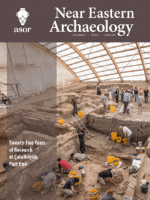
NEAR EASTERN ARCHAEOLOGY
Bridging Past and Present Through Archaeological InquiryNEAR EASTERN ARCHAEOLOGY, published by University of Chicago Press, is a premier journal dedicated to the field of archaeology, particularly focusing on the rich cultural heritage and archaeological findings of the Near East. With an ISSN of 1094-2076 and an E-ISSN of 2325-5404, this esteemed publication provides a vital platform for scholars and practitioners to share their research, insights, and discoveries. The journal holds an impressive ranking in the Q1 quartile for both Archaeology and History in 2023, reflecting its significant impact within these fields and a robust history of scholarly contribution. The journal has been pivotal in shaping discussions around archaeological methodology, theory, and contemporary issues from 2002 to 2024, as it continues to reach a wide audience through various access options. With Scopus rankings placing it in the top percentiles for both History and Archaeology, NEAR EASTERN ARCHAEOLOGY represents an essential resource for researchers, professionals, and students alike, fostering the exploration and understanding of the region's archaeological narrative.

Studijne Zvesti Archeologickeho Ustavu Slovenskej Akademie Vied
Unveiling the stories of the past through rigorous research.Studijne Zvesti Archeologickeho Ustavu Slovenskej Akademie Vied is a leading journal in the field of archaeology, published by the SLOVENSKA AKAD VIED, ARCHEOLOGICKY USTAV, based in Nitra, Slovakia. This esteemed journal, with the ISSN 0560-2793, has established itself as a vital resource for scholars and researchers, reflecting significant academic contributions in both the arts and humanities as well as social sciences. With a 2023 Scopus ranking placing it in the second quartile (Q2) for archaeology, it showcases rigorous research and innovative methodologies, essential for advancing archaeological studies. While it is not an Open Access journal, it continues to offer valuable insights into archaeological findings, theoretical frameworks, and interdisciplinary approaches. The journal serves as a bridge, connecting local Slovak archaeology with international discourse, making it an indispensable tool for students, professionals, and academics striving for a deeper understanding of the archaeological heritage of Slovakia and beyond.
International Journal of Historical Archaeology
Advancing Knowledge: The Premier Platform for Archaeological ScholarshipInternational Journal of Historical Archaeology, published by SPRINGER, stands at the forefront of archaeological scholarship, focusing on the intricate relationship between historical events and archaeological findings. With an impressive impact factor underscored by its ranking in the Q1 quartiles across various categories, including Archeology and History, this journal serves as a premier platform for researchers, professionals, and students alike to disseminate groundbreaking findings and theoretical advancements in the field. Although it is not an Open Access publication, the journal provides valuable insights through its rigorous peer-review process, enhancing the quality of contributions. Covering a breadth of topics from 1997 to 2024, it is vital for advancing knowledge in historical archaeology and offers an essential resource for those invested in understanding our shared past through the lens of material culture. The journal's commitment to fostering interdisciplinary discussions enriches the scholarly community and supports the evolution of methodologies and perspectives within the domain.

Mediterranean Archaeology & Archaeometry
Charting New Territories in Mediterranean StudiesMediterranean Archaeology & Archaeometry is a premier academic journal dedicated to advancing the fields of archaeology, anthropology, conservation, and history, published by UK Zhende Publishing Ltd. With its ISSN 1108-9628 and E-ISSN 2241-8121, this journal serves as a vital platform for scholars and practitioners to disseminate innovative research and findings related to the rich archaeological heritage of the Mediterranean region. It has gained remarkable recognition, achieving a Q2 ranking in anthropology and archaeology, and a Q1 classification in several categories including arts and humanities, conservation, and history as of 2023. Its impressive Scopus rankings underscore its impact, with a significant position in history (59/1760) and conservation (11/103) disciplines. Spanning years from 2008 to 2022, the journal invites open access contributions to foster collaboration and interdisciplinary dialogue among researchers, students, and professionals alike, making it an indispensable resource for those engaged in the exploration and preservation of historical narratives within the Mediterranean context.

Palaeohispanica-Revista sobre Lenguas y Culturas de la Hispania Antigua
Exploring the Linguistic Tapestry of Ancient HispaniaPalaeohispanica-Revista sobre Lenguas y Culturas de la Hispania Antigua is a distinguished academic journal dedicated to the study of ancient Spanish languages and cultures. Published by the INST FERNANDO CATOLICO in Spain, this journal serves as an essential platform for scholars and researchers exploring the rich historical and linguistic heritage of Iberia. With a specific focus on the intersections of archaeology, history, linguistics, and cultural studies, Palaeohispanica has garnered substantial recognition, reflecting its commitment to high-quality research as evidenced by its rankings in prominent Scopus categories, reaching the 80th percentile in History and the 69th in Archaeology. While the journal operates without an Open Access option, it continues to contribute significantly to the academic discourse surrounding ancient Hispania from 2019 to 2023, ensuring that vital research is accessible to a discerning audience. As a Q3 and Q2 ranked publication in various relevant categories, it is an invaluable resource for professionals, researchers, and students eager to delve into the complexities of ancient languages and cultures.