CONNECTIVE TISSUE RESEARCH
metrics 2024
Pioneering Research for a Deeper Understanding of Connective Tissue
Introduction
CONNECTIVE TISSUE RESEARCH is a distinguished academic journal published by Taylor & Francis Inc, dedicated to the study of connective tissue within a broad spectrum of biomedical fields. Since its inception in 1972, this journal has emerged as a crucial platform for disseminating high-quality research findings, exploring fundamental and applied aspects of connective tissue biology. With its convergence stretching to 2024, CONNECTIVE TISSUE RESEARCH showcases innovative research in areas such as biochemistry, orthopedics, rheumatology, and cell biology, making significant contributions to our understanding of tissue structure and function. The journal holds a commendable impact factor and ranks notably in various categories, including a Q2 status in Biochemistry and Orthopedics, reflecting its pivotal role in advancing knowledge in these fields. Researchers and professionals can benefit from its offerings, which include original articles, reviews, and cutting-edge studies, all aimed at enhancing scientific inquiry and clinical applications. The journal remains committed to promoting accessibility through traditional subscription options, ensuring its wide reach in the academic community.
Metrics 2024
 0.752.803.3079
Metrics History
Rank 2024
Scopus
IF (Web Of Science)
JCI (Web Of Science)
Quartile History
Similar Journals
Tissue Engineering Part B-Reviews
Advancing the Frontiers of Tissue Engineering.Tissue Engineering Part B-Reviews is a premier academic journal published by MARY ANN LIEBERT, INC, focusing on the interdisciplinary field of tissue engineering and regenerative medicine. With an impressive impact factor that places it in the Q1 category across multiple relevant fields—including Biochemistry, Bioengineering, Biomaterials, and Biomedical Engineering—this journal provides a vital platform for researchers and professionals to disseminate cutting-edge findings and comprehensive reviews. Covering a vast scope from 2008 to 2024, the journal is committed to advancing knowledge in the application of engineering principles to biological tissues, making it an indispensable resource for those at the forefront of biomedical innovation. While the journal does not currently offer open access options, its rigorous peer review process ensures high-quality contributions that are essential for academic and practical advancements. The journal's rankings in Scopus reflect its significance, catering to a diverse audience of students, researchers, and practitioners seeking the latest insights in this dynamic field.

Stem Cells International
Pioneering Discoveries in Cellular RegenerationStem Cells International is a premier open access journal published by HINDAWI LTD, focusing on the rapidly evolving field of stem cell research. With an ISSN of 1687-966X and E-ISSN 1687-9678, this journal has been a vital resource since its inception in 2010, showcasing innovative studies and breakthroughs up to 2024. Positioned in Q3 in Cell Biology and Q2 in Molecular Biology for 2023, as well as well-ranked in the Scopus database, the journal serves as an essential platform for researchers, professionals, and students dedicated to exploring the implications of stem cell technology in regenerative medicine and biological research. The open access model ensures wide accessibility, fostering collaboration and knowledge-sharing across the scientific community, making it a cornerstone in advancing the understanding and application of stem cell science.
AMERICAN JOURNAL OF PHYSIOLOGY-CELL PHYSIOLOGY
Pioneering Research in Cell Biology and Physiology.Welcome to the American Journal of Physiology-Cell Physiology, a premier publication produced by the American Physiological Society that has been a cornerstone of research in cell biology and physiology since its inception in 1977. With its esteemed reputation solidified by its Q1 ranking in both Cell Biology and Physiology categories as of 2023, this journal serves as a vital resource for researchers, professionals, and students pursuing cutting-edge discoveries in cellular mechanisms. The journal is published in the United States and is recognized for its rigorous peer-review process, contributing to its high impact factor and prestigious standing—ranking #32 out of 193 in Physiology and #75 out of 285 in Cell Biology according to Scopus. While the journal does not provide open access, it remains an essential repository of knowledge, fostering innovation and advancing the field with original research articles, reviews, and commentaries. Join us in exploring the molecular intricacies of life through the compelling research that the American Journal of Physiology-Cell Physiology has to offer.
JOURNAL OF CELL SCIENCE
Illuminating the complexities of cellular processes.JOURNAL OF CELL SCIENCE, with ISSN 0021-9533 and E-ISSN 1477-9137, is a distinguished publication in the field of Cell Biology, released by COMPANY BIOLOGISTS LTD in the United Kingdom. Since its inception in 1966, this journal has served as a vital platform for disseminating cutting-edge research and reviews that significantly advance our understanding of cellular processes and innovations. Currently positioned in the Q1 category within the 2023 rankings, this journal is recognized for its high impact and quality, holding a notable Scopus rank of 120 out of 285 in the Cell Biology category, placing it within the 58th percentile. While not an open-access journal, it provides extensive access options for readers and institutions, ensuring that pivotal research is accessible to a wide audience. With converged publication years leading toward 2024, JOURNAL OF CELL SCIENCE continues to be an essential resource for researchers, professionals, and students alike, fostering a deeper understanding of the intricate workings of cell biology.

BMC Molecular and Cell Biology
Exploring the depths of cellular mechanisms and molecular interactions.BMC Molecular and Cell Biology is a forward-thinking open-access journal published by BMC, specializing in the vital fields of molecular biology and cell biology. Since its inception in 2019, the journal has carved a niche for itself, ranking in the Q3 quartile in both Cell Biology and Molecular Biology categories as of 2023. With an ISSN of N/A and an E-ISSN of 2661-8850, the journal provides a platform for groundbreaking research, high-quality reviews, and innovative methodologies. Situated in the United Kingdom, BMC Molecular and Cell Biology promotes a diverse range of studies, addressing fundamental questions in biology that resonate with both experts and new researchers alike. The journal's commitment to open access ensures that valuable findings are readily available to the global scientific community, fostering collaboration and knowledge-sharing across disciplines. Researchers aiming to contribute to the field of cell and molecular biology will find this journal an indispensable resource for both publishing and staying informed on the latest advances.
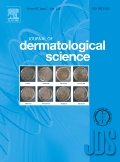
JOURNAL OF DERMATOLOGICAL SCIENCE
Advancing the Frontiers of Skin ScienceThe Journal of Dermatological Science is a premier peer-reviewed publication dedicated to advancing knowledge in the field of dermatology, biochemistry, and molecular biology. Established in 1990 and published by Elsevier Ireland Ltd, this esteemed journal has consistently achieved high academic recognition, securing a Q1 ranking in Dermatology and a Q2 ranking in both Biochemistry and Molecular Biology as of 2023. With a notable impact factor and a Scopus rank that places it within the top tier of dermatology journals globally, it serves as a critical platform for researchers, clinicians, and academicians to disseminate their findings and foster innovation in skin health and disease management. Although the journal is not open access, it provides essential insights into cutting-edge research, clinical practices, and molecular mechanisms underlying dermatological conditions. The Journal of Dermatological Science is not only a vital resource for high-quality articles but also a driving force in shaping the future landscape of dermatological research.
Regenerative Engineering and Translational Medicine
Bridging Science and Application in HealingRegenerative Engineering and Translational Medicine is an esteemed academic journal published by Springer Heidelberg, focusing on the interdisciplinary fields of biomaterials, biomedical engineering, and cell biology. With an ISSN of 2364-4133 and an E-ISSN of 2364-4141, the journal has carved a niche for itself since its inception in 2015, showcasing cutting-edge research that bridges the gap between scientific findings and practical applications in regenerative medicine. As a recognized platform in its field, it is currently positioned within Q3 quartiles in biomaterials, biomedical engineering, and medicine (miscellaneous), with a Scopus ranking that reflects its growing influence among peers. The journal aims to disseminate high-quality, peer-reviewed articles that highlight advancements in regenerative engineering, further advancing both theoretical and applied research. Scholars and practitioners seeking to stay at the forefront of the ever-evolving landscape of regenerative health solutions will find invaluable insights and innovations within these pages. Join a community of leading thinkers and explore the journal's comprehensive research contributions, which are crucial for fostering partnerships between academia and industry in the quest for transformative medical solutions.
Journal of Hard Tissue Biology
Fostering Knowledge in Biochemistry and BiomaterialsJournal of Hard Tissue Biology, published by JOURNAL HARD TISSUE BIOLOGY, is a pivotal resource for researchers and practitioners engaged in the multifaceted fields of biochemistry, biomaterials, cell biology, dentistry, and orthopedics. With an ISSN of 1341-7649 and a publication history spanning from 2003 to 2024, this journal aims to disseminate innovative findings and review articles that contribute to the understanding of hard tissue structures and their applications in medicine. Despite its current Q4 ranking across several categories, including Biochemistry and Oral Medicine, the journal serves as a critical platform for emerging research, appealing to those dedicated to advancing the science of hard tissues. While it operates under a subscription model, the articles published here are essential for anyone seeking comprehensive insights into the biological, mechanical, and clinical aspects of hard tissues. The journal's commitment to excellence and its ongoing contributions make it an indispensable tool for students, researchers, and professionals aiming to enhance their understanding of hard tissue biology.
Journal of Biomedical Research
Bridging Gaps in Biomedical Knowledge for a Healthier TomorrowJournal of Biomedical Research, published by Nanjing Medical University in China, is a prominent platform for groundbreaking discoveries in the fields of Biochemistry, Genetics, and Molecular Biology, as well as Medicine. With an ISSN of 1674-8301 and an E-ISSN of 1876-4819, the journal offers a vital opportunity for researchers, professionals, and students to disseminate insightful research findings. Although not currently available as an open access journal, its inclusion in the second quartile of both Biochemistry and Medicine categories underscores its growing influence and commitment to high-quality scholarship, as evidenced by its historical compliance with Scopus rankings prior to 2009. By fostering an interdisciplinary approach, the Journal of Biomedical Research aims to bridge gaps in current biomedical understanding and encourages innovative research that can lead to significant contributions in improving health outcomes. Its editorial policies guarantee rigorous peer review, making it a trusted source of knowledge in the biomedical community.
ACTA HISTOCHEMICA
Fostering Global Dialogue in Histochemistry and Cell BiologyACTA HISTOCHEMICA, a prestigious journal published by Elsevier GmbH, is dedicated to advancing the field of histochemistry and its applications within cell biology and medicine. With an ISSN of 0065-1281 and an E-ISSN of 1618-0372, the journal provides a critical platform for the dissemination of high-quality research findings and reviews, integral for both emerging and established scholars. Since its inception in 1954 and continuing through to 2024, ACTA HISTOCHEMICA has maintained a strong commitment to publishing significant advancements in histology and cell biology, as evidenced by its categorization in Q3 for Cell Biology and Histology, as well as Q2 in miscellaneous medicine for the year 2023. The journal ranks favorably in Scopus, holding the 27th rank in Histology and a 200th rank in Cell Biology, highlighting its importance to the academic community. With its headquarters in Munich, Germany, ACTA HISTOCHEMICA continues to attract contributions from global researchers, fostering an international dialogue essential for the growth of knowledge in histochemistry and related disciplines.