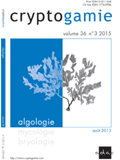
CRYPTOGAMIE ALGOLOGIE
metrics 2024
Unveiling the Secrets of Cryptogams and Their Impact
Introduction
CRYPTOGAMIE ALGOLOGIE, with ISSN 0181-1568 and E-ISSN 1776-0984, is a prominent scholarly journal published by ADAC-CRYPTOGAMIE in France, focusing on the intricate intersection of aquatic sciences, ecology, evolution, and plant sciences. Established in 1990, this journal serves as a vital platform for researchers, professionals, and students alike, fostering the dissemination of innovative research and comprehensive reviews in its field. With a Q3 ranking in Aquatic Science, Ecology, Evolution, Behavior and Systematics, and Plant Science for 2023, CRYPTOGAMIE ALGOLOGIE stands out for its contributions to understanding cryptogams' ecological significance and their evolutionary adaptations. The journal is indexed in Scopus, reflecting its impact and relevance in the scientific community, with particular strengths highlighted by ranks in various categories. As an engaging resource for those involved in aquatic ecosystems and plant ecology, CRYPTOGAMIE ALGOLOGIE invites submissions that push the boundaries of knowledge in these crucial fields, ensuring methodologies and findings are accessible and impactful for future research.
Metrics 2024
 0.331.401.3038
Metrics History
Rank 2024
Scopus
IF (Web Of Science)
JCI (Web Of Science)
Quartile History
Similar Journals
ANNALS OF THE MISSOURI BOTANICAL GARDEN
Connecting Scholars to the Wonders of Plant ScienceANNALS OF THE MISSOURI BOTANICAL GARDEN is a prestigious, peer-reviewed journal published by the Missouri Botanical Garden, focusing on the rich disciplines of Ecology, Evolution, Behavior, and Plant Science. With a storied history dating back to 1946, this journal has evolved to become a significant platform for scholars and professionals to disseminate research that informs global understanding of plant biology and conservation. Ranked in the Q2 category for both Ecology and Plant Science in 2023, it boasts commendable standings within the Scopus rankings, placing it in the 66th percentile for Plant Science and the 65th percentile for Ecology, Evolution, Behavior, and Systematics. The journal's commitment to rigorous scientific standards ensures that it remains a vital resource for those seeking to explore vital ecological and botanical research. As a product of the esteemed Missouri Botanical Garden, the journal serves researchers, professionals, and students alike, encouraging collaboration and innovation in the plant sciences community.
LICHENOLOGIST
Illuminating the Hidden Life of LichensLICHENOLOGIST is a prestigious journal published by Cambridge University Press, dedicated to advancing the field of lichenology and promoting a deeper understanding of the ecology, evolution, and systematics of lichens. Established in 1958 and focusing on the convergence of research through 2024, this journal has established itself as a significant resource within the Q2 category of Ecology, Evolution, Behavior and Systematics. With a Scopus ranking of #316 out of 721 in its field, it highlights research that not only enhances academic knowledge but also has practical implications for ecology and conservation efforts globally. Although traditionally not an open-access journal, it provides valuable insights and contributes to the scientific community by disseminating high-quality, peer-reviewed research. LICHENOLOGIST is essential for researchers, professionals, and students looking to stay informed about the latest advancements in lichen studies, making it an indispensable resource for anyone involved in ecological and biological sciences.
ORGANISMS DIVERSITY & EVOLUTION
Exploring the Threads of Life: Unraveling Diversity and EvolutionOrganisms Diversity & Evolution is a premier academic journal published by Springer Heidelberg, dedicated to advancing the fields of ecology, evolution, behavior, and systematics. Established in 2001 and continuing through 2024, this journal plays a crucial role in disseminating high-quality research that explores the complexities of biological diversity and evolutionary processes. With a commendable 2023 Scopus ranking of #253/721 in its category, placing it in the 64th percentile, and categorized in the Q2 quartile for Ecology and Evolution, it consistently attracts contributions from leading scientists and researchers worldwide. Although it operates on a subscription basis, the journal's rigorous peer-review process and dedication to impactful scientific discourse make it an invaluable resource for academics, practitioners, and students keen on understanding the intricate relationships that shape our biodiversity. By highlighting innovative research and fostering discussions on urgent ecological challenges, Organisms Diversity & Evolution serves as a vital platform for those committed to conservation and evolutionary biology.

TAXON
Exploring the intricate web of life and its evolution.TAXON is a premier international journal published by Wiley, dedicated to the fields of ecology, evolution, behavior, systematics, and plant science. With a distinguished history since 1970 and a commitment to advancing knowledge in the biological sciences, TAXON has been recognized in the Q1 category for both its ecological and plant science contributions as of 2023. The journal boasts an impressive Scopus ranking, placing it in the 76th percentile for Ecology, Evolution, Behavior and Systematics and the 74th percentile for Plant Science, highlighting its significance and impact within these domains. While not an open-access publication, TAXON offers a wealth of high-quality research articles, reviews, and discussions, making it an indispensable resource for researchers, professionals, and students alike seeking to deepen their understanding of biodiversity and systematics. For access to its cutting-edge research, readers can follow the journal's updates and contributions online.
Journal of Systematics and Evolution
Bridging Disciplines in Ecology and Plant ScienceThe Journal of Systematics and Evolution, published by WILEY, is a premier academic journal dedicated to advancing the fields of Ecology, Evolution, Behavior, and Systematics and Plant Science. With a distinguished Q1 ranking in both of these critical categories in 2023, it stands at the forefront of scientific research, placing it in the top quartile among its peers. Featuring both an ISSN of 1674-4918 and an E-ISSN of 1759-6831, the journal has been converging innovative research since its inception in 2008. The journal caters to a global audience of researchers, professionals, and students, providing a platform for disseminating significant findings and fostering academic dialogue. Its impressive Scopus rankings further affirm its impact, coming in at Rank #62/721 in Ecology and Rank #48/516 in Plant Science, highlighting its relevance and influence in these vibrant fields. As an open-access journal, it ensures that groundbreaking research is accessible to all, thus enhancing collaborative opportunities within the scientific community.
EUROPEAN JOURNAL OF PHYCOLOGY
Bridging Research and Application in PhycologyThe EUROPEAN JOURNAL OF PHYCOLOGY, published by TAYLOR & FRANCIS LTD, stands as a prominent platform in the fields of Aquatic Science and Plant Science, reflecting its significant contribution to the understanding of algae and freshwater ecosystems. With an ISSN of 0967-0262 and an E-ISSN of 1469-4433, this journal has been disseminating valuable research since its inception in 1993, and it continues to play a pivotal role in advancing scientific knowledge through to 2024. Recognized in the Q2 category for both Aquatic and Plant Sciences in the 2023 rankings, it holds a commendable position in Scopus, being ranked #125 out of 516 and #63 out of 247, respectively. The journal is particularly valuable for researchers, professionals, and students seeking to explore innovative studies and methodologies in phycology and related disciplines. Although it does not currently offer open access, it provides an essential resource for those looking to deepen their understanding of algae's ecological roles and applications.

European Journal of Taxonomy
Unveiling the intricacies of taxonomy and ecology.The European Journal of Taxonomy is a distinguished open access journal, published by the MUSEUM NATL HISTOIRE NATURELLE in France, dedicated to the rich and dynamic field of taxonomy, ecology, and systematics. Since its inception in 2011, this journal has aimed to provide a platform for the dissemination of high-quality research and innovative methods relevant to the study of biodiversity and species classification. With a commendable Q2 ranking in the Ecology, Evolution, Behavior and Systematics category as of 2023, the journal ranks 380 out of 721 in Scopus, highlighting its pivotal role in advancing scientific knowledge in these essential areas. Researchers and students alike will find valuable resources and contributions that address pressing ecological and evolutionary questions from 2015 to 2024. By promoting open access, the European Journal of Taxonomy ensures that vital research is accessible to a broader audience, fostering collaboration and discourse among professionals striving to enhance our understanding of the natural world.
JOURNAL OF NATURAL HISTORY
Illuminating the Path of Natural HistoryThe Journal of Natural History, established in 1967, is a pivotal academic resource published by Taylor & Francis Ltd. With an ISSN of 0022-2933 and an E-ISSN of 1464-5262, this journal is a cornerstone in the field of Ecology, Evolution, Behavior, and Systematics. Ranked Q2 in its category as of 2023, it stands out with a Scopus ranking of #477 out of 721, reflecting its influence and relevance, particularly in the agricultural and biological sciences. The Journal of Natural History aims to disseminate high-quality, peer-reviewed research that contributes to our understanding of biodiversity and ecosystem dynamics. Although it does not operate under an open-access model, this journal remains accessible through various academic libraries and platforms, making it an essential resource for researchers, professionals, and students striving to advance their knowledge in natural history. With its long-standing commitment to excellence, the journal plays a crucial role in shaping discourse and fostering innovation in ecological research.
Turczaninowia
Innovating Research Across Diverse Scientific LandscapesTurczaninowia is a distinguished open access academic journal published by Altai State University, located in Barnaul, Russia. With an ISSN of 1560-7259 and an E-ISSN of 1560-7267, this journal has been committed to disseminating high-quality research since it adopted an open access model in 2013. Spanning diverse fields including Biomaterials, Ecology, Organic Chemistry, and Plant Science, Turczaninowia has established itself in the Q3 category of academic journals, reflecting its consistent contribution to environmental sciences and biological research. The journal holds a respectable ranking in Scopus, including a position of #360/461 in Environmental Science and #599/721 in Ecology, Evolution, Behavior and Systematics, highlighting its relevance in the scientific community. With a publication convergence period from 2016 to 2024, Turczaninowia aims to provide a comprehensive platform for researchers, professionals, and students to explore innovative findings and share insights, fostering an environment of collaborative learning and advancement in their respective fields.
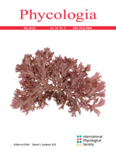
PHYCOLOGIA
Innovating Research in Aquatic BiologyPHYCOLOGIA is a prestigious academic journal published by Taylor & Francis Ltd, specializing in the fields of Aquatic Science and Plant Science. With an ISSN of 0031-8884 and an E-ISSN of 2330-2968, the journal has established itself as an influential platform for disseminating high-quality research on algal biology and its ecological significance. Renowned for its rigorous peer-review process, PHYCOLOGIA is categorized in the Q2 quartile for both Aquatic Science and Plant Science as of 2023, reflecting its solid reputation and contribution to the respective fields, evidenced by Scopus ranks placing it in the top tiers of research outputs. The journal offers access to a wealth of knowledge, embracing studies that range from fundamental aspects of phycology to applied environmental sciences, making it a vital resource for researchers, professionals, and students who seek to advance their understanding of aquatic and plant ecosystems. With a focus on innovative methodologies and interdisciplinary approaches, PHYCOLOGIA invites submissions that push the boundaries of current knowledge and contribute to the global discourse on phytobiological sciences.