Current Clinical Microbiology Reports
Scope & Guideline
Shaping Tomorrow's Practices in Microbial Health
Introduction
Aims and Scopes
- Clinical Microbiology and Infectious Diseases:
The journal covers a wide range of topics related to clinical microbiology, including the diagnosis, treatment, and prevention of infectious diseases caused by bacteria, viruses, fungi, and parasites. - Host-Pathogen Interactions:
Research focusing on the molecular and cellular mechanisms through which pathogens interact with host organisms is a core area. This includes studies on latency, immune responses, and co-infections. - Emerging Pathogens and Antimicrobial Resistance:
The journal highlights the significance of emerging infectious diseases and the challenges posed by antimicrobial resistance, providing insights into novel treatment strategies and public health implications. - Microbial Ecology and Environmental Impact:
Exploring the ecological aspects of pathogens, such as their interactions within microbiomes and the effects of climate change on their distribution and pathogenicity, is a unique contribution of the journal. - Innovative Diagnostic and Therapeutic Approaches:
The journal emphasizes the development of new diagnostic tools and therapeutic strategies, including advanced molecular techniques and bioprospecting for new antimicrobials.
Trending and Emerging
- Impact of Climate Change on Pathogen Dynamics:
Recent publications have highlighted the effects of climate change on the distribution and behavior of pathogens, indicating a growing recognition of environmental factors in disease epidemiology. - Antimicrobial Resistance and Novel Therapeutics:
There is a rising trend in research addressing antimicrobial resistance, with an emphasis on discovering new therapeutic strategies and understanding resistance mechanisms among various pathogens. - Host-Microbiota Interactions:
Studies exploring the interactions between pathogens and the human microbiota are gaining traction, reflecting a shift towards understanding how these relationships influence health and disease. - Post-Viral Syndromes and Long COVID:
Emerging topics such as post-viral syndromes, particularly in the context of COVID-19, are becoming more prominent, highlighting the need for understanding the long-term impacts of viral infections. - Zoonotic Diseases and One Health Approach:
The journal is increasingly addressing zoonotic diseases, emphasizing the interconnectedness of human, animal, and environmental health, which aligns with the One Health perspective.
Declining or Waning
- Traditional Microbial Pathogenesis Studies:
There appears to be a waning interest in conventional studies focused solely on microbial pathogenesis without consideration of host interactions or ecological factors, as newer research highlights more complex interdependencies. - Non-Infectious Disease Microbiology:
Research related to non-infectious diseases or broader microbiological principles seems to be less frequently addressed, with a stronger emphasis now on clinical implications and infectious disease contexts. - Basic Laboratory Techniques:
There is a noticeable reduction in publications focusing solely on basic laboratory techniques or methodologies, as the journal shifts towards more applied research with clinical relevance.
Similar Journals
ACTA MICROBIOLOGICA ET IMMUNOLOGICA HUNGARICA
Innovating research for a healthier tomorrow.ACTA MICROBIOLOGICA ET IMMUNOLOGICA HUNGARICA is a distinguished academic journal published by AKADEMIAI KIADO ZRT, focusing on significant advancements in the fields of microbiology, immunology, and infectious diseases. Established in 1994, this journal serves as a vital platform for researchers, professionals, and students keen on exploring the complexities of microbial interactions and immune responses. With a current Impact Factor reflecting its rank within the Q3 categories for Immunology, Microbiology, and Infectious Diseases, it retains a critical position in disseminating innovative research. Although not open access, the journal provides extensive insights disseminated through various academic databases, ensuring a broad reach within the scholarly community. Its convergence over three decades indicates a robust commitment to excellence in scientific inquiry and knowledge sharing. As it moves towards the future, ACTA MICROBIOLOGICA ET IMMUNOLOGICA HUNGARICA continues to uphold its legacy of fostering collaborative research initiatives that contribute to the understanding and treatment of microbial diseases globally.
JOURNAL OF CLINICAL MICROBIOLOGY
Unveiling Innovations in Clinical MicrobiologyJOURNAL OF CLINICAL MICROBIOLOGY, published by the American Society for Microbiology, stands as a premier resource for researchers and professionals in the field of medical microbiology. With an illustrious history dating back to 1975, this journal has consistently provided high-impact research, reflecting its status in the Q1 category among microbiology (medical) journals, and an impressive Scopus rank of 14 out of 140, placing it in the 90th percentile. The journal's commitment to unveiling foundational and innovative studies greatly contributes to understanding human health challenges posed by microbial pathogens. Researchers can expect rigorous peer-reviewed articles that cover a spectrum of topics, from diagnostic methods to clinical epidemiology, fostering a deeper understanding of microbiology's role in healthcare. While this journal does not offer open access options, its substantial impact factor underscores its relevance in shaping the conversation in clinical microbiology. The JOURNAL OF CLINICAL MICROBIOLOGY is indispensable for anyone dedicated to advancing their knowledge and practical skills in microbiology.

Microbiology Research
Connecting Researchers to the Microbial WorldMicrobiology Research, published by MDPI, stands as a pivotal open-access journal in the field of microbiology, having established its presence since 2010. Based in Switzerland, this journal strives to provide a platform for innovative research and cutting-edge findings in various branches of microbiology, including medical microbiology and molecular biology. With an impact factor that reflects its dedication to scholarly excellence, Microbiology Research is classified in the Q3 category for both microbiology and medical microbiology, and Q4 for molecular biology as of 2023, indicating its growing importance and outreach within these domains. The journal aims to foster discussion and collaboration among researchers, professionals, and students by presenting articles that cover a wide array of topics and methodologies in microbiological research. Leveraging its open-access model, Microbiology Research ensures that high-quality research is accessible to a global audience, thus facilitating the advancement of knowledge and innovation in the microbial sciences.

New Microbiologica
Exploring the vital links between microorganisms and human health.New Microbiologica is a prominent academic journal published by EDIZIONI INT SRL, dedicated to advancing knowledge in the fields of Microbiology and Medicine. Since its inception in 1993, this journal has played a vital role in disseminating cutting-edge research, featuring articles that explore the intricate relationships between microorganisms and human health. With an H-index indicating a robust citation profile and a respectable 2023 Scopus Ranking placing it in the 32nd percentile for medicine microbiology, New Microbiologica resonates well within the academic community. Although not an Open Access journal, it is strategically positioned in Quartile 3 of both Medicine (miscellaneous) and Medical Microbiology categories, which reflects its importance to researchers and professionals seeking valuable insights in their fields. Published in Italy, the journal continues to provide a platform for impactful research through its commitment to high-quality publications, fostering collaboration and innovation among scientists and academics in the ever-evolving landscape of microbiological studies.
Gut Pathogens
Pioneering Research at the Intersection of Microbiology and GastroenterologyGut Pathogens, published by BMC in the United Kingdom, is a premier open-access journal focusing on the intersection of gut health and infectious diseases. With its impact firmly established since its inception in 2009, the journal has earned impressive rankings, including Q1 in renowned categories such as Gastroenterology, Infectious Diseases, Microbiology, and Parasitology, while maintaining a strong presence in Virology. The journal serves as a vital resource for researchers, professionals, and students interested in the intricate relationships between gut microbiota and pathogenic organisms, offering insights that drive advancements in treatment and prevention strategies. By providing unrestricted access to high-quality research, Gut Pathogens fosters a collaborative environment, encouraging the dissemination of knowledge and innovation within the field. The journal publishes original research, reviews, and case studies, all designed to address contemporary challenges in gut health, ultimately aiming to improve patient outcomes and public health worldwide.
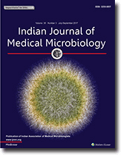
Indian Journal of Medical Microbiology
Discovering Tomorrow's Solutions in Medical Microbiology TodayIndian Journal of Medical Microbiology, published by Elsevier, is a pivotal peer-reviewed journal dedicated to the field of medical microbiology, providing a vital platform for research and scholarship since its inception in 1986. With an Open Access model established in 2001, it ensures the dissemination of scientific knowledge to a global audience, enhancing accessibility for researchers, professionals, and students alike. The journal's scope spans critical areas including immunology, infectious diseases, and microbiology, with an impressive trajectory marked by converged years of publication allowing for a comprehensive exploration of evolving scientific trends. As of 2023, the journal holds a Q3 ranking in Infectious Diseases and Microbiology (medical) and a Q4 ranking in Immunology and Microbiology categories, reflecting its significant yet growing impact in the field. Researchers seeking to contribute to or stay updated on the latest advancements in medical microbiology will find the Indian Journal of Medical Microbiology a valuable resource, as it consistently bridges the gap between emerging science and clinical application.
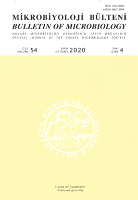
MIKROBIYOLOJI BULTENI
Unveiling the Complexities of Microbial LifeMIKROBIYOLOJI BULTENI, with ISSN 0374-9096, is a prestigious academic journal published by the ANKARA MICROBIOLOGY SOC, located in Ankara, Turkey. Established in 1973, this journal has been a vital conduit for disseminating research in the fields of Immunology, Microbiology, and Infectious Diseases, garnering a reputation as a significant contributor to the scientific community. The journal is currently ranked in the Q3 category within Immunology and Microbiology (miscellaneous), and Infectious Diseases, indicating its impactful presence amidst contemporary research. With access options that may be restricted, MIKROBIYOLOJI BULTENI actively welcomes submissions that advance the understanding of critical microbiological principles and practices, thereby supporting both national and international research efforts. Researchers, professionals, and students are encouraged to explore the latest findings shared in this journal, as it continually shapes the landscape of microbiology and infectious disease studies through its comprehensive and rigorous peer-reviewed publications.

Mediterranean Journal of Infection Microbes and Antimicrobials
Bridging gaps in understanding infectious diseases.Mediterranean Journal of Infection Microbes and Antimicrobials is a distinguished open-access journal published by GALENOS PUBL HOUSE, dedicated to advancing the understanding of infectious diseases and microbiology. Since its inception in 2011, this journal has been a vital resource for researchers, professionals, and students interested in the intricate world of microbes and their impacts on human health. With its ISSN 2147-673X, the journal has progressively gained visibility, although it currently holds a Q4 ranking in multiple categories including Immunology and Microbiology, and Infectious Diseases for the year 2023. The journal operates from its headquarters in Istanbul, Turkey, and features a rich array of articles that contribute to the field’s body of knowledge. As a platform enhancing the accessibility of research, it invites submissions from global contributors to foster collaboration and innovation in tackling microbial challenges.
BMC MICROBIOLOGY
Transforming health and environment through microbiological excellence.BMC Microbiology is a leading open access journal published by BMC, dedicated to advancing the field of microbiology since its inception in 2001. With an ISSN of 1471-2180, this journal provides a vital platform for researchers, professionals, and students to share and access high-quality research and innovation in both general and medical microbiology. Based in the United Kingdom, BMC Microbiology holds a commendable Q2 ranking in both various microbiological categories according to the 2023 Scopus rankings, indicating its strong influence in the microbiological community, with a rank of #47 out of 140 in Medical Microbiology and #62 out of 182 in general Microbiology. The journal's commitment to open access ensures that groundbreaking research is freely available to facilitate collaboration and knowledge sharing among the global community of microbiologists. With a focus on publishing original research, reviews, and case studies, BMC Microbiology plays a critical role in disseminating information that can impact health and environmental conditions around the world.
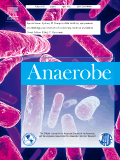
ANAEROBE
Advancing Knowledge in Microbial InteractionsANAEROBE is a highly regarded scholarly journal published by Elsevier Science Ltd, dedicated to advancing the study of anaerobic microorganisms and their roles in infectious diseases, microbiology, and various clinical applications. With an ISSN of 1075-9964 and an E-ISSN of 1095-8274, this journal has established itself as a pivotal resource for researchers and professionals interested in the unique aspects of anaerobic biology since its inception in 1995. Ranking in the Q2 category in both Infectious Diseases and Microbiology, it stands out for its commitment to publishing high-quality research that reflects the evolving complexities of microbial interactions in health and disease. Although the journal currently does not offer Open Access options, its impact is notable, with the 2023 Scopus rankings reflecting a practice of excellence—ranked #137/344 in Infectious Diseases and #96/182 in Microbiology. As a vital forum for scholarly exchange, ANAEROBE serves as an essential platform for scientists seeking to explore the depths of anaerobic studies, shaping future discoveries and clinical advancements.