INFECTION
Scope & Guideline
Advancing the Science of Infectious Diseases
Introduction
Aims and Scopes
- Clinical Epidemiology of Infectious Diseases:
The journal emphasizes the clinical aspects of infectious diseases, exploring epidemiological trends, risk factors, and patient outcomes across various populations. - Antimicrobial Resistance and Treatment Strategies:
A significant focus on the challenges posed by antimicrobial resistance, including studies on resistance patterns, treatment efficacy, and the development of new therapeutic strategies. - Infectious Disease Diagnostics:
Research on novel diagnostic approaches and technologies, including molecular methods and serological assays, to enhance the detection and management of infectious diseases. - Impact of COVID-19 on Public Health:
The journal has a strong emphasis on the effects of the COVID-19 pandemic, including studies on long COVID, vaccination strategies, and the epidemiological shifts resulting from the pandemic. - Global Health and Infectious Diseases:
A commitment to addressing infectious diseases from a global perspective, including research on emerging pathogens and the implications of global travel and health policies. - Innovative Therapeutics and Vaccination:
Focus on the development and evaluation of new vaccines, antiviral agents, and therapeutic approaches to combat infectious diseases.
Trending and Emerging
- Long COVID and Post-Acute Sequelae:
A significant increase in research focused on long COVID and its associated symptoms, exploring the long-term effects of SARS-CoV-2 infection on various populations. - Antimicrobial Stewardship and Resistance Mechanisms:
Growing emphasis on antimicrobial stewardship programs, with research targeting the mechanisms of resistance and strategies to mitigate its impact in clinical settings. - Innovative Diagnostic Technologies:
Rapid advancements in diagnostic technologies, including next-generation sequencing and rapid testing methods, are being increasingly reported, enhancing the accuracy and speed of infectious disease diagnosis. - Impact of Vaccination Strategies:
Research into the efficacy of different vaccination strategies, particularly related to COVID-19 and other infectious diseases, is trending with a focus on real-world effectiveness. - Global Health Responses to Emerging Infectious Diseases:
An increasing number of studies are addressing global health responses to emerging infectious diseases, emphasizing the need for international collaboration in surveillance and preparedness. - Mental Health Impacts of Infectious Diseases:
Emerging research on the psychological and social impacts of infectious diseases, particularly in the context of the COVID-19 pandemic, is gaining traction.
Declining or Waning
- Traditional Infectious Disease Management:
There seems to be a waning interest in conventional management approaches for infectious diseases, particularly those not related to antimicrobial resistance or COVID-19. - Non-communicable Disease Interactions:
Research linking infectious diseases with non-communicable diseases, while still relevant, has seen a decrease in dedicated studies as the focus shifts towards infectious disease control and prevention. - Geographic Specificity in Infectious Disease Studies:
Papers focusing solely on localized studies without broader implications or comparisons to global trends are becoming less frequent. - Historical Perspectives on Infectious Diseases:
There appears to be a decline in the publication of historical analyses or retrospective reviews of infectious diseases, as current research trends favor more immediate clinical applications.
Similar Journals
JOURNAL OF MICROBIOLOGY IMMUNOLOGY AND INFECTION
Pioneering groundbreaking studies in microbiology.Welcome to the Journal of Microbiology Immunology and Infection, a premier academic publication established in 1998 and now proudly owned by Elsevier Taiwan. As an Open Access journal since 2016, it provides unrestricted access to groundbreaking research in the fields of immunology, microbiology, and infectious diseases, making it an essential resource for researchers, practitioners, and students alike. The journal holds impressive rankings, including Q1 status in categories such as Infectious Diseases and Microbiology (medical), and a notable 92nd percentile in its Scopus ranking for Medicine - Infectious Diseases. With a dedicated focus on advancing knowledge and fostering collaboration within the scientific community, the Journal of Microbiology Immunology and Infection is committed to publishing high-impact research that significantly influences practice and policy in healthcare and life sciences. The journal is also recognized for its contribution to the ongoing dialogue surrounding contemporary issues in immunology and infection, positioning it as a vital platform for scholarly exchange and innovation.

BMC INFECTIOUS DISEASES
Unlocking knowledge to combat infectious threats.BMC Infectious Diseases is a premier open-access journal published by BMC in the United Kingdom, dedicated to the field of infectious diseases. Established in 2001, this journal has been at the forefront of disseminating high-quality, peer-reviewed research, contributing significantly to the global understanding of infectious pathogens and their impact on public health. With a 2023 Scopus ranking of #100 out of 344 in the Medicine - Infectious Diseases category, and a notable Q1 quartile classification, it stands as a vital resource for researchers and professionals alike. Authors benefit from the journal's broad reach and visibility, ensuring their work is accessible to a wide audience. Access options are fully open, allowing for seamless dissemination of knowledge in the ongoing battle against infectious diseases. With an established history of publishing groundbreaking studies, BMC Infectious Diseases plays a crucial role in addressing critical issues and advancing research in the ever-evolving landscape of infectious diseases.
EMERGING INFECTIOUS DISEASES
Connecting Knowledge with Action in Infectious DiseasesEmerging Infectious Diseases, published by the Centers for Disease Control and Prevention, is a leading open-access journal that has been dedicated to the field of epidemiology, infectious diseases, and medical microbiology since its inception in 1995. With an impressive impact factor placing it in the Q1 quartile rankings for multiple categories including Epidemiology, Infectious Diseases, and Medical Microbiology, this journal serves as a vital resource for researchers, practitioners, and students dedicated to combating the challenges posed by emerging infectious diseases. The journal's distinguished Scopus ranks further highlight its global influence, ranking #10 in Epidemiology, #26 in Infectious Diseases, and #13 in Medical Microbiology, all within the top percentiles. Accessible and targeted, Emerging Infectious Diseases publishes seminal research and reviews that contribute to the understanding and management of infectious diseases, ensuring that critical insights reach a broad audience. The journal encourages contributions that advance the scientific community’s knowledge and responses to public health challenges.
Journal of Pathogens
Bridging Knowledge Gaps in Pathogenesis and Public HealthJournal of Pathogens is a premier peer-reviewed journal published by HINDAWI LTD, focusing on the critical field of microbiology, infectious diseases, and the mechanisms of pathogen interactions with hosts. Since its inception in 2011 as an Open Access journal, it has aimed to provide a platform for high-quality research articles, reviews, and case studies that enhance our understanding of pathogenesis and advance the science of disease control. With its commitment to making research freely accessible, the journal attracts a global audience of researchers, professionals, and graduate students keen on exploring innovative findings and applications in the study of pathogens. While the journal does not currently have an established H-index or category quartiles, its relevance and importance in the field continue to grow as it seeks to bridge knowledge gaps and facilitate impactful discussions in infectious disease research. Located at Adam House, 3rd Floor, 1 Fitzroy Square, London W1T 5HF, England, the Journal of Pathogens invites submissions that contribute to the ever-evolving landscape of pathogen research and public health.
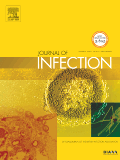
JOURNAL OF INFECTION
Driving Progress in the Fight Against Infectious DiseasesJOURNAL OF INFECTION is a premier academic publication in the fields of infectious diseases and medical microbiology, published by W B SAUNDERS CO LTD. With a profound impact factor and established since 1979, this journal serves as a crucial resource for researchers, clinicians, and policy-makers seeking to advance knowledge and understanding of infectious processes and their management. The JOURNAL OF INFECTION holds an impressive position in the academic hierarchy as reflected by its Q1 quartile rankings in both Infectious Diseases and Microbiology (medical) for 2023, further underscored by its Scopus rankings: #2 in Medical Microbiology and #5 in Medical Infectious Diseases, placing it in the 98th percentile overall. While the journal does not offer Open Access options, it provides a comprehensive outlet for innovative research, reviews, and clinical insights that drive the field forward. Published from the United Kingdom, it attracts a global readership keen on staying at the forefront of infectious disease research, making it an essential addition to any academic and clinical library.
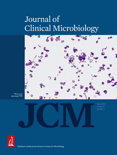
JOURNAL OF CLINICAL MICROBIOLOGY
Elevating Standards in Medical Microbiology ResearchJOURNAL OF CLINICAL MICROBIOLOGY, published by the American Society for Microbiology, stands as a premier resource for researchers and professionals in the field of medical microbiology. With an illustrious history dating back to 1975, this journal has consistently provided high-impact research, reflecting its status in the Q1 category among microbiology (medical) journals, and an impressive Scopus rank of 14 out of 140, placing it in the 90th percentile. The journal's commitment to unveiling foundational and innovative studies greatly contributes to understanding human health challenges posed by microbial pathogens. Researchers can expect rigorous peer-reviewed articles that cover a spectrum of topics, from diagnostic methods to clinical epidemiology, fostering a deeper understanding of microbiology's role in healthcare. While this journal does not offer open access options, its substantial impact factor underscores its relevance in shaping the conversation in clinical microbiology. The JOURNAL OF CLINICAL MICROBIOLOGY is indispensable for anyone dedicated to advancing their knowledge and practical skills in microbiology.

Infectious Diseases and Clinical Microbiology
Advancing knowledge in infectious diseases and microbiology.Infectious Diseases and Clinical Microbiology is a pivotal journal dedicated to advancing our understanding of infectious diseases through rigorous scientific research and clinical practices. Published by DOC DESIGN INFORMATICS CO LTD, this journal serves as a vital platform for researchers, healthcare professionals, and students keen on enhancing their knowledge of microbiological sciences and the clinical implications of infectious agents. With an ISSN of 2667-646X, it aims to disseminate significant findings in the field, enriching the scholarly dialogue surrounding infectious diseases. While currently operating under a traditional access model, the journal encourages global collaboration and knowledge sharing, striving to make a meaningful impact in tackling the challenges posed by infectious diseases. Its content aims to bridge the gap between laboratory research and clinical application, making it an essential resource in the contemporary landscape of global health.
Infectious Microbes & Diseases
Connecting knowledge to combat infectious threats.Infectious Microbes & Diseases, published by Lippincott Williams & Wilkins, is a premier journal dedicated to the exploration and understanding of infectious diseases, microbiology, and epidemiology. With its focused scope and robust peer-review process, the journal aims to disseminate high-quality research that contributes to advancements in the field, making it an essential resource for researchers, healthcare professionals, and students alike. Established in 2019, it has quickly gained recognition, achieving a Q3 rating in categories such as Epidemiology, Infectious Diseases, and Medical Microbiology in 2023, and ranking in the top half of its field within Scopus metrics. Although currently offered as a subscription-based journal, Infectious Microbes & Diseases significantly enriches its disciplines by inviting innovative research and critical review articles, thus playing a vital role in combating the global challenges posed by infectious diseases.
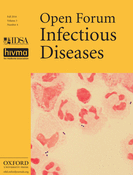
Open Forum Infectious Diseases
Leading the charge in open-access infectious disease research.Open Forum Infectious Diseases (ISSN: 2328-8957; E-ISSN: 2328-8957) is a leading open-access journal published by Oxford University Press, dedicated to advancing the field of infectious diseases. Since its inception in 2014, the journal has provided a platform for researchers to disseminate impactful findings in a rapidly evolving domain, achieving a remarkable Q1 ranking in both the Infectious Diseases and Oncology categories as of 2023. The journal encourages rigorous and innovative research, contributing significantly to global health discussions and informing best practices in clinical settings. As an open-access journal, it ensures that its content is accessible to a wide audience, fostering collaboration and knowledge sharing among researchers, professionals, and students alike. Positioned in the heart of the United States, Open Forum Infectious Diseases serves as a critical resource for the academic community, and its continued commitment to quality and relevance secures its status as an essential publication in the field.
Canadian Journal of Infectious Diseases & Medical Microbiology
Advancing knowledge in infectious diseases and microbiology.The Canadian Journal of Infectious Diseases & Medical Microbiology, published by HINDAWI LTD, is a pioneering open-access journal focused on advancing the fields of infectious diseases and medical microbiology, with its commitment to disseminating innovative research since 2004. With the ISSN 1712-9532 and E-ISSN 1918-1493, the journal is recognized for its high-caliber contributions, achieving a 2023 Q2 ranking in Infectious Diseases and a Q3 ranking in Medical Microbiology, as per the prestigious Scopus rankings. Offering a global platform for researchers and clinicians, the journal is crucial for fostering collaboration and sharing knowledge across borders, emphasizing its role as a significant resource for addressing pressing health challenges. With an HIndex that indicates an increasing influence in the scientific community, the journal maintains its focus on impactful studies that inform clinical practices and policies, while also being available to a diverse audience through its open-access format. Based in Egypt, the journal looks forward to continuing its impact up to 2024 and beyond, serving as a vital forum for scientific exchange and practical applications in the fight against infectious diseases.