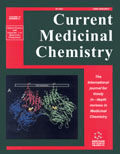
CURRENT MEDICINAL CHEMISTRY
Scope & Guideline
Catalyzing Breakthroughs in Health Sciences.
Introduction
Aims and Scopes
- Medicinal Chemistry and Drug Discovery:
The journal emphasizes the design, synthesis, and evaluation of novel therapeutic agents targeting various diseases, including cancer, infectious diseases, and metabolic disorders. - Natural Products and Phytochemicals:
Research on bioactive compounds derived from natural sources is highlighted, focusing on their pharmacological effects and potential as lead compounds in drug development. - Molecular Mechanisms and Pathways:
Articles often explore the underlying molecular mechanisms of diseases and the action of therapeutic agents, contributing to the understanding of drug effects at the cellular level. - Machine Learning and Computational Methods:
The journal covers the application of computational techniques, including machine learning and molecular docking, to predict drug interactions and optimize drug design. - Biotechnology and Nanomedicine:
Innovative drug delivery systems, including nanoparticles and nanocarriers, are explored for their potential to enhance the efficacy of therapeutics and reduce side effects. - Clinical and Translational Research:
The journal includes studies that bridge the gap between laboratory research and clinical applications, providing insights into the therapeutic potential of new compounds in human health.
Trending and Emerging
- COVID-19 Therapeutics and Research:
Given the ongoing global pandemic, there is a marked increase in research focused on developing therapeutics and vaccines for COVID-19, including studies on natural compounds and repurposed drugs. - Nanomedicine and Drug Delivery Systems:
The application of nanotechnology in drug delivery is increasingly prominent, with research focusing on enhancing the pharmacokinetics and targeting of therapeutic agents. - Immunotherapy and Cancer Treatments:
Research on immunotherapy, particularly in relation to cancer treatment, is gaining momentum, with studies exploring the mechanisms of immune evasion and the development of novel immune-modulating agents. - Artificial Intelligence in Drug Discovery:
The integration of AI and machine learning in drug design and discovery is rapidly emerging, with studies focusing on predictive modeling and optimization of therapeutic candidates. - Natural Products as Therapeutic Agents:
There is a renewed interest in the therapeutic potential of natural products, with an emphasis on their multifaceted mechanisms of action and applications in various diseases. - Multi-Target Approaches in Drug Design:
Research is increasingly focusing on multi-target strategies in drug discovery, aiming to develop compounds that can simultaneously interact with multiple biological pathways to enhance therapeutic efficacy.
Declining or Waning
- Traditional Pharmacology Approaches:
Research solely focused on traditional pharmacology without incorporating modern techniques such as molecular modeling or machine learning seems to be less frequent, reflecting a shift towards more integrated and innovative methodologies. - Solely In Vitro Studies:
There is a noticeable decrease in studies that rely exclusively on in vitro experiments without further validation in vivo, suggesting a growing preference for research that provides comprehensive insights into therapeutic efficacy. - Basic Mechanistic Studies Without Therapeutic Context:
Papers focusing purely on basic science without direct implications for drug development or therapeutic applications appear to be less common, as the field moves towards more applied research. - Single-Target Drug Discovery:
The trend toward multitarget or polypharmacology approaches in drug development is gaining traction, leading to a decline in research dedicated to single-target interactions.
Similar Journals

Biuletyn Wydzialu Farmaceutycznego Warszawskiego Uniwersytetu Medycznego
Exploring New Frontiers in Pharmaceutical SciencesBiuletyn Wydzialu Farmaceutycznego Warszawskiego Uniwersytetu Medycznego is a prestigious academic journal dedicated to publishing high-quality research in the field of pharmaceutical sciences. Published by the Medical University of Warsaw, this journal serves as a vital platform for researchers, professionals, and students to share their findings and advances in drug development, pharmaceutical sciences, and clinical practices. With its ISSN 2080-1602, it upholds rigorous standards of academic integrity and relevance to the pharmaceutical community. Although it currently does not offer open access, the journal plays a crucial role in disseminating knowledge, contributing to the advancement of pharmacy and health sciences. Located in Warsaw, Poland, it aims to bridge gaps in pharmaceutical research and practice, fostering collaboration and innovation among professionals in the field.
Acta Pharmaceutica Sinica B
Unlocking New Horizons in Pharmacology and ToxicologyActa Pharmaceutica Sinica B is a prestigious open access journal that has been setting the standard in the field of pharmacology, toxicology, and pharmaceutics since its establishment in 2011. Published by the Institute of Materia Medica, Chinese Academy of Medical Sciences, the journal serves as a vital platform for researchers, professionals, and students seeking to disseminate innovative findings in drug development, pharmaceutical sciences, and therapeutic applications. With an impressive impact factor reflecting its high academic quality, Acta Pharmaceutica Sinica B has achieved Q1 status in the category of Pharmacology, Toxicology and Pharmaceutics as of 2023, ranking #1 out of 80 journals in General Pharmacology. This journal not only focuses on the latest advancements in drug research and formulation but also emphasizes interdisciplinary approaches, fostering collaborations that span various scientific domains. The accessible nature of the journal, combined with its rigorous peer-review process, ensures that crucial insights and breakthroughs reach a global audience swiftly and effectively. For those looking to stay at the forefront of pharmaceutical research, Acta Pharmaceutica Sinica B is an indispensable resource.
CHEMISTRY LETTERS
Fostering excellence in chemical research and collaboration.Chemistry Letters, published by the Chemical Society of Japan, is a distinguished academic journal that focuses on pivotal developments in the field of chemistry. Since its inception in 1973, the journal has been a vital platform for the dissemination of novel research findings across various sub-disciplines, encompassing both theoretical advancements and practical applications. As a testament to its significance in the community, Chemistry Letters has achieved a Category Quartile of Q2 in the 2023 ranking for miscellaneous Chemistry journals, reflecting its respected position among peers. Although it does not offer Open Access, the journal remains accessible through institutional subscriptions, thus ensuring a wide reach for its valuable content. With an active scope ranging from general chemistry topics to specialized studies, it is ideal for researchers, professionals, and students alike who seek to contribute to and expand their knowledge within this dynamic field. The journal continuously aims to promote excellence in chemical research, facilitating dialogue and collaboration among chemists worldwide.

RSC Medicinal Chemistry
Transforming Discoveries into Healing SolutionsRSC Medicinal Chemistry is a pivotal journal in the realm of medicinal chemistry, published by the esteemed Royal Society of Chemistry. With a focus on innovative research that intersects various disciplines such as biochemistry, drug discovery, pharmaceutical science, and organic chemistry, this journal serves as a vital resource for researchers, professionals, and students alike. Its impressive impact factor and notable rankings—positioning it within the Q1 and Q2 quartiles across critical categories—underscore its significance in advancing knowledge and fostering collaboration within the scientific community. RSC Medicinal Chemistry is dedicated to open access, ensuring that cutting-edge findings on drug design and therapeutic applications are freely available to enhance global research efforts. With a commitment to publication excellence from 2020 to 2024, it is a prominent platform where groundbreaking ideas meet practical implications, making it indispensable for anyone committed to the forefront of medicinal advances.

Fitoterapia
Bridging Nature and Innovation in Drug DiscoveryFitoterapia is a prestigious journal published by Elsevier that specializes in the fields of drug discovery and pharmacology. Established in 1948 and featuring a comprehensive scope that encompasses all aspects of medicinal plants and their derivatives, this journal is a critical resource for researchers, professionals, and students interested in the pharmacological effects of natural products. With an impressive impact factor reflected in its Q2 ranking in both Drug Discovery and Medicine as well as a Q3 ranking in Pharmacology, Fitoterapia plays a vital role in promoting innovative research in the intersection of traditional medicine and modern pharmacological science. The journal’s commitment to quality is further highlighted by its rankings in Scopus, where it holds a notable position among peers in its field. Although Fitoterapia does not currently offer Open Access, its reputation for rigor and relevance makes it an indispensable asset for anyone engaged in herbal medicine research and development. Authors and researchers seeking to publish groundbreaking findings will find a welcoming platform to disseminate their work in this influential journal.
CURRENT TOPICS IN MEDICINAL CHEMISTRY
Unveiling Innovations in Drug DiscoveryCURRENT TOPICS IN MEDICINAL CHEMISTRY is a prestigious journal published by Bentham Science Publishers Ltd, dedicated to advancing the field of medicinal chemistry through the dissemination of high-quality research from 2001 to 2024. With an ISSN of 1568-0266 and an E-ISSN of 1873-4294, this journal is recognized for its significant contributions, as evidenced by its Scopus ranking in the 63rd percentile in the category of Drug Discovery, specifically at position #58 out of 157. Currently placed in Quartile 3 within Drug Discovery and Quartile 2 in miscellaneous medicine as of 2023, it serves as an essential resource for researchers, professionals, and students interested in the latest developments, methodologies, and applications in medicinal chemistry. The journal aims to foster collaboration and innovation by featuring original research articles, reviews, and brief communications that address current and emerging challenges in the discipline. Although it is not an open access platform, the journal's rich content is indispensable for those striving to enhance therapeutic strategies and drug development processes.
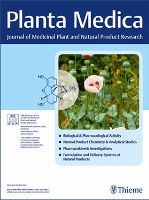
PLANTA MEDICA
Illuminating the Path to Herbal InnovationPLANTA MEDICA is a premier journal dedicated to advancing the field of medicinal plant research, published by Georg Thieme Verlag KG in Germany. With an ISSN of 0032-0943 and an E-ISSN of 1439-0221, this journal has been a cornerstone of scholarly communication since its inception in 1961. Recognized for its rigorous peer-review process, PLANTA MEDICA holds a notable reputation in the academic landscape, featuring a 2023 Q2 ranking in categories such as Analytical Chemistry and Pharmaceutical Science, along with respectable Q3 rankings in Drug Discovery and Molecular Medicine. The journal focuses on the synthesis, pharmacological, and biochemical assessment of phytochemicals, making it an essential resource for researchers, professionals, and students alike who are engaged in the exploration of complementary and alternative medicine. Although it does not offer open access options, its content is instrumental in identifying new therapeutic agents derived from plants, thereby underscoring its importance in drug discovery and holistic health research.
Journal of Natural Medicines
Illuminating the Path of Natural Medicine ResearchJournal of Natural Medicines, published by SPRINGER JAPAN KK, is a leading academic journal that plays a pivotal role in the advancement of research in the fields of Complementary and Alternative Medicine, Drug Discovery, Molecular Medicine, Organic Chemistry, and Pharmaceutical Science. Established in 1994 and set to continue until 2024, this journal serves as a vital conduit for the dissemination of groundbreaking research and innovative ideas that bridge traditional medicinal knowledge and modern scientific inquiry. With its impressive ranking in Scopus—ranking #12 out of 105 in Complementary and Alternative Medicine and holding a Q1 category quartile for 2023—it stands as a reputable source for high-quality, peer-reviewed articles. The journal's commitment to excellence is further underscored by its inclusion in the Springer network, providing researchers, professionals, and students with valuable insights and the latest developments in natural medicines. Although this journal operates under a subscription model, its profound impact on these interdisciplinary fields makes it an essential resource for anyone engaged in the study or practice of natural medicinal therapies.
ACS Bio & Med Chem Au
Elevating biomedical research through open access and collaboration.ACS Bio & Med Chem Au, published by the esteemed American Chemical Society, stands at the forefront of interdisciplinary research within the realms of biochemistry, drug discovery, pharmaceutical sciences, and molecular biology. With an impressive Impact Factor indicative of its rigorous academic standards and significant contributions to the field, this open-access journal is committed to disseminating high-quality research that drives innovation and advancements in biosciences and medicinal chemistry. Since its inception in 2021, the journal has rapidly earned recognition, achieving a commendable Q1 ranking in multiple categories, including Biochemistry, Drug Discovery, and Pharmaceutical Science, while also making strides in Molecular Biology. Researchers, professionals, and students alike can explore pioneering studies that bridge gaps between laboratory research and clinical applications, fostering collaborative efforts towards novel therapeutic strategies. With a focus on enhancing accessibility and engagement within the scientific community, ACS Bio & Med Chem Au is poised to impact the future of biomedical research significantly.
CURRENT DRUG TARGETS
Connecting Researchers to the Future of MedicineCURRENT DRUG TARGETS is a leading peer-reviewed journal dedicated to advancements in the fields of Clinical Biochemistry, Drug Discovery, Molecular Medicine, and Pharmacology. Published by Bentham Science Publishers Ltd, this esteemed journal has solidified its position in the academic community with a 2023 Q2 ranking in several categories, highlighting its influence and relevance in drug research and development. With an ISSN of 1389-4501 and E-ISSN 1873-5592, CURRENT DRUG TARGETS facilitates the dissemination of high-quality articles that explore novel therapeutic strategies and drug design principles. Catered to researchers, professionals, and students, the journal has a commitment to advancing knowledge while addressing contemporary challenges in pharmacological sciences. As it converges from 2000 to 2024, CURRENT DRUG TARGETS remains a vital resource in understanding the complexities of drug action and interaction, making it indispensable for anyone pursuing cutting-edge research in related disciplines.