E-POLYMERS
metrics 2024
Connecting Innovations in Chemical Engineering and Polymer Research
Introduction
E-Polymers, an esteemed journal published by De Gruyter Poland Sp. z o.o., serves as a vital platform for advancing knowledge in the fields of chemical engineering, polymer science, and theoretical chemistry. With its Open Access policy since 2019, researchers from around the globe can freely access and disseminate groundbreaking findings that span the convergence of diverse disciplines, making it an indispensable resource for both academia and industry. The journal is recognized for its significant impact, reflected in its Q2 ranking in Chemical Engineering, Physical and Theoretical Chemistry, and Polymers and Plastics categories in 2023. Its impressive Scopus rankings further solidify its position, showcasing a percentile rank of 70th and above across major categories. With a publication history extending from 2001 to 2024, E-Polymers continually addresses pressing challenges within the polymer research community, fostering innovation and collaboration among researchers, professionals, and students eager to contribute to the evolving landscape of materials science.
Metrics 2024
 -3.203.20-
Metrics History
Rank 2024
IF (Web Of Science)
JCI (Web Of Science)
Quartile History
Similar Journals

POLYMER-KOREA
Bridging Innovation and Application in Polymer SciencePOLYMER-KOREA, an esteemed publication by the POLYMER SOC KOREA, serves as a vital platform for disseminating groundbreaking research in the domains of Chemical Engineering, Materials Chemistry, and Polymers and Plastics. Founded in 1996, this journal aims to bridge the gap between academic inquiry and industrial application, fostering innovation in polymer science. With an ISSN of 0379-153X and an E-ISSN of 2234-8077, POLYMER-KOREA provides a rigorous peer-reviewed environment, although it does not currently offer open access options. Based in Seoul, South Korea, and slated for converged years up to 2024, the journal is indexed in Scopus and has been ranked in the 2023 Q4 category in its respective fields, highlighting its niche yet competitive position within the academic community. Researchers, professionals, and students alike will find the journal an invaluable resource, honing in on critical advancements and fostering collaborative discussion within the spectrum of polymer science.
POLYMER BULLETIN
Fostering Collaboration in Interdisciplinary Polymer StudiesPOLYMER BULLETIN is a prominent journal in the field of polymer science, published by SPRINGER in Germany. Established in 1978, this peer-reviewed journal focuses on the latest research and developments in polymer chemistry, materials science, and condensed matter physics, boasting a commendable impact factor indicative of its rigorous academic standards. With a Q2 ranking in multiple categories including Chemistry (Miscellaneous), Condensed Matter Physics, Materials Chemistry, and Polymers and Plastics, POLYMER BULLETIN serves as an essential resource for researchers, professionals, and students aiming to stay abreast of innovative findings and methodologies within these interdisciplinary landscapes. Although the journal does not currently offer open access, it provides invaluable insights and data that significantly contribute to the advancement of polymer science. For more information and to access published articles, visit the journal's page on the Springer website.

JOURNAL OF POLYMER MATERIALS
Unveiling the Potential of Polymer MaterialsJOURNAL OF POLYMER MATERIALS, published by PRINTS PUBLICATIONS PVT LTD, is a pivotal platform within the field of materials science, focusing particularly on polymer and plastics research. Established in 1987, this journal has played a crucial role in disseminating innovative findings and advances in polymer materials, catering to a diverse readership of researchers, professionals, and students alike. Despite a break in Scopus coverage, it continues to contribute valuable insights into materials chemistry, reflected in its rankings within the lower quartile in related categories. With an ISSN of 0973-8622, the journal seeks to foster a greater understanding of polymer science and applications. Researchers are encouraged to submit their findings to a journal that aims to bridge the gap between theoretical research and practical application. While currently not offering open access, readers can benefit from the journal's commitment to scholarly excellence. Located in New Delhi, India, the JOURNAL OF POLYMER MATERIALS remains a significant resource for those passionate about polymeric materials and their extensive applications.
REACTIVE & FUNCTIONAL POLYMERS
Advancing Polymer Science Through Innovation and CollaborationREACTIVE & FUNCTIONAL POLYMERS, published by Elsevier, is a leading journal in the field of polymer science, focusing on the innovative development and application of reactive and functional polymers. With an impressive impact demonstrated through its classification in various prestigious categories, including Q1 rankings in Chemical Engineering, Chemistry, and Materials Chemistry, this journal serves as an essential resource for researchers and professionals seeking to explore the latest advances in polymer research. With a broad scope that encompasses topics from biochemistry to environmental chemistry, and a convergence of significant findings from 1995 to 2024, REACTIVE & FUNCTIONAL POLYMERS fosters academic dialogue and collaboration among scientists. The journal also features Open Access options, ensuring that groundbreaking research is readily available to a global audience. By consistently publishing high-quality articles, it not only enriches the scientific community but also drives innovation across various industries reliant on polymer technologies.

ADVANCES IN POLYMER TECHNOLOGY
Fostering Global Collaboration in Polymer Advancements.ADVANCES IN POLYMER TECHNOLOGY is a premier open-access journal that has been at the forefront of innovation in the field of polymer science and engineering since its inception in 1981. Published by WILEY-HINDAWI, this journal serves as a vital platform for researchers, professionals, and students alike, facilitating the dissemination of cutting-edge research and applications in chemical engineering, organic chemistry, and polymers and plastics. With an impact factor that signifies its relevance and quality, the journal has achieved notable rankings, including Q2 in Chemical Engineering, and ranks within the top 30% of its category in multiple disciplines as of 2023. ADVANCES IN POLYMER TECHNOLOGY has embraced open-access publishing since 2019, ensuring that research findings are widely available to the global academic community. With its comprehensive coverage of topics related to polymer technology, this journal not only fosters scholarly exchange but also aims to bridge the gap between fundamental research and practical applications, thereby contributing significantly to advancements in materials science.
EUROPEAN POLYMER JOURNAL
Leading the Charge in Polymer Knowledge and InnovationEUROPEAN POLYMER JOURNAL is a leading academic journal published by PERGAMON-ELSEVIER SCIENCE LTD, dedicated to advancing the field of polymer science and engineering. With a distinguished history since 1965, this journal serves as a critical platform for researchers to disseminate high-quality research findings within a broad scope that encompasses materials chemistry, organic chemistry, and physics. The journal boasts an impressive Q1 category ranking in multiple fields, including Materials Chemistry, Organic Chemistry, and Polymers and Plastics, placing it in the top tier of academic journals worldwide. Its standing is further reinforced by its high citation metrics, with ranks such as #16 in Organic Chemistry and #20 in Polymers and Plastics, reflecting its significant contribution to the advancement of knowledge and innovation in these areas. Although currently not available as an open-access journal, it provides subscribers with in-depth studies, reviews, and insights relevant to both academia and industry. Researchers, professionals, and students alike will find invaluable information and emerging trends in polymer research, making the EUROPEAN POLYMER JOURNAL an essential resource for staying at the forefront of this dynamic and evolving field.
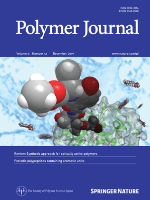
POLYMER JOURNAL
Unveiling the Potential of Polymer MaterialsPOLYMER JOURNAL, published by SpringerNature in the United Kingdom, is a premier academic platform dedicated to the field of polymer science. Since its inception in 1971, this journal has become an essential resource for researchers and professionals interested in the latest advancements in materials chemistry, polymers, and plastics. With its robust H-index and a consistent ranking in the top quartiles of its categories—Q2 in both Materials Chemistry and Polymers and Plastics—POLYMER JOURNAL demonstrates a strong impact in the scientific community. It holds significant recognition in Scopus rankings, occupying the 68th percentile in Materials Chemistry and the 67th percentile in Polymers and Plastics. The journal's commitment to publishing high-quality research articles enables it to serve as a key reference point for innovative studies, theoretical developments, and practical applications in polymer science. Although it is not an open-access journal, researchers and students gain valuable insights through its extensive archives and rigorous peer-reviewed content, making POLYMER JOURNAL a vital source of knowledge for anyone engaged in this dynamic field.

ACTA POLYMERICA SINICA
Exploring the Intersection of Chemistry and EngineeringACTA POLYMERICA SINICA is a distinguished journal published by SCIENCE PRESS, specializing in the multifaceted disciplines of Chemical Engineering, Chemistry, and Polymers and Plastics. Established in 1996, this peer-reviewed journal provides a critical platform for the dissemination of cutting-edge research and advancements within these fields, promoting innovation and knowledge-sharing among researchers and professionals globally. With its presence in the highly competitive Q3 quartile rankings as of 2023, the journal demonstrates a commitment to maintaining rigorous academic standards while supporting the evolving landscape of polymer science. Operating from Beijing, China, the journal caters to a broad readership and emphasizes the importance of interdisciplinary collaboration in addressing contemporary challenges in material science. Although it does not offer open access, ACTA POLYMERICA SINICA remains a vital resource for scholars seeking to enhance their understanding and contribute valuable insights to the field.
Journal of Macromolecular Science Part A-Pure and Applied Chemistry
Exploring Innovations in Polymers and CompositesWelcome to the Journal of Macromolecular Science Part A - Pure and Applied Chemistry, a distinguished publication dedicated to advancing the understanding of macromolecular science, encompassing critical areas such as polymers, materials chemistry, and composites. Published by Taylor & Francis Inc, this journal has firmly established its place within the scientific community, evident from its ranking in the Q2 and Q3 quartiles across various categories in the latest assessments, including Polymers and Plastics as well as Ceramics and Composites. With a commitment to providing high-quality peer-reviewed content, the journal aims to facilitate knowledge exchange and innovation among researchers and practitioners from around the globe. The absence of open access underscores the journal's commitment to maintaining rigorous editorial standards while remaining accessible to its readership. As the journal converges through valuable research contributions from 1992 to 2024, it continues to be a pivotal resource for professionals and students seeking to explore the latest advancements and applications in the field of macromolecular science.
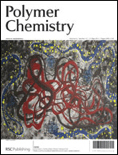
Polymer Chemistry
Unveiling the Science Behind Polymer ApplicationsPolymer Chemistry is a premier peer-reviewed journal published by the Royal Society of Chemistry, focusing on cutting-edge research and developments in the field of polymer science. With its ISSN 1759-9954 and E-ISSN 1759-9962, this journal has established a significant impact within the academic community, as evidenced by its impressive Q1 ranking in areas such as Biomedical Engineering, Organic Chemistry, and Polymers and Plastics. Over its convergence period from 2010 to 2024, Polymer Chemistry has become an essential resource for researchers, professionals, and students, showcasing innovative studies that advance the understanding of polymer behavior and applications. The journal does not currently offer open access, allowing for a traditional but rigorous peer-review process ensuring high-quality publications. For those engaged in the rapidly evolving disciplines of biochemistry and bioengineering, Polymer Chemistry serves as a vital platform for disseminating influential findings and fostering interdisciplinary collaboration in a global context.