ECOLOGICAL ENTOMOLOGY
metrics 2024
Fostering Insights into Ecological Processes and Insect Science
Introduction
ECOLOGICAL ENTOMOLOGY is a leading peer-reviewed journal published by Wiley, focusing on the dynamic interplay between insects and their environments. With an ISSN of 0307-6946 and an E-ISSN of 1365-2311, this journal has been a pivotal resource in the fields of ecology and insect science since its inception in 1976, and is set to continue until 2024. Recognized for its high academic standards, the journal maintains a prestigious Q1 ranking in both the Ecology and Insect Science categories for 2023, and ranks in the 84th percentile among its peers in agricultural and biological sciences. Although not an Open Access journal, it provides vital insights into ecological processes and insect interactions, making it an essential read for researchers, professionals, and students committed to understanding and conserving biodiversity. The contributions published within its pages significantly advance the knowledge of ecological systems and inform practical approaches to environmental management.
Metrics 2024
 0.872.002.1095
Metrics History
Rank 2024
Scopus
IF (Web Of Science)
JCI (Web Of Science)
Quartile History
Similar Journals

ENVIRONMENTAL ENTOMOLOGY
Illuminating the Role of Insects in Environmental HealthENVIRONMENTAL ENTOMOLOGY, published by Oxford University Press, is a premier academic journal dedicated to advancing the field of entomology through the lens of environmental science. With the ISSN 0046-225X and E-ISSN 1938-2936, this journal has been a pivotal platform since its inception in 1973, currently converging until 2024. Recognized within the Q2 and Q1 category quartiles, it holds a prominent position, ranking 41st in Insect Science and 225th in Ecology, Evolution, Behavior and Systematics, showcasing its impact and relevance in the scientific community. The journal encompasses a broad scope, covering critical topics related to the interplay of insects and their environments, making it an essential resource for researchers, professionals, and students interested in ecological dynamics and insect biology. Although it does not provide open access, the research published here is vital for those striving to enhance their understanding of ecological systems and the vital roles insects play therein.

Alpine Entomology
Illuminating the Ecological Role of Alpine InsectsAlpine Entomology is a pioneering open-access journal published by Pensoft Publishers, dedicated to advancing the study of insect science and ecology, with a particular focus on mountainous environments. Launched in 2017 and accessible online, this journal provides a vital platform for researchers, professionals, and students to share their findings and insights in a rapidly evolving field. With its ISSN N/A and E-ISSN 2535-0889, Alpine Entomology has been recognized for its contributions, achieving Q3 category rankings in 2023 across several disciplines, including Animal Science and Zoology, as well as Ecology and Insect Science. Set in Sofia, Bulgaria, the journal exemplifies a commitment to promoting high-quality research and enhancing collaboration among scientists globally. Through its open-access model, it ensures that groundbreaking research is widely disseminated, helping to bridge gaps in knowledge and fostering a deeper understanding of alpine ecosystems and their intricate insect communities.
Entomologica Americana
Connecting Researchers in the World of InsectsEntomologica Americana is a pivotal journal in the field of Insect Science, published by the esteemed New York Entomological Society Inc. With its ISSN (1947-5136) and E-ISSN (1947-5144), this journal serves as a critical resource for researchers, professionals, and students dedicated to the study of entomology. Although it is categorized in the Q4 quartile for Insect Science as per the 2023 Scopus Rankings, where it ranks 179 out of 181, it continues to provide valuable insights into various aspects of insect biology, ecology, and conservation. The journal has been actively publishing since its convergence years from 2009 to 2017, and in selected years thereafter, including 2019, 2021, and 2023. Located at the iconic American Museum of Natural History in New York City, Entomologica Americana is a testament to the ongoing exploration and understanding of the insect world that underpins biodiversity and ecosystem health. Although it does not operate under an Open Access model, it offers a vital platform for scholarly communication and the dissemination of research findings, making it indispensable for anyone involved in or entering the fascinating field of entomology.

REVISTA COLOMBIANA DE ENTOMOLOGIA
Transforming Entomological Research for TomorrowREVISTA COLOMBIANA DE ENTOMOLOGIA, published by the SOC COLOMBIANA ENTOMOLOGIA-SOCOLEN, serves as a vital platform for disseminating research in the field of insect science. With an ISSN of 0120-0488, the journal has established itself as a key resource for entomologists, agricultural scientists, and biodiversity researchers, focusing on the ecology, taxonomy, and behavior of insects within the Colombian context and beyond. Despite its Q4 ranking in 2023, REVISTA COLOMBIANA DE ENTOMOLOGIA strives to enhance its impact within the academic community, offering a space for innovative studies and reviews that aim to advance the understanding of insect-related phenomena. As a publication addressing critical concerns in agricultural and biological sciences, it invites contributions that explore new methodologies and findings relevant to the insect world. Although it does not currently offer Open Access options, the journal's growth from 2004 to 2024 reflects its commitment to evolving with the needs of its readership and contributors, making it an essential reference point for students and professionals alike interested in entomological research.
ENTOMOLOGICAL SCIENCE
Illuminating the World of Insects and Their HabitatsENTOMOLOGICAL SCIENCE, published by WILEY, stands at the forefront of research in the field of entomology, focusing on the intricate relationships between insects and their environments. With its ISSN 1343-8786 and E-ISSN 1479-8298, this esteemed journal, based in the United States, has been serving the scientific community since 2005. As a Q3 journal in both Ecology, Evolution, Behavior and Systematics and Insect Science, it presents vital peer-reviewed articles that advance our understanding of insects and their ecosystems. With a Scopus rank of 85/181 in Insect Science, the journal not only reinforces the importance of insect study but also serves as an essential resource for researchers and professionals seeking to explore and disseminate knowledge in this dynamic field. Although it does not offer Open Access options, its scholarly contributions are invaluable for those invested in ecological research and entomological perspectives—making it a must-read for aspiring and established scientists alike.
NEOTROPICAL ENTOMOLOGY
Celebrating the Ecological Wonders of Insect LifeNEOTROPICAL ENTOMOLOGY, published by the Entomological Society of Brazil, is a leading journal in the field of Insect Science, recognized for its significant contributions to the understanding of entomological research within the Neotropical region. With an impact factor placing it in the Q2 category and ranked #52 out of 181 in the Scopus rankings for Agricultural and Biological Sciences, this journal provides a vital platform for both seasoned researchers and emerging scholars to publish their innovative findings. Covering a broad scope of topics related to entomology, NEOTROPICAL ENTOMOLOGY aims to highlight the unique biodiversity and ecological significance of insects, fostering further appreciation and study within this crucial area of life sciences. The journal is available in both print (ISSN: 1519-566X) and online (E-ISSN: 1678-8052), ensuring accessibility to a wide audience and enhancing the dissemination of knowledge. As it converges towards its 2024 volume, the journal remains committed to advancing the scientific understanding of insect life in the tropics, making it an essential resource for researchers, professionals, and students alike.

ACTA ENTOMOLOGICA MUSEI NATIONALIS PRAGAE
Bridging Research and Discovery in EntomologyACTA ENTOMOLOGICA MUSEI NATIONALIS PRAGAE, published by the esteemed NARODNI MUZEUM - PRIRODOVECKE MUZEUM in the Czech Republic, is an influential journal in the fields of Ecology, Evolution, Behavior and Systematics, as well as Insect Science. With an ISSN of 0374-1036 and an E-ISSN of 1804-6487, this journal has established itself as a vital resource for researchers, professionals, and students interested in the intricate world of entomology. Spanning publications from 2005 to 2024, it is recognized for its contributions to the understanding of insect biology, offering insights on ecological interactions and evolutionary relationships. Although it operates as a subscription-based platform, the journal maintains a respectable presence in scholarly circles, positioned in the Q2 quartile for both relevant categories in 2023. ACTA ENTOMOLOGICA serves not only as a repository of significant empirical findings but also as a discourse platform for emerging entomological concepts, making it an essential read for those involved in the biological sciences.
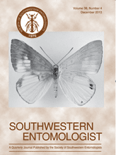
SOUTHWESTERN ENTOMOLOGIST
Exploring the Intersection of Insect Science and AgronomySOUTHWESTERN ENTOMOLOGIST is a pivotal academic journal dedicated to advancing the fields of Agronomy, Ecology, and Insect Science. Published by the SOUTHWESTERN ENTOMOLOGICAL SOC in the United States, this journal plays a crucial role in disseminating vital research findings that address pressing ecological and agricultural challenges. With its ISSN 0147-1724 and E-ISSN 2162-2647, the journal has been publishing comprehensive studies since 1993 and continues to contribute significantly to the knowledge base up to 2024. As a Q4 ranked journal in both Agronomy and Crop Science and Ecology, as well as Insect Science, it provides an inclusive platform for researchers and students to share their insights and foster collaborations. Although it currently does not offer open access options, the content is accessible to academic institutions and professionals, ensuring that significant findings reach a broad audience. Given its niche focus, SOUTHWESTERN ENTOMOLOGIST not only appeals to researchers and students but also to professionals looking to stay updated on the latest trends and developments in entomology and its related fields.
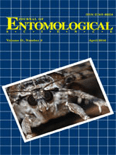
JOURNAL OF ENTOMOLOGICAL SCIENCE
Pioneering Insights in Insect Science and EcologyJOURNAL OF ENTOMOLOGICAL SCIENCE, published by the Georgia Entomological Society Inc, is a crucial resource in the field of insect science and ecology. With a rich history since its inception in 1993, the journal provides a platform for innovative research and comprehensive reviews addressing various aspects of entomology. Although not an open-access journal, it is highly regarded within its community, holding a Q3 ranking in Agronomy and Crop Science, Ecology, Evolution, Behavior and Systematics, and Insect Science as of 2023. Each issue promises to contribute valuable insights to professionals, researchers, and students alike, making it an essential publication for those looking to stay abreast of developments in entomological studies. The journal's editorial commitment ensures that it remains at the forefront of entomological research through rigorous peer reviews and a dedication to scholarly excellence.
Insects
Unleashing Knowledge in Insect Ecology and BehaviorInsects is a prominent open-access journal published by MDPI, dedicated to advancing research in the vibrant field of insect science. Since its inception in 2011, this journal has become a vital resource for academics and professionals alike, also ranked in the prestigious Q1 category within the Insect Science field by Scopus, achieving a remarkable rank of 26 out of 181 journals. With an ongoing convergence period from 2010 to 2024, Insects provides comprehensive coverage of various aspects of entomology, including but not limited to ecology, behavior, physiology, and applied entomology. Based in Switzerland, the journal promotes an open-access model, ensuring that vital research is readily available to researchers, practitioners, and students globally. This journal not only facilitates the dissemination of groundbreaking entomological research but also fosters collaboration and interdisciplinary dialogue in the field.