
Insects
metrics 2024
Connecting Researchers in the Vibrant World of Insects
Introduction
Insects is a prominent open-access journal published by MDPI, dedicated to advancing research in the vibrant field of insect science. Since its inception in 2011, this journal has become a vital resource for academics and professionals alike, also ranked in the prestigious Q1 category within the Insect Science field by Scopus, achieving a remarkable rank of 26 out of 181 journals. With an ongoing convergence period from 2010 to 2024, Insects provides comprehensive coverage of various aspects of entomology, including but not limited to ecology, behavior, physiology, and applied entomology. Based in Switzerland, the journal promotes an open-access model, ensuring that vital research is readily available to researchers, practitioners, and students globally. This journal not only facilitates the dissemination of groundbreaking entomological research but also fosters collaboration and interdisciplinary dialogue in the field.
Metrics 2024
 -2.702.90-
Metrics History
Rank 2024
IF (Web Of Science)
JCI (Web Of Science)
Quartile History
Similar Journals
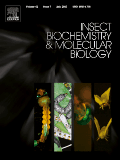
INSECT BIOCHEMISTRY AND MOLECULAR BIOLOGY
Unlocking the Mysteries of Insect BiochemistryINSECT BIOCHEMISTRY AND MOLECULAR BIOLOGY, published by Pergamon-Elsevier Science Ltd, stands at the forefront of interdisciplinary research focusing on the biochemical and molecular processes in insects. This esteemed journal, with an ISSN of 0965-1748 and E-ISSN of 1879-0240, serves as a vital resource for scientists and researchers interested in the intricacies of insect physiology and genetics. With a significant presence in the academic community, it holds impressive rankings, including Q2 in Biochemistry and Q1 in Insect Science according to the latest quartiles, reflecting its critical role in advancing knowledge in these fields. The journal's convergence of content from 1992 to 2024 illustrates its commitment to fostering long-term scholarly discourse. Researchers will appreciate its impact within the Agricultural and Biological Sciences and its contributions to understanding the molecular biology of insects. Although not an open-access journal, it provides complementary insights into the biochemistry and genetics of insects, making it indispensable for anyone keen on pushing the boundaries of entomological science.
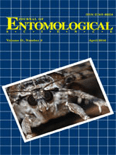
JOURNAL OF ENTOMOLOGICAL SCIENCE
Innovative Research for a Deeper Understanding of InsectsJOURNAL OF ENTOMOLOGICAL SCIENCE, published by the Georgia Entomological Society Inc, is a crucial resource in the field of insect science and ecology. With a rich history since its inception in 1993, the journal provides a platform for innovative research and comprehensive reviews addressing various aspects of entomology. Although not an open-access journal, it is highly regarded within its community, holding a Q3 ranking in Agronomy and Crop Science, Ecology, Evolution, Behavior and Systematics, and Insect Science as of 2023. Each issue promises to contribute valuable insights to professionals, researchers, and students alike, making it an essential publication for those looking to stay abreast of developments in entomological studies. The journal's editorial commitment ensures that it remains at the forefront of entomological research through rigorous peer reviews and a dedication to scholarly excellence.
INTERNATIONAL JOURNAL OF TROPICAL INSECT SCIENCE
Advancing the Science of Tropical InsectsINTERNATIONAL JOURNAL OF TROPICAL INSECT SCIENCE, published by Springer International Publishing AG, is a leading interdisciplinary journal dedicated to advancing knowledge in the fields of insect science and ecology. With its ISSN 1742-7584 and E-ISSN 1742-7592, this journal provides a platform for researchers to publish high-quality, peer-reviewed articles that explore various aspects of tropical insect biology, behavior, and their ecological impacts. As evidenced by its Q3 ranking in both Ecology, Evolution, Behavior and Systematics and Insect Science, it plays a vital role in fostering scientific dialogue and innovation within these disciplines. Researchers affiliated with the journal benefit from its visibility and growing impact, as demonstrated by its Scopus ranks, with a percentile standing of 61st in Insect Science. Although the journal is not open access, it still reaches a wide academic audience, making significant contributions to our understanding of tropical ecosystems. Situated in Switzerland, this journal is crucial for students, professionals, and researchers invested in the intersection of entomology and ecological science.

BULLETIN OF INSECTOLOGY
Unveiling the Secrets of Insect LifeBULLETIN OF INSECTOLOGY is a prominent academic journal published by ALMA MATER STUDIORUM, UNIV BOLOGNA, Italy, specializing in the field of Insect Science. The journal, with ISSN 1721-8861 and E-ISSN 2283-0332, has established itself as a vital resource for researchers and professionals interested in the diverse aspects of entomology and its applications. It ranks in the Q2 category for Insect Science as of 2023, placing it among the top journals in its field with a Scopus rank of 79 out of 181. The BULLETIN OF INSECTOLOGY is committed to disseminating high-quality research and innovative studies, facilitating open dialogue and collaboration among scientists. As an essential platform for sharing groundbreaking findings, it contributes significantly to the body of knowledge in agricultural and biological sciences, making it an invaluable asset for scholars and practitioners alike. With coverage from 2002 to 2024, this journal continues to foster advancements in entomological research and its importance in tackling environmental challenges.
EUROPEAN JOURNAL OF ENTOMOLOGY
Advancing the frontiers of insect science.The European Journal of Entomology, published by the Czech Academy of Sciences, Institute of Entomology, is a pivotal journal in the field of Insect Science. With a solid impact factor and recognized ranking—placed in the Q2 quartile in 2023, and ranked #72 out of 181—this journal offers a platform for researchers and professionals alike to share insightful studies and advancements in entomological research. Since its inception in 1993, the journal has continuously evolved to cover a wide spectrum of entomological disciplines, establishing itself as an essential resource for academia and industry. Although it operates on a subscription basis, the journal ensures accessibility for a broad audience of scholars, students, and enthusiasts eager to stay at the forefront of entomological science. Located in Ceske Budejovice, Czech Republic, this journal not only highlights European contributions but also embraces global perspectives, making it an indispensable reference point in the ongoing exploration of insect biology and ecology.

REVISTA COLOMBIANA DE ENTOMOLOGIA
Pioneering Insights into Colombia's Insect DiversityREVISTA COLOMBIANA DE ENTOMOLOGIA, published by the SOC COLOMBIANA ENTOMOLOGIA-SOCOLEN, serves as a vital platform for disseminating research in the field of insect science. With an ISSN of 0120-0488, the journal has established itself as a key resource for entomologists, agricultural scientists, and biodiversity researchers, focusing on the ecology, taxonomy, and behavior of insects within the Colombian context and beyond. Despite its Q4 ranking in 2023, REVISTA COLOMBIANA DE ENTOMOLOGIA strives to enhance its impact within the academic community, offering a space for innovative studies and reviews that aim to advance the understanding of insect-related phenomena. As a publication addressing critical concerns in agricultural and biological sciences, it invites contributions that explore new methodologies and findings relevant to the insect world. Although it does not currently offer Open Access options, the journal's growth from 2004 to 2024 reflects its commitment to evolving with the needs of its readership and contributors, making it an essential reference point for students and professionals alike interested in entomological research.
Frontiers in Insect Science
Transforming Insect Studies into Practical SolutionsFrontiers in Insect Science is a pioneering open-access journal dedicated to the advancement of knowledge in the field of insect science. Published by FRONTIERS MEDIA SA in Switzerland, this journal serves as a vital platform for researchers, professionals, and students to disseminate high-quality, peer-reviewed research spanning diverse topics within insect biology, ecology, and pest management. Since its establishment in 2021, the journal has gained recognition, ranking in the Q2 category of Insect Science with a Scopus ranking of #92 out of 181 in the field. With a commitment to promoting open access and collaboration, Frontiers in Insect Science is instrumental in fostering innovative research and practical applications essential for combating biodiversity loss and enhancing agricultural sustainability. As a freely accessible resource, it invites contributions that impact both fundamental and applied insect research, connecting a global network of scholars eager to explore the fascinating world of insects.

REVISTA DE LA SOCIEDAD ENTOMOLOGICA ARGENTINA
Bridging Disciplines in the World of InsectsREVISTA DE LA SOCIEDAD ENTOMOLOGICA ARGENTINA is an esteemed open-access journal dedicated to the field of entomology, published by the SOCIEDAD ENTOMOLOGICA ARGENTINA. Since its transition to open access in 2013, the journal has sought to promote research in insect science, ecology, and related disciplines, facilitating global dissemination of knowledge and encouraging collaborative studies across borders. Located in the vibrant scientific landscape of La Plata, Argentina, the journal is indexed in Scopus and categorized in the fourth quartile of ecology and insect science, reflecting its commitment to enhancing the discourse within these critical fields. Aiming to bridge the gap between researchers, students, and professionals, REVISTA DE LA SOCIEDAD ENTOMOLOGICA ARGENTINA serves as a platform for innovative research, reviews, and reports on ecological interactions, behavior, and systematic entomology, ultimately driving forward our understanding of insect biodiversity and its broader environmental impacts.
ENTOMOLOGIA EXPERIMENTALIS ET APPLICATA
Leading the way in experimental entomological studies.ENTOMOLOGIA EXPERIMENTALIS ET APPLICATA is a premier journal dedicated to advancing the understanding of insect science through innovative research and thorough experimental methodologies. Published by Wiley, this esteemed journal has been at the forefront of entomology since its inception in 1958, with its latest convergence extending until 2024. With a commendable Impact Factor and categorically positioned in the Q2 quartile across both Ecology, Evolution, Behavior and Systematics and Insect Science fields, it plays a pivotal role in the dissemination of critical findings. The journal is indexed in Scopus, ranking 43rd out of 181 in Insect Science, showcasing its relevance and stature within the academic community, while maintaining a robust visibility among scholars. Given its rigorous peer-review process and a commitment to quality and innovation, ENTOMOLOGIA EXPERIMENTALIS ET APPLICATA serves as a vital resource for researchers, professionals, and students aiming to deepen their insights into entomological research.
ECOLOGICAL ENTOMOLOGY
Bridging Ecology and Entomology for a Sustainable FutureECOLOGICAL ENTOMOLOGY is a leading peer-reviewed journal published by Wiley, focusing on the dynamic interplay between insects and their environments. With an ISSN of 0307-6946 and an E-ISSN of 1365-2311, this journal has been a pivotal resource in the fields of ecology and insect science since its inception in 1976, and is set to continue until 2024. Recognized for its high academic standards, the journal maintains a prestigious Q1 ranking in both the Ecology and Insect Science categories for 2023, and ranks in the 84th percentile among its peers in agricultural and biological sciences. Although not an Open Access journal, it provides vital insights into ecological processes and insect interactions, making it an essential read for researchers, professionals, and students committed to understanding and conserving biodiversity. The contributions published within its pages significantly advance the knowledge of ecological systems and inform practical approaches to environmental management.